We are ringing in 2024 with more good news on how we, together, are managing global warming! From reading a few blogs, and listening to a few podcasts/interviews we now are hearing an encouraging narrative: we humans have averted the worst case (apocalyptic) scenarios for our planet that were being discussed only just a few years ago (around the time we first started this Friends4Trees4Life Blog). We still do not know what the planet will be like in 30 years, but the progress that has already been made is paving us a future. This optimism is mostly due this decade’s widespread technological development and production of renewable energy, most notably solar energy and wind energy.
David Wallace-Wells, American journalist and author of the 2017 essay and book 2019 “The Uninhabitable Earth” has written a more recent article in the New York Times called “Beyond Catastrophe-A New Climate Reality is Coming Into View”. This was also the subject of interview by Dave Davies for the Podcast FRESH AIR . Wallace-Wells was initially very sceptical about our ability to tackle global warming, but feels that we now can see a path forward. It’s not an easy path, but there is a way forward. Let’s look at what he has to say.
Mill Creek Ravine Snowfall
Price of Renewables
On interview a year ago Wallace-Wells stated that since 2010, the cost of solar power has fallen by about 85-90% and over that same period of time fossil fuels have not fallen in price at all, so many renewables are much cheaper than their alternatives, and have become more reliable too. He says most of the world now lives in places where building new renewable capacity would be cheaper than building new dirty capacity. As well, in a lot of places it is already cheaper to build new renewables than even to continue running old fossil fuel plants.
And it is not just solar power. As of a year ago, wind energy, both offshore and onshore, had fallen by 60-80%. Battery technology for storing this renewable energy has fallen by about 80-90%. So we are living through an incredibly dramatic collapse in the price of renewables, which means that solar power has now been called, by the International Energy Agency (IEA), “the cheapest electricity in history”.
Wallace-Wells says, “We’re not moving fast enough, but the energy mix is changing quite dramatically, so a decade from now, I think, it’s going to look very very different than it does today.”
Investment in Renewables
According to Wallace-Wells, “The entire landscape of energy investment has really been transformed, both in the private sector and in the public sector, because anyone in the world who’s looking at these data points and making 10 year, 20 year and 30 year plans, everyone is going to think we should be going all-in on renewables. We should not be building new coal or new oil or new gas capacity. And as a result, that’s what’s happening! Already two years ago the IEA marked that we invested more in renewable capacity than in non-renewables. So we’ve turned a corner here!”
A Faster Transition Means A Richer & Healthier World
Wallace-Wells states, “One big recent report suggested that the global economic benefit could be in the order of $12 trillion, if we transition more quickly. In addition there are climate benefits and public health benefits. Right now it is estimated that 8.7 million people are dying every year from the air pollution produced primarily from the burning of fossil fuels. We can avert some of the suffering that will be caused by increased floods, fires and extreme heat affecting food production, if we move faster.”
“Also good news is that poor countries of the world do not have to develop more slowly, as decarbonization with renewable energy is cheap and this means they can grow more prosperous more quickly. It is encouraging, as well, that each year at the COP Conference the issue of assisting poor countries financially for loss and damage from floods, fires and heat (from global warming caused mostly by the rich countries) gets to be more on the center stage.
Here is the link to this full interview:
Good News of 2023 from Journalist Angus Hervey
On January 2, CBC- The Current, Matt Galloway interviewed Angus Hervey editor of the “Future Crunch” a newsletter focusing on good news. Hervey says despite 2023 being dominated by cruelty, conflict and climate disasters, it has been the “best year ever” for global health, conservation and clean energy, we just don’t hear about it.
Clean Energy Accomplishments in 2023
In terms of clean energy, in 2023 the planet has installed staggering amounts of solar energy; 58% more than in 2022 and, as well, in 2022 we installed 41% more than we did in 2021. So the world’s solar capacity doubled in the last 18 months! Leading that charge was China, which likely means China reached peak emissions in 2023, 6-7 years ahead of expectations.
Progress in Conservation in 2023
There is a staggering list of endangered species that are now recovering including the Asiatic Lion, Atlantic Puffin, Golden Lion Tamarin to name a few.
The Amazon Forest has seen 55% reduction in deforestation, much as a result of the election of leader Luz Inacio Lula da Silva in Brazil. This is the largest decline since recorded time!
The Historic UN Global Ocean Treaty was signed in 2023, thanks to efforts by Greenpeace visiting every ocean and documenting challenges to marine life and ecosystems from destructive fishing to deep sea mining. Hailed as the biggest conservation victory ever, the new treaty paves the way for the creation of ocean sanctuaries in which ecosystems can recover and thrive, potentially saving our oceans from the brink of disaster.
Canada’s First Nations People are leading a revolution in conservation globally. The Canadian government has been turning to Indigenous communities more and more to help manage boreal forests by ceding more of the forest land to them. Last year, the federal government set aside $340 million to support areas protected by Indigenous groups and networks of Indigenous experts. As well, Indigenous people have recently reintroduced Bison to the land!
Canada has made great progress towards protecting 25% of it’s oceans by 2025
Hervey says this is not kumbaya, but it is important to recognize the progress being made, to balance the other devastating news that is usually broadcast. And this is just a sampling of the great accomplishments in 2023. Hervey believes optimism is a choice we make in navigating the world, and can help us individually make choices to help be part of the change.
Lucia has had solar panels on her roof for about a year now. There is a $5000 grant and 0% interest loan from the Federal Government to assist you to make your home more energy efficient. This grant was supposed to last until 2028, but is so popular that it may not be around through 2024. Solar is not for everyone but Lucia is thrilled that she just got her first electric bill since March, so has been enjoying free energy for about 9 months. It is also great to have the sun charge her electric vehicle most of the year. Catherine has replaced her windows for more energy efficient ones. She uses public transit often and supports small local businesses. We need to keep asking ourselves, “what can we do better?” This Christmas Lucia gifted laundry eco-strips that require little packaging (no plastic jug), and part of the proceeds support other charities. Many people we know are buying electric or hybrid vehicles. We need to keep working together. No one can do everything, but everyone can do something. Is there anything you have been thinking to try?
Reflections
This Friends4Trees4Life Blog was started just before 2020 at a time that we felt not enough people were discussing climate change, so we wanted to get the conversation started. After about 18 months of blogging, we were encouraged that the climate discussion was becoming mainstream, and climate change was becoming something few people denied. Countries started making a plan for change. By 2022 we could see progress being made, but it still felt like there was not enough action to match the policies, and most deadlines were not being met. Now this year, reading about these changes that have taken place in 2023, hearing some big accomplishments are ahead of schedule, we feel more encouraged than ever! Again, it is not kumbaya, but we can see a new climate reality taking shape. With this encouragement, we hope you will feel enthusiastic like we are to find a place in the wheel of change. Using Brazil as an example, it is important to think about who we choose as leaders, because they can dramatically affect the future of our planet like reversing deforestation of the Amazon Rainforest. Lucia knows that she will vote with the planet’s health as a main consideration.
Note: The landscape photos of our planet in this blog were taken by Lucia MacQuarrie
It is good to be back and to be able to share with you items we find to be inspiring and that renew our hope in the prospects for a brighter, greener, healthier and more humane world ahead.
Goodness knows, these days it feels as if we all could use a big dose of hope to lift and re-charge our spirits. The news headlines on offer seem to overwhelm with their steady stream of dire and alarming claims about the state of world’s climate crisis – making it challenging for even the sunniest and most optimistic among us not to lose balance and perspective some days.
Here is a smattering of the kinds of headlines that have caught our attention, and not necessarily in a good way –
“Our world needs climate action on all fronts – everything, everywhere, all at once,” says UN Secretary-General (March 20, 2023)
“Global warming set to break key 1.5C limit for first time” (May 17, 2023, Matt McGrath, BBC)
“Human-induced climate change is heating our planet, disrupting weather patters and ocean currents, and altering marine ecosystems and the species living there.” (June 8, 2023, Secretary-General’s message on World Oceans Day 2023)
“We must end the triple planetary crisis of climate change, pollution and biodiversity loss.” (Secretary-General’s remarks to the High-Level Political Forum on Sustainable Development, September 18, 2023)
The world’s climate crisis is indeed challenging and complex, with the case for urgent action compelling.
But IS it solvable? What is to be done? And, in the near-term, how about some antidotes to counter climate anxiety and despondency and to shore up faith that indeed progress is being made toward solving some of the biggest pieces of the puzzle?
“Urgency+Optimism = Action”
Enter the “Earthshot Awards”
“The Earthshot Prize was launched by Prince William in 2020 to search for and scale the most innovative solutions to the world’s greatest environmental challenges.”
It was inspired “by President John F. Kennedy’s “Moonshot” challenge in 1962 to land a man on the moon within a decade….”
The Earthshot prize embodies a vision and mission of “Urgency+Optimism=Action”.
Certainly, the organizers of the Earthshot Awards recognize the seriousness of the complexity of challenges presented by the world climate crisis.
The annual awards program runs for a decade until 2030.
The Earthshot website doesn’t sugar coat things, acknowledging that… “the future of human kind is in the balance” … and, that “(c)hange is not yet happening fast enough or at the scale we need. Levels of climate anxiety and despondency are high and political interventions are happening too slowly…. We want to unleash the urgent optimism required to accelerate and scale the environmental innovations that will repair and regenerate our planet.”
Interestingly, we observe that 2030 is also the same year that 194 nations are aiming and organizing their first set of targets and plans to reduce carbon emissions, as part of the collective global effort by signatories to the 2015 Paris Agreement on climate change to keep global warming at/below 1.5C.
Sir David Attenborough Inspires
Sir Attenborough’s lifework to champion the betterment of our “Blue Planet” inspires and is world-renowned. We find he inspires us anew, in these brief opening remarks on November 12, 2023, to start the Earthshot 2023 Awards ceremony held in Singapore. Worth the 55 seconds we feel to watch this clear, eloquent Youtube message of urgency, optimism and a call to action.
Clarity and Scaling Up to Solve the World’s Climate Crisis
“Clarity comes through the Award’s challenge to the world based on five Earthshots– simple but ambitious and universal goals for 2030 developed in collaboration with leading environmental experts. They are:
Protect and Restore Nature
Clean our Air
Revive our Oceans
Build a Waste-Free World
Fix our Climate
Earthshot’s approach to change at scale is described in the following.
“Every year over the course of this critical decade, five Winners with the best chance of helping to achieve our Earthshots will be awarded £1 million each to scale their solutions, with all 15 Finalists receiving tailored support from our global alliance of partners.
By spotlighting environmental innovators and their solutions, we aim to spark the world’s collective imagination and drive the mindset of urgent optimism and action.
People everywhere can make a difference.
We need every environmental innovator, entrepreneur, activist, leader, and dreamer to believe it’s possible and be part of this movement.”
Innovators and Impacts
The stories and impacts being realized by all fifteen Finalists are all inspiring and impressive, individually and as a collection, if you have the time and inclination to delve deeper – they are all spotlighted on the Earthshot Prize website, accessible at: https://earthshotprize.org/winners-finalists-listing/?filter-year=2023
For this blog post, we will focus only on the five award winners. Excerpts are taken from and attributed to their source – the Earthshot Awards website.
We hope this brief spotlight will offer our Readers a quick Intro with enough inspiration to buoy up hope and renew belief in the power of human ingenuity to give the world a fighting chance to solve climate change in the time required.
Prince William announced the five Earthshot 2023 winners at the November 12, 2023 Awards ceremony in Singapore —
ACCIÓN ANDINA IS A GRASSROOTS, COMMUNITY-BASED INITIATIVE WORKING ACROSS SOUTH AMERICA TO PROTECT NATIVE HIGH ANDEAN FOREST ECOSYSTEMS FOR THEIR INVALUABLE BENEFITS TO NATURE AND MILLIONS OF PEOPLE IN THE REGION.
“Their approach unites tens of thousands of people in local and indigenous communities to protect and restore the native forests and ecosystems. Work that is vital for the region’s climate resilience, water security, biodiversity, community livelihoods and indigenous culture.
Acción Andina’s activities are already helping thousands of people by increasing food and water security, providing new income opportunities, and contributing to more sustainable management of natural resources. Since 2018, almost 10 million native trees have been planted by Acción Andina across five countries – restoring over 4,000 hectares of Andean forests and protecting more than 11,000 hectares of native forest.”
“While their impact to date is significant, Acción Andina is just getting started. By 2045, they aim to protect and restore one million hectares of high Andean, native forest ecosystems across Argentina, Bolivia, Chile, Colombia, Ecuador, Peru and Venezuela.
Such is their success so far, Global Forest Generation, which develops large-scale ecosystem restoration initiatives, has plans to replicate the Acción Andina model around the world to restore our most critically endangered and neglected ecosystems.”
WITH THE DEVELOPMENT OF A NEW WAY TO BUILD AND RECYCLE VITAL LITHIUM-ION BATTERIES, GRST‘S SOLUTION OFFERS A PATHWAY TO MAKE THE ELECTRIC CARS OF THE FUTURE EVEN CLEANER.
“The electric vehicle market is growing fast and is projected to soar as governments and consumers move away from vehicles that run on planet-warming fossil fuels…Unsurprisingly, demand for batteries is expected to increase 30% each year until 2030.
A greater need for batteries to power more of these vehicles means increased demand for metals like lithium, a finite resource whose extraction has raised ecological and human rights issues. The lithium mining required to meet the demand takes a heavy toll. Trees are often cut down to make room for mines, while chemicals used in the process can poison waterways. In some countries, worker protections for miners are limited, raising human rights concerns. Meanwhile, millions of tonnes of batteries are expected to be decommissioned over the coming decades, creating hazardous waste.
Enter GRST, a cleaner, safer and cheaper way to make and recycle lithium-ion batteries.
Co-founded by Justin Hung, GRST (which stands for Green, Renewable, Sustainable Technology) has come up with a cleaner process to make batteries that pollutes less and uses components that can be more easily recycled. Instead of using toxic solvents and hard-to-recycle materials, GRST has created a way to build the battery using a water-soluble binding composite, so that at the end of the battery’s life, the lithium, cobalt and nickel can be more economically recovered and reused again in another battery, reducing demand for further extraction.”
Impact
“GRST’s method not only reduces greenhouse gas emissions from production by 40%, but also produces a battery that lasts up to 10% longer than average – characteristics that will accelerate the adoption of electric vehicles and enable more people to breathe cleaner air.
GRST batteries are already being sold in multiple countries. Following the recent completion of a new factory, GRST is ready to scale the battery technology. They are targeting a five percent share of the global green battery market by 2030 and aim to establish several circular supply chains over the next few years. GRST’s efforts are key to enabling the electric vehicle revolution to drive forward sustainably.”
REVIVE OUR OCEANS – WILDAID
GLOBAL NON-PROFIT ORGANISATION WILDAID SCALES MARINE ENFORCEMENT TO END ILLEGAL FISHING AND STRENGTHEN OCEAN CONSERVATION.
“Meeting the global ‘30 by 30’ target of safeguarding 30% of oceans by 2030 is crucial to protecting our environment and will not occur without effective enforcement of Marine Protected Areas (MPAs). However, nearly 60% of these MPAs have been unable to fully protect the ecosystems under their control due to enforcement challenges. WildAid is leading a bold initiative to ensure these zones and the sustainable fisheries within them deliver on their conservation promise.
Oceans cover more than 70% of the planet and are home to an enormous range of biodiversity. They also support many millions of people who rely upon fishing for their livelihoods. However, unsustainable overfishing threatens both ocean life and the people who rely on it, and $23 billion is lost annually to illegal, unreported and unregulated fishing. Due to a dramatic increase in unsustainable fishing over the past half century, the UN estimates one-third of the world’s fisheries have been pushed beyond their biological limits.”
“Faced with disaster, governments have taken steps to protect marine ecosystems by promoting sustainable fishing and designating 15,000 special zones — MPAs — where human activity is strictly regulated. If these regulations are followed, scientists predict critical ocean life within the MPAs would be restored. And while these MPAs cover only 8 percent of oceans, they mark an important start. Without enforcement of these protected areas, however, many countries lack the resources required to achieve real conservation impact.”
Solution
“WildAid, a global conservation non-profit, has a plan to bolster the effectiveness of MPAs and sustainable fisheries through its Marine Programme. Led by Meaghan Brosnan, the programme unites a range of partners — from governments to charities to non-profits and academics — to exchange knowledge and tailor actions for each region. Its approach builds law enforcement capacity by making sure people have the tools, technology and resources needed to deter illegal fishing, allow wildlife to recover and improve coastal community livelihoods.”
Impact
“The programme, currently working with a significant proportion of already established MPAs and fisheries management areas, covers an estimated 1.64 million square kilometres of ocean. With operations in Palau, Zanzibar, Mexico and beyond, WildAid is championing and strengthening ocean conservation in every corner of the globe.”
BUILD A WASTE-FREE WORLD – S4S TECHNOLOGIES
S4S TECHNOLOGIES’ SOLAR-POWERED DRYERS AND PROCESSING EQUIPMENT COMBATS FOOD WASTE, ENABLING SMALL-HOLD FARMERS TO PRESERVE CROPS AND TURN PRODUCE THAT MIGHT OTHERWISE GO TO WASTE INTO VALUABLE PRODUCTS.
“Much of India’s rural population relies on smallholder farming for their income and livelihoods. But every year about 30% of agricultural produce is wasted before it leaves the farms.
This is because bumper crops and price fluctuations often force farmers to leave unsellable crops rotting in the fields. These wasted crops squander the precious energy and water used to grow them, demand additional resources for their disposal and cause income losses for small farmers, which can deepen rural poverty and exacerbate inequality.”
Solution
“Founded in 2013 by six university friends – Nidhi Pant, Vaibhav Tidke, Swapnil Kokte, Ganesh Bhere, Shital Somani, Tushar Gaware and Ashwin Pawade – S4S Technologies combats food waste, rural poverty, and gender inequality by helping smallholder female farmers preserve and market surplus produce.”
“The organisation provides rural communities with cheaper solar-powered conduction dryers and food processing equipment to prepare their crops on-site, rather than using cold storage or other more expensive methods of conventional industrial food preservation.
With a focus on supporting female farmers, S4S also supports its entrepreneurs in using the preserved waste to produce and sell valuable food products, such as ketchup. S4S creates a market, connecting commercial buyers to these products and returning most of the profits to the farmers who made them.”
Impact
“Some 300,000 women smallholder farmers supported by S4S have recorded 10- 15% increases in their profits, while the 2,000 female entrepreneurs they partner with have seen incomes double or even triple. By 2025, S4S wants to extend their reach to three million smallholder farmers and 30,000 entrepreneurs. By 2026, they predict they will have reduced food waste by 1.2 million tonnes and removed the equivalent of 10 million tonnes of CO2 from the atmosphere.”
FIX OUR CLIMATE – BOOMITRA
BOOMITRA ARE REMOVING EMISSIONS AND BOOSTING FARMER PROFITS BY INCENTIVISING SOIL RESTORATION AND THE ADOPTION OF REGENERATIVE AGRICULTURE THROUGH A VERIFIED CARBON-CREDIT MARKETPLACE.
“Since 1750, burning fossil fuels has increased planet-warming CO2 in our atmosphere by 50%. At the same time, irresponsible farming practices and feeding a growing population have degraded our land and impacted its ability to store carbon, meaning there’s yet more carbon in the air. As more carbon enters the atmosphere, warming and aridification grow more vicious. The result: land unable to feed the world’s population, which continues to grow.
“Boomitra, which means “friend of the earth” in Sanskrit, is a soil carbon marketplace that rewards farmers for sustainable land management practices.
“The company works with more than 150,000 farmers, from half-acre smallholder farms to large ranchers, managing more than five million acres of land in some of the poorest parts of Africa, South America and Asia. Satellites and AI technology are used to monitor improvements farmers make to the soil, tracking its ability to store carbon over time.”
Impact
“The world’s agricultural soils have the potential to store an additional five gigatons of CO2 per year – more than all the emissions from global car travel in a year. As Boomitra aims to scale their solution across the world, they have set a target to store one gigaton of CO2 in the soil by 2030.”
To learn more about the five winners and fifteen finalists for Earthshot Prize 2023 – https://earthshotprize.org/
BBC reveals 100 Women 2023: Celebrating 28 Climate Pioneers
On November 21, 2023, the “BBC has revealed the names of the inspiring and influential women on the BBC 100 Women list for 2023. For the first time, to recognise the disproportionate impact of climate change on the lives of women and girls, this year’s BBC 100 Women list specifically highlights a group of women leading the battle against the climate crisis.”
“…In a year where extreme heat, wildfires, floods and other natural disasters have been dominating headlines, and where wars have weighed heavily, it is more important than ever that the BBC World Service continues to shine a spotlight on women globally and their fight back against climate change.” (https://www.bbc.com/mediacentre/2023/bbc-reveals-100-women-2023)
We take heart in the words of BBC Climate Pioneers, Qiyun Woo, a storyteller and environmental podcaster from Singapore, and Sarah Ott, an educator with the US National Center for Science Education:
“The climate crisis is complex, overwhelming and scary. We can approach it with fierce but gentle curiosity – instead of fear – so that we keep our heart soft to care for the world, while sharpening our tools to dismantle what doesn’t work and build what does.” (Qiyun Woo)
“Even though climate change is an ‘all hands on deck’ situation, we just can’t do it all by ourselves. Activism is like a garden. It is seasonal. It rests. Respect the season you are in.” (Sarah Ott)
We love the personal power embodied in Climate Pioneer Anna Hottunen’s work and role in launching the “world’s first app to allow citizens (of Lahti, Finland) to earn (carbon) credits by using enviro-friendly transportation.”
An aside, Lahti was recognized as the European Green Capital of 2021, and is just under two years from its goal to become a “climate-neutral city by 2025 as the first major city in Finland.” Finland as a whole country aims to be carbon-neutral by 2035. Lahti aims to get there a decade earlier! Both goals are truly inspiring, heartening and very hopeful to us!
Lahti has already cut greenhouse gas emissions by 70%, and since 2019 the city abandoned the use of coal. “Lahti is now heated with recycled fuel as well as local, certified wood” as part of the 1.5 degree lifestyle that its citizens have adopted.
Among the 28 Climate Pioneers, is 2004 Nobel Peace Prize winner, Wangari Maathau, founder of the Green Belt Movement in Kenya. “The Green Belt Movement (GBM) has four main areas of activity— Tree Planting and Water Harvesting, Climate Change, Mainstream Advocacy, Gender Livelihood and Advocacy…”
“In its citation, the Norwegian Nobel Committee noted Professor Maathai’s contribution to ‘sustainable development, democracy and peace.’ The Committee further stated that Professor Maathai ‘stands at the front of the fight to promote ecologically viable social, economic and cultural development in Kenya and in Africa. She has taken a holistic approach to sustainable development that embraces democracy, human rights and women’s rights in particular. She thinks globally and acts locally.’ (https://www.greenbeltmovement.org/wangari-maathai/the-nobel-peace-prize)
To learn more about the 28 Climate Pioneers and to find the full BBC 100 Women List 2023 click here: www.bbc.com/100women
BBC 100 Women at COP28: Airing December 3/23 on BBC News
“BBC 100 Women will be present at the 2023 United Nations Climate Change Conference COP28, from 30 November to highlight the strand’s commitment to telling the climate story. We will be holding a TV broadcast from Expo City, Dubai and from Nairobi, bringing some of our grassroot pioneers together to provide a space to share their thoughts and deeply personal experiences of living life right on the forefront of the climate crisis, amidst a growing sense of climate anxiety.”
“This programme will air on BBC News on 3 December and will also be available on The Climate Question podcast from 10 December.”
Tree Joy
In his own words, international bestselling author and forester Peter Wohlleben was inspired to write and photograph “The Hidden Life of Trees: The Illustrated Edition” as an invitation to readers to “share with me the joy trees can bring us.”
This gorgeous book is a treasure, filled with so much beauty, wonder and insight into the ‘interconnectedness of forest ecosystems”. It lifts our spirits simply to turn through its pages and inspires and educates with its fascinating details about the mysteries of forests and, as Wohlleben describes “the role they play in sustaining our world and making it the kind of place where we want to live.”
We wanted to be sure to share this ‘tree joy’ gem with you. It’s a keeper and the kind of gift that keeps on giving. (Psst, List to Santa! 🙂 )
Lucy recently took a road trip with two nature loving friends to the grasslands of south-eastern Alberta, of course, looking for the birds that live only in that ecosystem, some of which are declining in numbers like the Burrowing Owl. It got her thinking about how we overlook the importance of the grasslands to protecting our planet. The grasslands have been likened to “upside-down tropical forests” in their ability to lock in carbon.
In the CBC-What On Earth Article posted March 23, 2023, Zoe Yunker, with files from Lisa Gribinski, looks into the situation of Grasslands in Saskatchewan. Here is what she learned:
Pronghorn
“Grasslands store tons of carbon — and there’s a movement to protect them. Saskatchewan’s wild prairie has billions of tonnes of carbon stored under Canadian grasslands, and they’re a critical tool in the struggle to maintain a healthy climate. “Some people have likened them to upside-down tropical forests,” said Candace Savage, a Saskatchewan-based author and advocate for grassland protection. Like ancient forests, native grasslands are built up over centuries, but instead of locking carbon in trees, grasslands hold them inside the soil. But native grasslands are among the world’s most endangered ecosystems. In North America, more than one million hectares are destroyed each year for cropland and urban areas. “We’re slowly losing these places where we reflect and we are with the land,” said Kevin Wesaquate, a multidisciplinary artist from the Piapot First Nation, about 50 kilometres north of Regina. Wesequate and Savage are members of the Swale Watchers, a community group working to protect a grassland area called Northeast Swale on the outskirts of Saskatoon. The city council voted to increase the area spared from encroaching development. The announcement was a welcome sign for Wesaquate, but hardly the end of the struggle. “It’s almost like I’m stepping into a bit of a time machine when I take a walk out into the swale,” he said. “We have come together to protect these sites.””
“According to the Nature Conservancy of Canada, more than 70 per cent of Canada’s native grasslands have been lost; in Saskatchewan, it’s around 80 per cent. Not only that, but in Saskatchewan and Alberta, only about one percent of what remains is protected. Luckily, the movement to protect it has learned some things. For millennia, First Nations across the Prairies stewarded the grasslands they lived on, using controlled burns and grazing bison to keep grassland ecosystems in balance. Now, organizations like Parks Canada are integrating that approach, including communities and their livelihoods in grassland protection. It’s been a years-long process.“It took 15 to 20 years for us to figure each other out,” said Miles Anderson, a third-generation rancher who has lived next door to one of the continent’s largest protected grassland areas, Grassland National Park, which extends across almost 1,000 square kilometres in southern Saskatchewan. When Grasslands National Park was created in the 1980s, Anderson says ranchers like him were required to keep their livestock out of the park boundaries. Over the years, this exclusion dealt a blow to endangered species like the greater sage grouse. “The population just crashed,” said Anderson, as the grouse chicks couldn’t find enough food in the long, dense, ungrazed grasses. Done right, grazing can help a variety of plant types to coexist.”
Western MeadowlarkUpland Sandpiper Photo: JudyBittern
“Until about 200 years ago, wild bison were prime grassland grazers, and a critical animal for First Nations across the Prairies. Their populations have since been devastated. There are programs aimed at restoring bison herds, including a recent project led by the Key First Nation in southern Saskatchewan, but cow grazing can also help fill the gap. Today, Anderson advocates for programs to support ranchers to steward the grasslands they work on. In an emailed statement, the Province of Saskatchewan highlighted the region’s Prairie Resilience climate change strategy and its Climate Resilience Measurement Framework, which aims to increase protected areas from 9.8per cent to 12 per cent by 2025.”
“Environment and Climate Change Canada commented that it has invested more than $5 billion in nature-based climate solutions, including grasslands, and highlighted its Nature Smart Climate Solutions Fund, which includes a focus on securing unprotected grasslands.”
“Candace Savage says “One of the things that has changed is more reverence for grasslands. More appreciation of them, more protection for them, more restoration,” she said.“They’re patient places,” she said. “They remind us that the choices that we make today are going to have impacts over decades and generations.””
We are currently experiencing the effects of the wildfires burning across Canada by having unhealthy amounts of smoke all across the continent, making the skies looks sometimes apocalyptic, limiting our ability to go outdoors and enjoy nature. We are all affected by global warming. One action we can take is to write our members of parliament about issues that we are most concerned about. Maybe it is the protection of land-grasslands or forests, maybe it is about increasing funding for firefighting and fire prevention. From this article, I feel that Saskatchewan increasing its protection of grasslands from 10% up to 12% is only a start, and more needs to be done, but it does help raise awareness for the value of grasslands. If you feel strongly about any issue, and you like to write, speak up and use your voice to create action. We all can do our part in our own personal way.
Let’s hope that this fire season is not as bad as is being predicted!
Swainson hawk
Here is one of the 50 hawks seen along the highways on a weekend trip to southern Alberta.
Photos by Lucy except where indicated otherwise. Let us know if there is a topic you would like us to explore, and thanks for reading our post. Just a reminder our blog is better seen on a computer rather than a cell phone, and even better if you go right to our blog Friends4Trees4Life.com
Rufous hummingbird at Buchart Gardens April 2023 photo credit Lucia
“Hope springs eternal in the human breast.” (Alexander Pope, 1733) – “It is human nature always to find fresh cause for optimism.” (https://bit.ly/4160bMI)
If true, this is indeed an invaluable protective genetic endowment for our species, and a much needed built-in source of vitality we may call upon for navigating these (still, ever?) volatile, unpredictable, complex and unsettling times.
Happily, it is also springtime – which many an artist calls the season of renewal and hope.
Certainly, we humans all need hope to survive, thrive, persevere, and lift our spirits. Whether from within or externally.
We would not be the first to remind, it is there for the asking, freely, if only we can remember to make a moment in life’s busyness, stop, and truly witness Nature’s bounty and beauty “unfurling” in our very midst.
Photo credit Lucia
We offer a few ‘spring quotes’ from the Internet, to inspire and perhaps encourage us all to get outside more often for a free Spring hope boost —
Harriet Ann Jacobs
“The beautiful spring came, and when nature resumes her loveliness, the human soul is apt to revive also.”
Lady Bird Johnson
“Where flowers bloom so does hope.”
S. Brown
“The first blooms of spring always make my heart sing.”
L.M. Montgomery
“Nothing ever seems impossible in spring, you know.”
Frances Mayes
“Happiness? The color of it must be spring green.”
Photo credit Lucia
Rainer Maria Rilke
“It is spring again. The earth is like a child that knows poems by heart.”
Edwin Way Teale
“The world’s favorite season is the spring. All things seem possible in May.”
Lucia and I were reflecting recently that when we began our Friends4Trees4Life blog just at the start of the pandemic over three years ago, many weeks it was a challenge to find much of anything in the news being reported on about climate action, let alone articles and research presenting positive, hopeful news on the topic.
If available at all, they were either doom and gloom, hectoring and hand-wringing kinds of pieces, or, the opposite case – climate change denial reporting. And so, we set about researching, to inform ourselves and to share what we were learning.
We were motivated, in part, to be a source of optimism and hope for youth in particular, without being pollyannish.
We all need hope. After all, it is important and essential to sustain our spirits and efforts for the long haul – climate change is such a big, complex, multi-level and often daunting behemoth of a global threat, hard to apprehend in whole. Decades ahead of commitment, hard work, innovation, investment, negotiation, trade-offs, adaptation and behaviour change in order to solve. Essential to our futures. Yet, where to start? Where to focus? How can any one person (or two co-blogging friends 😊) possibly make a difference and dent on such a beast? Our response – plant a tree.
Photo credit Lucia
We chose trees as our singular focus and immediate place to start– the healing lungs and carbon sinks of the world. One tangible action to make a difference, that most anyone may do today – plant or gift a tree. And so we began our climate action and blogging learning journeys together.
Three years on, we are happy to report from our perch that the world is now awash in climate action news, and news on climate ACTION. Daily! Mainstream fare and no longer a challenge to find. This is good news to us and hopeful, even as we recognize that so much more work remains to be done on a global scale for tackling climate change.
Rick Smith, President, Canadian Climate Institute, shares a similar view – that the first step in solving any big problem “is to have the audacity to match it with an even bigger solution,” as he writes in his opinion piece for the Toronto Star on “Signs of Hope this Earth Day”.
Even as he acknowledges that “(p)roducing sustained global efforts to reduce (greenhouse gas) emissions has proved a tough nut to crack,” Smith shares why on this Earth Day 2023, he is actually “feeling pretty hopeful.”
Two signs of hope and “big nutcrackers” in his view are, the fact that the global community is cranking up the scale of solutions for biodiversity – the “30 by 30” international commitment, and, accelerating the scale of action on reducing greenhouse gas emissions – the “Net Zero by 2050” international commitment.
In his piece, we learn that “…190 nations recently agreed to protect 30 per cent of the Earth’s surface by 2030. This is a stunning escalation of ambition, and a usefully giant nutcracker.”
And, that, “(a)s of today, more than 70 countries covering 76 per cent of global emissions and 90 per cent of global GDP have formally committed to Net Zero by 2050.”
The world is acting with big solutions on tough nuts, and this “..should be the cause of some Earth Day hope and optimism for the road ahead.” For the full piece, Rick Smith, President, Canadian Climate Institute: https://bit.ly/3HHX1rA
Photo credit Lucia
Saskatoon Net Zero by 2050
Connecting the concept of “Net Zero by 2050,” to action closer to home here in Canada, this April 2023 CBC piece profiles that,
“A City of Saskatoon committee is recommending that council toughen its target for reducing greenhouse gas emissions.”
“On Tuesday, the city’s environment, utilities and corporate services committee approved a recommendation in a report that says the city should aim to be net-zero in its operations by 2050.” (CBC: https://bit.ly/416R4vd)
Canadian Climate Institute
We appreciate and find inspiration and hope in the vision and mission statement of this climate change research organization and registered charity.
“We help shape sound public policies that enable all Canadians to thrive in the face of climate change and advance a net-zero future.”
“Our vision is ambitious but achievable: Canadians acting together on climate solutions to foster resilient communities, prosperous economies, and more just societies—sustainable for generations to come.” https://bit.ly/44xjvWg
For the website for the Canadian Climate Institute, and access to its reports such as, The Big Switch to Clean Energy: Powering Canada’s Net Zero Future, and, Annual Report 2022-23:https://bit.ly/44tcXb3
Great Horned Owlets in Edmonton April 2023 Photo credit Lucia
BBC How to Talk to Young People about Climate Change
Young people especially need and are deserving of hope for their futures. They are looking to adults, whose collective behaviours created this global threat, for signs of hope and leadership on climate change.
This short (3 minute) BBC YouTube videoclip reminds us that climate change anxiety is very real, underscoring the importance of hope and respectful communication with young people about climate action.
One of the worse things an adult can quip is “…well, it’s your responsibility now; your generation will fix it.” Sadly, one statistic cited in the clip is that 46% of the youth surveyed felt unheard or not taken seriously by adults when they expressed their concerns and fears about climate change. The vast majority of responding youth are affected emotionally and report climate change as “frightening”.
Scientist Katharine Hayhoe speaks with Matt Galloway in this CBC The Current podcast about how ‘climate change fear can be paralyzing, but you can spur action through hope.’
“Katharine Hayhoe said that people might think addressing climate change is the work of politicians or CEOs, but ‘the reality is we all have something to contribute.’ “
“People may feel paralyzed by the UN’s latest stark warning on climate change, but real action can come from meeting that fear with hope, says climate scientist Katharine Hayhoe.”
” ‘Real hope’ involves being ‘convinced that there is a better future possible if we do everything we can to get there,”’said Hayhoe, a professor in the department of political science at Texas Tech University, and chief scientist for the non-profit organization Nature United.”
” ‘The science shows — and this IPCC report shows — that the solutions are at hand and our choices matter,” she told The Current’s Matt Galloway.”
Photo credit Lucia
(Matt Galloway: If people … hear about this report, they hear that language and they either think, ‘Well, I’ve heard this before,’ or ‘It’s all too difficult and I don’t know what to do about it.’ … How would you reach those people who pull back at that language but also pull back at the scale of the effort that’s going to be needed to address the crisis? )
Hayhoe: “I wouldn’t be surprised if people did pull back because fear often paralyzes us. It causes us to freeze rather than take action, especially the type of action that requires much more sustained investment.”
“It’s not about running away from the bear, it’s about changing the entire foundation of our society as quickly as possible in order to ensure our own survival. And that doesn’t just take fear. That takes hope. And what is hope? Hope is not, ‘Oh, if I just bury my head in the sand, everything will be fine.’ “
Living apart, Lucia in Edmonton, and Catherine in Toronto, we look forward eagerly to the rare opportunities to visit with each other in person. Often times, we might enjoy sharing a meal and raising a glass of good cheer together in friendship and celebration. Now that we are learning about Biodynamics in wine-making, we are looking forward to our next visit and toast together even more– this time with Carbon Neutral wine – who knew?!
We plan on toasting with a Gerard Bertrand wine, whose 17 estates are all certified after a 20-year commitment, and on path to be ‘certified Carbon Neutral by 2024.”
We are just starting to learn about Organic, Biodynamic and Sustainable farming – The Drinks Business GreenAwards is one source of profiles on viticulturalists leading the change for a better, sustainable future, with tasty, “guilt-free” wines! (https://bit.ly/42mHIww)
The LCBO’s Food and Drink website offers a good place to start learning and exploring, with a primer on the difference between organic, biodynamic and sustainable certification. https://bit.ly/3Vxtbf4
These excerpts offer a “flavour” of what you will find —
“In wine regions around the world, eco-minded producers are adopting organic, sustainable and biodynamic practices and proving that green is good for the planet and your palate.”
Napa Valley before the wildfires Photo credit Lucia
“Wineries don’t go “green” on a whim; the expense and time demanded when adhering to organic, biodynamic and sustainable viticulture regulations is considerable, but the payoff is a legacy of environmental and economic viability encapsulated in wines of the highest possible quality.”
“Biodynamic and organic winemaking follow a similar approach. For example, chemical or synthetic fertilizers, pesticides and fungicides aren’t permitted in either. However, biodynamics takes organic practices to their highest levels. Biodynamics cares for the vineyard as a single organism, emphasizing biodiversity and taking a holistic view of the land and the creatures and plants on it. It’s tuned to astrological influences and lunar cycles, with planting, pruning and harvesting determined by, and coordinated with, the phases of the moon.”
“Sustainable winemaking takes an even broader approach than organic or biodynamic winemaking, though many producers practice all three. The overarching philosophy here is to create the best wines possible while striving for economic viability and social responsibility, all in an ecologically responsible manner that ensures a positive environmental legacy. Sustainability looks beyond the needs of individual vineyards to the employees, communities and even people who visit the winery. Not surprisingly, many of the practices overlap with organic and biodynamic farming; the use of integrated pest management, cover crops, composting, recycling, the preservation of local ecosystems and wildlife habitats, and water and energy conservation are all key elements of a sustainable approach.”
Tree Joy
Each Spring, Catherine looks forward to neighbourhood walks in hopes of catching her favourite tree in bloom – the yellow magnolia. Enjoy this year’s “sighting”!
Photo credit Catherine
It seems to make everybody happy, you know…..
Finally, we leave you with a smile, sharing this CBC piece on “Victoria’s teacup tea brimming with beauty – and inspiration – in spring”. As the tree owner, Rory, says in the piece – “It seems to make everybody happy, you know.” (CBC- https://bit.ly/3AVjVYN)
Happy Spring To All!
Sam Cooke, “That’s Heaven to Me”
“A little flower that blooms in May / A lovely sunset at the end of the day / Someone helping a stranger along the way / That’s heaven to me.” https://bit.ly/3LUrcyi
An article stating we should only need and own 85 items of clothing got my attention recently. And reading horrific statistics about the impact of the fashion industry on the environment also has had an impact on me. Finding out there is a trend called “Outfit Repeater” was also refreshing to learn. So let’s think about ways we can get creative and do better with our clothing consumption. Sending clothing to landfills is no longer sustainable, and that is where the much of it goes even when we bring them to used goods stores.
Eleven Fashion Facts You Might Not Know
100 Billion Items of Clothing are Produced Every Year
The Average Person Only Wears 20% of Their Clothes 80% of the Time
The Target Audience for Fast Fashion Retailers in Largely aged 18-24
Fast Fashion Companies Generate More Pollution than International Aviation and Shipping Combined
60% of Clothes are Made With Plastic-Based Materials
The Fashion Industry Consumes Around 93 Billion Cubic Metres of Water each Year
More than USD$500Billion Are Lost from Lack of Recycling and Clothing Underutilisation
80% of Apparel is Made by Young Women Between the Ages of 18-24 working long hours
We Discard 2 Million Tonnes of Textile Waste That the Industry Generates Annually
59% of All Sustainability Claims by European Fashion Brands Are Inaccurate and Misleading
The European Union is Moving to Tackle Fast Fashion Industries
“In a recent edition of “CBC: What on Earth” on March 2, 2023, Natalie Stechyson wrote about a new report from a Berlin sustainability think-tank, ‘The Hot or Cool Institute’, which suggests the average working person in a four-season G20 country needs only 85 pieces of clothing (including coats, shoes but not underwear and accessories). This works out to about 23 outfits total, which they say can include 1-4 pieces of clothing. It assumes the average person needs work wear, home wear, sports and activewear, festive occasion outfits and outdoor clothing, and that all 85 pieces are in use. The number 85 falls within what the institute calls a “fair consumption space, below environmentally unsustainable levels yet above sufficiency levels that allow individuals to fulfill their basic needs.”
“It is suggested we need to drastically reduce our clothing consumption if we are going to meet the 1.5 target of the Paris Agreement. We cannot continue in the current fashion trends, as the average North American buys way too much clothing.”
“This think tank is also suggesting we avoid excessive laundry and impulse shopping, extend the life of one’s garment through mending and buying second-hand or swapping and choose more sustainable clothing brands.”
“Erin Polowy, editor of the Canadian clothing sustainability website: My Green Closet says with planning your can have a diverse and fashionable wardrobe with very few pieces in it. She can make 40-50 outfits out of 33 items in a wardrobe. ‘There is a lot of creativity that comes with restraint.’”Check out her You Tube video.
I just went and roughly counted my clothes. I have more than 4 times this suggested amount of 85. Some of them are seen in the photo below. And I don’t work so really I should likely have even fewer items. Well, I guess if I never shop again I have a surplus to draw from. Some clothes I have had many years and I have a lot of work clothes that I no longer use. I did put all my hangers backwards in my closet at the beginning of the year, and as I wear an item I put it back with the hanger facing forward. So at the end of the year I will see what I am not using. I will deal with the unused clothing then, because having them sit in my closet is not a great plan.
It seems true that we are constantly bombarded with advertising messages to buy more stuff, and we have been programmed to feel attractive and hip wearing a new outfit. Luckily the OUTFIT REPEATER trend is cutting through this flawed thinking. It is possible to re-frame clothing to be the basic need it is, and think of it more functionally rather than emotionally. Being a minimalist is cool. Let’s chat about clothing more from how durable it is, or about what personal style we have created with our core items rather than trying to look like everyone else in the latest thing. Let’s look at our clothing items as basic staples of our wardrobe, each that serves us well from season to season, that we are proud to own. Maybe it is that one basic black dress that is always there for us. Be thrilled with the items we own that have served the test of time. Share that. The most sustainable item of clothing is one we already own that has been worn the most. What is that item in your closet? I dug through my closet to see what item I have continually worn for the longest number of years and it is an above the knee jean skirt that I bought more than 20 years ago for my daughter that I somehow inherited. It gives me joy!
I notice younger people do clothing swaps with their friends, and that has never been something I have done, but why not? “The rise in online clothes swapping platforms has been meteoric, with name such as Threadup, Poshmark, The Real Real ad Depop joining EBay. The French designing resale firm VINTED created a market of 22 million people in just one year through an app for peer to peer mobile sales of secondhand clothing. The caveat here is that selling or giving away old clothes in order to buy new is not a sustainable option; the commitment to secondhand needs to be total, with better regulations to prevent dumping of secondhand clothes either domestically or through exporting”, according to the same article by the Hot or Cool Institute. So online swapping of clothes is another alternative I have not tried, but will.
It is always the case that buying second hand is guilt free. One can donate clothes , especially warm winter coats, to organizations supporting new immigrants. Buying merino wool is guilt free as it does not absorb odour so does not need laundering as often. I noticed a sweater I got at Christmas had tags on it that said it would biodegrade in 10 years…..I better get wearing it!! I guess this is progress!?!? Being more conscious about the environment these past several years, I am usually buying clothing only every three months now, and mostly buying what I need rather than what I like or might want. It saves me money, an unplanned bonus! It is true that we tend to wear our favourites the most, and the rest gets forgotten. Maybe all our clothes will last longer if we wear more of the ones we have. And remember that quote mentioned earlier, “There is a lot of creativity that comes with restraint”. The more I think about it, the more I realize that footwear is the thing that we really do wear out, so it is good to do thorough research about footwear that lasts.
So I am curious, if I already have way over 85 items, am I not to shop at all? So I looked up the original article. It states, “if no other actions are implemented, such as repairing/mending, washing at lower temperatures, or buying second-hand, PURCHASES OF NEW GARMENTS SHOULD BE LIMITED TO AN AVEAGE OF 5 ITEMS PER YEAR, for achieving consumption levels in line with the 1.5 degree target.” Okay then….there’s a challenge!
It suggests we try to replace items with used items. In my wardrobe shoes and jeans wear out the fastest but are hard to fit, so I feel reluctant to buy these used. Maybe I can try with jeans first. We are so accustomed to want to buy a new dress for a special occasion, but these fancy items get very few uses, so are really something to get used or borrowed or rented. Note to self! A good exercise for me, recently , was travelling a month with only carry-on luggage. My footwear may not have always been perfectly matching, but I proved to myself it is easily doable and I was not suffering at all. So I can manage with a much smaller wardrobe. Nevertheless it is a big shift in my thinking to imagine living with only 75-85 items. Like everything, one step at a time! My challenge this year forward is to only purchase 4 items, since my husband already bought me a dress. Thankfully my running shoes and jeans are in good shape still. With such a small number one really would want to choose wisely and shop classic items that never go out of style. I have seen on Instagram people using Threadup so I will check that out, when the need arises. A friend clothing swap is in my future too, when I see which hangers did not get turned around in my closet.
The Art of Outfit Repeating
“It’s In-Fashion to be an ‘Outfit Repeater’. Just ask Kate Middleton, Lizzie McGuire or Gemma Styles who announce they are outfit repeaters and wear their favourite items on repeat, just styling them differently. Wearing your clothes 50x instead of 5 reduces carbon emissions by 400% per item, per year. Investing in higher quality clothes and staple items that you’ll wear forever saves you money because the cost per wear is much lower over 5-10 years.”
Here are 6 Reasons you Should Be an Outfit Repeater:
“It is better for the Planet
It’s In-Fashion
It saves time dressing; accessorize with shoes, belts, scarves, jewelry and layers to keep things fresh while building your perfect capsule wardrobe (items that are timeless)
It feels good to wear something comfortable that you that you love
It Saves Money
It’s No Big Deal -if you are worried someone noticing you wore the same thing twice, don’t sweat it. Chances are your friend/sister/granny/co-worker probably doesn’t remember the jumpsuit you wore last Wednesday anyway. And if they do, they probably want to remember to ask you to borrow it.”
I think it might be fun to go through my closet and assemble an 85 piece wardrobe, or a winter minimalist capsule wardrobe. Something good to do on a freezing day like today. I also plan to research types of classic clothing items that never go out of style. Also I would love to hear from you what brands you find to be great quality and most sustainable, especially for footwear. I hope you feel as inspired to rethink your clothing habits as I feel.
Determination and optimism are atypical traits for oceanographers it seems, a career group more often associated with being ‘purveyors of doom’.
Listen to this engaging 26-minute clip from Lindsay Bird’s Atlantic Voice podcast tracking the mission of Migloo and what is sparking optimism for a scientific team of oceanographers working on ACOP in the “weirdly complicated” world of measuring carbon in the North Atlantic ocean.
Or, for a quicker thumbnail sketch on the complexities of monitoring ocean carbon and why it matters – oceans are a vastly important carbon sink, absorbing the most carbon on the planet – anywhere from one-quarter to one-third of all the carbon pumped into the atmosphere – read this CBC piece https://bit.ly/41g5hY6
Turns out that the Labrador Sea is a particularly star area at absorbing carbon among the world’s oceans, and an international team of scientists is using ocean drone technology to study why as part of the Atlantic Carbon Observatory Pilot (ACOP) program. Canada’s Dalhousie University, Memorial University and the Holyrood Subsea Observatory Station are part of the ACOP pilot, which runs until mid-2023.
For more on the ACOP timeline and Memorial University’s (MU) Gliders program –
And, here’s a short YouTube video where you may watch MU’s Glider (underwater drone) in action –https://bit.ly/41lkLKg
Neighbourhoods as Agents of Change
From our past blog posts, Friends4Trees4Life Readers might know already that we are fond of, and believe in, the Margaret Mead quote – “Never doubt that a small group of thoughtful committed individuals can change the world. In fact, it’s the only thing that ever has.”
Andre Mayer writes this piece on Agents of Change for the CBC. “A small neighbourhood in Toronto has built a program to help residents reduce their household emissions. Could their grassroots approach become a template for the rest of the country?”
We are inspired to learn about “the Pocket” and hope you will be too! Mayer’s article reminds us of our personal spheres of influence and potential for climate action – “According to Natural Resources Canada, buildings —including our homes — account for about 18 per cent of the country’s total greenhouse gas emissions.” (CBC: https://bit.ly/3xI7gH6)
Mayer shares that this past December, “Pocket” neighbours gathered to celebrate one of their fellow homeowner’s milestone achievement – for the first time, neighbour Paul Dowsett’s house began “..producing zero greenhouse gas emissions.” Celebrating and drawing inspiration from fellow Canadians “being the change they wish to see in the world” (and channeling Mahatma Gandhi).
It seems to be the elephant in the room, especially for a resident of Alberta. We don’t discuss oil and gas; it’s a very political topic, designed to create division among Canadians. Lucy expected that there would be a cap on oil production announced by the Federal Government to help meet the targets of CO2 reductions for 2030 and 2050 with the survival of our planet at stake. That does not seem to be coming. The cap focuses only on emissions and not on oil and gas production. Because of the carbon tax imposed on companies, the focus for oil and gas companies is on reducing emissions and making the production of oil and gas much cleaner. Lucky for the oil and gas companies, the oil price of late has been high, as these efficiencies are expensive. As well the Feds are helping fund innovation. For example, the pricey ‘carbon capture’ seemed at one point to be unattainable, and now, within only a few yeas, is considered mainstream. Who knows, Canada may be well positioned to have the cleanest oil and gas by 2050, and this is good, since the world will want our oil and gas and a certain amount of it will always be needed. But, in line with recent CBC opinion polling, production limits should also be part of the equation, as every approach and tool and type of ingenuity will have to be part of the equation. We humans are continually behind in meeting every target that has been set to limit our planet from exceeding an increase of 1.5 degrees.
Options to cap and cut oil and gas sector greenhouse gas emissions to achieve 2030 goals and net-zero by 2050 suggested by the Government of Canada
Canada’s current target is to cut emissions by 2030 to 55 to 60 per cent of what they were in 2005. That will require cutting around 300 million tonnes a year from current levels. Canada plans to invest in alternative energies including biogas and hydrogen, smaller unit nuclear power and carbon capture, utilization and storage.
In the fall of 2022 the Federal government, with ‘Best-in-class draft guidance’ sought feedback on how to proceed in its two proposed options for capping oil and gas sector emissions.
Choice 1: Cap and Trade System that sets a regulated limit on emissions from the sector or
Choice 2:Modifying the pollution pricing benchmark requirements to create price-driven limits on emissions from the oil and gas sector.
(A decision is expected in 2023. The feedback sent to the Federal government from the Pembina Institute will be blogged at the end of this post.)
“Reaching Canada’s 2030 climate targets and achieving net-zero will require significant additional reductions, and there is no single or simple solution for transitioning Canada’s oil and gas sector towards net-zero by 2050. Given the unique features of each subsector, multiple pathways will be required. Solutions will also vary regionally, depending on access to infrastructure, carbon storage, energy grid mixes, and availability of clean electricity and other fuels.”
Key Decarbonization Options for the Oil and Gas Sector
“Electrification includes the deployment of co-generation, renewables, small nuclear reactors, or electrification of transport equipment, operational processes and low-temperature heat processes to reduce GHG emissions from the combustion of fossil fuels throughout the oil and gas sector.
Steam displacement refers to the use of solvents, such as diluent, propane, and natural gas that chemically dilute bitumen to reduce viscosity and allow it to flow at lower temperatures, reducing the need to generate and use steam by in-situ oil sands production, a major source of GHG emissions
Fuel switching opportunities include replacing petroleum coke boilers with natural gas equipment and the expanded use of low-carbon or renewable fuels for heat and energy, including clean hydrogen.
Energy efficiency and other process improvements include upgrades to equipment, use of advanced leak detection and repair technologies, digitization and automation of processes, among other solutions.
Methane Abatement options include continuous leak detection and repair, electrification of equipment such as compressors and pneumatic devices fueled by natural gas and limiting fugitive releases from tanks and wells. “
Carbon Capture, Utilization and Storage (CCUS) has potential to mitigate a significant share of GHG emissions from the oil and gas sector by 2050.
“About 88% of oil sands emissions come from burning fossil fuels to extract bitumen during mining or in-situ operations and to upgrade that bitumen into synthetic crude. Oil sands producers have been investigating ways to reduce the steam-oil ratio which would reduce the amount of natural gas required for bitumen extraction. The use of solvents to assist the steam extraction process can become cost-effective at higher crude prices. Advances in post-combustion capture could also help capture CO2 emissions from combustion equipment. For example, companies such as Svante and Fluor have been developing next generation absorbent and adsorbent technologies, and Shell Canada’s Cansolv technology has been deployed successfully to recover CO2 from the Boundary Dam coal-fired generating station in Saskatchewan.”
“Some emerging solutions, such as clean hydrogen blending to replace natural gas, the use of solvents for steam displacement, and methane capture and use, could be implemented in the coming years, while others such as small nuclear reactors could take more than a decade to implement.”
Investments Being Made By the Oil and Gas Sector
“The oil and gas sector is one of the leading investors in clean technology and innovation in Canada, making an estimated 58% of all energy research and development investments (averaging about $1B/year) over the decade to 2019. Oil and gas companies such as Shell Canada, Whitecap Resources, Wolf Midstream, Enhance Energy, and Northwest Redwater Partnership are leaders in carbon capture, utilization and storage (CCUS).“
“Other companies have announced investments and plans to decarbonize their operations in the coming decades. For example, Pembina Pipeline announced a $195 million project to fuel operations with wind power in 2021. Suncor Energy and ATCO are in the early stages of developing a clean hydrogen project that could reduce emissions at Suncor’s Edmonton oil refinery by 60 per cent and provide broader benefits for Alberta. Tidewater Midstream and Imperial Oil are advancing renewable diesel projects. These are just some recent examples of innovative projects for emissions reductions in the oil and gas sector.”
“Many Canadian oil and gas companies have already set net-zero-emissions targets and have developed decarbonization plans. This includes the Pathways Alliance, comprised of Canadian Natural Resources, Cenovus Conoco Phillips Canada, Imperial Oil, MEG Energy and Suncor Energy — which collectively account for 95% of Canada’s oil sands production. To achieve net-zero by 2050, this Initiative proposes a $75 billion investment to deploy a combination of clean electrification, operational efficiencies, emerging technologies such as low-emission hydrogen and carbon capture, small modular nuclear-image below), and offsets to eliminate 68 Mt from oil sands operations.”
“Central to these planned activities is the point-source capture of CO2 from oil sands facilities, which would travel by pipeline from Fort McMurray to be sequestered permanently underground. The Pathways Initiative, with a slogan “Let’s Clean the Air” envisions a phased GHG reduction over three 10-year segments to 2050, starting with 22 Mt of absolute emission reductions by 2030. The Pathways Alliance, representing Canada’s six largest oil sands companies, is (spending many billions of dollars) advancing early work necessary to build one of the world’s largest carbon capture and storage (CCS) facilities in the oil sands region of northern Alberta.”
“Canada’s oil and gas sector is poised to leverage its expertise to gain a competitive advantage in a range of emerging industries. Clean fuels such as hydrogen are expected to help Canada achieve its net-zero target while creating jobs and economic opportunity in Canada. Given the essential role hydrogen plays as a feedstock in refining, increasing the use of clean hydrogen presents an opportunity to drive down emissions from the sectorFootnote 20. Growth in production of value-added non-combustion products such as asphalt, petrochemicals, zero-carbon fuels or carbon fibres also presents major opportunities in a world transitioning to net-zero.”
In September 2022, the Pembina Institute submitted comments to Environment and Climate Change Canada on its two proposed options for capping oil and gas sector emissions (as listed above).
This cap will be crucial in ensuring that Canada’s oil and gas sector contributes its fair share of greenhouse gas emissions reductions to Canada’s economy-wide targets (of a 45% reduction below 2005 levels by 2030, and net-zero by 2050). Oil and gas production remains Canada’s largest source of emissions, and unlike some other industrial sectors, its emissions have continued to grow in recent years — by 19% between 2005 and 2019. To do its fair share, Canada’s oil and gas sector must also reduce its emissions by 45% from 2005 levels by 2030.
Recommendation Summary
“Environment and Climate Change Canada should finalize and announce a clear emissions cap target for 2026 and 2030. At a minimum, the cap for oil and gas sector emissions should be set at a 45% reduction from 2005 levels by 2030, with clear implementation timelines. Providing this level of certainty on the trajectory and ambition of the cap is critical to incentivize urgent investments in decarbonization. Recent opinion polling illustrates that most Canadians agree that it is time for a cap on emissions from oil and gas production, to ensure that this sector does its fair share in achieving Canada’s climate targets.”
“Both cap Options 1 and 2 are complex, and require careful design and implementation to ensure appropriate emissions reductions, while preparing Canadian industry for a net-zero global economy…… and with the urgency of reducing Canada’s rising oil and gas sector emissions, Option 1 (cap-and-trade) is preferred. It likely offers the earliest implementation date (in 2024 or early 2025) and could be designed to work with existing measures to further incentivize the oil and gas sector to do its fair share to meet Canada’s 2030 emission reduction targets.”
“If the Government of Canada does not believe Option 1 can implemented in these stated timelines, we propose a third option — a system of facility-level emissions limits similar to the federal coal-fired electricity facility limits. This interim option should be rapidly implemented to drive timely emission reductions at oil and gas facilities. Option 1 could still be developed in parallel and implemented when ready. At that time, the facility limits could be rescinded, if found to be redundant with cap-and-trade.“
We shall see what the Federal Government decides in 2023. The conservative government of Alberta believes that the Federal government can not mandate cuts in oil and gas production, an speculates that the aggressive emissions reduction targets for the oil and gas sector is only possible with cuts to production as well. Interesting! This is also what most environmentalists are saying.
The Government is committed to eliminating inefficient fossil fuel subsidies, and developing a plan to phase out public financing for the fossil fuel sector including by federal Crown corporations. It has also established the Emissions Reduction Fund (ERF) and the Energy Innovation Program (EIP).
Are CO2 Emissions Being Underestimated?
In an article by Nature.org titled” Measured Canadian Oil Sands CO2 Emissions Made Using internationally Recommended Methods” the abstract says:
So 62 % of Edmontonians and 64% of Calgarians and 50% of those in the rest of the province believe that transitioning Alberta’s economy away from fossil fuels could be a good thing. There is an attitude shift happening in Alberta! Maybe we can talk about oil after all!
Unsettled as 2022 has been, we close the year with gratitude, including for our Readers’ ongoing engagement and encouragement in following together with us in our climate action learning journey.
We are optimistic for the future, with clarity and a mix of confidence and humility to underpin our resolve to keep on our paths for more learning, changing and adapting behaviours to be ever more mindful of our footprint on Planet Earth—this home we share with 7.8 billion fellow humans and the contested estimates of anywhere from 8.7 million to 1 trillion other living species of plants and animals – and to honour our personal desire and commitment to do our part for a better, healthier, livable world for the generations who will follow in our footsteps, with any luck.
“Never doubt that a small group of thoughtful, committed citizens can change the world; indeed, it’s the only thing that ever has.” (Margaret Mead, https://bit.ly/3jGvvBU)
The words of Margaret Mead resonate and inspire for the daunting effort still ahead to keep overall global warming to 1.5C. The real world action and impact of Adama Diémé, one everyday individual resolved to doing his part to make a difference in his corner of southern Senegal inspires us and renews our hope in our fellow humans and what is possible for moving ahead toward a brighter, carbon neutral future for all.
Ununukolaal – “Our Trees”
Mr Diémé was shocked to return to his village in southern Senegal and find an absence of trees where in his childhood they once had been lush along the Casamance River. “With no great reserves of wealth, he began to raise money to make his dream a reality (to plant five million trees in five years) – and has used $5,000 from his own pocket to kick-start the initiative.”
“Mr Diémé’s project is known as Ununukolaal, which in the local language Jola means ‘Our Trees’.” Read more in this BBC piece – BBC – https://bbc.in/3VKCAic
Historic Global Agreement for Nature, Peopleand a Resilient World
Mr Diémé inspires us as an individual.
Fighting climate change and keeping global warming to 1.5C however, will take world-wide effort and cooperation, by individuals, organizations, governments of all levels, NGOs and the private sector, sustained for decades to come.
Protecting for global biodiversity is an inter-related and just as significant, urgent global challenge and call for transformational change in mindsets and practices, on behalf of ecosystems, humanity and a sustainable green global economy.
As 2022 draws to an end, we find hope and optimism for the future in the historic global agreement reached on December 19, 2022, in Montreal, Canada in the wrap up to COP15. Here is what the European Union (EU) reports on its website about the “Kunming-Montreal Global Biodiversity Framework” – https://bit.ly/3jH1QIJ
“Early this morning at the UN Biodiversity conference COP15 in Montréal, Canada, the EU joined 195 countries in the historic Kunming-Montreal Global Biodiversity Framework. This framework contains global goals and targets aiming to protect and restore nature for current and future generations, ensure its sustainable use as well as spur investments for a green global economy. Together with the Paris Agreement on climate, it paves the way towards a climate-neutral, nature-positive and resilient world by 2050.”
“The agreement is a solid framework withclear, measurable goals and targets, with complete monitoring, reporting, and review arrangements to track progress complemented by a robust resource mobilisation package.”
“More than half of global GDP depends on ecosystem services. 70% of the world’s most vulnerable people depend directly on wild species. The Kunming-Montreal agreement will accelerate ambitious policies around the world and mobilise financing for biodiversity from all sources – USD 200 billion per year by 2030. It commits the global community to actions to protect and restore nature and remove pollution – such as those that are part of the European Green Deal. This will ensure that nature continues sustaining societies, economies and communities for decades to come.”
Goals and targets for ambitious action by 2030 and 2050
“The Kunming-Montreal biodiversity agreement includes key global targets to:
Restore 30% degraded ecosystems globally (on land and sea) by 2030 Conserve and manage 30% areas (terrestrial, inland water, and coastal and marine) by 2030
Stop the extinction of known species, and by 2050 reduce tenfold the extinction risk and rate of all species (including unknown)
Reduce risk from pesticidesby at least 50% by 2030
Reduce nutrients lost to the environmentby at least 50% by 2030
Reduce pollution risks and negative impacts of pollution from all sourcesby 2030 to levels that are not harmful to biodiversity and ecosystem functions
Reduceglobal footprint of consumption by 2030, including through significantly reducing overconsumption and waste generation and halving food waste
Sustainably manage areas under agriculture, aquaculture, fisheries, and forestry and substantially increase agroecology and other biodiversity-friendly practices
Tackle climate change through nature-based solutions
Reduce the rate of introduction and establishment of invasive alien species by at least 50% by 2030
Secure the safe, legal and sustainable use and trade of wild species by 2030
Green up urban spaces.”
Mobilising finance and allow for business to take responsibility for biodiversity
“The deal will significantly increase the mobilisation of finance for biodiversity from all sources, domestic, international – both public and private – mobilising at least USD 200 billion per year by 2030. It will create incentives for domestic and international sources, including from business investment.”
“It also addresses subsidies harmful to biodiversity, with the commitment to identify by 2025 and eliminate by 2030 a total of at least USD 500 billion per year.”
“As part of the agreement, the EU subscribed to an international solidarity package, particularly for the most vulnerable countries and the most biodiverse. The new Global Biodiversity Framework Fund established under the Global Environment Facility will be open to financing from all sources.”
“In a major step to improve business action on biodiversity, large and transnational companies and financial institutions will be required to regularly monitor, assess and disclose risks, dependencies and impacts on biodiversity; and provide information to consumers to promote sustainable consumption.” To read more at the EU website – https://bit.ly/3jH1QIJ
Chihuly Glass and Garden Exhibition
We leave 2022 and look ahead to 2023 with a few quotes that we hope will inspire and close with images (and a plant list !) from the beautiful, shimmering, joyful Chihuly Glass and Garden space in Seattle to lift spirits and fire the imagination for growing (and/or travel) season 2023 ahead! (Stock photos above)
“As long as you have a garden you have a future and as long as you have a future you are alive.” ― Frances Hodgson Burnett (https://bit.ly/3i4Z2oh)
“To plant a garden is to believe in tomorrow.” ― Audrey Hepburn (https://bit.ly/3jHAL8i)
“Chihuly has shown his artwork in botanical gardens all over the world, but this was his first time working with a landscape designer to create a space unlike that of any garden or exhibition elsewhere. The unique plant collection is specially chosen to complement Chihuly’s work and the striking colors and forms of the trees, plants, and flowers create a rich backdrop for the art. With an ever-changing, lush landscape, those who visit will enjoy a distinct experience with each new season.” (https://bit.ly/3IcteZl)
Here is the link to the garden’s Master Plant list, where we were intrigued to find, and want to learn more about, perennials (among others) with names such as Fairy Wings, Kangaroo Plant, Mouse Plant and Dwarf Goat Beard. Enjoy and happy garden and/or travel planning 🙂 ! ( https://bit.ly/3VBxX9Y)
We wish everyone a Happy, Healthy, Hopeful and Awe-Inspiring New Year!
The COP-15 Biodiversity Conference is being held now in Montreal, Canada, from December 8-19, 2022 where representatives from 192 countries are focusing on defining a framework for preserving world biodiversity. Negotiators say about 900 so-called “brackets”- points that haven’t yet been agreed on – remain in the draft text. The conference is being chaired by China.
FRIENDS4TREES4LIFE
SEASONS GREETINGS everyone! Before we get into this blog, we want you to know that the best way to view our blog is to go directly into our blog FRIENDS4TREES4LIFE.com via WordPress.com. The next best way to see our full blog is to have it sent to your email.
Regardless of how you get our blog it is best to view it on a computer or laptop, and not on your iPad or cell phone. Our blog does not format well on these smaller devices. We notice that the photos are not available, and the layout is poor on these smaller devices. We want you to enjoy our blog as it is created.
NATURE COP15
So did you know about the COP 15 Conference on Preserving Biodiversity? Lucy credits Catherine for keeping her informed on this important biodiversity conference. The wildlife photos in this blog have been taken by Lucy.
At the main website undp.org (UN Development Programme) UN Biodiversity Conference is this opening statement :
“Despite ongoing efforts, biodiversity is deteriorating worldwide, and this decline is projected to worsen with business-as-usual. The loss of biodiversity comes at a great cost for human well-being and the global economy. The UN Biodiversity Conference is the most significant conference on biodiversity in a decade. It will see the adoption of the post-2020 global biodiversity framework. The framework provides a strategic vision and a global roadmap for the conservation, protection, restoration and sustainable management of biodiversity and ecosystems for the next decade.”
“What needs to happen at COP 15:
Adoption of an equitable and comprehensive framework matched by the resources needed for implementation
Clear targets to address overexploitation, pollution, fragmentation and unsustainable agricultural practices
A plan that safeguards the rights of indigenous peoples and recognizes their contributions as stewards of nature
Finance for biodiversity and alignment of financial flows with nature to drive finances toward sustainable investments and away from environmentally harmful ones”
These actions also help us protect the global climate, and protect us from the effects of climate change. As the architects of the Paris Agreement have said, “There is no pathway to limiting global warming to 1.5C without action on protecting and restoring nature.”
COP15 – A PARIS MOMENT FOR BIODIVERSITY?
Posted on Wednesday 7 December 2022 by Greens/EFA (Environmental representatives of the European Government): An Interview with MEPs of Finland, Ville Niinistö and Jutta Paulus of Germany
Why the COP15 in Montréal must deliver a New Deal For Nature:
“From 7 to 19 December, governments from around the world are gathering in Montréal, Canada, for the 15th Conference of the Parties to the United Nations’ Convention on Biological Diversity – also known as COP15. Our MEPs, Ville Niinistö (Finland) and Jutta Paulus (Germany), argue that governments cannot waste this once-in-a-decade opportunity to advance the protection and restoration of nature worldwide. They need to strike a New Deal For Nature now.”
No climate protection without nature
“Our nature is in crisis. We have lost a third of the Earth’s wetlands and half of all corals – and we continue to destroy natural forests at an alarming rate. A million species are in danger of extinction. In fact, scientists believe that we are living through the sixte mass extinction, and the first mass extinction since humans occupied the Earth.”
“But healthy ecosystems are just as important as a stable climate. They provide us with food and fresh water, protect us from disasters and disease, and form the basis of our economy. Oceans, forests and peat bogs also play a vital role in regulating the global climate. They absorb carbon emissions and shield us from extreme weather events linked to climate change. But they can only do that when they are in good health.”
At COP15 in Montréal: We Need a New Deal For the Nature
“The most important task for the COP15 Montréal conference is to hash out a new Global Biodiversity Framework (GBF) that will guide actions to protect biodiversity until 2030. This framework must be for nature what the Paris Agreement is for the climate – a clear guide to common action by governments around the world. The framework should include a range of numerical, measurable targets, such as the robust protection of at least 30 percent of the world’s land, freshwater and oceans by 2030, and global targets for nature restoration.”
A strong plan to implement biodiversity protections
“It is not the first time that governments set themselves targets on the protection of nature. But so far, they have failed to effectively reach those targets. None of the 2020 targets, the so-called Aichi targets agreed in Japan in 2010, have been fully achieved.”
“Even when they were partly reached, such as the designation of protected areas, they were not always effective in protecting wildlife. Countries have established “paper parks” without sufficient connectivity, adequate management and equitable governance.”
“That is why a solid implementation plan is just as important as well-defined targets. At COP15, parties must agree on an implementation mechanism alongside the global framework. Steps such as planning, monitoring and reporting, as well as reviewing and ratcheting up of action, must be clear from the start. They must also agree on a calendar for taking those steps.”
“Parties must be able to begin to implement the framework immediately by setting national targets and updating their National Biodiversity Strategies and Action Plans (NBSAPs).”
“Sufficient finance is critical to achieve implementation. Money should mainly come from public sources and be redirected from harmful subsidies paid out today. Public investments in biodiversity conservation and restoration make little sense if they are outpaced by investments in nature destruction.”
No deal at COP15 without Indigenous Peoples and local communities
“The effective protection of 30 percent of the world’s land, freshwater and oceans by 2030 will not be possible without the full inclusion of and leadership from Indigenous Peoples and local communities (IPLCs).”
“Generations of Indigenous peoples and local communities have effectively protected nature, and used it in a truly sustainable way. They are nature’s best guardians. Lands owned by these communities cover at least a third of all land on Earth, including particularly valuable, nature-rich areas, and they are generally in a good state.”
“Today, 80 percent of remaining biodiversity is in the lands, waters and territories of Indigenous Peoples and local communities. If we want to mend our broken relationship with nature, we must learn from nature’s long-standing allies and support their efforts to protect, defend and restore their lands and waters.”
“The protection of nature begins with the protection of the Indigenous peoples’ rights, livelihoods and cultures. At COP15, their voices must be at the centre of decision making, management and funding for nature protection.”
According to CBC News on December 11, 2022, “There is a significant Indigenous presence on the ground, with at least 497 of the 15,723 people registered to attend the summit representing Indigenous nations or organizations. A concern is that none of those Indigenous nations have decision-making status.”We always have to have this sponsor to speak for us. It’s as if we are children,” said Jennifer Corpuz, who is a representative for the International Indigenous Forum on Biodiversity at COP15.”
Financial institutions have a role to play in preserving biodiversity:
“Canada’s negotiators at the COP15 conference say business groups and financial institutions have a role to play in preserving the planet’s biodiversity. Basile van Havre, co-chair of one of the Montreal conference’s working groups, says the private sector is looking for rules and certainty on the environmental effectiveness of its investments. He says it’s part of a larger push for performance standards that companies and investors can use to measure their activities against. Van Havre says business groups have learned from climate change discussions that they need a way to assess risks. “They want measures of risk so that they can target their investment the right way,” van Havre said.”
“Although there is broad support for the overall goals at the conference, consensus remains elusive.”
The Canadian Press Published Thursday, December 8, 2022
For more reading on COP15 and how it is different from COP 27 please check out CBC-What On Earth: What is COP15? Why does it matter and what’s at stake at the summit.
“COP, in United Nations jargon, simply means Conference of Parties. It is a decision-making body made up of countries that have signed a convention. COP15 is different from the climate change summit, COP27, which was recently held in Sharm el-Sheikh, Egypt. That conference was under the umbrella of the United Nations Framework Convention on Climate Change.”
“The Montreal summit, COP15, is a meeting under the Convention on Biological Diversity. In 1992, 150 government leaders first signed that convention at the Rio Earth Summit. While biodiversity and climate change are related issues, the two conventions are separate.”
“This meeting marks the second part of COP15; the first part was held last year as a mostly virtual conference based in Kunming, China. “
COP27 – “Conference of the Parties” 27th annual gathering – just wrapped up in Sharm el-Sheikh, Egypt after going two days over-time, almost going off the rails only to close with an historic first agreement on “loss and damage” compensation for countries bearing and ill-equipped to manage for disproportionate negative impacts of climate change on their environments and economies. (Think recent news of devastating flooding and loss of life in Pakistan for example.)
Begun in 1992, with the signing of the original United Nations (UN) climate agreement, 194 signatory countries of the 2015 Paris Agreement now meet at yearly climate summits (COPs) for governments to agree on steps to limit global warming and report on progress, in particular on measurable impacts of each country’s climate actions toward the critical target of keeping overall global temperature rise to 1.5C.
How to take stock of the importance and results of COP27?
How to do so with a view to keeping positivity, hope and motivation for change up and anxiety at bay in face of this complex and seemingly intractable existential threat to our Earth and humanity?
After all, these international talks on climate change have been going on since 1992 – that’s a long time!
Emissions are now being measured, tracked and tackled – that’s a good thing. Not so great is the still small number of nations – 25 (including Canada) – that file regular climate action progress reports with the UN, as agreed upon. More worryingly, notwithstanding international resolve to curtail emissions, overall global emissions of greenhouse gases keep rising (!). And thus, sadly and menacingly, so do global temperatures. Is 1.5C still possible many wonder? If not, then what?
Two BBC articles help us to take stock of COP27 and to frame why it continues to be so important that world leaders and their delegations met for the 27th climate summit, what are the key take-aways, including causes for hope, and remaining areas of tension going forward.
First positive outcome and no small accomplishment in our view is the meeting itself – that 194 nations – virtually all the world – continue to meet and be engaged in addressing a common (albeit largely human-made) threat to life and livelihood is important and essential to facing and solving this threat.
As the first BBC piece explains succinctly — “The world is warming because of emissions produced by humans, mostly from burning fossil fuels like oil, gas and coal.”
“Global temperatures have risen 1.1C and are heading towards 1.5C, according to the UN’s climate scientists, the Intergovernmental Panel on Climate Change (IPCC).
If temperatures rise 1.7 to 1.8C above 1850s levels, the IPCC estimates that half the word’s population could be exposed to life-threatening heat and humidity.”
“To prevent this, 194 countries signed the Paris Agreement in 2015, pledging to “pursue efforts” to limit global temperature rises to 1.5C.”
At the recent COP27 climate summit, three main areas of discussion were:
Reducing emissions
Helping countries to prepare for and deal with climate change (adaptation and mitigation)
Securing technical support and funding for developing countries for the above.
“COP27: Climate costs deal struck but no fossil fuel progress”
The BBC headline above assesses and sums up the overall results of COP27. A major win, and a huge disappointment.
“A historic deal has been struck at the UN’s COP27 summit that will see rich nations pay poorer countries for the damage and economic losses caused by climate change.”
“It ends almost 30 years of waiting by nations facing huge climate impacts.
But developed nations left dissatisfied over progress on cutting fossil fuels.”
“…This year’s talks in Sharm el-Sheikh, Egypt, came close to collapse, and overran by two days.”
“…Luke-warm applause met the historic moment the “loss and damage fund” was agreed in the early hours of Sunday, as a confusing and often chaotic 48 hours left delegates exhausted.”
“It is, though, a huge symbolic and political statement from developed nations that long resisted a fund that covers climate impacts like flooding and drought.”
“…Expectations were low at the beginning of COP27 – it was meant to be an “action” summit that implemented agreements made last year, but would not reach anything new.”
“For almost as long as the UN has discussed climate change, developed nations worried about signing a blank cheque for climate impacts. Now they have committed to payments – though the details remain to be worked out.”
“…It tops off a conference marked with deadlock, and punctuated by dramatic moments – including Brazil’s President-elect Luiz Inácio Lula da Silva’s first appearance on the global stage since his recent election win. Speaking to rapturous crowds, he told COP27 that Brazil is back on the climate stage, promising to end deforestation and restore the Amazon.”
“It gave an injection of hope that many activists and observers of climate talks say is lacking at UN summits.”
Let’s take in and dwell for a moment on these causes for hope on the world stage, as we renew our own spirits and shore up much needed hope and resilience for the long haul at the personal level.
After 30 years of disagreement, progress is being made for the first time on establishing the historic Loss and Damage Fund. Brazil’s new leader champions ending deforestation and restoring the Amazon rainforests– acknowledged as critical ‘lungs’ and ‘carbon sinks’ of the world. Hopeful shifts.
COP27 – Sticking Points
We need and welcome hope to sustain us for the big challenges ahead. We choose to be positive-minded on climate action. This is not the same as being pollyana-ish, however.
And so, it is sobering for us to keep informed and reflect on the significant tensions still remaining. This November 20th BBC piece discusses four major sticking points among nations as: Loss and Damage; Phasing out Fossil Fuels; Keeping 1.5C Alive; and, US and China.
For us, keeping faith in keeping 1.5C Alive looms large, and spurs us forward, to keep on with Friends4Trees4Life in our efforts to invite, inspire (we hope) and support personal climate action, in whatever ways and areas each individual deems personally relevant and meaningful.
If it is important to dwell in hope for the moment – we get it. (Feel free to skip ahead now to Blue Carbon Ecosystems.)
As and if Readers are ready to temper hope with more sobering food for thought, the BBC piece on remaining COP sticking points is a short read and offers a good place to start – https://bbc.in/3GHcF6Y
No doubt there will be more to discuss on COP27 in future blogs, including more about Canada’s climate action commitments, such as today’s expected announcement on a $1 billion adaptation fund.
We end this blog post with cause for hope put forward by Canadian researchers, as reported by Global News.
Blue Carbon Ecosystems – Oceans’ role in Fighting Climate Change
A Canadian delegation of researchers attended COP27 with the goal of raising awareness about the valuable under-represented role of oceans in fighting climate change.
This Global News piece put Dalhousie researcher Anya Waite on our radar.
Read more about how the ‘deep blue carbon sink acts as a buffer and impacts climate forecasts’.
While it is common knowledge about the important role of rainforests as lungs of the world (as we have earlier celebrated about Brazil’s new stance to restore the Amazon), Waite and her team contend that the little known good news is that ‘…oceans hold more carbon than all the rainforests on Earth’ and ‘..oceans have absorbed 90 per cent of the earth’s heat emissions so far…’.
Take hope in our Canadian talent championing knowledge building for cost-effective strategies to fight climate change!
Climate change is a problem that takes huge resources to tackle, as everyone knows. Waite’s view and research is that “Canada is uniquely positioned to tap the ocean’s potential benefits..and balance its carbon output” and that “..a small investment (in ocean care) can bring enormous benefit for humankind. The problem we have is that the ocean is sort of out of sight, out of mind.”
Raising the profile on ‘blue carbon ecosystems’ seems to us to be the kind of tangible, do-able problem to solve that would move the bench posts and yield outsized dividends toward the bigger goal of driving to keep 1.5C alive to fight global warming and climate change.
We find this very promising and hopeful and a good note to end on for now.
Dalhousie News on Behind the scenes: How COP27 reached a deal that supports better monitoring of oceans to curb climate crisis – https://bit.ly/3tYN01Y




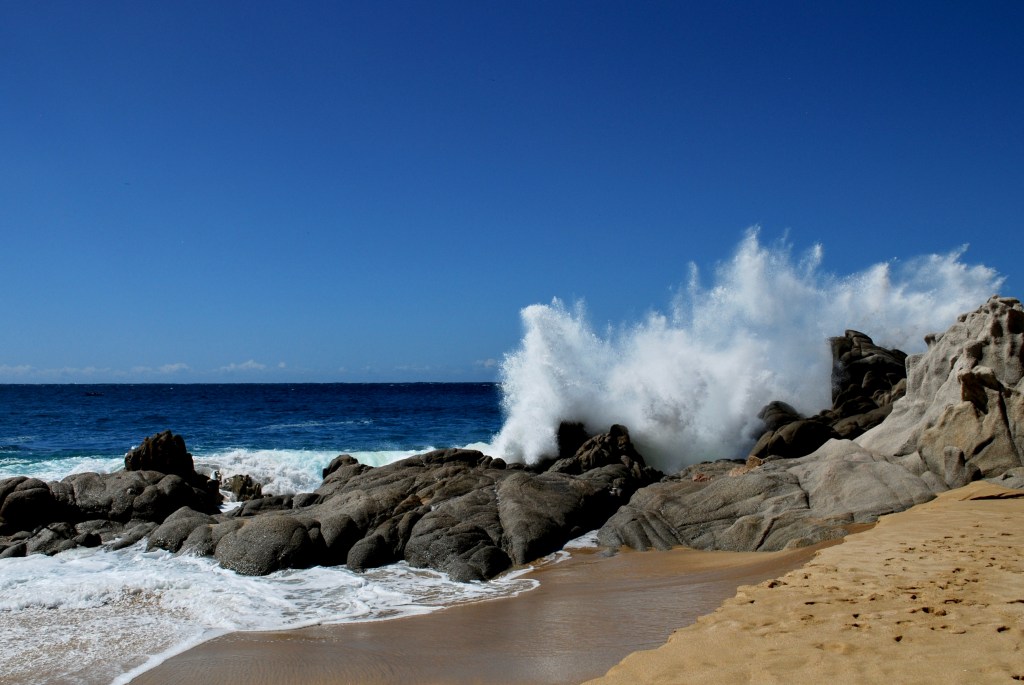




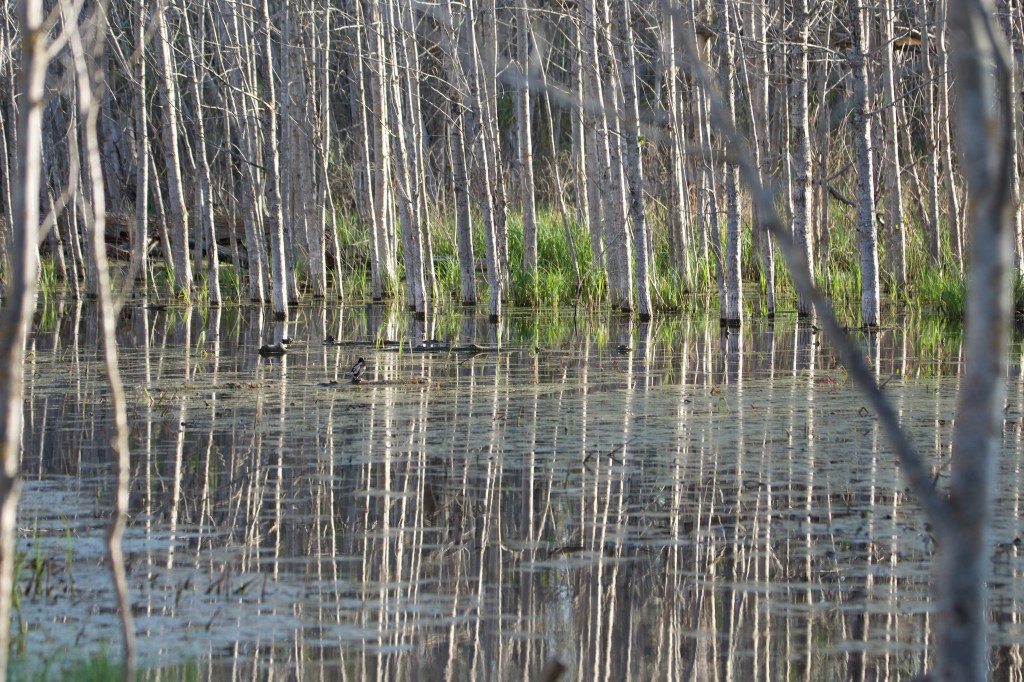
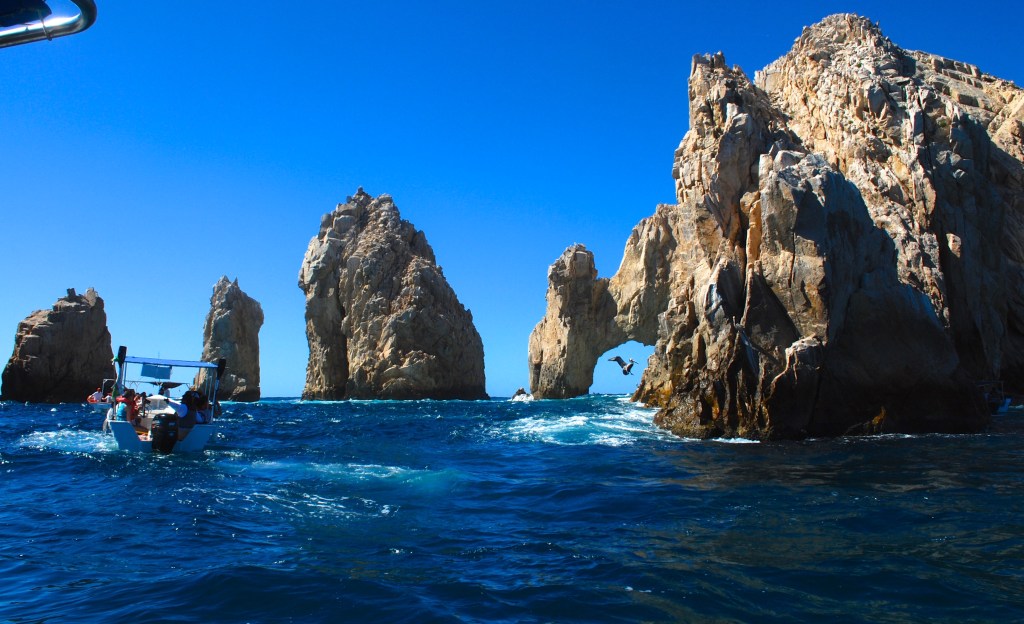

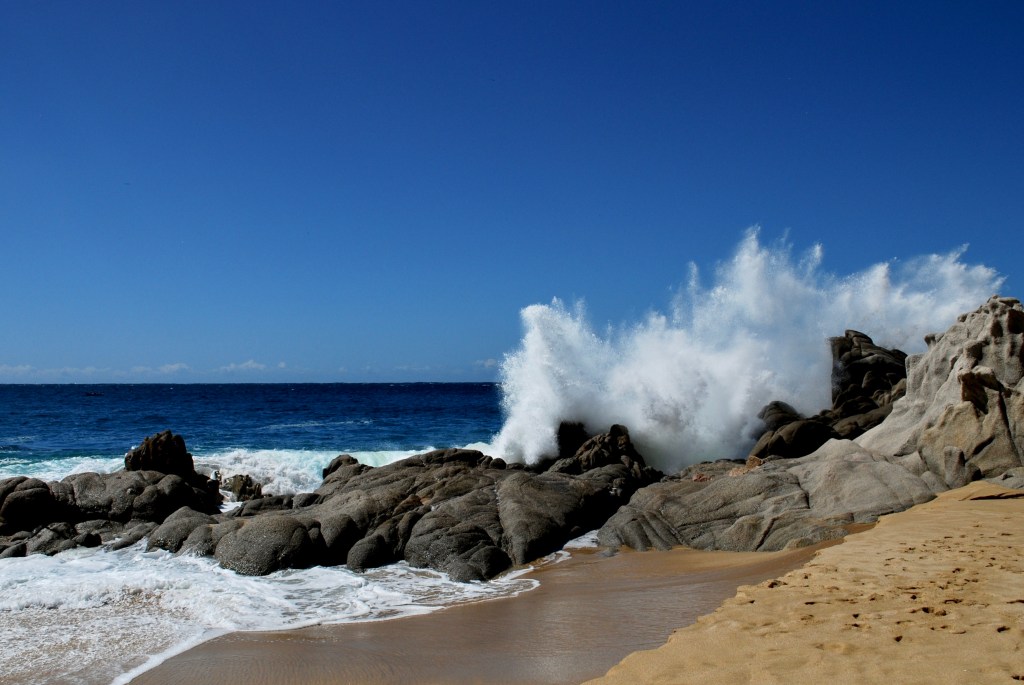




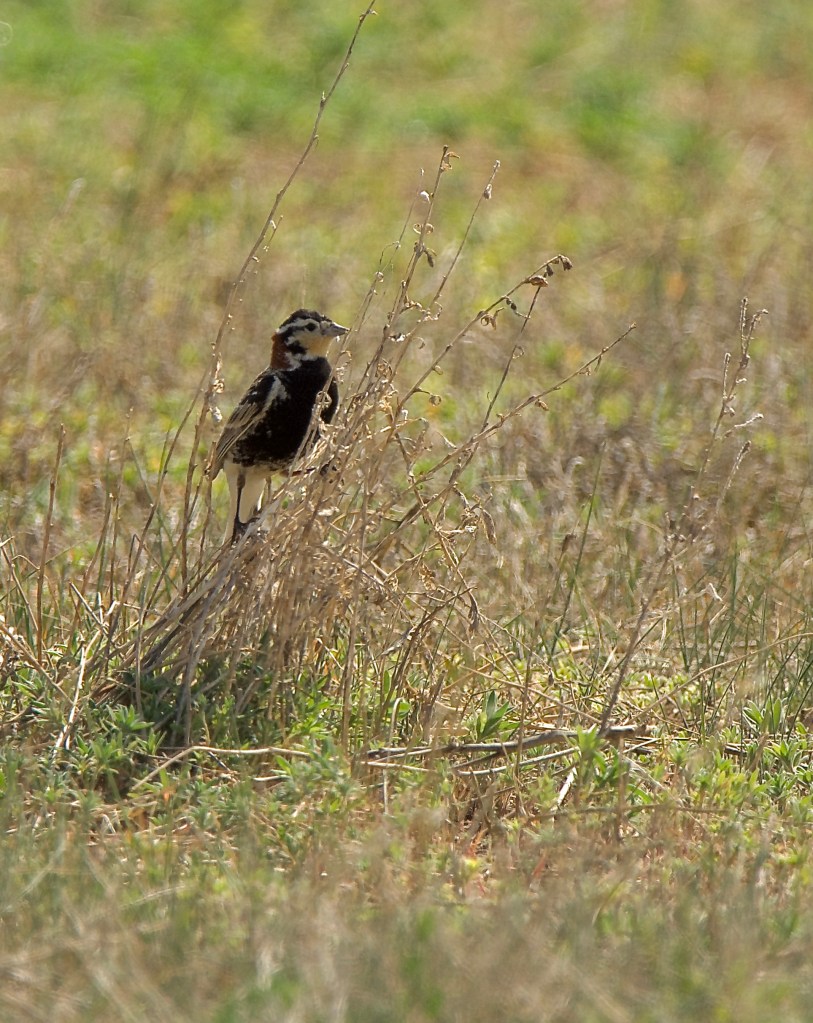
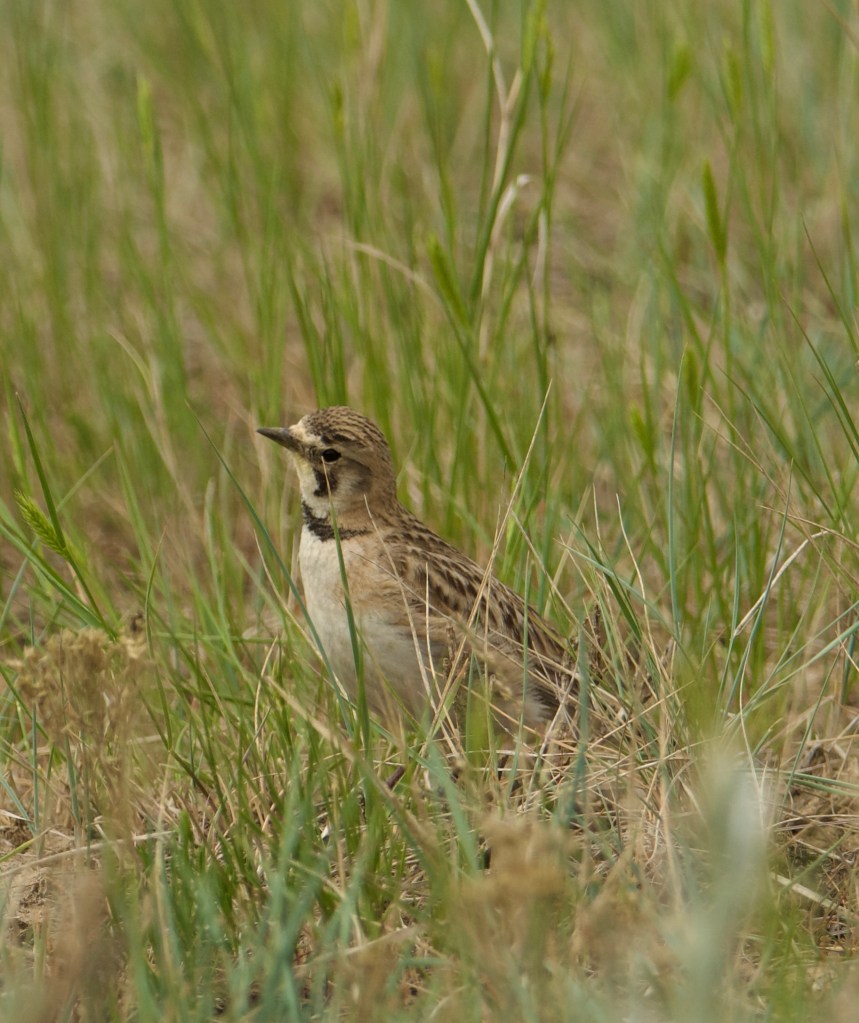
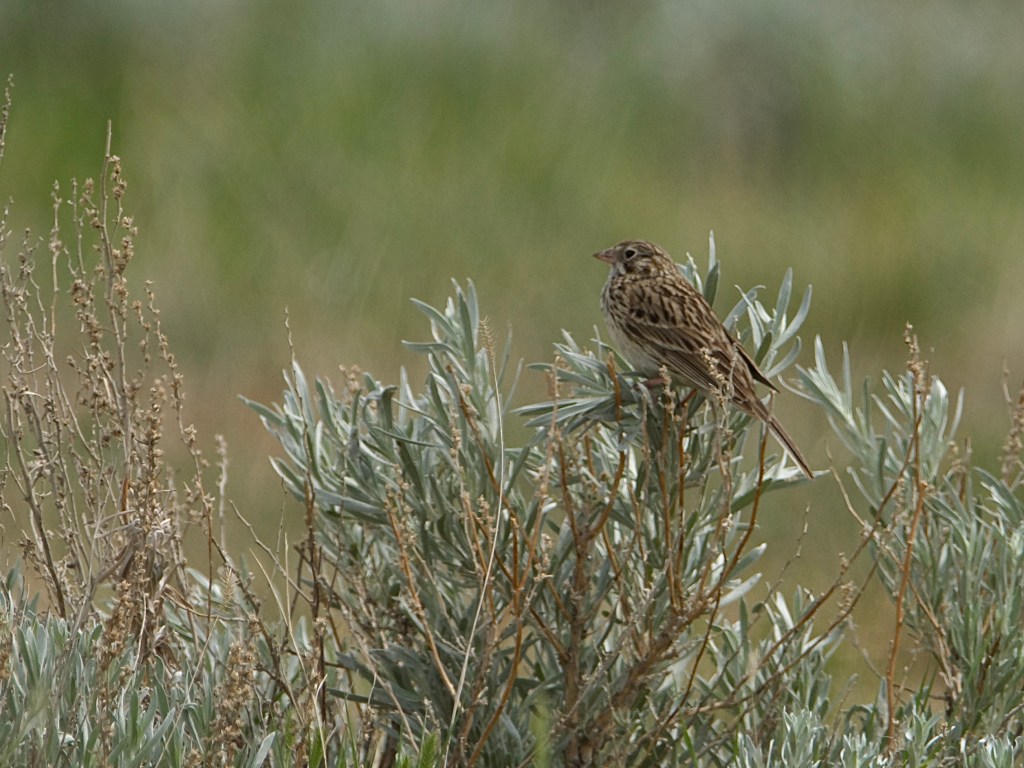









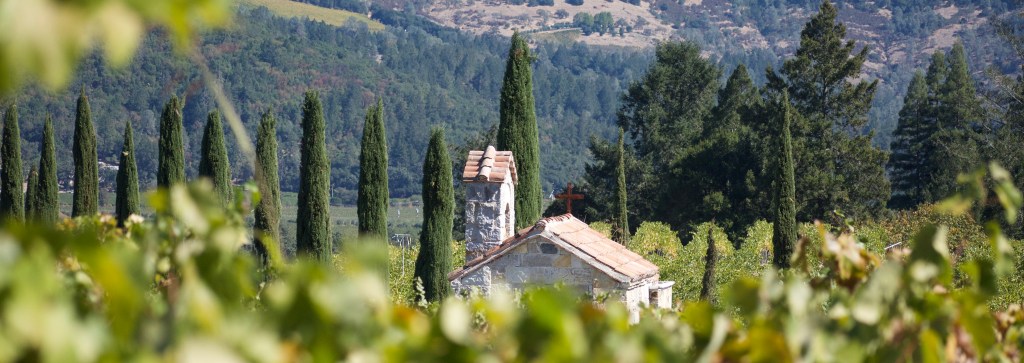




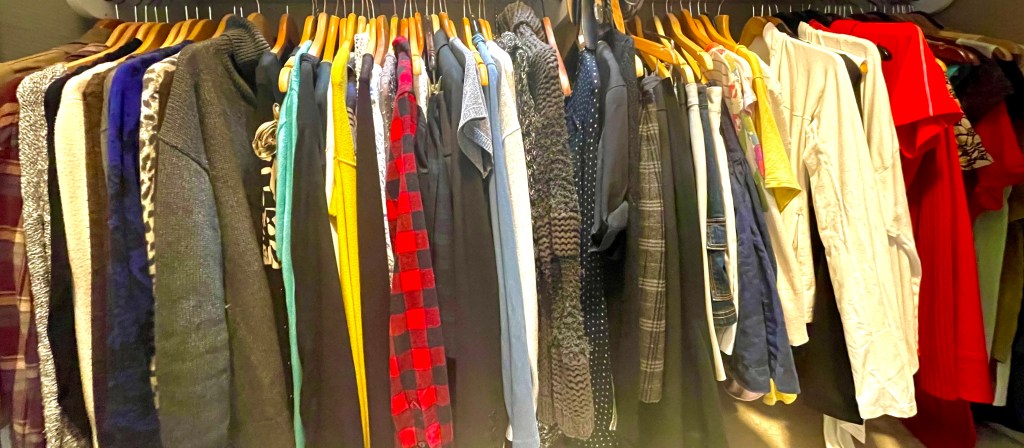




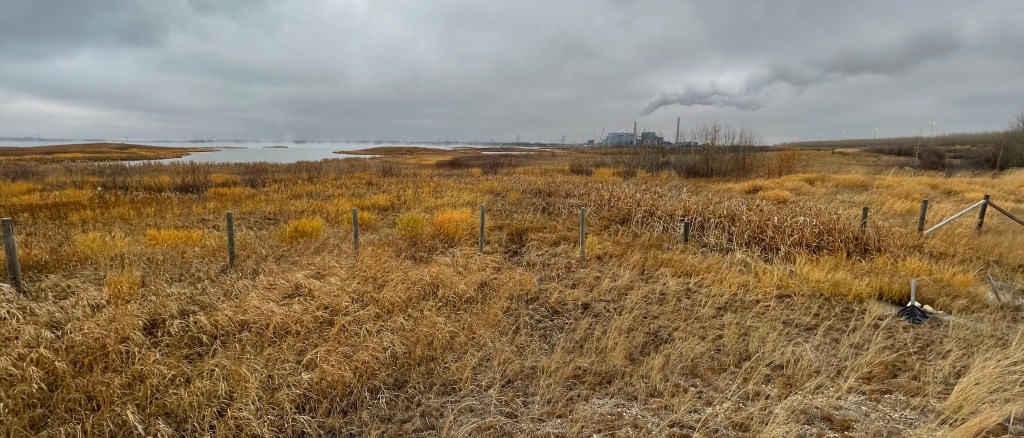
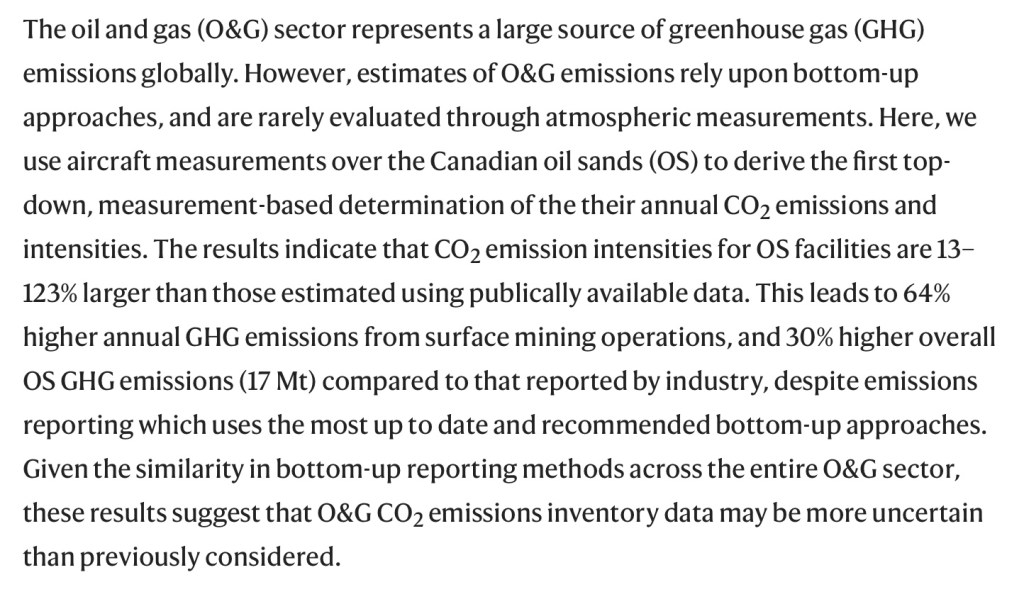



























 FRIENDS4TREES4LIFE