Empowering Personal Climate Action Via Tree Planting
Author: Catherine/Lucia
We are two Canadian friends, who have a personal climate action plan: plant a tree, and encourage others to take action too, so we can make a difference in keeping Planet Earth livable for future generations to come.
These Home Energy Toolkits became available at the Edmonton Public Library in 2016. It was exciting to pick up such and elaborate kit of books and devices that help you make your home more energy efficient. Allan took a liking to it right away and is planning to insulate the hot water pipes. We charged up the infrared thermometer and walking around the house checking for cold spots and have already done the toilet leak test, and as a result of a slow leak we had suspected but ignored, we have ordered an efficient dual flush toilet. So many gadgets and books and videos are included in this heavy suitcase that 3 weeks on loan is not really long enough but it is extremely user friendly. It seems too good to be true that they would lend out such valuable gadgets. Here are some photos. Catherine says she will recommend this kit to the Toronto Public Library.
The Toilet Leak Test
Here is how to do the quick and simple Toilet Leak Test (Epcor Water):
Remove the tank lid, then flush.
After the flapper/tank ball drops and the tank refills, add several drops of dark food colouring.
Wait at least 20 minutes without flushing. Look in the toilet bowl and if any trace of color appears you have a leak. I saw a leak immediately, so did not have to wait.
Conserving water is important on so many levels. Roughly 27% of water usage in a household is with flushing toilets. There are energy/resource cost savings in many ways, with the treatment of water, delivery of water, use of the water and drainage of water. By developing a sustainable relationship with water we can ensure the supply of clean water for future generations and for nature. This toolkit looks into detail of our water use on so many levels. For example it takes about 1850 gallons of water to produce one pound of beef, but only 295 gallons of water to create a soy burger.
Amanda Gorman’s Poem “Earthrise” is Inspiring-Check it Out
This wide-reaching, multi-year program is designated to break the silence around mental illness. Connecting with family and friends can lift spirits and is good for our health and well being. When it comes to mental health, now more than ever, every action counts. If you need support, call a friend or family member or help line. We are all here to listen. And, when our emails, texts, tweets, and Instagram messages include #BellLetsTAlk, then Bell will donate 5 cents per message towards this cause. Win Win. Have a great day!
To: The Minister of the Environment and Climate Change, Jonathan Wilkinson,
I am writing to you, as a concerned citizen, about the issue of CLIMATE CHANGE. I take seriously, as I know you and our government do, the warnings of scientific research that dramatic and deep cuts in greenhouse gases are required to minimize the dangerous effects of climate change.
With this in mind, I feel it is vitally important that our government deliver on its promises and create real accountability, measurability and transparency for Canadian climate action – with legislation which will ensure that this government and successive governments deliver on Canada’s climate targets.
I read recently: “The Canadian Net-Zero Emissions Accountability Actwas introduced in Parliament and is an important part of Canada’s work to address the threat of climate change and bring together innovations from across the financial sector, businesses, communities and Canadians themselves. This legislation would legally bind the government to a process to achieve net-zero emissions by 2050 and require the government to report annually on key measures that the federal government, including Crown Corporations, has taken to manage climate-related financial risks and opportunities.” (This is from the fall Speech from the Throne https://bit.ly/37rq0gy.) This all sounds excellent.
In terms of “accountability”, I would like to see the Canadian government prepare and make transparent 5 year carbon budgets/targets. Most of the plans set by government in the fall Speech to the Throne have only 10-11 year timelines attached to them such as in the case of 1. The planting of an extra 2 billion trees, 2. The plan to restore our ecosystems, and 3. The new solution plans for agriculture. There is a proposed 7 year plan for providing grants to home owners to make their homes more energy efficient. But what if I want to start now on making my home efficient, where is the incentive? A proposed $25 million is earmarked to bring clean power to more communities by investing in predevelopment work for large scale transmission projects, but no timeline was given to this most important plan. Is there a timeline for this that I am not aware of? The one goal that the fall Speech from the Throne set within the next 5 years is the 3 year plan for infrastructure to be in place to support electric vehicles. That particular goal feels concrete and attainable and that is the type of action I am seeking as a potential consumer of an EV. So, you can see, what the government sets in place affects my personal choices.
Other countries around the world, like the UK and Finland, are putting in place the transparency and accountability measures used in financial planning– budgets, independent audits, long and short-term plans and their track record is clear. Countries with rigorous climate change accountability measures are already achieving their greenhouse gas reduction targets.
Canada has the opportunity to show itself as a climate leader. Let’s embrace that.
Sincerely,
Lucia MacQuarrie
Would You Like to Join Me in Taking Action?
Maybe you would like to copy and paste/edit this letter, or write your own, and join me in connecting with our politicians about taking more concrete measurable, accountable, timely, and legislated action on the climate crisis. There is no vaccine to save the planet.
Do it for the future generation. Photo credit Lisa
A Climate Emergency is “a situation in which urgent action is required to reduce or halt climate change and avoid potentially irreversible environmental damage resulting from it.” A climate emergency declaration is an action taken by governments and scientists. “The announcement of this word as word of the year in 2019 comes after a year of heightened urgency over the climate crisis, with global youth climate strikes, massive civil disobedience and after an alarming report from an international body of scientists, the Intergovernmental Panel on Climate Change (IPCC). “The climate crisis is becoming increasingly urgent and the latest declaration from Oxford Dictionaries reflects this urgency, as well as a growing public consciousness over the impacts of climate change,” said Tracey Ann Ritchie, vice president of programs and partnerships at Earth Day Network. Oxford’s data showed that the use of “climate emergency” increased 100-fold (10,796%) over the course of the year.”
This map shows countries where a climate emergency has been declared, either for the entire country (dark blue) or only for some subdivisions (light blue), as of October 2019.
As of December 2020, 33 countries out of 197 have declared a climate emergency, and 1800 local governments, have done so as well. The countries who have declared an emergency are most of the European countries, as well as South Korea, Japan, New Zealand, Argentina, the Maldives, Bangladesh and Canada.
“A scientific report for Environment and Climate Change Canada found that Canada is warming up at twice the rate of the rest of the world and that the warming effect is “effectively irreversible.” More than 40 scientists worked on the report. They said that Canadians will end up with 10 times as many deadly heat waves and twice as many extreme rainstorms if nothing is done to reduce greenhouse gas emissions. As a result the Government of Canada voted and declared a Climate Emergency in April 2019. The motion described climate change as a “real and urgent crisis, driven by human activity, that impacts the environment, biodiversity, Canadians’ health and the Canadian economy.”
“Once a government makes a declaration, the next step for the declaring government is to set priorities to mitigate climate change, prior to ultimately entering a state of emergency or equivalent. In declaring a climate emergency, a government admits that climate change (or global warming) exists and that the measures taken up to this point are not enough to limit the changes brought by it. The decision stresses the need for the government and administration to devise measures that try and stop human-caused global warming.”
Out of 197 countries in the world, 113 have pledged to be carbon neutral by 2050. This means that 50 per cent of the world’s gross domestic product, and about 50 per cent of global carbon dioxide emissions, are now covered by a net-zero commitment according to the U.N. Only about 9 countries have actually set in law this commitment: Sweden, UK, France, Denmark, Hungary, New Zealand, China, Japan and South Korea.
Two countries are already carbon neutral, Bhutan and Suriname. Next leading the way towards improvement is New Zealand who promises its public sector will be carbon neutral by the year 2025. The next most ambitious countries are Ethiopia by 2030, Finland by 2035, Iceland and Austria by 2040, Sweden and Scotland by 2045. Most of the other pledging countries have plans to be carbon neutral by 2050 and this includes Canada. Two countries have pledged carbon neutrality by 2060 (10 years past the expected deadline) China and Brazil.
Canada
In the case of Canada this commitment is still in the “discussion phase”. On September 23, 2020, the federal government pledged to legislate its goal of making Canada carbon neutral by 2050. We find it interesting that Canada has gone so far as to declare a climate emergency, but has not yet set in law action to achieve carbon neutrality. In our December 3rd blog we outlined the details of Canada’s “Building Back Better” action plan that was announced in the fall from the Speech from the Throne. It is an ambitious plan, but still we look for more concrete action. From “Build Back Better” Lucy is encouraged especially about the concrete action now being taken to support electric vehicles.
A few notable countries have not joined in the world vision with the Paris Accord: USA, Australia and India.
In the USA the states of New York and California have committed to carbon neutrality by 2050. President Elect Joe Biden has also made this commitment and plans to join again the Paris Accord. It seems that Justin Trudeau is eager to work with Democratic Leader Joe Biden, and this transition cannot come soon enough! Trudeau tweeted “We’ve worked with each other before, and we’re ready to pick up on that work and tackle the challenges and opportunities facing our two countries — including climate change and COVID-19.”
In an article by Reuters, Australia, Prime Minister Scott Morrison says “Australia will set its own policies”. He is not following suit setting goals to be carbon neutral as have his neighbours Japan, South Korea and China even though most of Australia’s exports of Liquid Natural Gas, Iron Ore and Coal are to these countries. “If there is a positive, it’s that Australia’s resource companies are likely to embrace a carbon-neutral future, even if it is without support from the federal government.” Also 4 states in Australia have committed to being carbon neutral by 2050.”
In the case of India, the third largest emitter of GHGs, setting such a goal of being carbon neutral by 2050 is very challenging as this is still a developing country. This Bloomberg report goes into the details of the GHG challenges facing this country: https://cutt.ly/Gjppvmh
Electric Vehicles Timeline in Canada
In the budget speech Canada pledges to build on current investments in zero-emission vehicles infrastructure by providing an additional $150 million over the next 3 years to help ensure that charging and refuelling stations are available and conveniently located where and when they are needed. Canada projects we will have 10% EV by 2025, 30% by 2030 and 100% by 2040 in line with a pledge already made in B.C. Recent data from Transport Canada indicates the country is already falling behind on its timeline since not enough is being done to incentivize and educate consumers. In line with California, Quebec is banning a sale of new gas run vehicles by 2035.
The Arctic ice is receding each year, but just as irreplaceable is the culture, the wisdom that has allowed the Inuit to thrive in the Far North for so long. And it’s not just the Arctic. The whole world is changing in dangerous, unpredictable ways. Sheila Watt-Cloutier has devoted her life to protecting what is threatened and nurturing what has been wounded. In this culmination of Watt-Cloutier’s regional, national, and international work over the last twenty-five years, The Right to Be Cold explores the parallels between safeguarding the Arctic and the survival of Inuit culture, of which her own background is such an extraordinary example. This is a human story of resilience, commitment, and survival told from the unique vantage point of an Inuk woman who, in spite of many obstacles, rose from humble beginnings in the Arctic to become one of the most influential and decorated environmental, cultural, and human rights advocates in the world.
First of all Happy New Year and a warm welcome to 2021. We are happy to say good bye to 2020 and let’s hope this new year sees a quick recovery from COVID 19 with the vaccine. In the meantime, stay safe everyone.
This blog focuses on personal commitments to our climate emergency. In this blog Lucy will look back at her New Year Resolutions from last year and see how she has done, and also look at new goals for this year, with the basic goal of trying to reduce her carbon footprint by at least 8% a year for 8 years so she is living sustainably. She will also look at some different carbon calculators including a cool site called Project Neutral.
No one can do everything, but everyone can do something!
According to Project Neutral, based out of Ontario, “Together, we can create a beautiful future powered by clean energy and a new generation of climate optimists. Climate change is real, it’s a big deal and it’s happening right now. It’s causing bigger storms, it’s affecting our economy and it’s impacting our health. Together, we can take action on our climate impact and “be the change” that supports a pollution solution. When you take action in your home and community towards a clean energy future, you make a positive difference in your household and for our planet.”
Project Neutral reminds us that “You can make a difference by:
Directly reducing your greenhouse gas (GHG) emissions through energy saving home improvements and active, healthy habits.
Sharing your low-carbon lifestyle with friends and neighbours. Believe it or not, telling others what you’ve done helps make low-carbon living the new normal.
Getting together with your community to support meaningful climate action from political and corporate leaders.
Small changes you make at home have ripple effects that add up to big impacts for the planet. Learn more about greenhouse gasses and what causes climate change. Project Neutral’s award-winning carbon calculator gives you the tools to understand your climate impact and what you can do about it.”
Project Neutral is a project on MakeWay’s shared platform, which provides operational supports, governance, and charitable expertise for change makers. The shared platform enables more time and money to go towards achieving greater impact. Make Way is a national charity that builds partnerships and solutions to help nature and communities thrive together.
While navigating their detailed carbon calculator, Lucy was most impressed with the suggestions that were offered of how to “take action” in each of the categories of Home Energy, Food, Waste, Daily Transportation, and Travel.
What changes will help the most?
The best climate actions are the ones that will bring additional benefits to you and your community. Adding insulation to your home will make it more comfortable. Hopping on your biking to enjoy a healthy activity will improve the air quality in your neighbourhood.
Discover where you’ll have the most impact by looking at your dashboard results. Where do you see the most colour in YOUR results, especially when compared to the average household? Now, check the legend for its corresponding impact activity to see where a small change in your choices could have the most benefit.
Here are some easy ideas to get you started:
Home Energy
Simple and inexpensive options
Install LED lightbulbs
Install low-flow shower heads
Close your blinds on hot days
Lower your water heater’s temperature
Bigger projects
Install a smart thermostat to avoid heating/cooling your home when no one is there
Keep heated/cooled air inside by sealing air leaks, insulating your walls, attic and foundation, and/or replacing old doors and windows
Upgrade to a high efficiency furnace
Switch to ENERGY STAR® rated appliances including water heaters, air conditioners, kitchen appliances, washers and dryers
Daily Transportation and Travel
Walk or bike whenever possible!
Take transit whenever you can avoid being in a private vehicle
Carpool, or use ride sharing and bike sharing programs
Check the air pressure in your vehicle’s tires and inflate them as recommended by the manufacturer for better fuel efficiency
Reduce driving time on individual trips by grouping your errands together
Reduce the number of airline flights you take
For flights you must take, consider buying high-quality carbon offsets
Food Choices
Carbon emissions from livestock are similar to transportation carbon emissions: they are very large. Eating less meat and dairy by adopting a more plant-based diet can reduce your carbon impact from food, often quite significantly.
Choose local food that has travelled fewer kilometres to your plate. Canadian food isn’t always the most local option: produce grown in some U.S. states might have shipped closer to home than produce shipped from across the country.
Recent studies show that the type of food and how it’s produced are more important factors in determining its GHG emissions than the distance it traveled. This Worldwatch Institute article, Is Local Food Better? provides a good summary of research on, and reviews the connection between, GHG emissions and food.
Land use for cow pasture and livestock feed
Waste
Freeze last night’s leftovers for a great lunch later in the week and avoid throwing out spoiled food
Compost food waste to keep it out of landfill, where it turns into highly-polluting methane gas
Know where it goes: use your municipality’s online search tool to identify whether items can be composted, recycled or trashed
Donate gently used items to so they can be re-used, and you’ll reduce demand for newly manufactured items as well
These ideas are just a start. You can also take advantage of rebates and incentives and local climate action programs. Don’t be shy! Share your favourite low-carbon action and why it works for you on your preferred social forum. Be sure to tag @ProjectNeutral on Facebook, Instagram or Twitter when you do! Lucy is now following ProjectNeutral on Instagram.
According to an article in the Washington Post, “the world’s rich need to cut their carbon footprint by a factor of 30 to slow climate change, U.N. warns, in order to help put the planet on a path to curb the ever-worsening impacts of climate change, according to new findings.”
“Currently, the emissions attributable to the richest 1 percent of the global population account for more than double those of the poorest 50 percent. Shifting that balance, researchers found, will require swift and substantial lifestyle changes, including decreases in air travel, a rapid embrace of renewable energy and electric vehicles, and better public planning to encourage walking, bicycle riding and public transit.”
“We better make these shifts, because while covid has been bad, there is hope at the end of the tunnel with a vaccine,” Inger Andersen, executive director of the U.N. Environmental Program, said in an interview. “But there is no vaccine for the planet.“
“Bending that disturbing curve in a more sustainable direction will require fundamental, unprecedented changes on the part of leaders around the globe. But as Wednesday’s report makes clear, individual behavior also has a role to play. And the wealthy — whom the report defines as those with the highest 1 percent of incomes globally, or more than $109,000 per year — bear the greatest responsibility for helping fuel such a shift. (The “1 percent” in the United States, a wealthy country, are considerably richer than average, with annual household incomes above $500,000.)”
Photo credit Jim
“Wealthy people are more likely to travel frequently by car and plane and to own large, energy-intensive homes. They tend to have meat-rich diets that require large amounts of greenhouse gases to produce. They buy the bulk of carbon-costly appliances, clothing, furniture and other luxury items.”
“Residents of the United States — the world’s largest historical source of planet-warming emissions — have some of the most carbon-intensive lifestyles. The carbon footprint of the average American is about 17.6 tons of carbon dioxide equivalents a year, about twice the footprint of a person living in the European Union or the United Kingdom, and almost 10 times that of the average Indian citizen’s 1.7 tons annually.”
“Still, this year’s pandemic might offer clues about how humans could achieve those cuts, Menon added. People are flying less, teleworking more and making fewer luxury purchases. “The question is, how do you keep these new behaviors we learned this year, but in a more sustainable way?” she said.”
Lucy’s Annual Climate Change Commitment and Review
This is what Lucy wrote a year ago:
“For 2020 Lucy has decided to go vegetarian, although is debating still about whether to completely remove fish from her diet immediately. She has decided this year to keep the thermostat below 20 degrees (or in the hot weather, keeping it above 25 degrees) , and to not use the drier but hang all the clothes, (except sheets in the winter), and to take short showers, with fewer baths. She is conscious of buying only the things she needs, like things that are worn out and need replacing. Buying used is basically guilt free. Lucy has replaced all the lights in the Phoenix house with LED and will look to see which lights need changing in Edmonton. These steps alone, she thinks, will decrease her carbon footprint about 8-10% this year. If she decreases 8% every year for the next 8 years, she hopes to cut her carbon footprint in half.”
How did she do?
Vegetarian: Lucy planned to go vegetarian. This quickly changed to pescatarian, with the occasional indulgence in chicken wings. Then she realized that by being pescatarian, her partner Allan also became mostly pescatarian, with occasional bacon on the side! So that was a bonus that two of us changed our eating habits, simply because we share meals. So Lucy does not feel bad about the inclusion of chicken on occassion. Allan’s vegan daughters are thrilled that Allan has made this shift, even though he did not plan for it.
Thermostat below 20 degrees. Lucy and Allan have kept the thermostat at 20 degrees, as 19 degrees feels cold, even with sweaters layered up. Lucy finds she uses a heated wheat bag, and a blanket on the couch as well. The problem is once she gets under that blanket, she can’t get back out!!!! And it is tempting to take more hot baths when one gets chilled! This is a challenge for Lucy who is a heat seeker, but 20 is better than the 21-22 we had the thermostat set at.
Hang clothes to dry: Lucy and Allan did this during the warmer weather. Allan does not like how stiff his clothes are, so this is not going as smoothly as we wished. Time to get back on track!
In terms of buying only what she needs, Lucy feels she has done quite well. She spent only 1/3 of her normal budget on clothes. Unintentionally she did find some great hiking boots and rain boots at a second hand store, and is so thrilled with how they have worked out. She did spend most of her splurging this year on creating a vegetable garden, so let’s hope it reaps a lot of food for years to come. In general she does not buy books, but lends from the library. She did indulge in a bird bath, so am not sure that was a “need”! Just paying attention to one’s shopping habits is a win. Being home all the time this year has led to wanting to spend on one’s space. It is interesting how somehow we have been programmed to want something different to look at, and get bored with the same things around us……not sure if that is we have become accustomed to, or a first world issue, but it is something to be aware of. Lucy has been moving things around in the living room to jazz things up, fitting in some of the art that was in Phoenix, and selling off other pieces on Facebook Marketplace.
LED bulbs: We changed out almost all the light bulbs in our Phoenix and Edmonton home. This is a bigger project than we expected as there are so many types of lights in our house, and some bulbs are rare or hard to find in LED. It took several visits to the hardware store and shopping online.
Since starting this blog, Lucy offset carbon emissions of each of the 2019 and 2020 flights by purchasing $50 worth of trees. That helps somewhat with the guilt.
Research: Lucy also did research on buying an electric car. In Alberta we still need more infrastructure for the electric car, and she would like to see continued improvement in the life of the rechargeable battery, and in Alberta we need to be creating electricity with cleaner means before this choice will be viable for her, so she will look at this option again for 2023. For now, driving less is the best option. Lucy has been walking to the library, a distance she used to always drive; baby steps in letting go of the car addiction. It was interesting to read that 99% of people who buy EV never want to go back to fuel run vehicles.
Of course this blog that Lucy shares with Catherine is another way for us to make a difference by encouraging others to think about the sustainability of our planet and how to better take care of it for generations to come.
Like everyone, Lucy and Allan embraced the concept of a staycation because of COVID. We have gone to tour our local new library, museum, art galleries, and botanical gardens with friends. Many people are taking up camping again, and we enjoyed going to Jasper, and driving to friend’s cottages and to B.C.
So Lucy would say she was quite successful meeting these goals. Then COVID hit and she did even better! We additionally stayed home a lot, did not drive our cars much, took only one flight all year, and sold our second home in the USA and suddenly Lucy (and likely all of us) far surpassed her goal of dropping 8% carbon production over the year. Lucy realizes, realistically, she will likely get back to taking flights to see family and to travel in future, but is sadly aware that the flights are such a big carbon problem. This is her weakness!!!! It is surprising that she used to be proud that she liked having the experience of visiting other countries and cultures, and prided herself in prioritizing that over material goods, only now to realize that flights are just plain bad for the planet. But, for today, Lucy feels very good about the results of 2020. She more than achieved her goals.
Lucy Tracking her Carbon Footprint on climate.org and Project Neutral
Project Neutral Carbon Calculator for Lucy 2020
Project Neutral Carbon Calculator 2020 for Lucy
Lucy’s Goals for 2021:
Lucy plans to research and implementing increased insulation in the house, and having more energy efficient toilets. She vows to always walk to the local plaza to the drug store or for a few items at the grocery store, and ride her bike to the local market for local produce each Wednesday in the nice weather with Allan who has a pannier on his bike. She will keep growing vegetables, learning from her experience last year, and there is much to learn! She plans to get back to hanging the laundry. She wants to somehow apply the concept of buying only what you need to her gift choices, like buying consumable items. Also, she will try to fly only one return trip a year, rather than two……but she is not sure at all how that will go, because she flies to see family and to travel. Luckily as we age we will likely want to stay closer to home.
As great as Lucy feels she is doing, she sees from the Project Neutral carbon calculator, in the table above, that she is still above average in her carbon score of 13.7 so there is still lots of room for improvement. She prefers the score she got on myclimate.org of 8.3. Next year Lucy will likely try one of the ones Eco Warrior Princess’ calculators listed in the next section: ‘carbon footprint.com’ This EcoWarriorPrincess has a carbon footprint of about 5!
Photo credit Janet
EcoWarrior Princess on Carbon Calculators
In her research Lucy came across a blogger called the Eco Warrior Princess from Australia and she has “road tested” 4 different carbon calculators. This Princess takes the seriousness of carbon capture to a whole new level, so it was interesting to read what she has to say in response to the question “Just how sustainable is my lifestyle really?”.
“There is a tool that helps individuals quantify the environmental impact of their lifestyle choices and it’s called a carbon calculator. For green living enthusiasts, environmentalists and new sustainability advocates, this tool is an essential part of a ‘sustainable lifestyle tool kit’ as it helps you understand your impact and identify ways to further mitigate your greenhouse gas (GHG) emissions. With a plethora of carbon calculators offered online, I road test four popular ones to determine how they work, what my annual carbon emissions are and the essential differences between them, their pros and cons, the way they make comparisons between you and the average citizen…”
4. Carbon Neutral Charitable Fund (CNCF) Carbon Calculator
“While carbon calculators help to quantify the environmental impact of your lifestyle, the results vary depending on the methodology, assumptions and data used by each organization. If you are offsetting your carbon emissions I would recommend erring on the conservative side and using the highest GHG emissions you’ve calculated as basis for your carbon offset (like I did). This way you are doing more than enough to mitigate your climate impact so that instead of being carbon neutral, you are closer to being carbon positive.”
“Want to take the next step and offset your carbon emissions? Need information about the best carbon offset programs? This detailed post about carbon offsetting will help.”
“Need to reduce your carbon emissions further? Check out these tips to help you live a zero waste lifestyle.”
To learn more please check out eco warrior princess at this site:
We start our holiday Blog post with a good news tree story. But, of course! It’s all about the trees!
A Win for Concerned Citizens in Action – Hurrah!
Imagine what it takes to keep your unwavering focus on the seemingly elusive cause of saving Toronto’s oldest tree….for 14 years!
Imagine being a six-year old who loves this 250 year old red oak and wanted to help.
Meet Sophie Maiolo, now nine, and Edith George, local Toronto heroes (and Junior and Senior Loraxes), who with champion donors Mark and Ben Cullen, and Ed Clarke, and together with more than 1300 other concerned citizens rallied behind a shared goal, and on November 26, succeeded, thus saving one of Canada’s oldest trees, for the benefit of the whole city of Toronto for generations to come.
Thanks to Nora for celebrating this success story with us. To read about Edith’s long journey, begun in 2006, and to see photos of this much beloved red oak (Quercus ruba) with its amazing 17-foot circumference and 78-foot wide span, see this inspirational Toronto Star piece about individual citizens joining up and making a difference https://bit.ly/37o2xOC
And here’s a news piece with tree photos on Toronto Council’s decision as featured on the GoodNewsNetworkhttps://bit.ly/3noyax1
Brings to mind one of Catherine’s favourite quotes, by Margaret Mead – “Never doubt that a small group of thoughtful, committed citizens can change the world: indeed, it’s the only thing that ever has.”
Making positive change for Planet Earth and one another, one tree and one forest at a time….
Thank You
It warms our hearts to hear that our Blog has inspired some of you to give the gift of trees this season. Thanks to Linda for bringing to our awareness an organization she supports inspired in part by our Blog – Chalice, which sponsors international aid projects that are ‘fighting hunger by planting fruit trees,’ – awesome cause! https://bit.ly/3nAgfDm
Good Reads
Others are raising their voices (and our awareness) on tree-themed or environmental topics through their written word. Just in time for the holidays, whether for gifting or for your own reading pleasure, here are some recent book ideas that have come across our (virtual) desks, with thanks to friends and readers for alerting us to them.
Bridget George’s It’s a Mitig! “guides young readers through the forest while introducing them to Ojibwe words for nature. From sunup to sundown, encounter an amik playing with sticks and swimming in the river, a prickly gaag hiding in the bushes and a big, bark-covered mitig.”
“Featuring vibrant and playful artwork, an illustrated Ojibwe-to-English glossary and a simple introduction to the double-vowel pronunciation system, plus accompanying online recordings, It’s a Mitig! is one of the first books of its kind. It was created for young children and their families with the heartfelt desire to spark a lifelong interest in learning language.” (Goodreads: https://bit.ly/3agsf9A)
Canada’s Jessica J. Lee recently won the 2020 Hilary Weston Writer’s Trust for Non-Fiction award for her book, Two Trees Make a Forest: Travels Among Taiwan’s Mountains & Coasts in Search of My Family’s Past.
CBC Books offers this introduction to the work:
“A chance discovery of letters written by her immigrant grandfather leads Jessica J. Lee to her ancestral homeland, Taiwan. There, she seeks his story while growing closer to the land he knew.”
“Lee hikes mountains home to Formosan flamecrests, birds found nowhere else on earth, and swims in a lake of drowned cedars. She bikes flatlands where spoonbills alight by fish farms, and learns about a tree whose fruit can float in the ocean for years, awaiting landfall. Throughout, Lee unearths surprising parallels between the natural and human stories that have shaped her family and their beloved island. Joyously attentive to the natural world, Lee also turns a critical gaze upon colonialist explorers who mapped the land and named plants, relying on and often effacing the labor and knowledge of local communities.” https://bit.ly/34e4ydW
Goodreads adds, “Interlacing a personal narrative with Taiwan’s history and terrain, Two Trees Make a Forest is an intimate examination of the human relationship with geography and nature, and offers an exploration of one woman’s search for history and belonging amidst an ever-shifting landscape.” https://bit.ly/3adVY2M
After watching this delightful interview with the author by Steve Paikin on The Agenda, Catherine immediately put a hold request for the book with the wonderful Toronto Public Library. https://bit.ly/3p1iHn3
She also was intrigued by this Steve Paikin interview with author James Raffan about his book Ice Walker, another book now on her holds list with the TPL: https://bit.ly/3oUhZrt.
Both books are profiled in this article in the Toronto Star on “Reads that are good for your environment,” together with:
– Robin Wall Kimmerer’s Braiding Sweetgrass,
– Julia Zarankin’s Field Notes from an Unintentional Birder, and,
Here’s a link to Allan’s guest blog review on the David Attenborough documentary by the same name -https://wordpress.com/post/friends4trees4life.com/2576
Documentary
Columnists Mark and Ben Cohen profile the documentary, “Kiss the Ground,” as an illuminating “…treatise to the value of soil as a key component in the battle against climate change.” (Toronto Star, December 5, 2020). We have made a note to ourselves to learn more about the soil and climate change connection in 2021, starting by watching this documentary, narrated by Woody Harrelson, on Netflix soon. Stay tuned.
Article
Thanks to Eileen for putting this excellent New York Times’ article on The Social Life of Trees and the work of Canadian scientist Suzanne Simard on our radar. As Eileen observes, the article is a a good follow up piece for anyone who has read Richard Power’s The Overstory. Another one on our ever expanding reading list!
To bring you our very best wishes for the Holiday Season, our goal for this Blog post is to flood all your senses with opportunities for joy. We will need you to help with your imagination and participation, please – our Blog platform doesn’t have an option yet for sharing joyful aromas, tastes and touches with you over the Internet!
Spicing Up The Season
They say that our sense of smell is one of the most powerful avenues into happy memories. Makes “scents” to us (sorry, Catherine couldn’t resist the bad pun opportunity).
Aromas and tastes that bring us happy associations with festive holiday gatherings over the years include:
Cloves, Cinnamon, Star Anise and Oranges – Ina Garten’s Mulled Wine Recipe https://bit.ly/3adjiOf
Chestnuts Roasting on an Open Fire
Clementines
Peppermint Candy Canes
We invite you to share with us the smells and tastes that evoke holiday happiness for you.
Nature’s Gifts of Joy-Canadian Winter Birds
Hygge – Feeling Cozy
“Pronounced “hoo-ga,” this Danish concept cannot be translated to one single word but encompasses a feeling of cozy contentment and well-being through enjoying the simple things in life.”
Here’s a cool job title – CEO of the Happiness Research Institute in Copenhagen. With jobs like that there’s good reason why Denmark is at the top of the list of happiest countries in the world! Then again, so is Canada! Hmmm, maybe it’s a northern climate, winter cozy kind of thing that’s a secret happiness ingredient?
This Country Living article offers the skinny on Hygge and ideas for eliciting more of it this winter — https://bit.ly/2KxkW2b
Delivering Joy and Hope During a Pandemic Holiday Season
Catherine is delighted and proud to discover her friends and neighbours, Nora and Ben, spotlighted for their acts of kindness in spreading holiday joy as featured in this CBC videoclip – perfect timing for our Blog post!
Setting up the decorations, Lucy planted the J block on the bottom as the first letter, building upward to spell “JOY”. Then Allan came over and said “What does “YOJ” mean”? So do we read up or do we read down? To this day, in our household, we sing “YOJ to the World”!
Songs of Joy
Beethoven’s Ode to Joy – Som Sabadell Flashmob Performance
Literally so joyful, and worth sharing this uplifting video again — https://bit.ly/3adWTAg
David Bowie and Bing Crosby – Little Drummer Boy (Peace on Earth) https://bit.ly/3agj0G7
Snoopy surely radiates the “joy of movement” in that Christmas Song videoclip!
Read Kelly McGonigal’s science-based book to learn how to fall in love with movement. She shares how “movement can and should be a source of joy,” and suggests a good place to start is with your favourite playlist, and to just get moving however it inspires….
“Through her trademark blend of science and storytelling, McGonigal draws on insights from neuroscience, psychology, anthropology, and evolutionary biology, as well as memoirs, ethnographies, and philosophers. She shows how movement is intertwined with some of the most basic human joys, including self-expression, social connection, and mastery–and why it is a powerful antidote to the modern epidemics of depression, anxiety, and loneliness.”
“McGonigal tells the stories of people who have found fulfillment and belonging through running, walking, dancing, swimming, weightlifting, and more, with examples that span the globe, from Tanzania, where one of the last hunter-gatherer tribes on the planet live, to a dance class at Juilliard for people with Parkinson’s disease, to the streets of London, where volunteers combine fitness and community service, to races in the remote wilderness, where athletes push the limits of what a human can endure. Along the way, McGonigal paints a portrait of human nature that highlights our capacity for hope, cooperation, and self-transcendence.”
“The result is a revolutionary narrative that goes beyond familiar arguments in favor of exercise, to illustrate why movement is integral to both our happiness and our humanity. Readers will learn what they can do in their own lives and communities to harness the power of movement to create happiness, meaning, and connection.” Goodreads: https://bit.ly/3oWxIGE
Here’s a fun bouncy K-pop song for the season that makes us smile and feel like dancing – aptly called Merry and Happy (2) by TWICE – Wishing you the “joy of movement” – https://bit.ly/3oUWw1x
A Wonderful World
We leave you with the winningest smile of that ambassador for joy himself —
“T’was a month before Christmas, And all through the town, People wore masks, That covered their frown.
The frown had begun, Way back in the Spring, When a global pandemic, Changed everything.
They called it corona, But unlike the beer, It didn’t bring good times, It didn’t bring cheer.
Contagious and deadly,This virus spread fast,Like a wildfire that starts,When fueled by gas.
Airplanes were grounded,Travel was banned,Borders were closed,Across air, sea and land.
As the world entered lockdown,To flatten the curve,The economy halted,And folks lost their verve.
From March to July, We rode the first wave,People stayed home, They tried to behave.
When summer emerged, The lockdown was lifted, But away from caution, Many folks drifted.
Now it’s November, And cases are spiking, Wave two has arrived, Much to our disliking.
Frontline workers, Doctors and nurses, Try to save people, From riding in hearses.
This virus is awful, This COVID-19, There isn’t a cure, There is no vaccine.
It’s true that this year, Has had sadness a plenty, We’ll never forget, The year 2020.
And just ‘round the corner, The holiday season, But why be merry? Is there even one reason?
To decorate the house, And put up the tree, When no one will see it, No-one but me.
But outside my window, The snow gently falls, And I think to myself, Let’s deck the halls!
So, I gather the ribbon, The garland and bows, As I play those old carols, My happiness grows.
Christmas ain’t cancelled, And neither is hope, If we lean on each other, I know we can cope.”
By: Shawna Hickling, Calgary, AB, Canada
November 19, 2020
Shining Lights to Brighten the Spirit
Photo credit Ava
We all are looking to find holiday spirit this year. This poem reminds me that the beauty of a day outdoors with snow falling on the trees and the twinkling lights on houses can give us some much needed joy, and bringing the beautiful light indoors by putting up a Christmas tree and lighting candles warms our hearts. Even bringing along a hot chocolate and going to see the festive lights around town is something that can bring joy. (Luckily with all the LED lights we do not have to worry as much about the energy being used.) These photos are from Candy Cane Lane in St. Albert this year. Thank you to Ava for sharing them.
Photo credit Lucy
Here in Edmonton, the winter city, we have a few light up Winter Wonderlands to walk through or drive through:
Zoominesence: A Festival of Lights until January 3 at the Edmonton Valley Zoo where you can skate, create a craft, admire the installations and generally brighten up your night. This festival celebrates light, artistry, imagination and the spirit of our winter community.
Photo credit Ava
Winter Wonder Forest until January 3 at Rainbow Valley Campground where you can look at the more than 115000 square feet of campground that is transformed into a breathtaking Holiday light display viewed from the warmth of your vehicle. You can book your spot at winterwonderforest.ca
Luminaria until December 31 at the University of Alberta Botanical Gardens where you can escape to an oasis of peace and light. Stroll the candle-lit pathways of the Kurimoto Japanese Garden, sip hot apple cider beside a bonfire, enjoy a cappella singers and spot snow sprites in the glittering ice sculptures.
We have just gone with our friends Liane and Terry to the Devonian Botanical Gardens for Luminaria and it was simply magical. There is a cost, and you need to book a scheduled time. It is stunning how many candles glow along the path in the Japanese garden. Here are some photos I grabbed of the lights.
I am certain every city in Canada has such adventures.
Memorable Experiences Outdoors
Ava’s children having a blast tobogganing Photo credit Ava
Other experiences we can share outdoors can include a simple walk, a snow shoe walk, skating, tobogganing, and cross country skiing. We can still enjoy the great outdoor togetherness, COVID has not taken that away from us! Lucy has several walking buddies which always makes the hikes more enjoyable. She also finally has linked up the Edmonton Public Library with an app to her phone (Libby by Overdrive) that allows her to walk while listening to library audio books. This gets her off the couch as she enjoys a good story, and usually makes her walk farther and get more steps! Walking in the Whitemud Ravine is known for its opportunity to see birds, so bring some bird seed and have a chickadee eat out of your hands. One time we had some seeds and shared them with a family with 4 little children and it melted our hearts to see how happy they all were having chickadees repeatedly land on their hands to feed.
Photo credit Lucy
This year when we are less likely to be able to sit around the table to dine together or around the tree to open gifts, we need to find these outdoor experiences to share time together. Lucy’s newest favourite saying is “There is no bad weather, just bad gear” so just bundle up. We are getting great use of our trekkers to put on our boots to avoid slipping. Other upcoming winter adventures to look forward to in Edmonton: from January 11-12 is the Deep Freeze Byzantine Winter Festival on Alberta Avenue and all of February is the Silverskate Festival at Hawrelak Park. And remember the joy of flapping arms and legs to make snow angels 🙂
Handcraft Some Awesome DIY Gifts
Photo credit Lucy
Everyone who has a hobby or talent might think about sharing them this year more than ever. There is nothing nicer than getting a home made piece of art from a child, a plate of baking from a friend, a knit scarf from your Mom, a family traditional dish from a friend. Some of our friends reading this blog may think we are writing this especially for them, but really we are not (wink wink nod nod)! Lucy loves having received anitpasto and home made jelly and hand crafted cards, and unique tree ornaments, and the videos of a song played on the piano or sung. Lucy’s Mom has dementia, and so we have been singing familiar carols while FaceTiming, (even though we do not all have great voices), and this has given us all great joy and a memory for a lifetime! Some of us have more time now to dust off our craft supplies or our baking trays and get creative.
Here’s one of Catherine’s favourite roasted nut recipes to fill your home with a welcoming warm aroma of brown sugar and rosemary for a tasty treat. A double batch might make extras and a nice gift for a friend or neighbour to enjoy too. Nigella Lawson’s Union Cafe Bar Nuts recipe: https://bit.ly/33Vlo1j
Photo from YAM magazine and photo by Lucy
Creating a thoughtful basket with favourite consumable products would be a lovely way to present your DIY gifts. We especially love nature projects, using evergreen boughs, twine and candles to create a beautiful table setting or door hanging to brighten up the season and bring some of the outdoors in. Lucy is now into watercolor painting and still makes jewelry, and cherry jelly, so she plans to gift these with family and friends.
A Year to Think About Others In Need
This year when so many people are struggling to feed their family, and we hear on the news about food scarcity, we can give of our time to create and deliver food baskets. We can donate to the Food Bank when we go to the grocery store or online. All charities are in great need, and if you missed Giving Tuesday last week, that is okay, because everyday is a good time to give. With this blog we are aware of more environmental causes that give back to Mother Earth such as “Trees Canada” where you can gift trees to your family and friends. You can donate to “4Oceans” to help clean up the plastics. Everyone has their favourite charities. Consider giving again for those who cannot give this year. Lucy just came across an Edmonton group on Facebook that is linking donors to families in need. It is called Reindeer Exchange, and the focus is providing gifts to the children in the family. We find giving back is so good for the soul, and brings happiness to others and to ourselves.
Re-Gifting
We have pre-arranged with some friends to re-gift books we have already read. It makes us happy to share a favourite read, and avoids the accumulation of books on the shelves to dust. In Catherine’s neighbourhood several houses have Little Free Libraries; another way for randomly sharing a good read while out for a walk. This re-gifting can also be a fun exchange at work, as we all likely have unused gifts at home to swap, and it takes all the pressure out of more serious gift exchanges. A can of spam was a memorable fun gift item Lucy recalls from a staff party almost 20 years ago.
If you are looking for some book ideas, here are a few favourite books that Lucy has recently read:
Anonymous Girl by Greer Hendricks and Sarah Pekkanen
Red Notice by Bill Browder
Born a Crime by Trevor Noah
American Dirt by Janine Cummins
Where the Crawdags Sing by Delia Owens
Photo credit Lucy
Gift an Experience
“We may not be able to travel or go to concerts and sporting events right now, but once COVID restrictions are lifted and it’s safe to do so, we have a feeling that many people will be itching to make up for lost time. So gift something that can be enjoyed in the future, like tickets to a rescheduled game, comedy show, play, or concert, a fun day trip, a museum membership, guitar lessons, or even a gift card to a favorite local restaurant or business. You’ll be supporting a local business and giving your recipient something to look forward to!” Stole this idea from One Tree Planted.
We can’t wait for Spring and the start of a new gardening season. This makes us think about ideas for gifting our time and labour, e.g., offering a day’s labour to help with hauling soil and preparing the garden for planting, or perhaps helping to paint a room with a cheery, energizing new colour to give lift to the start of a New Year.
Favourite Zoom Choir Song
Here is a link to a cover of Maroon 5’s song “Memories” sung on zoom by One Voice Children’s choir. This moved us so much this year, and is very uplifting.
rb.gy/bpeqwp
We hope you are able to find the spirit of the season this year. Maybe reach out and call an old friend. Lucy recalls years ago when her daughter Brenna was age 12 and was singing Carols with her good friend Kelly at the Sherwood Park Mall. After they finished a woman came up and said, “Today I found the spirit of the season when you sang O Holy Night. Thank you so much.” That was a special moment. Wishing you many such special moments this year.
Two inspiring tree stories came across our desks and we wanted to share them with you here. One is set in India and one is set in Brazil. As well we will detail Canada’s Fall Economic Statement that has just been released as it pertains to a ‘green recovery’ and a ‘green economy’.
INDIA
SUSTAINABLE AGROFORESTRY COMBATS HUNGER IN INDIA THROUGH THE PLANTING OVER A MILLION FRUIT TREES
Image from One Tree Planted
“One Tree Planted is thrilled to share that despite the challenges of COVID-19, over 1 million fruit trees were planted in India this year! As one of the world’s largest food producers, it is an unfortunate irony that the sub-continent of India is also home to the largest population of hungry people in the world. As people have lost their jobs and incomes due to the pandemic, food insecurity has skyrocketed among those already vulnerable.”
“Especially impacted are small farmers across India, who face droughts, floods, fluctuating markets, and now a pandemic. Meanwhile, many water sources are drying up as rivers are diverted, and climate change brings more extreme and less predictable weather patterns.”
“Trees once shaded the landscape and kept soil and moisture in place, but in many parts of rural India, trees have historically been cleared for the expansion of farmland. Today, people are realizing the many benefits of planting trees to help green India and combat hunger.”
Images from One Tree Planted
A SUSTAINABLE GREEN INITIATIVE
“One Tree Planted has partnered with Sustainable Green Initiative (SGI), a local organization of India, with one simple but powerful objective: to plant (mostly) fruit trees to fight hunger, poverty and climate change. Under this model, fruit tree saplings are distributed for 1-3 years in community lands, homesteads of marginal farmers, government school campuses, orphanages, old age homes, and other places of need.”
“To date, over 6,500 farmers — mostly in regions reeling under severe drought — have benefitted. With the help of dedicated local “tree ambassadors”, farmers are given fruit trees and encouraged to practice organic and sustainable farming practices. In this way, planting trees helps foster environmental consciousness and sustainability in rural communities.”
“Planting fruit trees also helps fight hunger and poverty — but it goes much further than that, aligning with several of the United Nations Sustainable Development Goals by contributing to clean water and sanitation, decent work and economic growth, and climate action and biodiversity conservation. Furthermore, these efforts generate local employment at nurseries, specifically benefitting woman and other marginalized groups.”
Photo credit Lucy
FIGHTING HUNGER BY PLANTING FRUIT TREES
“Several Indian States, including Uttar Pradesh, Madhya Pradesh and Rajasthan, are prone to severe drought. This leads to hunger as crops fail regionally. But where seasonal crops will wither under drought, mature trees can endure by using their long root networks to tap into the water table.”
“Trees planted include lemon, guava, custard apple, gooseberry, pomegranate, jack fruit, wood apple, and tamarind. All are native trees that produce a high yield of fruit seasonally or year round. As these trees mature and yield fruit, they ensure food for local people during difficult times, acting as an insurance policy during times of drought or pandemic-induced insecurity.”
Image from One Tree Planted
PLANTING MANGROVES TO FIGHT CLIMATE CHANGE
“While parts of India suffer from drought, other low-lying areas like West Bengal and Odisha are threatened with coastal erosion and rising sea levels. The watery labyrinth of deltas and estuaries where the the Ganges River spills into the Bay of Bengal is prone to a continuous process of erosion and siltation. In this region, extensive mangrove ecosystems help stabilize the land where it meets the sea in the largest mangrove forest in the world, the Sunderbans.”
“Earlier this year, One Tree Planted and SGI planted over 51,000 mangrove seedlings in the Sunderbans, with help from 20 staff and 40 volunteers. Previously, mud and concrete embankments have protected villages from coastal erosion. But these are prone to collapse, resulting in catastrophic flooding of farmlands, schools and homes. Seeding mangroves has helped to rekindle hope among local people for the future of their villages and livelihoods.”
“The growing mangrove forests will help protect the coastline from erosion and prevent salt water from infiltrating the delta islands and turning freshwater wells saline. Additionally, mangroves provide many vital ecosystem services. They help reduce the impact of waves on the shore, and trap sediment between their roots to create their own soil, and help keep low-lying coastal areas above water as sea levels rise.”
“Mangrove forests also punch above their weight in carbon sequestration. In fact, research indicates that, pound for pound, mangroves can sequester more carbon than rainforests. In land-based forests, organic matter like leaves and branches are quickly broken down by bacteria and fungi in the soil, releasing carbon. But since mangroves are waterlogged and have a different microbial community, organic matter isn’t broken down and the carbon stays locked up in the soils.”
Stock image Mangroves
GROWING A GREEN MOVEMENT
“Despite the many challenges of planting in the midst of a global pandemic, One Tree Planted is proud to have planted a staggering 1,130,530 fruit trees and mangrove seedlings across 1,500 hectares. It is estimated that approximately 25,000 farming families will be impacted positively by creating food sources for themselves and their families from this project, and that these trees will sequester 5,000 tonnes of carbon in the next two years!”
“Focusing on small farmers and woman’s groups that are food insecure, this ongoing project maximizes its impact. By working with village leaders and community organizations, fast-growing and high yielding fruit tree saplings are provided to those in need, expertise is shared, and a green movement continues to grow.”
“One Tree Planted is already gearing up to plant even more fruit trees across India in 2021.” Be a part of the movement with a donation if you like!
Jesse Lewis | November 19, 2020/One Tree Planted Newsletter
Famed Photographer Sebastião Salgado Plants Two Million Trees With His Wife And 20 Years Later, Creates New Forest
Thank you to Leslie for bringing the inspiring work of Sebastião Salgado and his wife Lélia to our awareness.
By Natasha Ishak Published April 26, 2019 Updated January 8, 2020 at: https://bit.ly/3okZlsF
“Growing deforestation is a big issue for the sustainability of our environment. But individuals like famed photographer Sebastião Ribeiro Salgado and his wife Lélia are trying to save it. The Brazilian couple started a project to plant two million trees and now, 20 years later, the seeds have grown into a lush forest in the Minas Gerais region of Brazil.”
Photo credit Lucy
“It all started in 1994 when Salgado had just returned home from a traumatic project covering the devastations of the genocide in Rwanda. Looking to heal himself, Salgado decided to take a break by taking up the family farm which was located in the Minas Gerais area. But what he saw there devastated him even more: what was once a rich forest had morphed into a severely damaged landscape due to rampant deforestation and disappearing wildlife. However, the damaged environment sparked inspiration in Salgado’s wife Lélia, who came up with the idea to replant the forest. What sounded like an impossible feat was realized in the founding of Instituto Terra, an environmental organization dedicated to the sustainable development of the area of the Valley of the River Roce just four years later. The 1,754-acre forest, once a barren land, has transformed back into its original state as a tropical paradise since the Instituto Terra planted those two million trees. The healthy ecosystem of the new forest has facilitated the regrowth of hundreds of species of plants and has seen the return of wildlife. The area, which now holds official status as a Private Natural Heritage Reserve, is home to an estimated 293 species of trees, 172 species of birds, 33 types of mammals, and 15 species of amphibians and reptiles, many of which are endangered. On top of the rejuvenated flora and fauna, the area has also gotten back its naturally-flowing springs.”
“In a meeting with religious leaders discussing the effects of climate change, Salgado reinforced the concept of tying together spirituality with the environment around us, one of the important lessons he has learned from his family’s reforestation efforts. Now many modern religious communities are adopting these principles too such as Bishop Shoo in Tanzania and Bishop Kyamanywa in Uganda.” (https://bit.ly/3okZlsF)
Forest trees decorated by hikers. Photo credit Lucy
Even as such, we find positive signs in the Fall Economic Statement 2020 that the government’s longer-term approach to Canada’s recovery beyond the pandemic will emphasize investments in a green recovery and green economy. In fact, Deputy Premier and Finance Minister Chrystia Freeland expressly makes the commitment:
“Our government’s plan is focused on fighting this pandemic, supporting Canadians and ensuring that once the virus is defeated we can invest in growth and jobs for everyone. We will do whatever it takes to help Canadians through this crisis. We will invest in every necessary public health measure. We will support Canadians and Canadian businesses in a way that is targeted and effective. And we will ensure the Canadian economy that emerges from this pandemic is greener, more inclusive, more innovative, and more competitive than the one that preceded it, with a stronger, more resilient middle class.”
– The Honourable Chrystia Freeland, Deputy Prime Minister and Minister of Finance
Photo credit Lucy
Noteably, the government reaffirms that “Canada remains strongly committedto meeting and exceeding its Paris targets and achieving net-zero by 2050.”
In the section called “Build Back Better,” these are the government’s statements and proposed plans for a “Competitive, Green Economy”:
“The government has committed to putting climate action at the heart of its plan to create a million jobs. These will be good middle class jobs for today and for the decades to come. The investments made in Fall Economic Statement 2020 will lay the foundation for a green recovery that will create opportunities for all Canadians.”
Helping Canadians Take Climate Action
“By supporting efforts to make homes greener and more energy efficient, Canadians can reduce their carbon footprint and lower their energy bills. Investments in building ZEV charging stations in the places Canadians live, work and travel will help accelerate Canadians’ use of zero-emission vehicles.”
Proposed Investments
$2.6 billion over 7 years to provide up to 700,000 grants of up to $5,000 to help homeowners make energy-efficient improvements to their homes, up to 1 million free EnerGuide energy assessments, and support to recruit and train EnerGuide energy auditors to meet increased demand.
Build on current investments in zero-emission vehicles infrastructure by providing an additional $150 million over 3 years to help ensure that charging and refuelling stations are available and conveniently located where and when they are needed.
$25 million to help bring clean power to more communities by investing in predevelopment work for large-scale transmission projects. Building strategic interties will support Canada’s coal phase-out.
Nature-based Climate Solutions – 2 Billion Trees
“Investing in nature, and its protection, is among the most affordable climate action governments can take. Forests, wetlands and oceans, absorb and store enormous amounts of carbon, which can mitigate the impacts of climate change, and keep our air and water clean.”
Proposed Investments
$3.19 billion over 10 years, starting in 2021-22, to Natural Resources Canada to work with the provinces, territories, non-governmental organizations, Indigenous communities, federal landowners, municipalities, and others to plant 2 billion trees to fight climate change, protect forests and create good jobs.
$631 million over 10 years, starting in 2021-22, to Environment and Climate Change Canada to restore degraded ecosystems, protect wildlife, and improve land and resource management practices.
$98.4 million over 10 years, starting in 2021-22, to Agriculture and Agri-Food Canada to establish a new Natural Climate Solutions for Agriculture Fund.
Building the Foundation of a Net-zero Carbon Future
“Canada remains strongly committed to meeting and exceeding its Paris targets and achieving net-zero by 2050. The Canadian Net-Zero Emissions Accountability Act was recently introduced in Parliament and is an important part of Canada’s work to address the threat of climate change and bring together innovations from across the financial sector, businesses, communities and Canadians themselves. This legislation would legally bind the government to a process to achieve net-zero emissions by 2050 and require the government to report annually on key measures that the federal government, including Crown Corporations, has taken to manage climate-related financial risks and opportunities.”
We recognize that fighting the COVID-19 pandemic is of necessity everyone’s top priority, with the focus on the environment having taken back seat temporarily. We are pleased to see the funding earmarked to begin implementing the government’s commitment to plant 2 billion trees. Friends4Trees4Life will be keeping this pledge on our radar! In the meantime, keep safe!
Book Suggestion: Harry’s Trees
If you are looking for a light, uplifting fantasy set in a forest, we can recommend Harry’s Trees. A sweet escape written by Jon Cohen
Canadian cities Vancouver, Montreal and Toronto are among a group of 120+ cities worldwide that are leading, championing and delivering on stepped up climate action plans.
Toronto photo credit Andrew
C40
C40 formed in 2016 as an international group of city mayors determined to be an integral part of the solution to the global climate change problem.
“C40 Cities are working to reduce greenhouse gas emissions significantly and provide proven models that other cities and national governments can adopt.”
Excerpts from the C40 knowledge hub website explain “Why Cities?”
“In terms of size, cities occupy only two percent of the world’s landmass. But in terms of climate impact, they leave an enormous footprint. Cities consume over two-thirds of the world’s energy and account for more than 70% of global CO2 emissions. And with 90 percent of the world’s urban areas situated on coastlines, cities are at high risk from some of the devastating impacts of climate change, such as rising sea levels and powerful flooding.”
“We have reached a defining moment for our planet. To achieve the goals of the Paris Agreement and avoid catastrophic climate change we need to act faster and with more urgency than ever before. Fortunately, mayors of the world’s leading cities have emerged as strong and inspiring champions of the kind of ambitious climate action the world needs. Cities know what needs to be done to limit global heating to 1.5° Celsius, and they know that achieving this climate-safe future is only possible if we act now and in collaboration with other levels of government, businesses, civil society and citizens.”
“Cities can help nations achieve their Paris Agreement commitment by supporting the implementation of transformational actions to increase the supply of renewable energy, improve building energy efficiency, increase access to affordable, low carbon transport options, and change consumption patterns.” https://bit.ly/3l2SOkj
Winter Trees photo credit Lucy
Here is a whirl around the world by scrolling through the list of impressive company that Vancouver, Montreal and Toronto are keeping via the C40 global network:
East, Southeast Asia and Oceania
Auckland, New Zealand
Bangkok, Thailand
Hanoi, Vietnam
Ho Chi Minh City, Vietnam
Jakarta, Indonesia
Kuala Lumpur, Malaysia
Melbourne, Australia
Quezon City, Philippines
Seoul, Republic of Korea
Singapore, Singapore
Sydney, Australia
Tokyo, Japan
Yokohama, Japan
Europe
Amsterdam, The Netherlands
Athens, Greece
Barcelona, Spain
Berlin, Germany
Copenhagen, Denmark
Heidelberg, Germany
Istanbul, Turkey
Lisbon, Portugal
London, United Kingdom
Madrid, Spain
Milan, Italy
Moscow, Russia
Oslow, Norway
Paris, France
Rome, Italy
Rotterdam, The Netherlands
Stockholm, Sweden
Tel Aviv-Yafa, Israel
Venice, Italy
Warsaw, Poland
Latin America
Quartz photo credit Lucy
Bogata, Columbia
Buenos Aires, Argentina
Cuucitiba, Brazil
Guadalajara, Mexico
Lima, Peru
Medlin, Columbia
Mexico City, Mexico
Quito, Ecuador
Rio de Janeiro, Brazil
Salvador, Brazil
Santiago, Chile
Sao Paulo, Brazil
North America
Photo credit MaryAnn
Austin, United States
Boston, United States
Chicago, United States
Houston, United States
Los Angeles, United States
Miami, United States
Montreal, Canada
New Orleans, United States
New York, United States
Philadelphia, United States
Phoenix, United States
Portland, United States
San Francisco, United States
Seattle, United States
Toronto, Canada
Vancouver, Canada
Washington, D.C., United States
South and West Asia
Amman, Jordan
Chenhai, India
Delhi NCT, India
Dhaka North, Bangladesh
Dhaka South, Bangladesh
Dubai, United Arab Emirates
Karachi, Pakistan
Kolkata, India
Showcasing Climate Action Plans
The report, Cities leading the way: Seven climate action plans to deliver on the Paris Agreement, showcases seven cities with climate action plans that put the city on a path to become emissions neutral by 2050 and more resilient to the impacts of climate change. All seven climate action plans have been deemed compatible with the C40 Cities Climate Action Planning Framework, which sets out the essential components of a climate action plan to deliver low-carbon resilient development consistent with the objectives of the Paris Agreement. https://bit.ly/39bsaTW
Lucy feeds a black capped chickadee Photo credit Allan
“Climate Change is one of the greatest challenges mankind has ever faced. In this ongoing race against time, the cities of the world have a key role to play – both as pioneers and prescribers.” “To achieve this, it is crucial to involve all territorial stakeholders – public and private entities, associations and citizens. Such is the challenge if we want to meet the targets set in the Paris Agreement at COP21.” Anne Hidalgo Mayor of Paris and Chair of C40.
“By 2050, over 65% of the world’s population will live in cities2. As centres of population, consumption, buildings and transport infrastructure, cities present a unique opportunity to accelerate the transition to low carbon resilient systems.”
“The focus of the case studies are:
1. Barcelona: Putting climate justice and citizen action at the heart of climate action planning
2. Copenhagen: Achieving a carbon neutral city by 2025
3. London: Zero carbon transport network and clean air for Londoners
4. New York City: Accelerating and prioritising transformational action
5. Oslo: Implementing climate budgets
6. Paris: A fair, equitable and resilient transition to carbon neutrality by 2050
7. Stockholm: Achieving a fossil-fuel free city by 2040”
2025 is almost here – Just imagine Copenhagen achieving its target of being carbon neutral within the next five years and sharing its blueprint for success with others!
Looking Deeper
Whitemud Ravine photo credit Lucy
Curious about what a model city climate action plan looks like?
“Long before the Conference of Parties in Paris 2015 (COP21), the City of Copenhagen had created and implemented an agreement to achieve carbon neutrality. This included an initial 20% CO2 reduction target for 2015 from 2005 levels, with a longer-term goal of becoming the first carbon neutral capital by 2025. The City has developed a pathway to deliver an emissions neutral city by 2025, assuming its share of responsibility for climate change. The CPH 2025 Climate Plan was adopted by the City Council on 2012. It reflects the decision to make the city carbon neutral by 2025, combining growth with development and increasing the quality of life for citizens while simultaneously reducing GHG emissions.”
“The CPH 2025 Climate Plan is based on four pillars: energy consumption, energy production, mobility, and city administration initiatives, and is being implemented in three phases, the first of which came to an end in 2016. After each phase, an evaluation is conducted, the results of which will determine what is done in the following period. The overall objectives will remain the same, however. A roadmap from 2016 outlines what will happen in the second phase, from 2017 to 2020. The roadmap describes 60 initiatives which correspond with the main priorities for the four pillars.”
Climate Change Threats to Canadian Cities
From The Climate Atlashttps://climatealtas.ca, we learned the importance of disaster planning, modern climate resilient urban infrastructure, and, preparing for increasing heat waves, for Canadian cities going forward:
“Sadhu Johnston, Vancouver’s city manager, has spent many years doing hands-on work in urban sustainability in the USA and Canada. He says that facing up to the reality of climate change is vital for city planning and city living: ‘Change is happening, and we need to be prepared for that change.’ ”
“Over 80 percent of Canadians live in cities and towns. The dense concentration of people, government, business, infrastructure, and economic resources in urban areas makes them uniquely vulnerable to the growing risks of a warming world. This same density also makes cities a powerful source of resilience and resourcefulness when it comes to taking action on climate change.”
Urban Infrastructure
Photo credit Lucy
“City life is highly dependent on services such as electrical power, drinking water, and transportation. All of these everyday necessities are vulnerable to changes in climate.”
“On Canada’s coasts, cities are vulnerable to rising sea levels, which bring with them the threat of flooding as well as more destructive storms and damaging waves [5]. Inland, changes in weather patterns and extremes could threaten cities with both too much water (in the form of overland or flash flooding) and too little water (in the form of extended periods of drought).”
“Communities in the north face a particularly difficult problem: they rely on stable, frozen permafrost for building and road construction. Global warming has already affected permafrost stability across the north, and continued warming will severely challenge municipal infrastructure and the roads, rail lines, and airports that provide essential links between the north and the rest of Canada [6].”
Ogilvie Ridge Edmonton photo credit Lucy
“Newly proposed design standards have started to take climate change into account, but have yet to be made an essential part of most urban planning. And of course existing structures and transportation links will require increased maintenance and extensive retrofitting to face the new climate reality.”
“Modern, climate-friendly approaches to designing and building these systems can reduce climate vulnerability while at the same time saving money, improving quality of life, and building more resilient communities.”
“The 2013 floods in Calgary, the 2016 fires in Fort McMurray and the 2017 floods in southern Quebec demonstrated how incredibly expensive and damaging large-scale disasters can be for cities and the heavy toll they can take on residents.”
“Climate change means that we face a higher risk of more severe and more frequent disaster-level weather events such as floods and wildfires. It also increases the chance that multiple disasters could occur in a single season. The changing climate makes weather more variable as well as more extreme, which makes planning for disasters–and responding to them–much harder [1].”
Planning for Heat Waves
Fall Colors photo credit Christine
“Climate models indicate that many of Canada’s cities will experience dramatic increases in the number of hot days and nights as the climate continues to warm. These changes put city dwellers at a higher risk for heat stroke and heat exhaustion [2]. Toronto counsellor Gord Perks notes that ‘We’ve been lucky so far that we haven’t had a deadly heatwave, but that’s a likely thing that will happen.’ ”
“The prospect of dangerously hot weather in Canada’s cities means we need to followToronto’s lead in planning for heat waves: the city uses a heat warning system to alerts the population to elevated risk and operates a network of cooling centres to offer relief to vulnerable citizens.”
Taking Action – Vancouver
In addition to checking out Paris’ and Copenhagen’s climate action plans, closer to home, Canadian Readers may be interested to learn more about Vancouver’s plan to become “the greenest city in the world”.
“Modern urban life in Canada is sustained by high-carbon sources of energy that cause global warming: we rely on fossil fuels for transportation, and much of our electrical power is generated by gas, oil, and coal. Given that over 80% of Canadians live in cities, efforts to reduce urban energy consumption while transitioning to renewable energy will have a dramatic impact on Canada’s greenhouse gas emissions.”
“Transforming our energy systems has all kinds of advantages over and above helping with climate change. Climate-friendly energy systems will generate less pollution, provide more security, cause less environmental damage, and offer better quality of life. Johnston notes that ‘Vancouver is demonstrating to the world that cities can drive down carbon, and by doing so become more competitive and continue to grow.’ He warns that ‘many people think there’s this dichotomy: that it’s either the environment and carbon reduction or the economy. There is a third way, and that’s bringing those two together and growing a green economy.’ ”
Vancouver has made climate action a municipal priority as part of its commitment to become the “greenest city in the world”: Here’s Vancouver’s 5-minute videoclip: https://bit.ly/36XEtQU
For Readers who want all the details, check out Vancouver’s 371 page report: https://bit.ly/2UZIezL
Taking Personal Action
Photo credit Lucy
“Canadians who live in cities can take action on climate change on a personal level by making energy efficient choices and planning ahead for the most likely impacts of climate change where they live. Collectively, we can support and demand climate action from our business and political leaders, who have the power to make larger-scale change. ‘Ultimately we all have to be a part of the solution,’ Sadhu Johnston says, ‘and by doing it we’re healthier and happier people with greater communities.’ ”
Carlos Moreno developed the 15-minute city concept in Paris and is a driving force behind its uptake in Paris and beyond. Watch his short TED talk here. https://bit.ly/39dZTfE
“A 15-minute city vision is usually established at the mayoral (or equivalent) level and can be linked to a transit-oriented development plan, urban development plan or equivalent land-use plan. Taking a participatory, inclusive approach to this process is important to ensure the plan is grounded in the city’s realities and has a broad base of support.”
We learn from Paris, how to Build Back Better with a 15-minute city: https://bit.ly/33cGcRv
“In a ‘15-minute city’, everyone is able to meet most, if not all, of their needs within a short walk or bike ride from their home. It is a city composed of lived-in, people-friendly, ‘complete’ and connected neighbourhoods. It means reconnecting people with their local areas and decentralising city life and services. As cities work towards COVID-19 recovery, the 15-minute city is more relevant than ever as an organising principle for urban development. It will help cities to revive urban life safely and sustainably in the wake of COVID-19 and offers a positive future vision that mayors can share and build with their constituents. More specifically, it will help to reduce unnecessary travel across cities, provide more public space, inject life into local high streets, strengthen a sense of community, promote health and wellbeing, boost resilience to health and climate shocks, and improve cities’ sustainability and liveability. Learn more about the 15-minute city in the short clip below.”
We are excited to learn that the concept of 15-minute neighbourhoods is embedded in the City of Ottawa’s 2019 official plan (https://bit.ly/3kZXd7t)
“The new Official Plan is a document that describes how the city will grow and has a goal to be the most liveable mid-sized city in North America. To achieve this goal, Five Big Moves were adopted to frame new Official Plan, including the concept of 15-minute neighbourhoods.”
“What do we mean when we say a 15-minute neighbourhood? It is a neighbourhood where you can access most of your day-to-day needs within a 15-minute walk from your home, including when using a wheelchair or other mobility aids, on sidewalks or pathways.”
“A 15-minute neighbourhood is a neighbourhood where you can walk to get to the grocery store, where you can easily walk to frequent transit, and where children can safely walk to school. ”
“Walkable, 15-minute neighbourhoods reduce our dependency on cars, promote equity, social connections and a greater sense of community, foster physical and mental health, and reduce greenhouse gas emissions.”
What is the built environment?
“The ‘built environment’ includes the human-made design and layout of the communities in which people live, work and play.”
“The built environment is made up of:
Neighbourhoods;
Homes;
Workplaces;
Schools;
Shops and services;
Sidewalks and bike paths;
Streets and transit networks;
Green spaces, parks and playgrounds;
Buildings and other infrastructure;
Food systems (the path that food travels from field to fork: the growing, harvesting, processing, transporting, marketing, consuming, and disposing of food).”
Changes to our physical world can lead to better or worse personal health.
Lake Ontario, Toronto, Photo credit Lucy
“The built environment can affect our behaviours and how we feel. For example, well-designed communities that make it easy to access healthy food and get around by transit, foot or bicycle can contribute to better health and happiness.”
“A healthy built environment can:
Promote being active, eating healthy and other healthy habits;
Encourage social connectedness;
Prevent injuries and promote safety;
Improve air, water and soil quality;
Provide access to natural and green spaces;
Ensure all members of the community have good opportunities to be healthy regardless of their age, income level, gender, ethnic background, or any other social or economic reasons.”
“Healthy communities can help create environments that give everyone opportunities for all people to thrive and live their lives to the fullest. They have the potential to make the healthy choice the easier choice for residents.”
“The 5C’s of healthy communities are some community design features that promote healthy built environments.”
“All across the country, urban infrastructure faces the less dramatic, everyday threat of increased wear and tear caused by ongoing climate change. Engineers and designers build city infrastructure to suit local weather conditions. Shifts in averages and extremes of temperature or precipitation can exceed design expectations, shortening the effective life of the built environment. For example, higher temperatures can soften asphalt, making roads and bridges wear out more quickly.”
“Healthy communities are:
Compact and Complete
○ A diverse and compact mix of housing options for all ages and incomes, with shops and services, access to healthy food options, schools, employment, public transit, and open green spaces that can promote walking and social connectedness by making it easy to get out and meet.
Connected
○ Safe, complete streets and transportation networks that promote walking, cycling and transit use, making it easy and pleasant to get around.
Cool
○ Parks, trees and green spaces provide shade and improve air quality, making the community cooler, and promoting active living and positive mental health.
Convivial
○ Attractive and lively public and community spaces where people can easily connect with each other and withday-to-day services make communities vibrant and livable.
“The built environment is shaped by policies and regulations, planners, engineers, developers, governments, elected officials and engaged community members.”
Why Focus on Health and the Built Environment Today?
photo credit Lucy
“The way communities are built has impacted people’s health and well-being throughout history- and continues today. Even though we have access to sophisticated health care such as immunizations and antibiotics, we are faced with new, complex, and growing health challenges and accompanying health-related costs.”
This timely November 23rdGlobe and Mail article offers further insight on liveable neighbourhoods in Canada, and how being mindful about the social, economic and health benefits and design principles for amenity-rich neighbourhoods can strengthen Canada’s pandemic recovery plan to ‘build back better’.
Read further to find out the elements of an amenity-rich neighbourhood, the article’s block-by-block analysis of Statistics Canada and CMHA data, and to check the maps to see whether you are among the lucky 23% of Canadians to live in one.
The criteria applied in the analysis:
“A neighbourhood is considered “amenity dense” when a resident in that neighbourhood can walk to a grocery store, pharmacy and public transit stop within one kilometre; when there is a childcare facility, primary school and library within 1.5 kilometres; and when they can drive to a health facility within three kilometres and a place of employment in 10 kilometres. (These areas are highlighted in pink on our maps.)” https://tgam.ca/2HCy19C
Momentum is Building Globally Online – TedTalks’ Countdown
Allan feeding a chickadee Edmonton, photo credit Lucy
Countdown is a global initiative to champion and accelerate solutions to the climate crisis, turning ideas into action. It launched globally on 10.10.2020. Check out all the talks and performances. https://countdown.ted.com/
Angel Hsu Ted Talk – Cities are Driving Climate Change
“Cities pump out 70 percent of all global carbon emissions — which means they also have the greatest opportunity to lower CO2 levels and energy consumption. Climate and data scientist Angel Hsu shares how cities around the world are leading the response to climate change by innovating new, low-carbon ways of living.” https://bit.ly/2Kx6mrv
The C40 Knowledge Hub offers free “Resources for co-creating an inclusive vision” and city models of planning in action:
“The Inclusive Community Engagement Playbook is a detailed practitioners’ guide to everything cities need to know about how to deliver inclusive community engagement. Inclusive engagement processes can enable cities to identify local peoples’ priorities and craft a strong 15-minute city plan. The Playbook includes an innovative and diverse selection of tools of varying complexity to cater to cities with different needs and capacity, as well as case studies from cities around the world. The Playbook is available in English, Spanish, French and Portuguese.” https://bit.ly/2JcwbMM
“Cities with designated participatory budgets include:
Paris, where 10% of the City’s spending is determined by participatory budgeting processes at neighbourhood level. The city’s residents have the opportunity to participate in the design and selection of projects to be implemented in their own local area. This is one of the largest participatory budgets in the world.3
New York City, where the city’s participatory budgeting process ‘myPB’ has allocated $120 million to 706 community-designed projects over the last eight years, leading to improved local services.4“
New York City photo credit Lucy
“Milan has cited the 15-minute city as a framework for its recovery, aiming to guarantee that essential services – particularly healthcare facilities – are within walking distance for all residents, while preventing a surge in car travel after the end of lockdown. Milan aims to create 35km of new bike lanes before the end of June and pedestrianise several school streets by September. It is also allowing some shops, bars and restaurants to use street space to serve customers outside, among other things. Madrid, Edinburgh and Seattle are other cities taking similar approaches as they emerge from COVID-19 outbreaks.”
“In China, Shanghai, Guangzhou and other cities have included 15-Minute Community Life Circles in their masterplans. Chengdu is another city taking a polycentric approach to urban development: it has a Great City plan to create a smaller, distinct satellite city in its outskirts, where everything will be within a 15 minute walk of the pedestrianised centre and connected to current urban centres via mass transit.”
Shanghai Photo credit Lucy
“There are many examples of cities around the globe that are responding to this opportunity to expand cycling and pedestrian infrastructure in the wake of COVID-19. Trailblazers include:
Bogotá and Berlin’s temporary bike lanes.
Seattle and San Francisco’s ‘open streets’.
Milan and Barcelona’s ambitious plans for road-space reallocation.
Lisbon and Mexico City’s public and private shared bike schemes, with many offering free or subsidised rides.5 “
Cities with 15-minute city-style visions, plans and programmes include:
Portland, Oregon, where the 2015 Portland Climate Action Plan sets a 2030 Complete Neighborhoods goal for 80% of residents to be easily able to access all their basic daily non-work needs by foot or bike, and to have safe pedestrian or bicycle access to transit.10 Portland’s indicators of neighbourhood completeness include distance from bike routes and transit services, distance from a neighbourhood park and community centre and the quality of sidewalks. The Plan prioritises underserved, low-income neighbourhoods for complete neighbourhood improvements.11
“Ensure that shops selling fresh food are present in all neighbourhoods, eliminating food ‘deserts’.
In 2019, as part of its Green New Deal, Los Angeles set a 2035 goal for all low-income residents to live within half a mile of fresh food, decentralising options.6
In Lagos, the city has been utilising closed schools as markets, so people can buy food and medicine close to their homes, without having to travel long distances and to avoid large crowds of people in central markets.
London is planning to diversify food retail options by strengthening street markets during the COVID-19 recovery, to avoid a return to heavy dependence on centralised supermarkets.”
Los Angeles photo credit Lucy
“Promote affordable housing in each neighbourhood. Cities can do this by setting affordable housing requirements for new developments – an approach known as inclusionary zoning – or offer density bonuses or other incentives to developers for providing affordable units, for example. Cities must also ensure that any existing public or private affordable housing is preserved.”
In 2020, Johannesburg adopted an inclusionary zoning policy that requires the provision of affordable units within multi-family developments, while granting additional density rights.
Los Angeles’transit-oriented communities programme, passed in 2016, offers developers the opportunity to build more units, in addition to other incentives, if they include on-site affordable units within a short distance of key transit stops.
Many public schools in New York City allow food stalls and farmers markets to use their parking lots and schoolyards.”
Momentum is Building – Denmark
Recently, C40 announced that “46 additional Danish Municipalities will be developing Paris compatible climate action plans… This is in addition to the 20 Danish municipalities that are already on their way to finalising their plans and means that well over half of the municipalities in Denmark are now working towards setting ambitious climate targets. The 46 additional Danish municipalities have all committed to “setting a clear goal: net zero by 2050.” https://bit.ly/3pZp7nW
Momentum is Building for a Green and Just Recovery
In July 2020, C40 mayors released the report, Agenda for a Green and Just Recovery, by the Global Mayors COVID Recovery Task Force. The executive summary is accessible here: https://bit.ly/2Hw1AcG
With our Friends4Trees4Life focus on trees, climate action at every level, and, as urban dwellers in Edmonton and Toronto, we are excited to learn the C40 Mayors’ action agenda includes actions for health and well-being and nature-based solutions, among others:
“We will lead in taking action for health and well-being – giving public space back to people and nature, reclaiming our streets and guaranteeing clean air to ensure liveable, local communities: ○ Create ‘15 minute cities’ where all residents of the city are able to meet most of their needs within a short walk or bicycle ride from their homes
○ Give streets back to people, by permanently reallocating more road space to walking and cycling, investing in city-wide walking and cycling networks and green infrastructure
○ Building with nature to prioritise ‘nature based solutions’ such as parks, green roofs, green walls, blue infrastructure and permeable pavements, to help reduce the risks of extreme heat, drought, and flooding, and improve liveability and physical and mental health”
Zero-carbon neighbourhood
Edmonton Whitemud Ravine, photo credit Lucy
“Paris is also building its first zero-carbon neighbourhood, with 100% of the spaces designed to be reversible and adaptable for different uses over time. on weekends.”
“Let’s change for good! The Collective for Climate develops the first zero carbon neighborhood of Paris. The project aims to reduce 85% of its total emissions through a myriad of innovative approaches and will go beyond the carbon neutrality goal thanks to the creation of a Carbon Fund.”
“The project includes on-site geothermal and photovoltaic energy production that will benefit the entire district. The emissions will also be considerably reduced thanks to the choice of construction materials, with 80% of the superstructure to be built in timber or stone; and 100% of the façades to be composed of bio-sourced materials such as terra cotta bricks and hemp.”
Read more about The Collective for Climate’s winning project at Porte-de-Montreuil: https://bit.ly/39agctF
What Should Cities Be Like in 2050?
From neighbourhoods to cities of the future.
Learn about the National Geographic’s invitation to SOM architects to imagine the ideal city of the future for inclusion as part of its April 2019 issue devoted entirely to cities and the future challenges they face at National Geographic April 2019, and about the concept of “biomorphic urbanism” on SOM’s website.
SOM explains the choice of 2050 for its Future City design:
“Working with National Geographic staff, we selected the year 2050: far enough in the future to make significant changes in how we think about and build cities, yet still close enough for many people to see change within their lifetimes. This is also the year when the United Nations estimates the global population will reach 9.8 billion people, with 70% of those living in cities. This combination of factors made 2050 an appropriate target date.” https://bit.ly/3fBEIFl
Edmonton photo credit Lucy
Solved!
Maybe you would rather curl up with a physical book as you dive deeper into this topic?
Toronto’s former mayor, David Miller, offers up this timely book release, with its cheeky and intriguing title of: Solved: How the World’s Great Cities Are Fixing the Climate Crisis.
GoodReads has this to say and recommend about the book:
“…In Solved, David Miller argues that cities are taking action on climate change because they can – and because they must. He makes a clear-eyed and compelling case that, if replicated at pace and scale, the actions of leading global cities point the way to creating a more sustainable planet.”
“Solved: How the World’s Great Cities Are Fixing the Climate Crisis demonstrates that initiatives in cities such as Los Angeles, New York, Toronto, Oslo, Shenzhen, Melbourne, and beyond can make a significant difference in reducing global emissions if implemented worldwide. By chronicling the stories of how cities have taken action into their own hands to meet and exceed emissions targets laid out in the Paris Agreement, Miller empowers readers to fix the climate crisis. As much a “how to” guide for policymakers as a work for concerned citizens, Solved aims to inspire hope through its clear and factual analysis of what can be done – now, today – to mitigate our harmful emissions and pave the way to a 1.5-degree world.” https://bit.ly/3pUpCzw
So Many More Innovators to Learn About
Notwithstanding David Miller’s tantalizing claim that the climate change problem is “solved” (!), we may wish to return to the topic of Cities and Climate Change in future blogs.
We are happy to be learning that city leaders are embracing the urgent call for climate action, sharing best practices and showing the way forward to help accelerate positive change. This helps to buoy our optimism about the future.
Topic categories on C40’s knowledge hub for potential deeper mining in future include:
We are chuckling at ourselves. In Year two for our Blog we had intended to scale back to posting bi-weekly.
The first good news to share is that good news items keep finding us – thanks in large part to our generous Readers. Thank you! Well, why wait to share good news?! And so, we now find ourselves continuing with writing weekly blogs :), alternating with short posts one week, followed the next week with a longer piece.
Champion of Trees
Thanks to Nora for sharing the great news that Toronto has been recognized by the Arbour Day Foundation as Champion of Trees this year. “The award, presented by the Arbor Day Foundation, recognizes the City for exemplary leadership in developing and implementing new policies and practices for tree planting and care, natural area stewardship and arboriculture.”
In accepting the award, Mayor John Tory had these remarks –“A healthy tree canopy is a cornerstone of Toronto’s environmental sustainability. While climate change is a global phenomenon, we can do our part on a local level by prioritizing changes that will help address the impacts of climate change. I am glad to see that the City is being recognized for its hard work and efforts towards protecting our tree canopy and I’m pleased to accept the Champion of Trees Award on behalf of the City.”
Photo credit Jim
See the full press release on the City of Toronto’s web-site at: https://bit.ly/2KcWGT1.
Here is how Toronto is recognized on the Arbor Day Foundation’s list of 2020 Award winners:
THE CHAMPION OF TREES AWARD
“The City of Toronto, Ontario, has one of the largest urban forestry programs in Canada, having planted more than 1 million trees since 2005. After undertaking its first tree canopy study in 2008, the City invested $605.6 million in its urban forest with the aim of increasing canopy cover and providing equitable access to trees to all Torontonians. Currently, the City engages residents, non-profits, and community groups through its community grants and volunteer programs to plant more than 120,000 trees and engage thousands of volunteers each year. In early 2020, the Arbor Day Foundation recognized Toronto as a Tree City of the World for its leadership in urban and community forestry.” https://bit.ly/3nsCRpe
Congratulations City of Toronto and Toronto residents!
The campaign to save Toronto’s oldest tree – a 250-year-old heritage oak tree – is being championed by Mark and Ben Cullen. Its goal is to raise $430,000, with the City of Toronto’s agreement ‘to match those private donations $3 to $1”. There are just a few more weeks to go before the December 12 deadline. To learn more about this tree and tree campaign, read this Toronto Star feature https://bit.ly/38KshFP and/or go to www.toronto.ca/redoak or call 416-292-1144.
Photo credit MaryAnn
A Biden Presidency is Good News…Including for Climate Action
In our October good news blog post on momentum is building (https://bit.ly/3f0MM22), we shared positive news about global top carbon emitter China’s recent and significant commitment to become carbon net neutral by 2060. Prior to such commitments from top greenhouse gas emitting nations it was hard to see how the world as a whole would be able to find its way to keeping global warming to 1.5C.
Joe Biden’s US election victory bodes well for so many reasons, including for global warming and climate change. The US is currently the second highest carbon emitting country, after China (see for example this Statista chart : https://bit.ly/3eZyQWe). Biden’s target to reach net zero carbon emissions by 2050 is good news for the US and for the whole global community.
Carbon Brief reports that, “Climate Action Tracker released new analysis following Biden’s victory that was picked up by many outlets, including the Guardian. It concluded that, if the president-elect’s plans come to fruition, the result “could reduce global heating by about 0.1C, bringing the goals of the Paris Agreement ‘within striking distance’”.
To read the full piece on “Media Reaction: What Joe Biden’s US election victory means for climate change” – https://bit.ly/3kCvjhA. To read the full Guardian article: https://bit.ly/2K7ZoZT.
NewOption to Purchase Carbon Offsets at the Gas Pump
Photo credit Jim on Protection Island BC
In past Blog posts we have profiled airline companies that have begun to offer customers the option to purchase carbon offsets as part of the ticket purchasing process (Let’s keep the faith, we will get through this and we will fly again!).
This November 12, 2020, Globe and Mail article reports that “Shell will become the first gas retailer in Canada to off-set emissions from customers’ fuel purchases with an optional buy-in at the pump, recreating a program it runs in Europe as it signals its intention to help meet global goals to slow climate change as outlined in the Paris accord.” https://tgam.ca/2K17bsn
“In Canada, Shell has sourced carbon credits from the (B.C.) Darkwoods Forest Carbon Project, an initiative of the Nature Conservancy of Canada.” To learn these and other details about Shell’s Drive Carbon Neutral Program. visit Shell’s website at: https://bit.ly/3luCMRb
“Going Green is Essential to Our Future”
Photo Credit Jim
Catherine was curious about a full page ad she saw in the newspaer recently, exclaiming that “Green isn’t the Right Thing to Do, it’s the Smart Thing to Do.”
She followed the link to learn about the University of Ottawa’s launch of The Telfler Institute for Sustainable Business. Its goals are explained on its web-site and include:
“Economies around the world are adopting and encouraging sustainable practices. Canada needs to do likewise.”
Photo of cousin Helena in Europe
“In pursuit of its ultimate goal of emphasizing sustainability in our economy, the Institute will develop research insights, support policymakers, and create resources that aid in the adoption of greener practice in Canadian businesses and industry.” https://bit.ly/3lzxyn3
“The Telfer Institute for Sustainable Business is here to lead the way. Let’s get greener.”
Quebec’s Investments Toward Goals of 1.5 Million E-Vehicles and Carbon Neutrality by 2050
On November 16, the Montreal Gazette reported that, “Quebec’s Premier François Legault unveiled a five-year, $6.7-billion plan on Monday that promises to help cut greenhouse gas emissions by 2030, put 1.5 million electric vehicles on Quebec roads and create opportunities for Quebec’s green economy to expand.” The plan, called the Plan for a Green Economy 2030, includes a ban on sales of new gas-powered vehicles. a goal of 40% of taxis to be electric by 2030, installation of 4500 more outdoor electric car charging stations and 2000 rapid charging stations, among other investments, toward Quebec’s target of being carbon neutral by 2050. These and other details, plus the mixed reaction to the Plan by environmental and other stakeholder groups are covered in the full Montreal Gazette article at: https://bit.ly/3kGLaM4.
It is good news to see increasing evidence of momentum building among jurisdictions, such as the EU, China, the US and here Quebec – that set specific targets to reduce greenhouse gases and become carbon neutral, heeding the urgent call to action by scientists if the world is to avoid irreversible climate change catastrophe. Green economy plans are important to set but crucial to implement. Much remains to do.
Hope for Paris Accord
Today’s Globe and Mail article reports on the UN‘s climate change chief Patricia Espinosa’s views that recent “pledges by big polluters boost Paris hopes”.
“Espinosa said countries’ willingness to commit to tougher emissions limits shows that curbing global warming remains a political priority – and that the target set in Paris is a possibility.”
“ ‘Science has told us that we still have a chance to achieve it,’ she said. ‘Looking at these announcements, I think that we should be also having even more hope.’ ” (Globe and Mail article: https://tgam.ca/3lMaVvY)
Photo Credit Lucy
New Coral Reef Taller than Eiffel Tower Found off Australian Coast
Read and watch this CBC good news story on “…the first detached reef of that size to be discovered in over 120 years and that it was thriving with a “blizzard of fish” in a healthy ecosystem.” https://bit.ly/35xX46C
Such good news to discover a new, healthy coral reef!
Remembering Our Heroes
The Highway of Heroes tree tribute campaign aims to plant two million trees, one tree to honour the ultimate sacrifice of each fallen Canadian soldier since Confederation. This Global News article describes the project’s history since its creation five years ago by Landscape Ontario. https://bit.ly/2H8l6Mm
Double good news on the donation website – thanks to an anonymous private donor, all donations will be matched until the end of the year. And, the tree tribute campaign is within “$500,000 of its $10 million multi-year fundraising goal!” Meaning the project is in range of final tree planting to achieve “ 2 million trees, for 2 million heroes by 2022!”



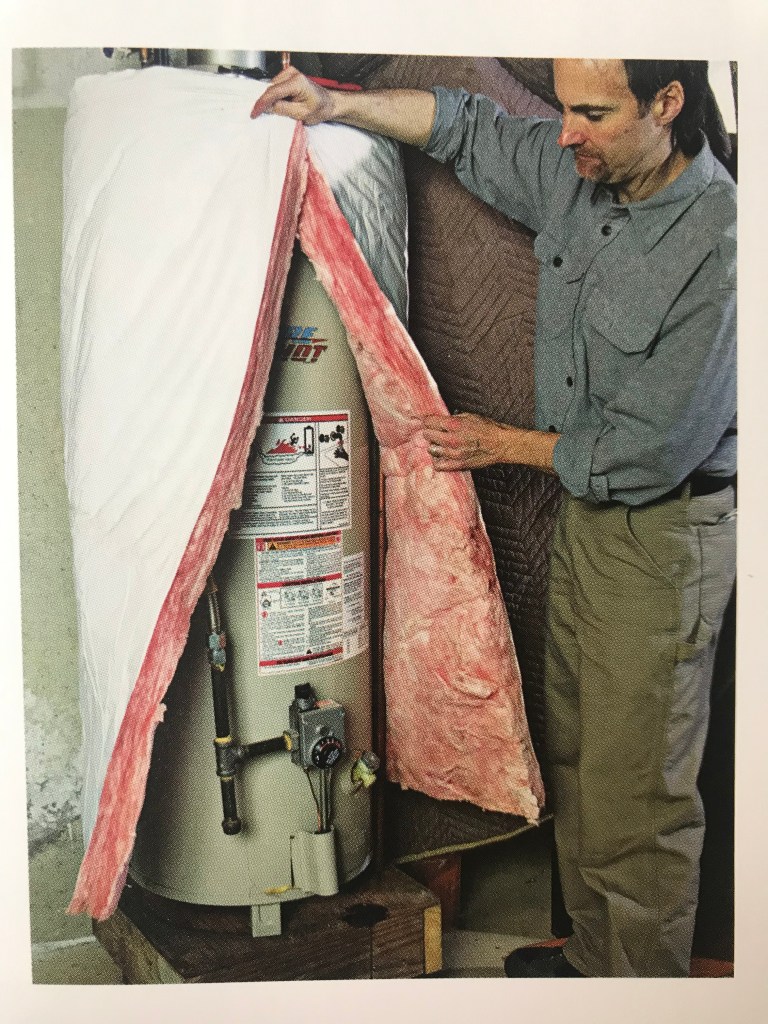
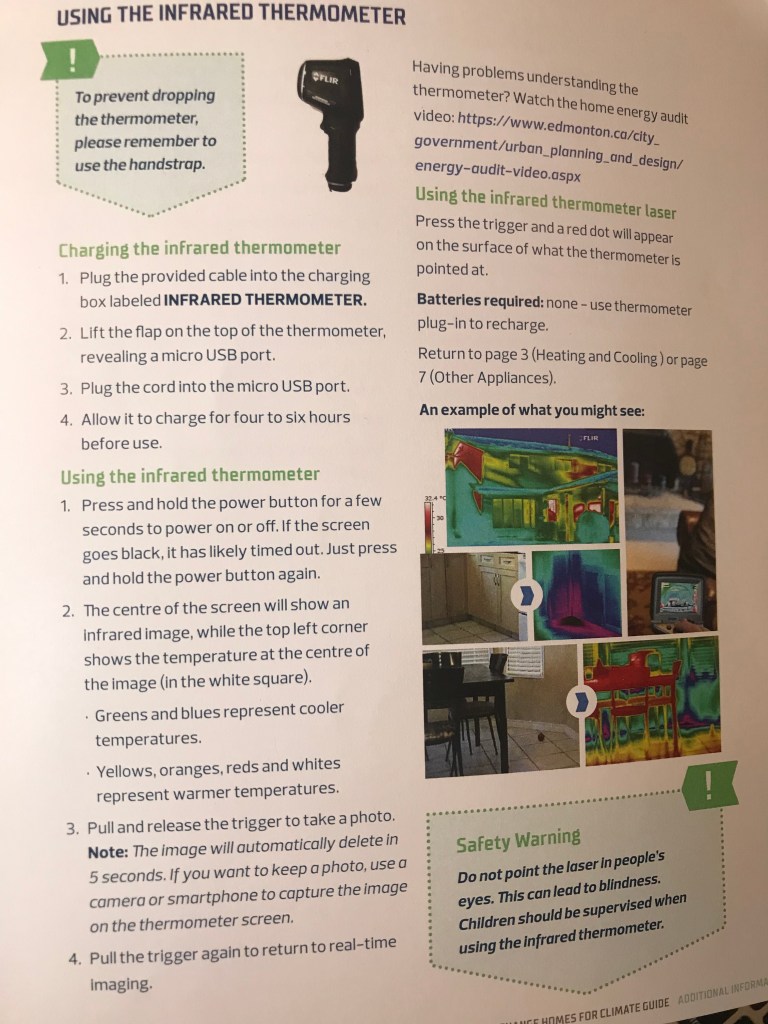






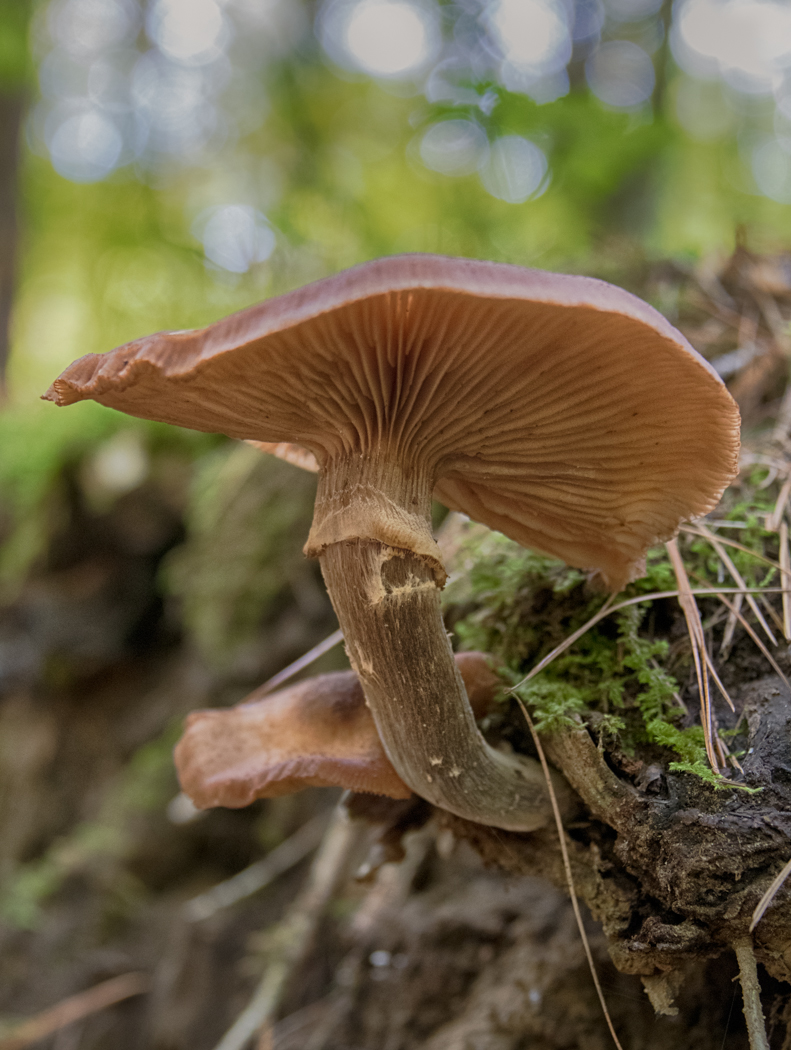


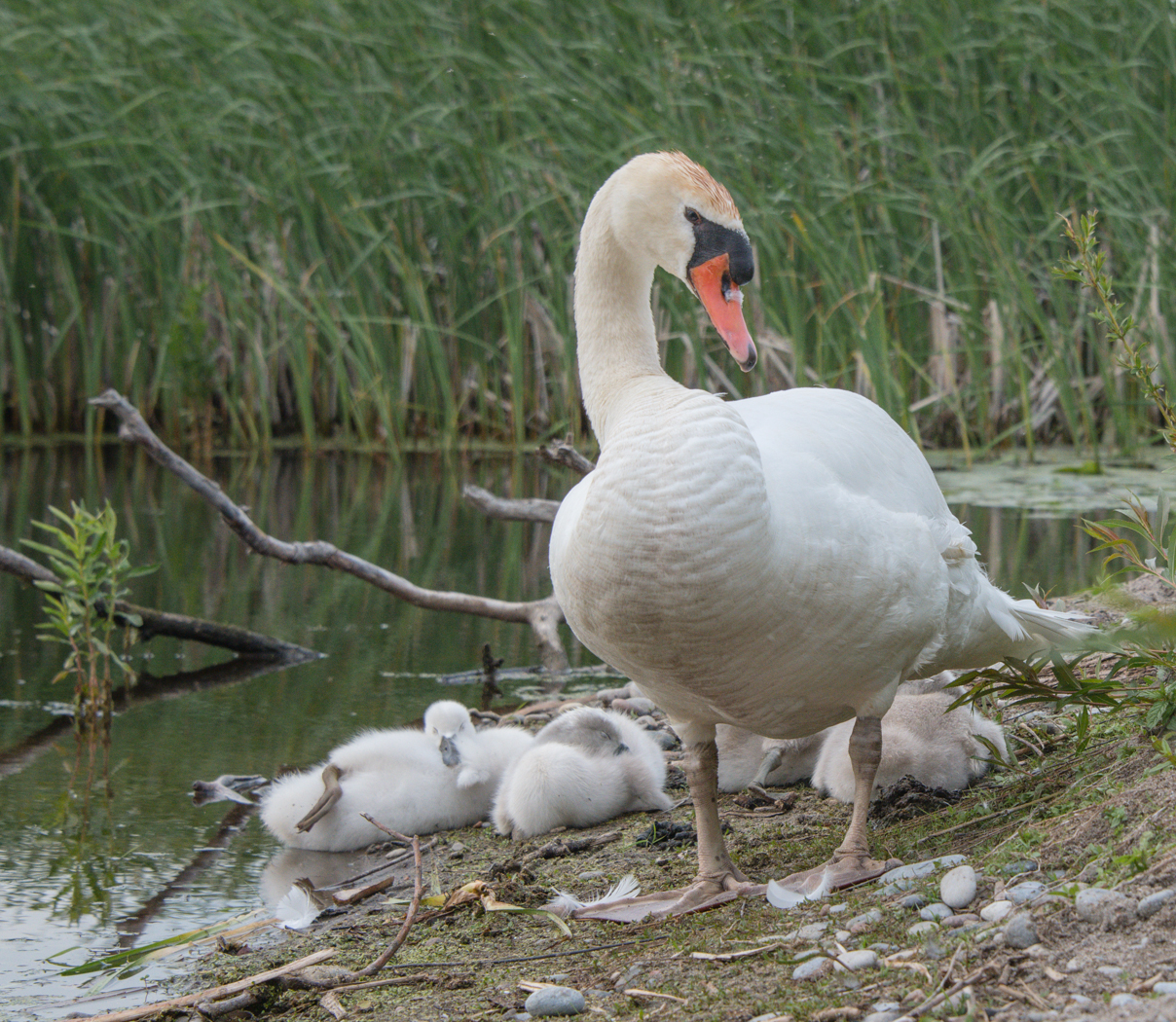



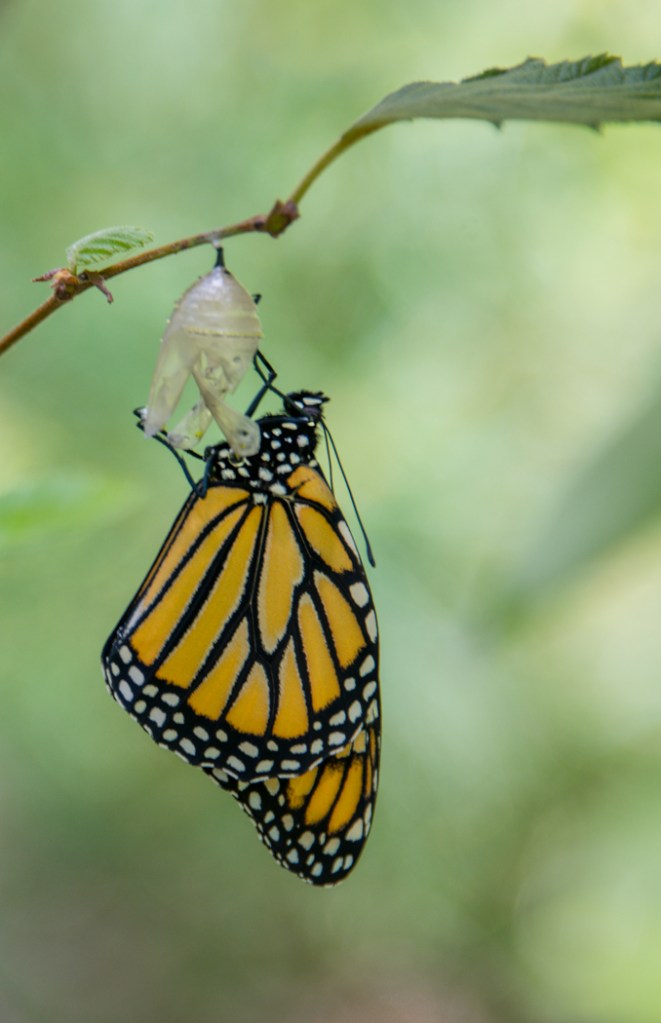

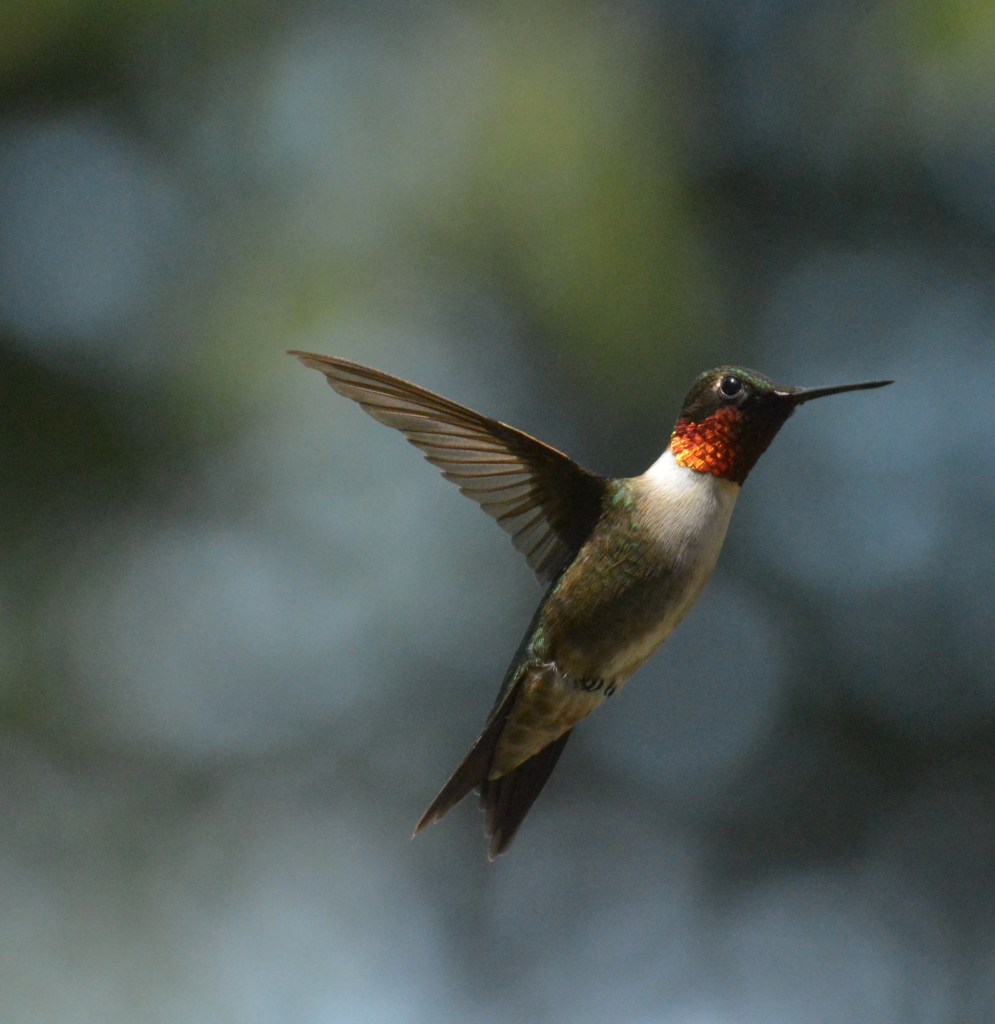



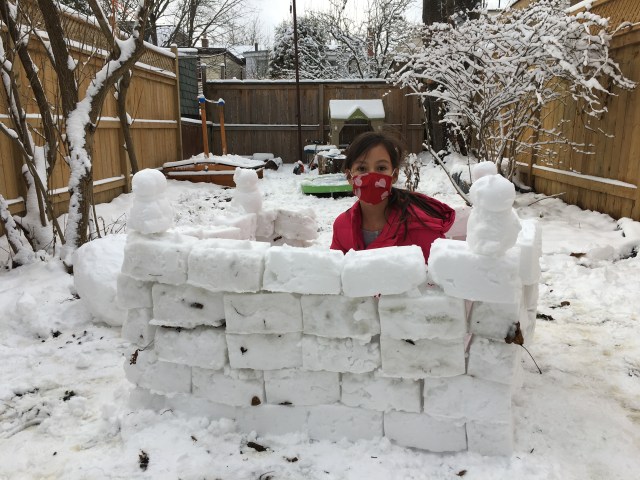
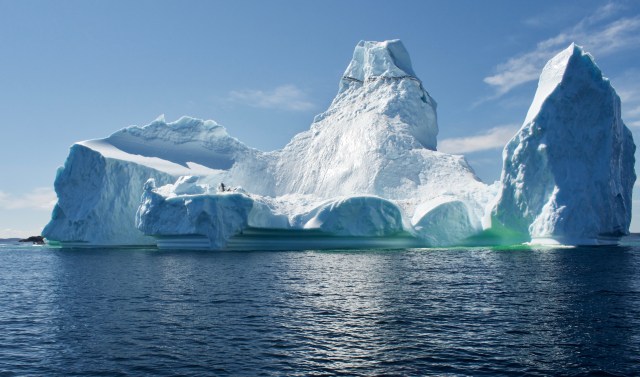


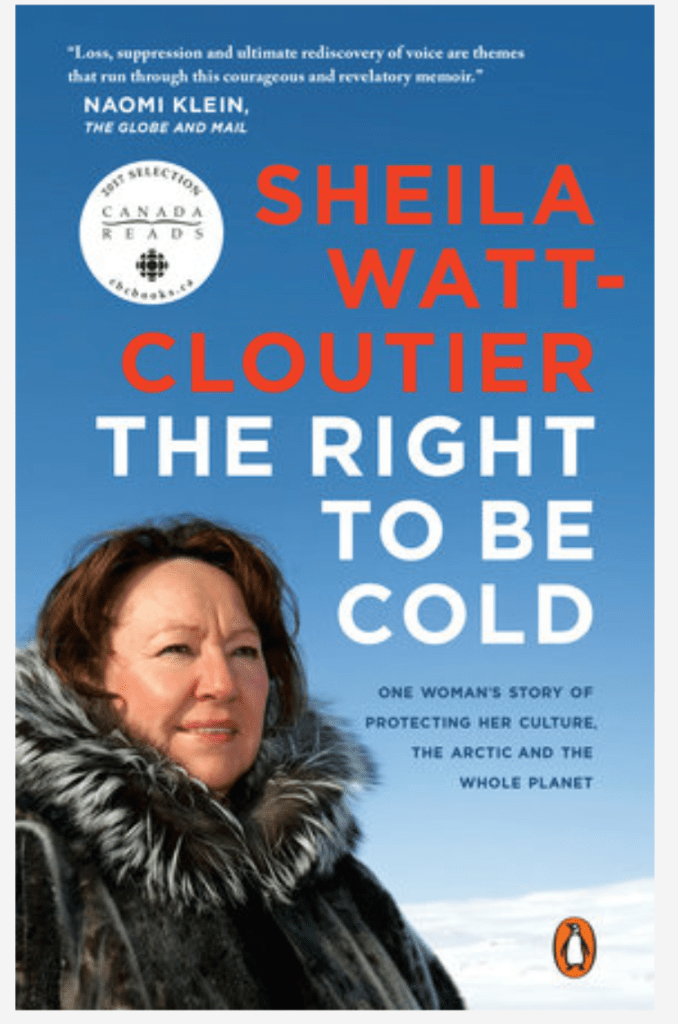

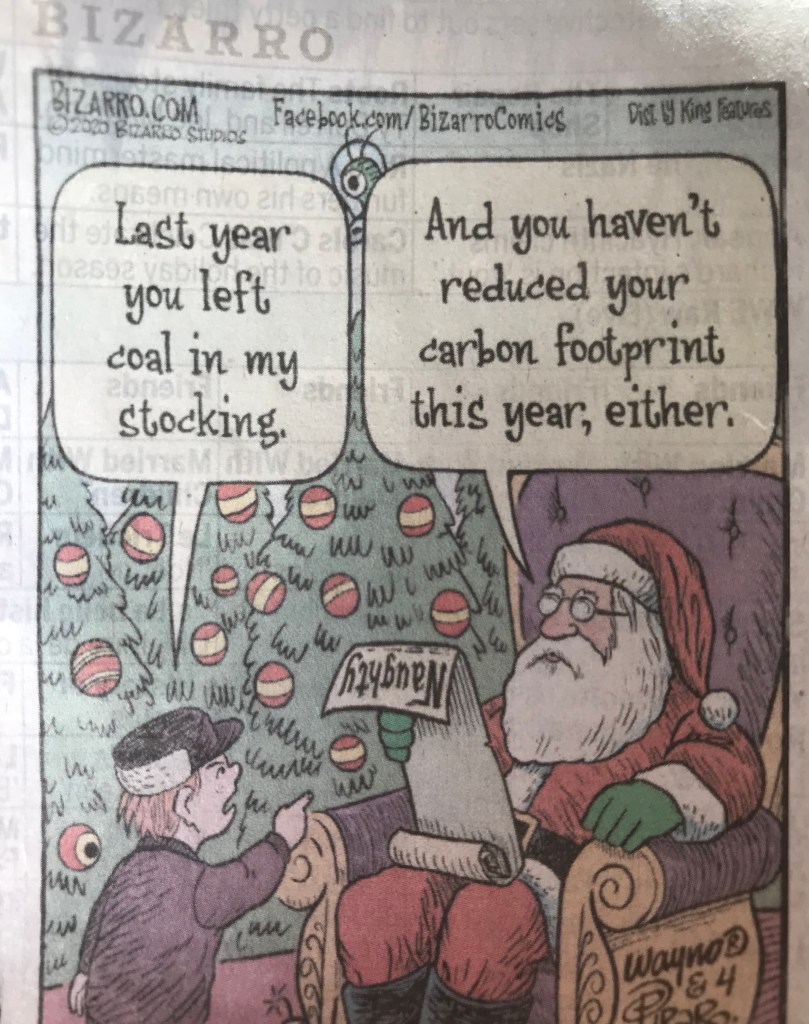
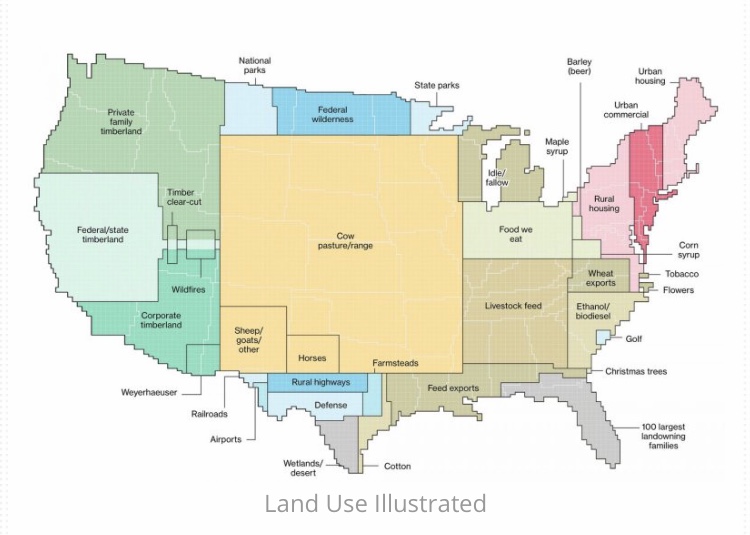






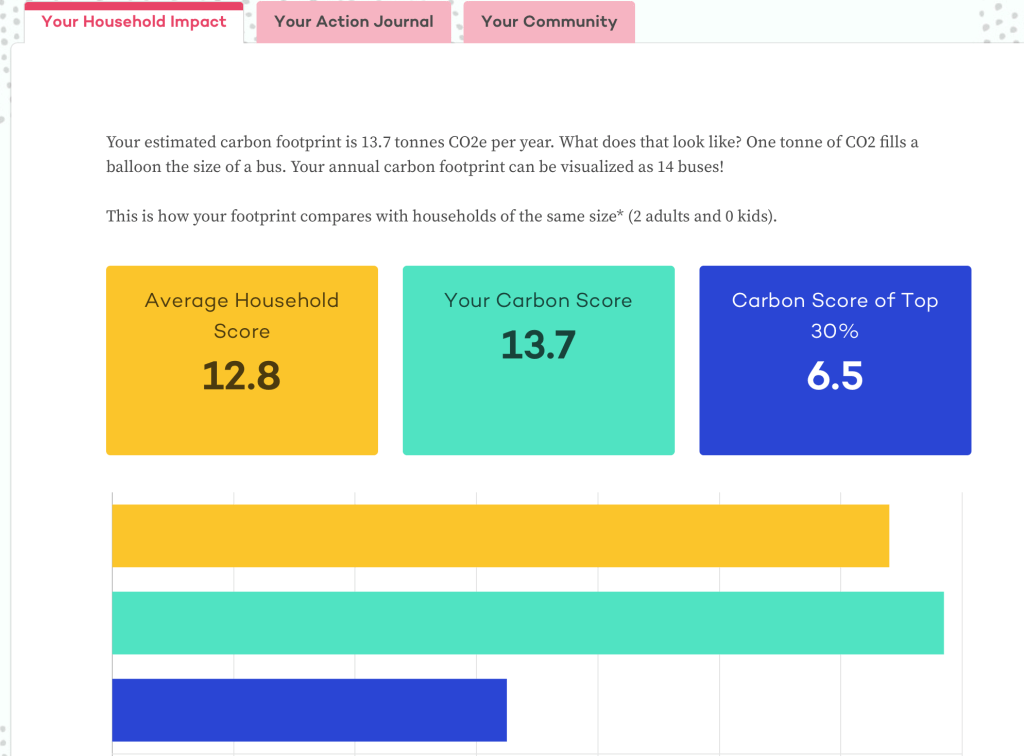


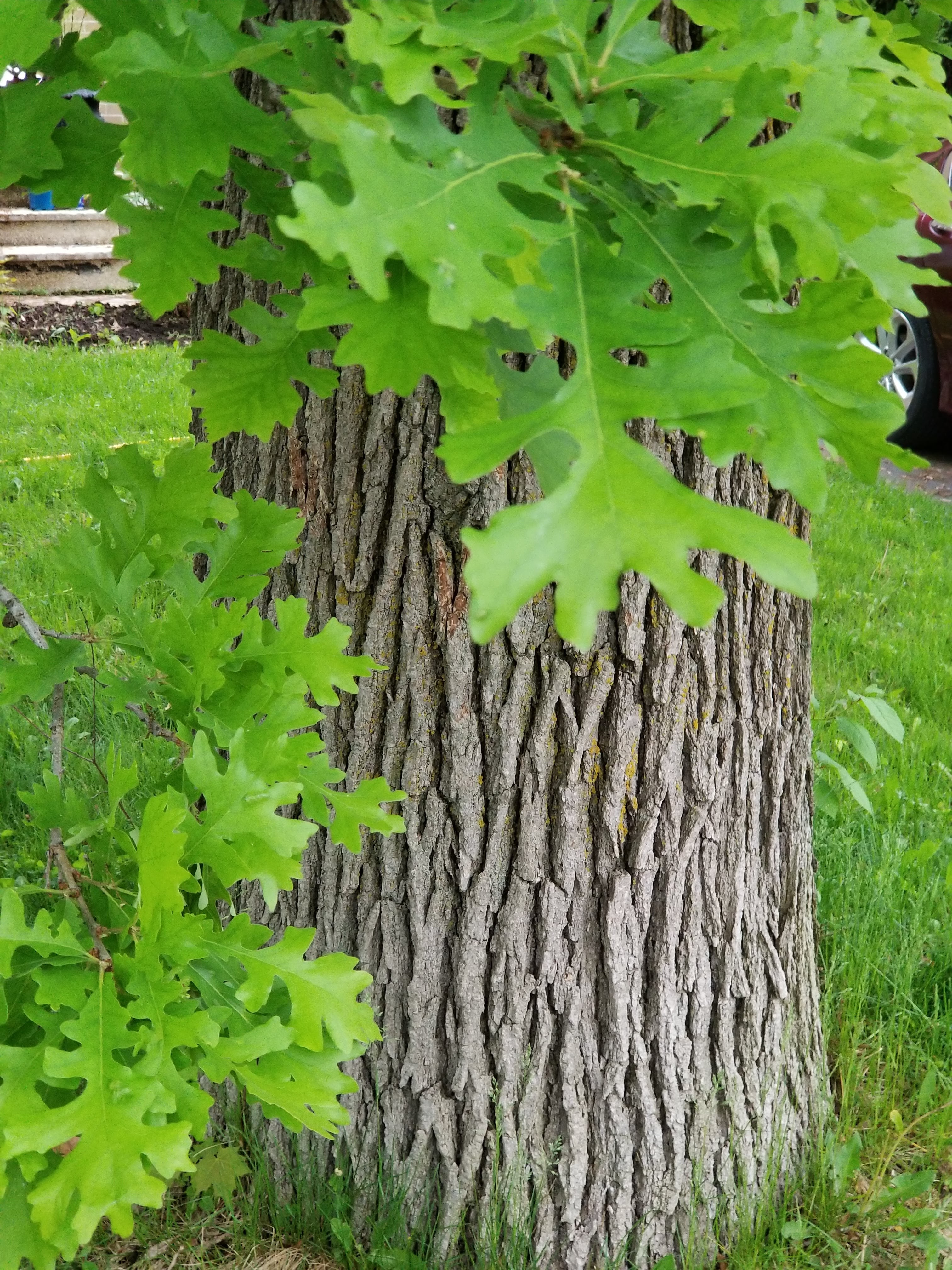


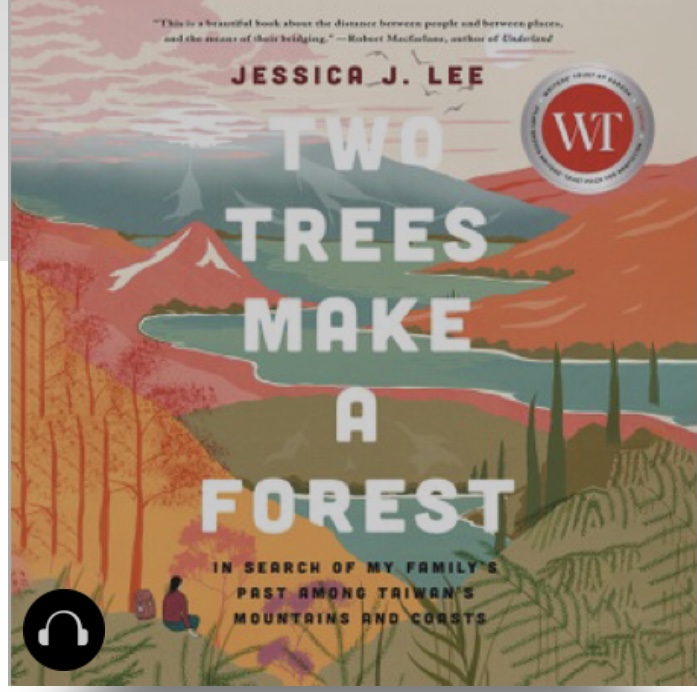




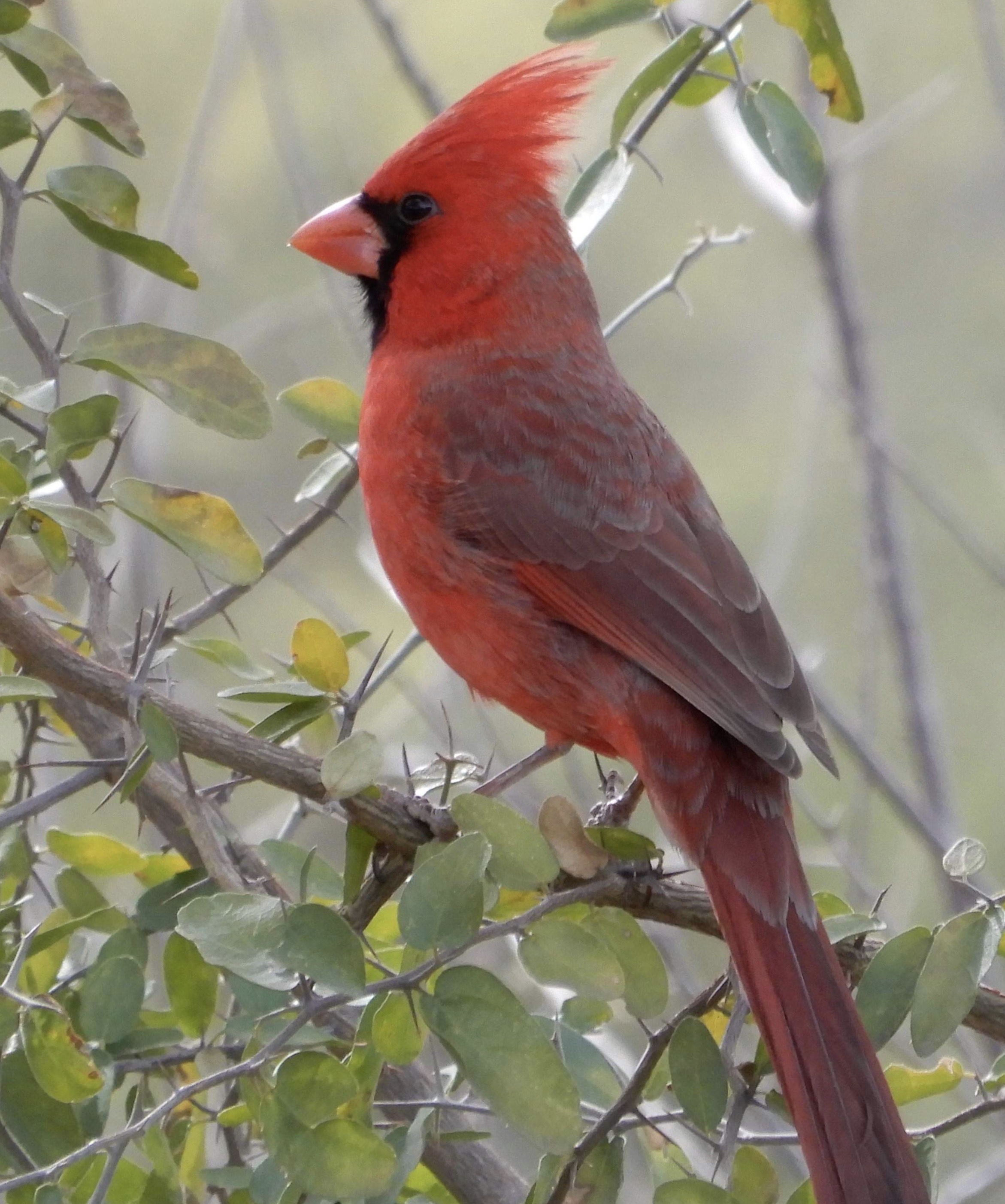


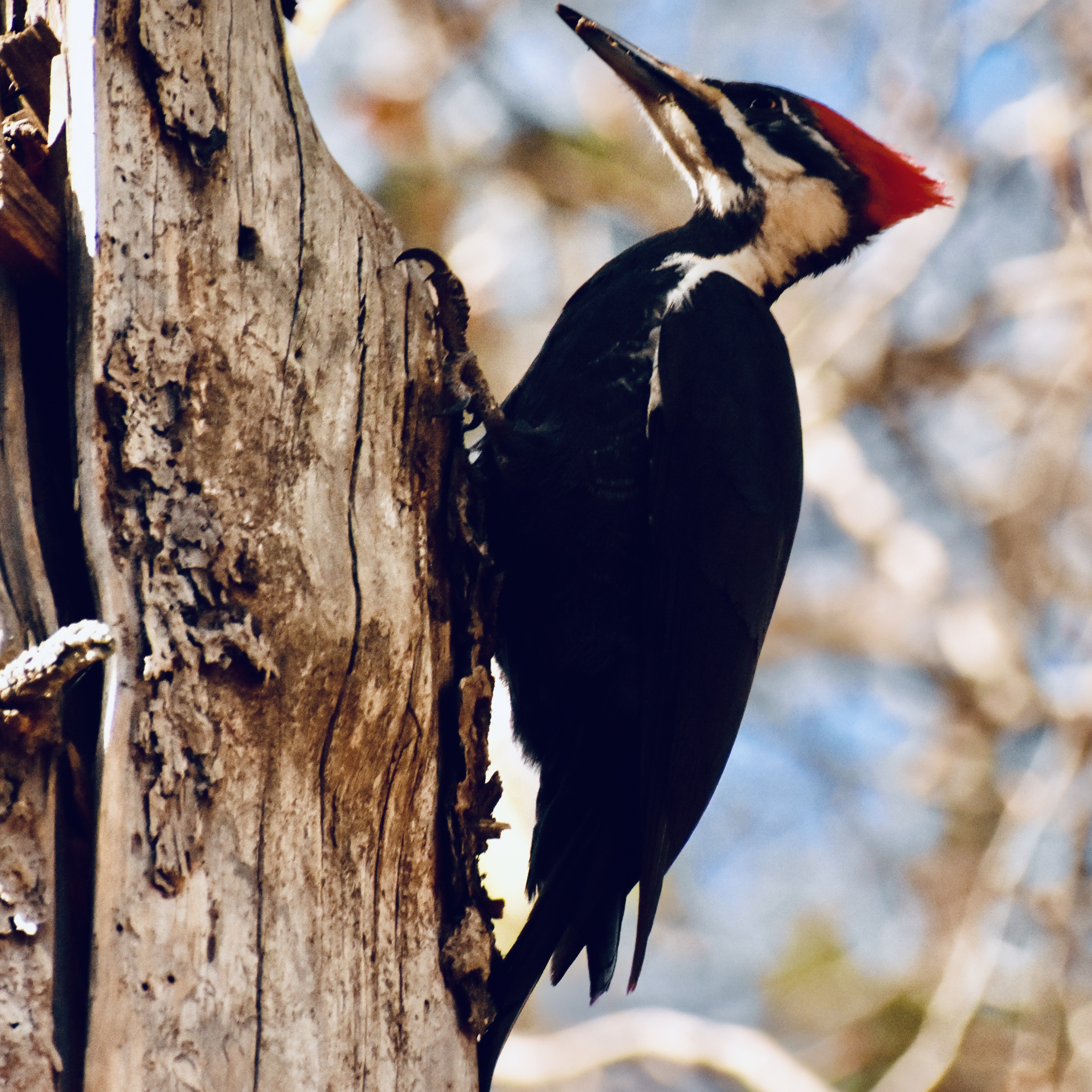
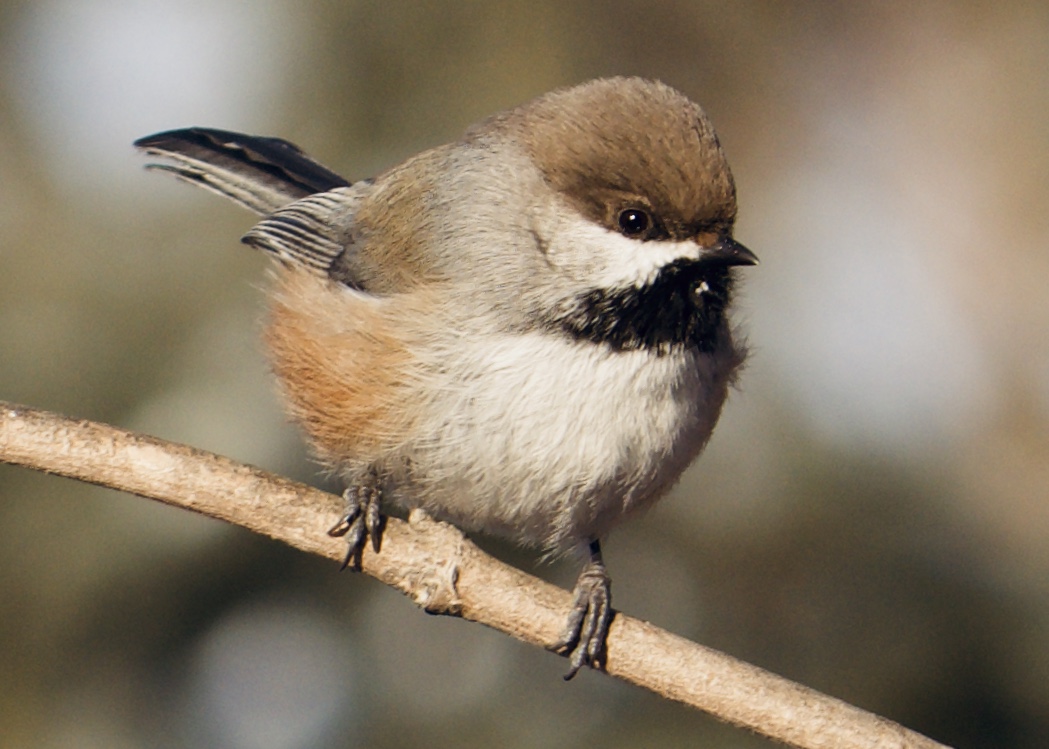


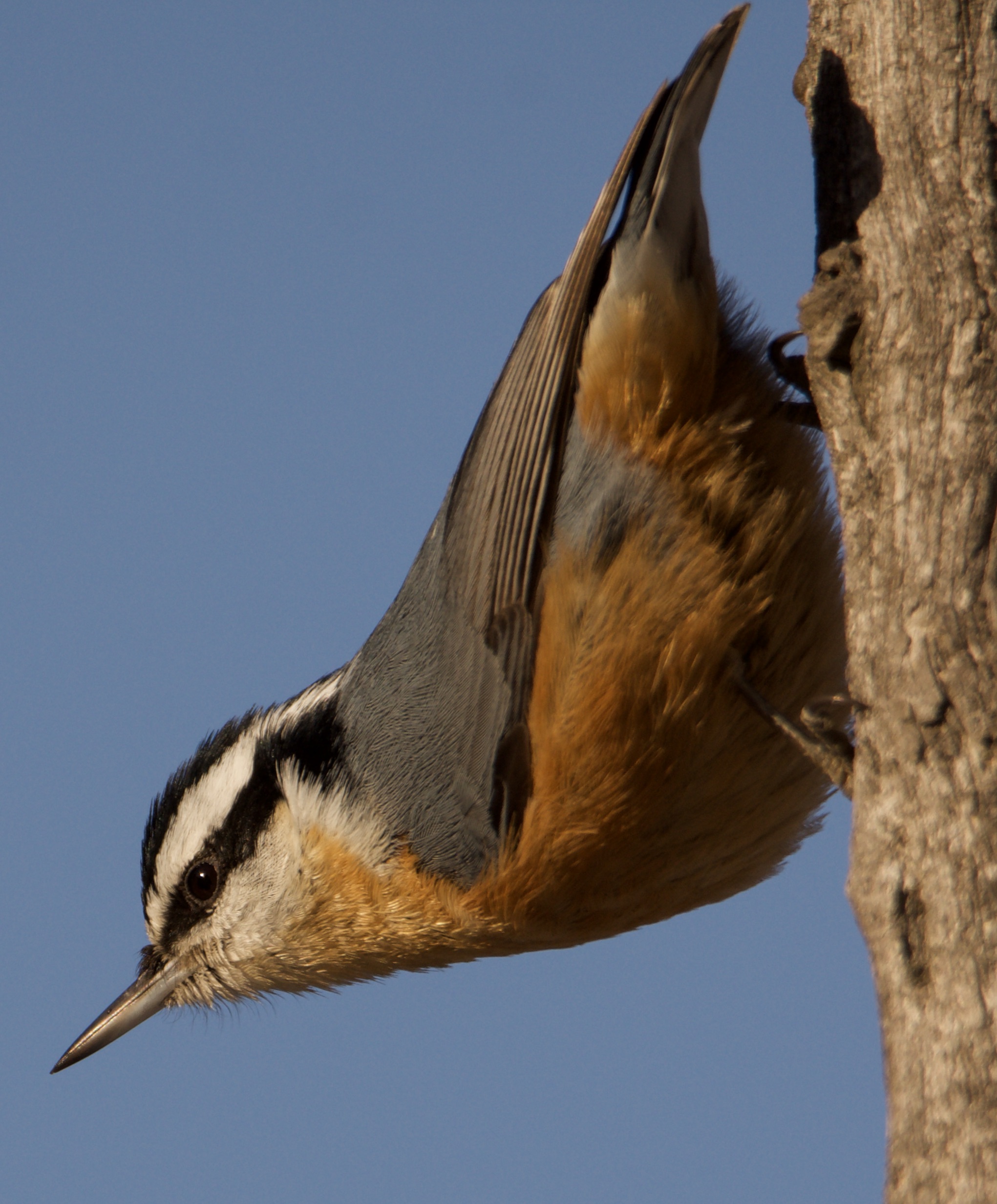
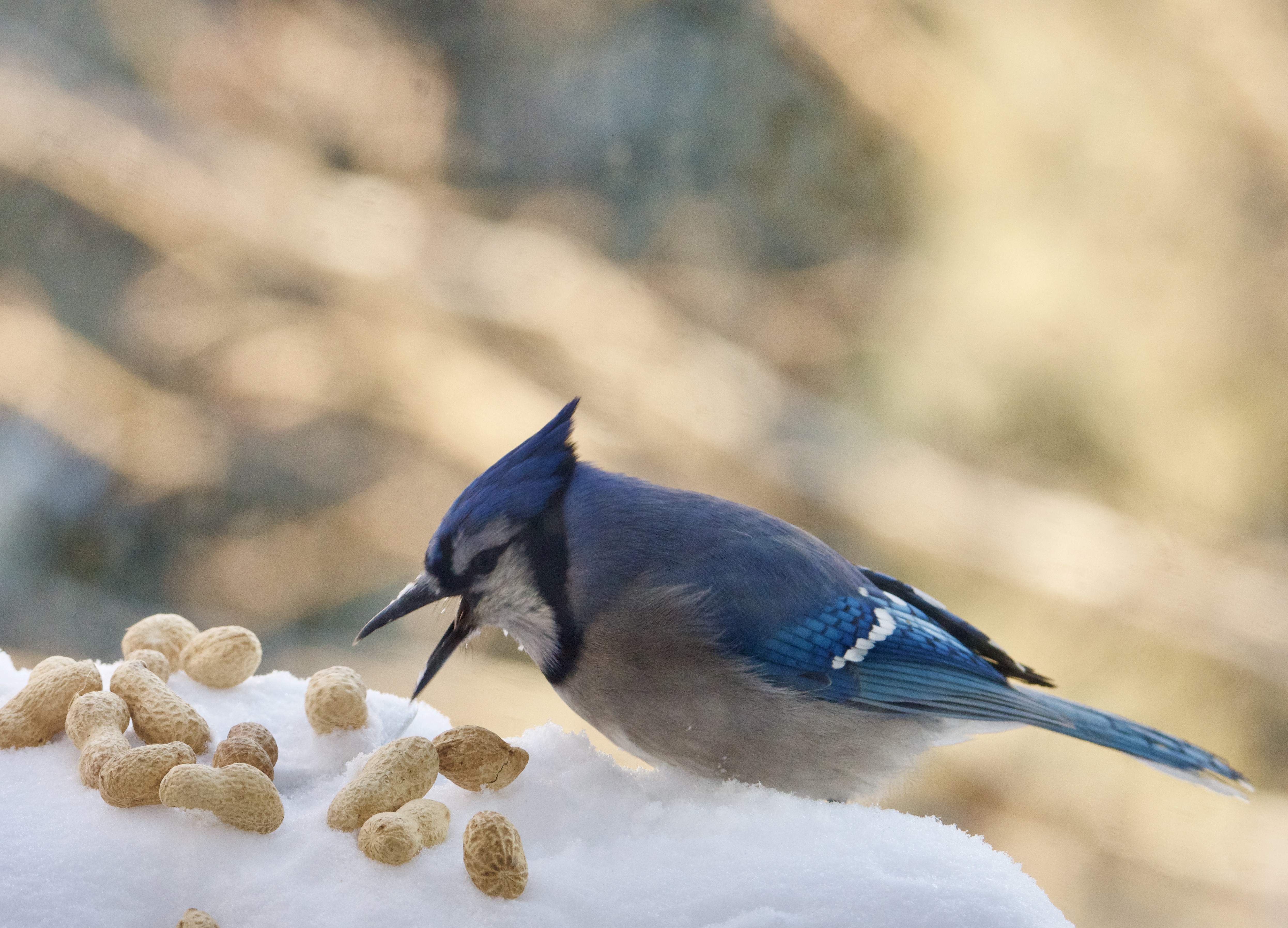
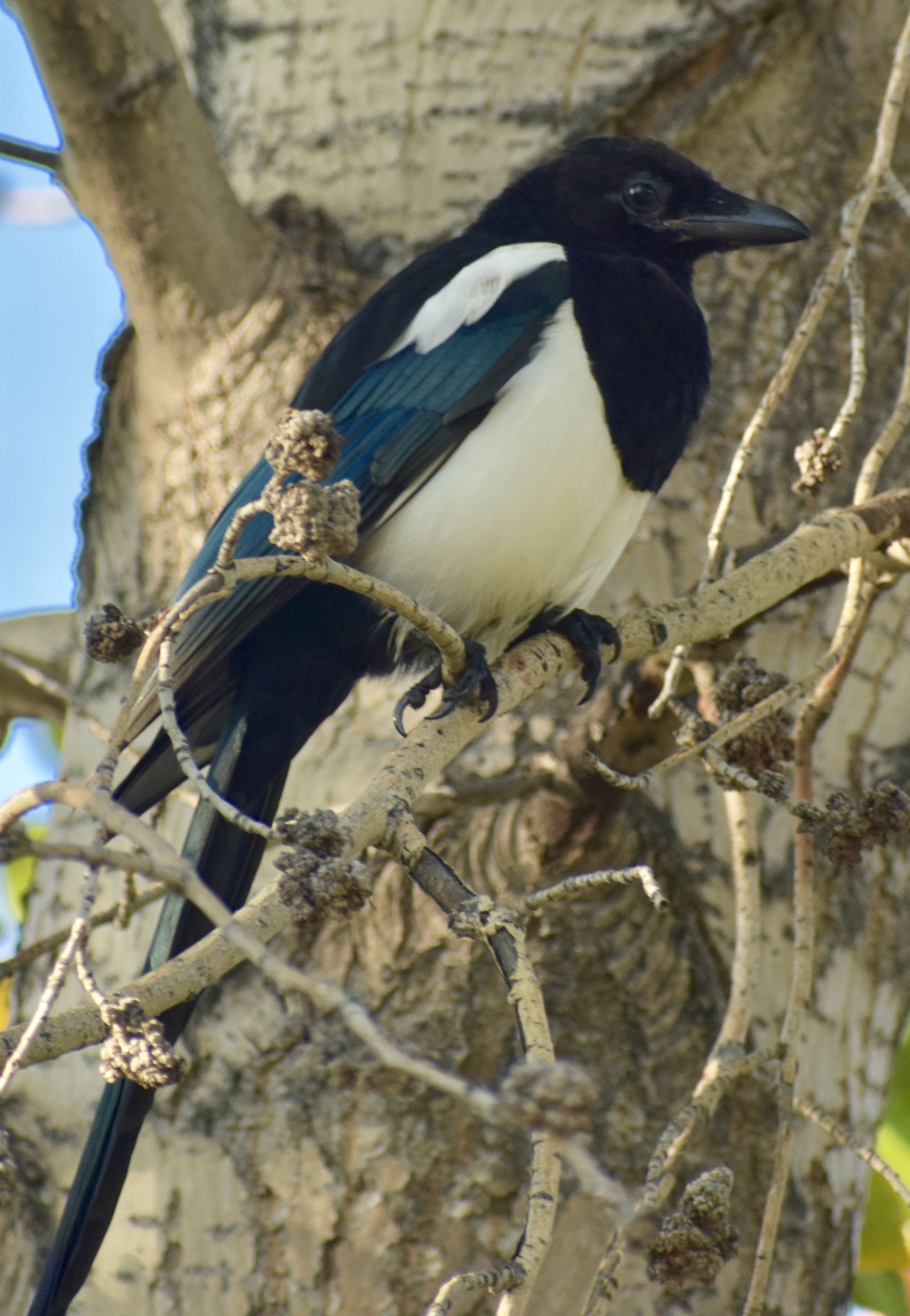

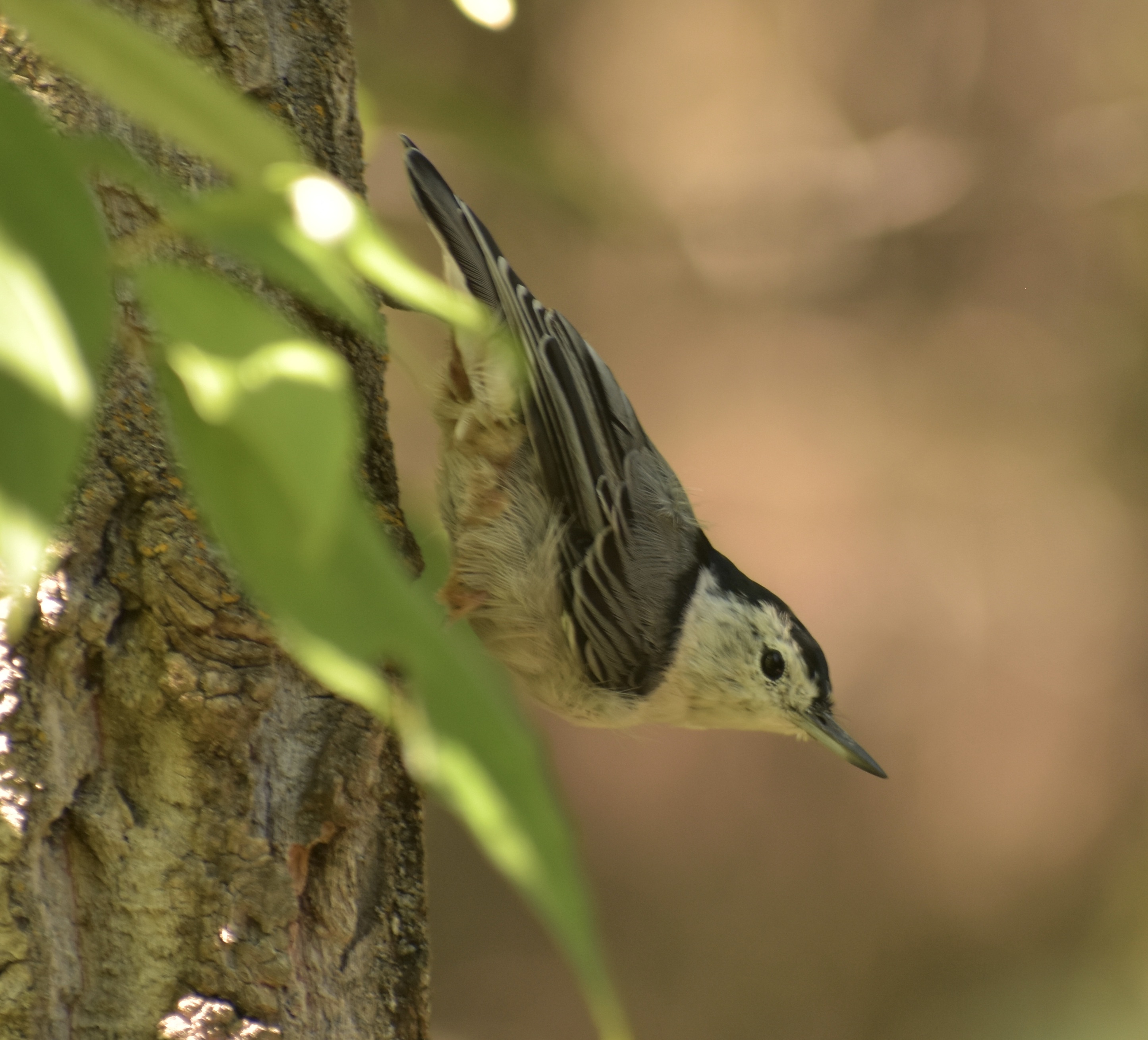









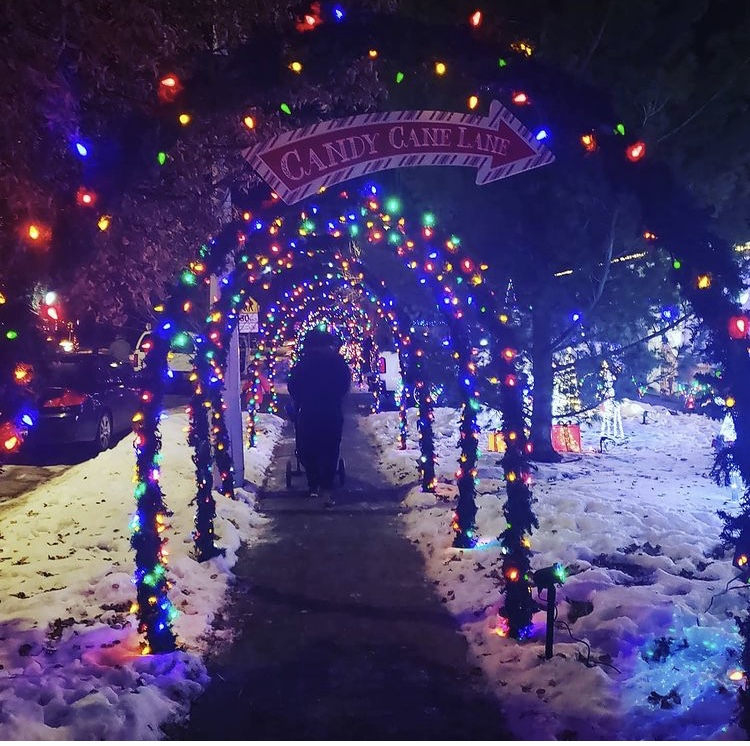
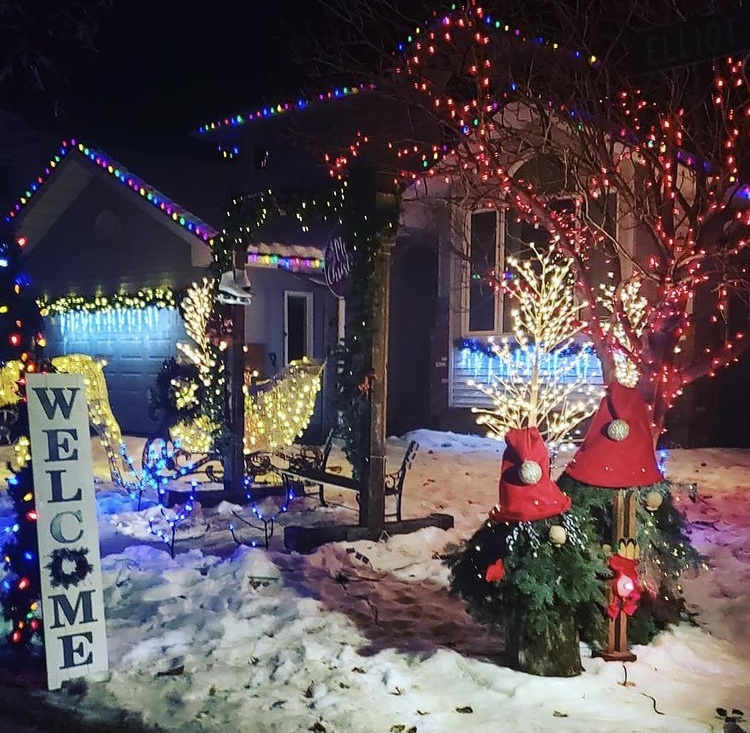




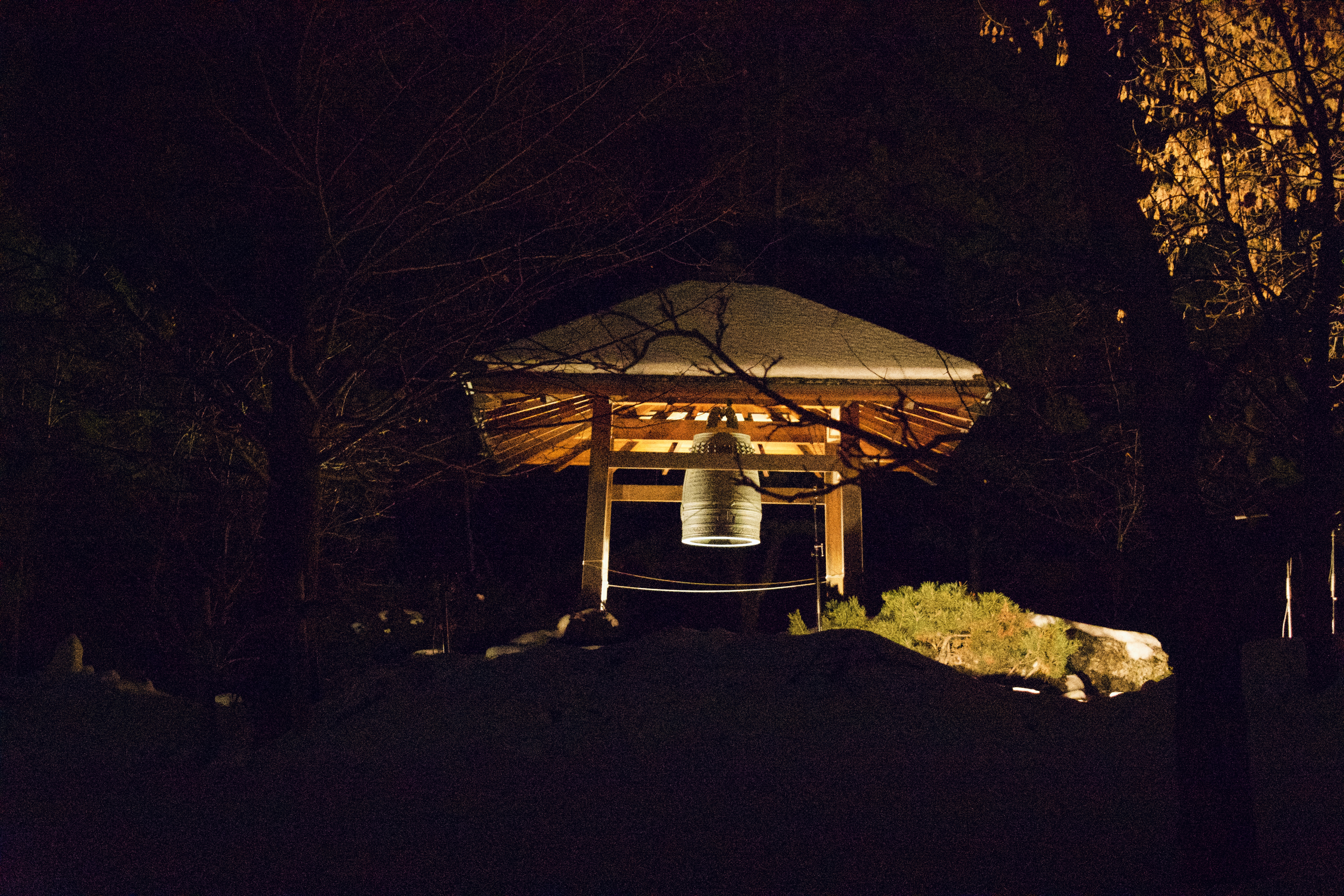





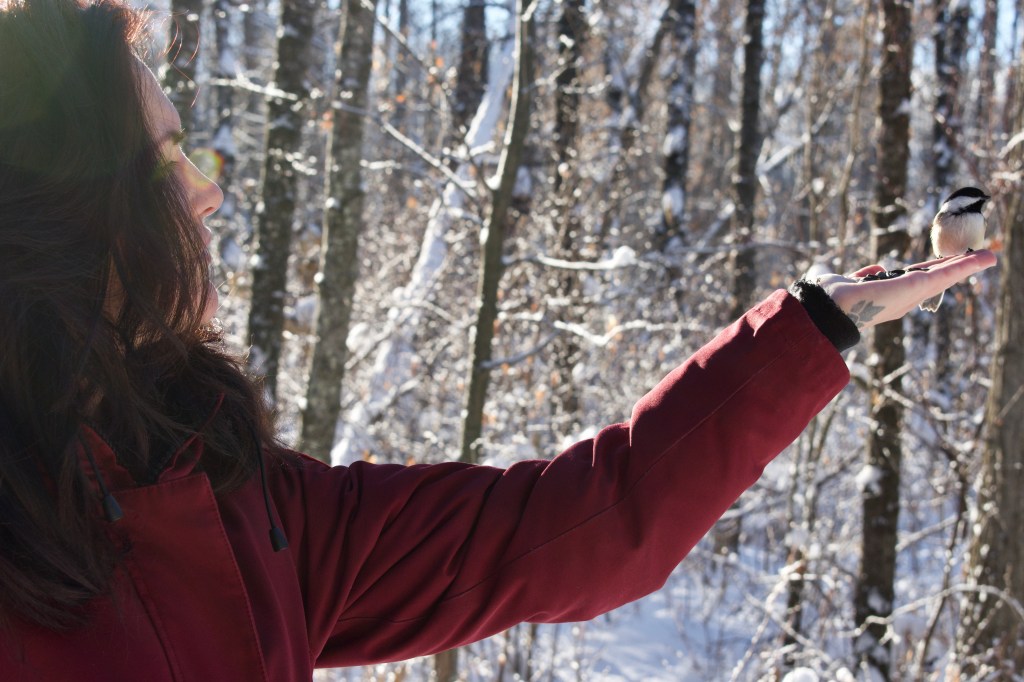








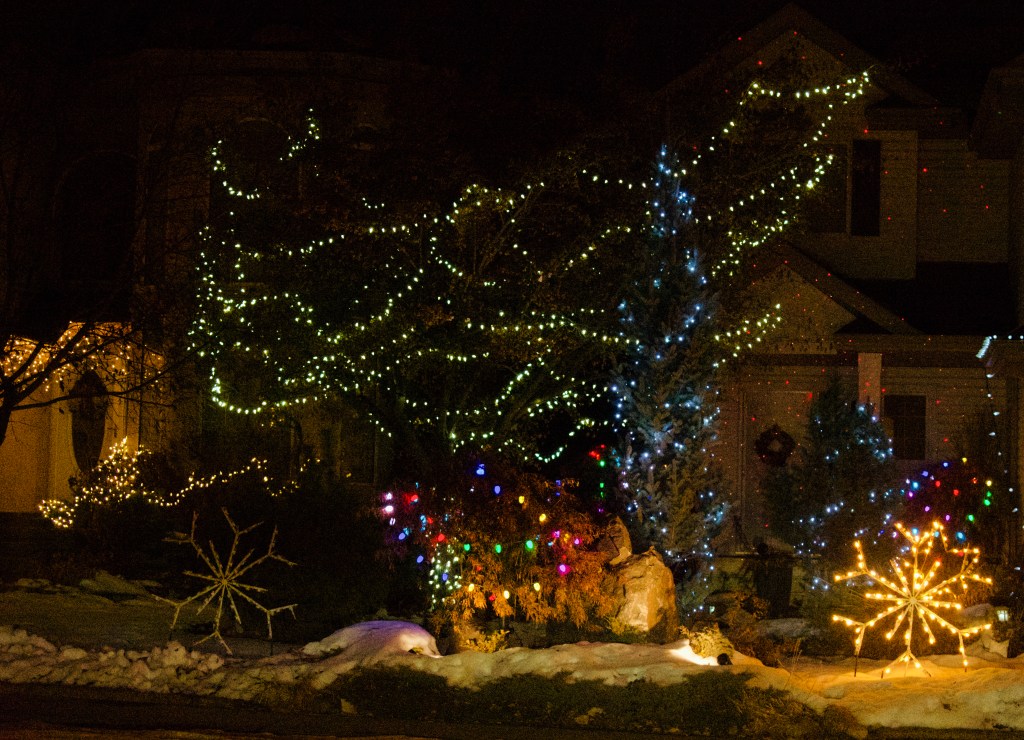

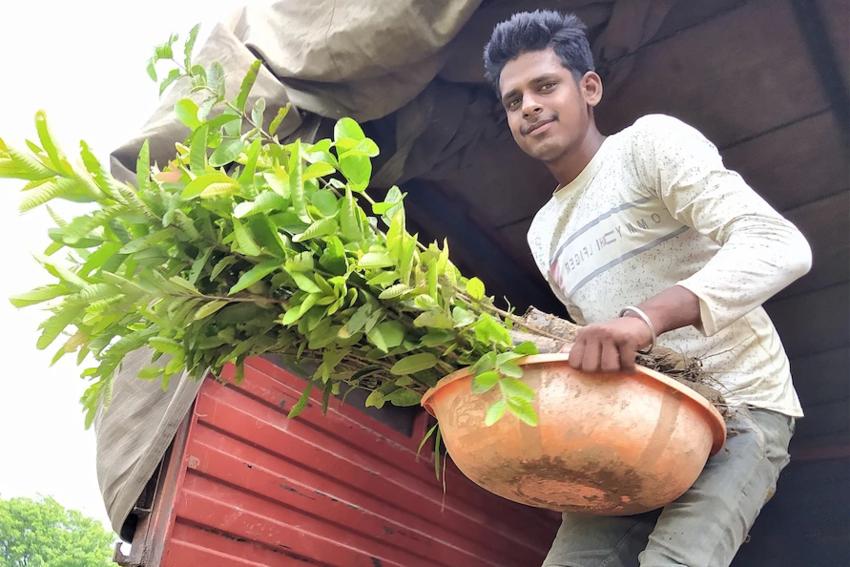
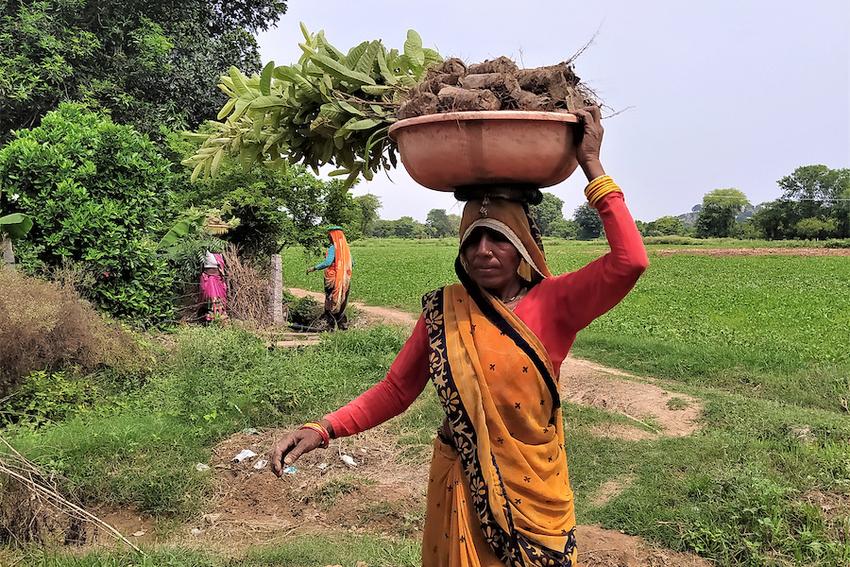


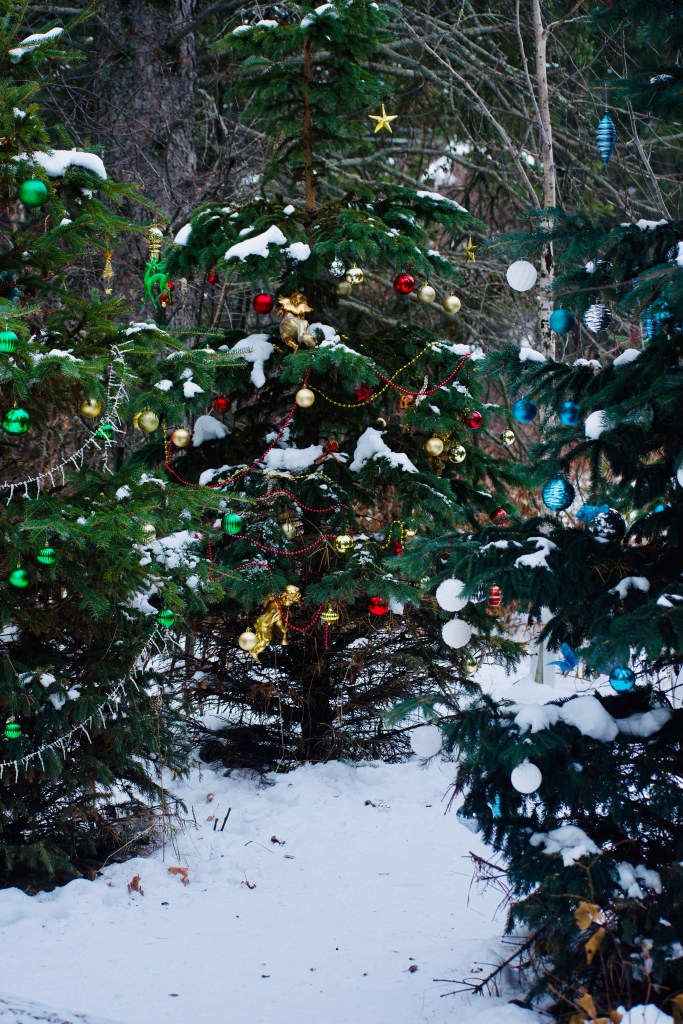




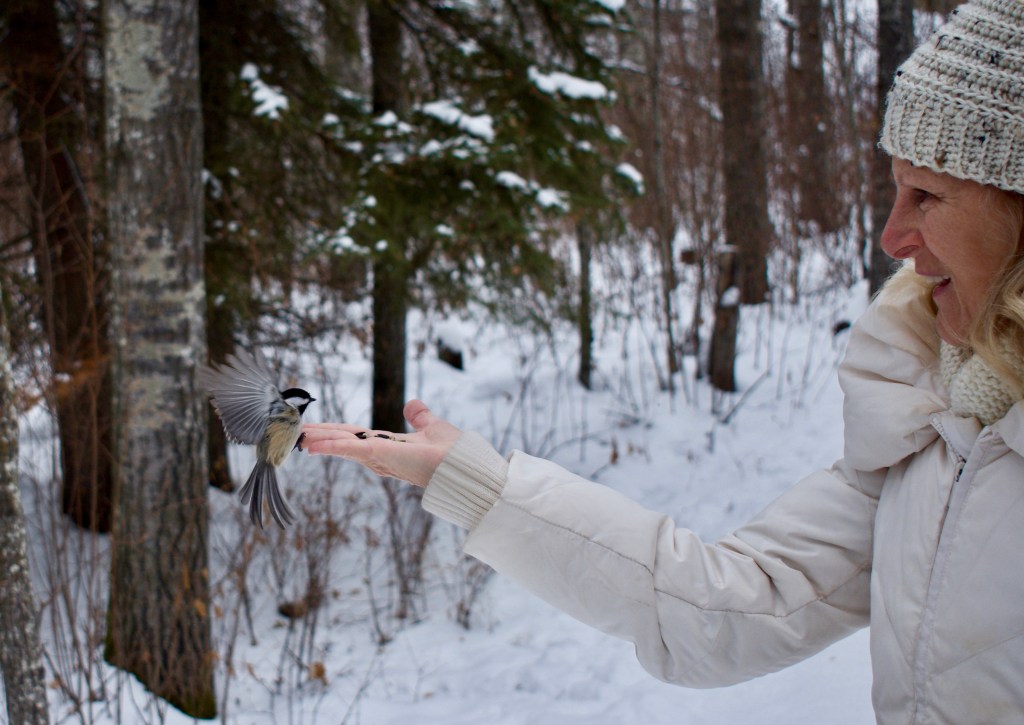



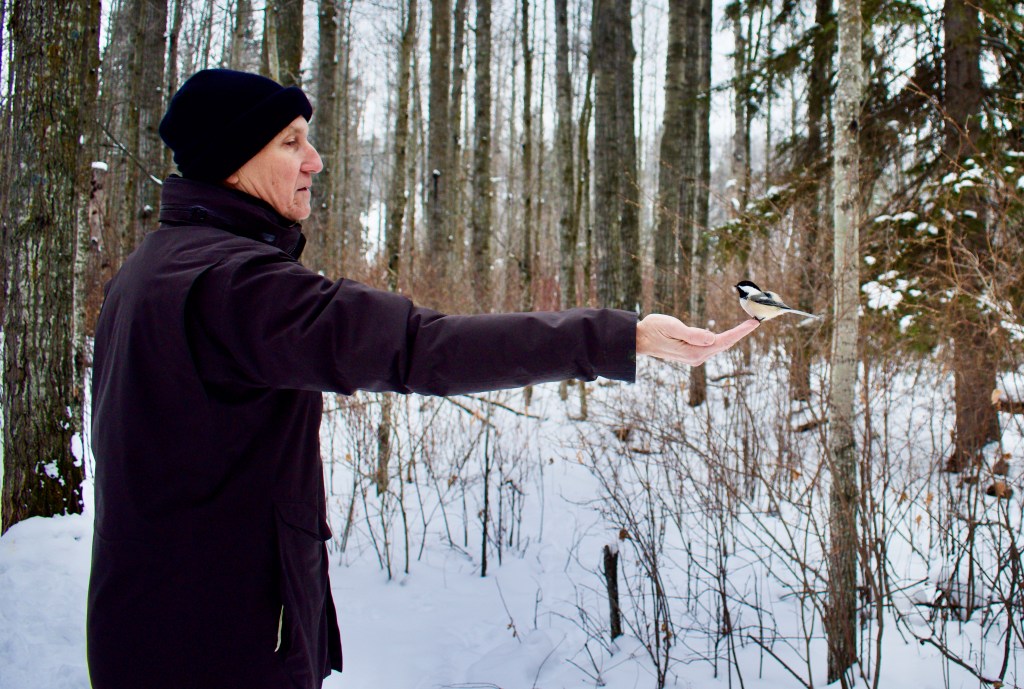

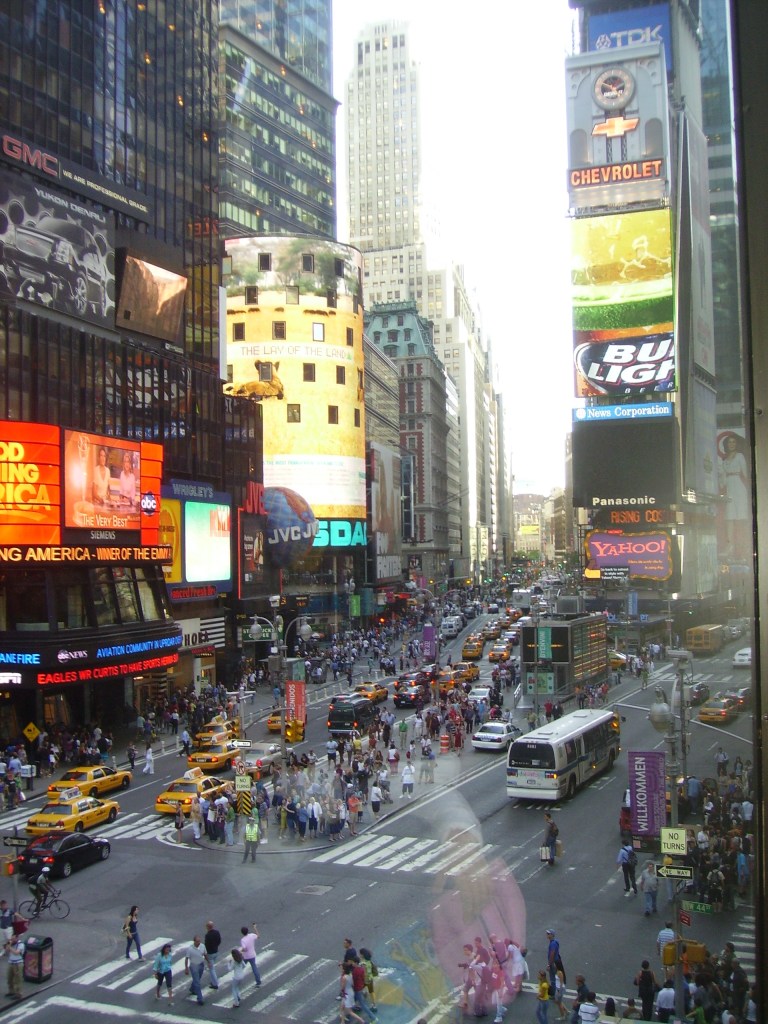
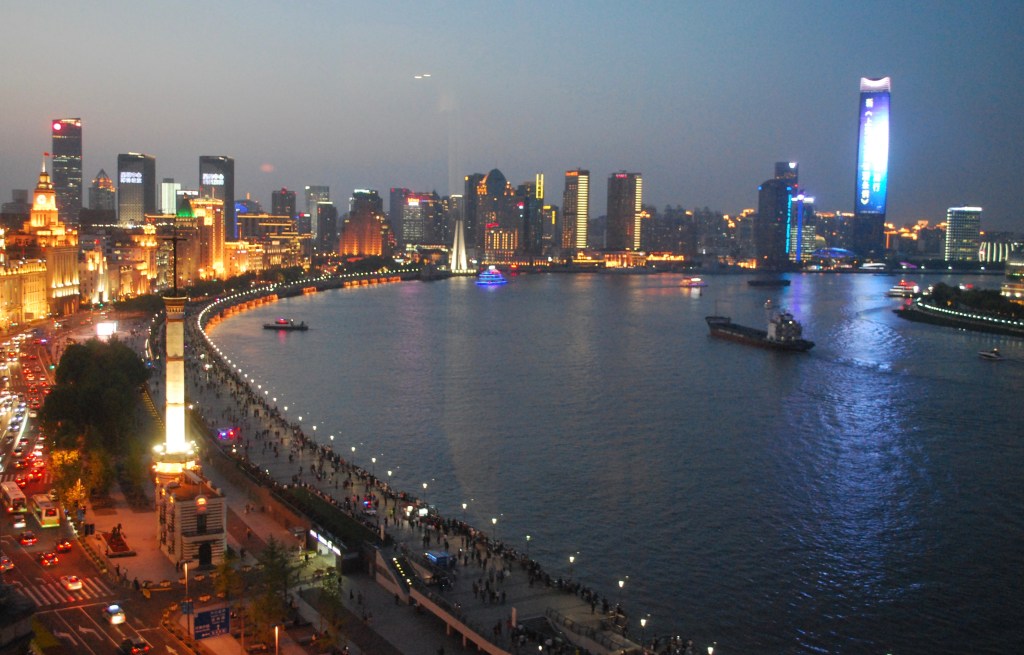


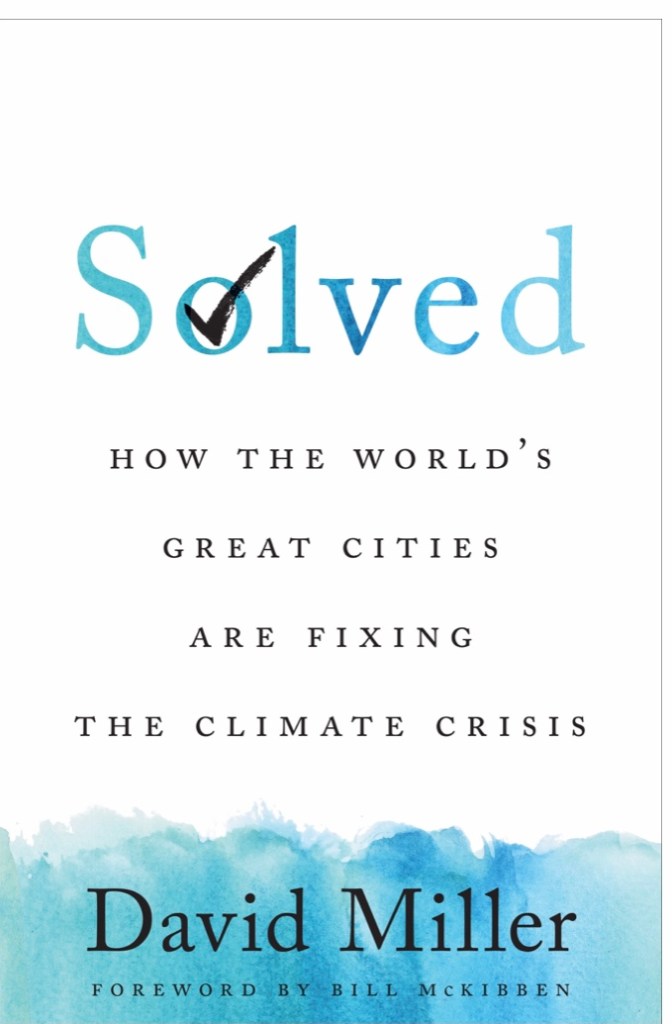


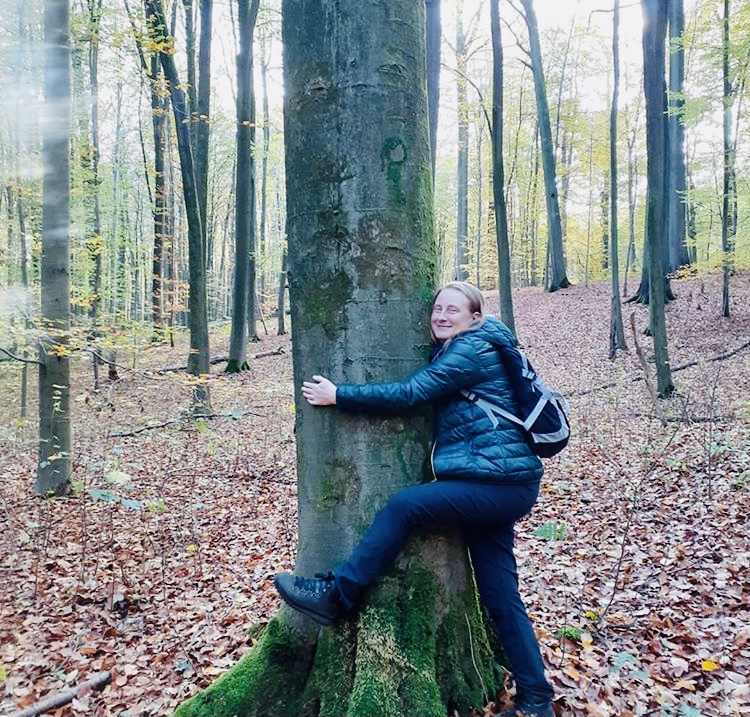

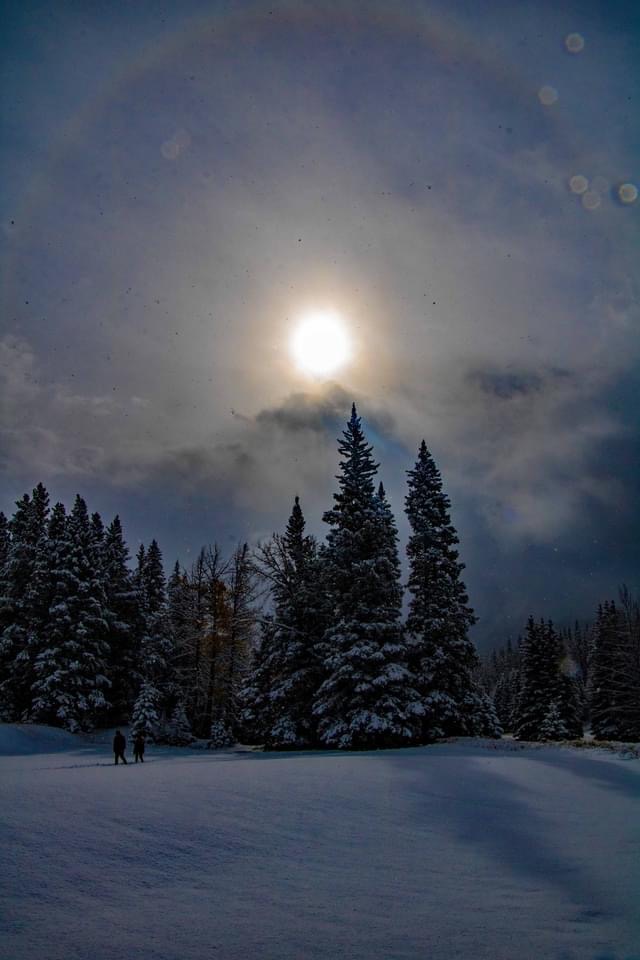
 FRIENDS4TREES4LIFE