Funding for Climate Change Innovations

We are in awe of the inspiring innovations that we read about daily that can help the world deal with the climate change challenge. Not only are there constantly new ideas, but these ideas are finding funders. Three such funders are: THE MaRS CLIMATE IMPACT CONFERENCE, THE EARTHSHOT PRIZE AWARDS (announced recently by the Royal Family), and the UK’s FARADAY BATTERY FUNDING, an effort to encourage cooperation in the mass development of the Battery Industry. This blog will highlight several cool innovations that can help save our planet and the supporters of these innovations.

MaRS CLIMATE IMPACT INNOVATION CONFERENCE
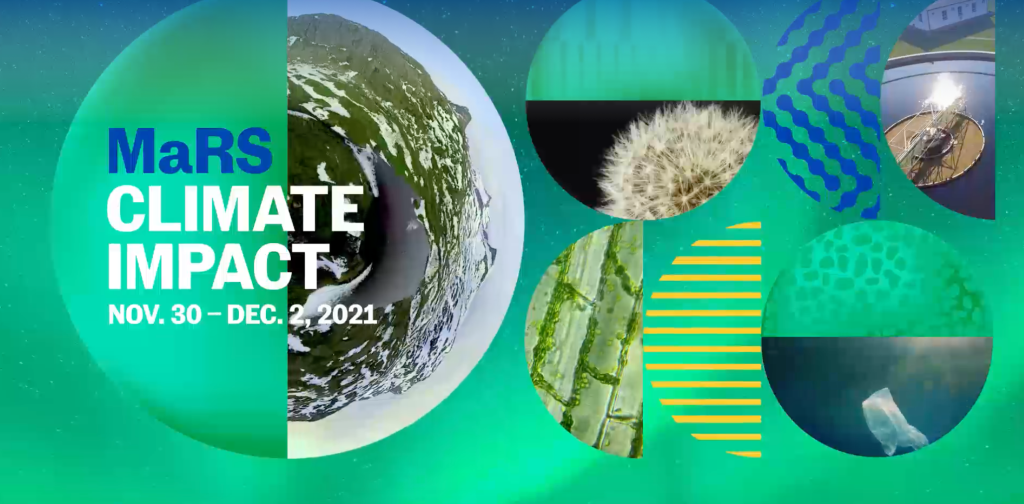
“MaRS Climate Impact is a new innovation conference that leverages business and private capital for social good. The event brings together the cleantech and social-finance communities — as well as big-time players from the ecosystem — for one comprehensive online experience. The worlds of clean innovation and investment are inextricably linked. But ensuring their mutual success requires dialogue, as well as a showcasing of groundbreaking solutions to advance both a healthy planet and prosperity.

MaRS Climate Impact will feature the most promising ideas and companies solving for the transition to net zero. Meet the brilliant minds driving climate action on a global scale: entrepreneurs, investors, business leaders, finance professionals, academics, journalists and policymakers.

This online conference is happening starting in November, should you choose to sign up.

https://climateimpact.marsdd.com

Celebs Join Prince William: Earthshot Prize Award

“Celebrities joined Prince William in London on Sunday October 17, 2021 for the inaugural awards ceremony of his Earthshot Prize, an ambitious environmental program that aims to find new ideas and technologies around the world to tackle climate change and Earth’s most pressing challenges.

“The winners announced Sunday included:

  • the government of Costa Rica, which was honored for a project that pays local citizens to restore natural ecosystems
  • the city of Milan, which was handed a prize for its Food Waste Hubs program, which recovers food from supermarkets and restaurants and distributes it to those in need.

“Actors Emma Thompson, Emma Watson and David Oyelowo joined William and Kate, the Duchess of Cambridge, in handing out the awards at Alexandra Palace in north London. Guests were asked to “consider the environment when choosing their outfit,” and Watson arrived wearing a gown made from 10 wedding dresses from the charity Oxfam. Kate wore an Alexander McQueen dress made for her in 2011, while her husband wore a dark green velvet blazer and a polo neck.”

“William and his charity, The Royal Foundation, launched the Earthshot Prize last year, inspired by President John F. Kennedy’s 1962 “Moonshot” speech that challenged and inspired Americans to go to the moon.”

“The prize, to be awarded to five winners every year until 2030, is billed as the most prestigious of its kind. Each winner will receive a grant worth 1 million pounds ($1.4 million) to develop and scale up their ideas. “There’s been lots of amazing ideas over the past decades but it’s the implementation that really counts, so that’s what this is all about. So it’s really a reason to be cheerful,” Thompson said.”

“The other winners were:

  • a land-based coral farm in the Bahamas to restore dying coral reefs; 
  • a green hydrogen technology developed to transform how homes and buildings are powered;
  • an India-based technology that creates fuel from agricultural waste in a bid to stop crop burning.

“William has said he wanted the initiative to inject some optimism into the climate debate, and on Sunday he urged young people not to give up hope for the future. “For too long, we haven’t done enough to protect the planet for your future. The Earthshot is for you,” he said. “In the next 10 years, we are going to act. We are going to find the solutions to repair our planet.” The United States will host next year’s award ceremony, he added. This ceremony came days ahead of the COP26 U.N. climate change summit in Glasgow.”

Sylvia Hui of The Associated Press

Funding The UK’s Next Generation Batteries for Electric Vehicles
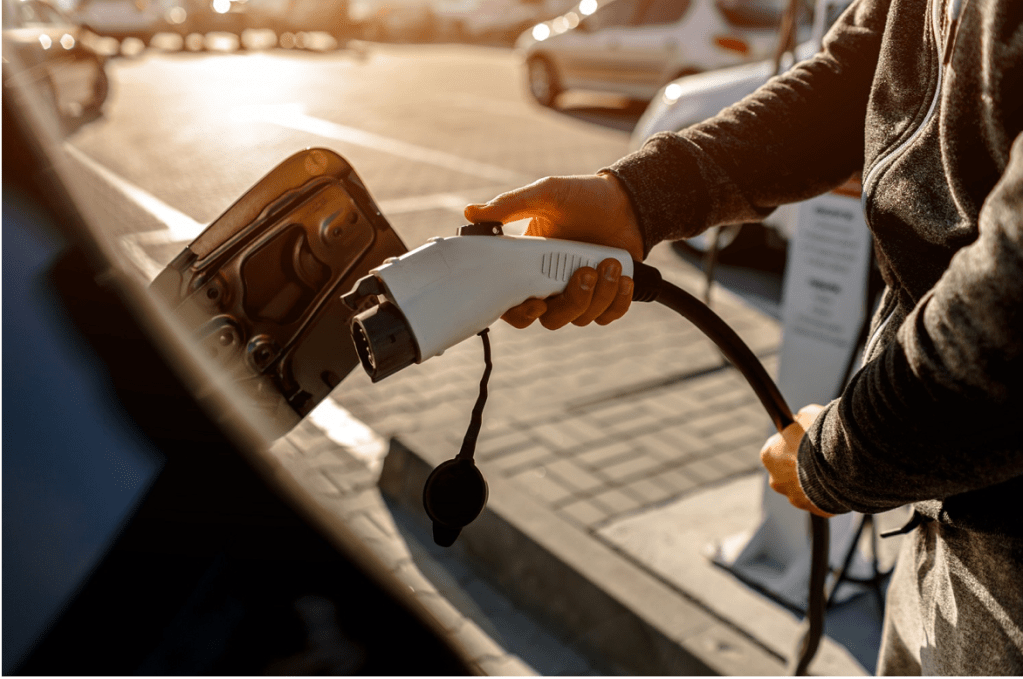
“Seventeen projects making electric vehicle (EV) batteries safer, more powerful, cheaper, faster-charging and easier to recycle have been announced shared across businesses and research institutions across the UK.”

“£10 miIlion of FARADAY BATTERY CHALLENGE FUNDING is being used to help build a better British battery industry for the future of zero-emission travel. The projects include a consortium led by LiNa Energy that will develop a new sodium nickel chloride battery system, leading to improved cell performance, and manufacturing optimised for scale-up, decarbonization and recycling. Another, led by Anaphite Ltd, aims to develop faster charging batteries by incorporating graphene into the battery cathode.”

“This funding comes shortly after the official opening of UK Battery Industrialization Centre (UKBIC) on 15 July by the Prime Minister. Based in Coventry and part-funded through the Faraday Battery Challenge, UKBIC is a is battery manufacturing development facility, which provides a link between battery technology and mass production. This will support the UK’s ambitious climate change targets, including achieving net zero carbon emissions by 2050 and ending the sale of petrol and diesel cars and vans by 2030.”

“With the sale of electric cars rising rapidly in 2020, more and more EVs are appearing on the market. The battery industry is developing ways to electrify other forms of transport, including boats, planes and off-highway vehicles, like diggers.” (https://bit.ly/3mr4GAi – July 27, 2021)

Canadian Shoes That Turn Into Apple Trees

BlogTO.com

“A Toronto designer, Luc Houle, created a pair of shoes that eventually turn into an apple tree after he spent seven years in the fashion industry and looked for more sustainable choices. The shoes look like a normal, canvas sneakers but they are made with biodegradable materials and have an apple seed hidden in the sole. They are cushiony, lightweight and water resistant, and come in black and white.”
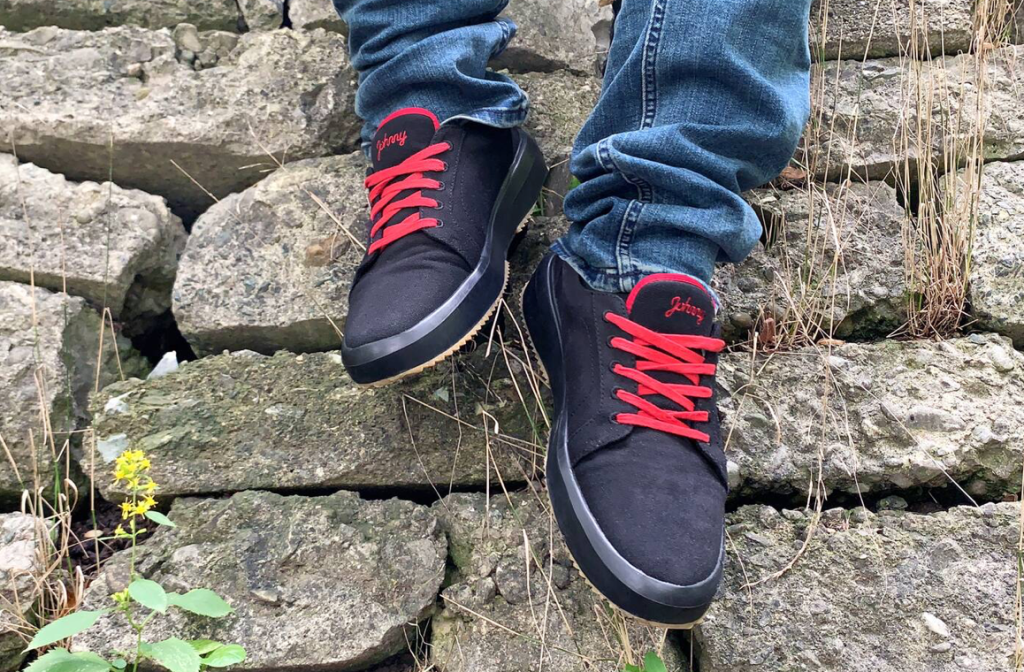
“The idea came to Houle while he was working in the fast fashion  industry, which pumps out a lot of cheaply made clothes that end up in landfills. The soles of shoes are usually made of plastic, which takes hundreds of years to biodegrade. So after about three years developing the technology and creating a prototype, he came up with Johnny, named after Johnny Appleseed (John Chapman) who introduced apple trees to Ontario and many northern U.S. states in the 1800s.”

“The apple seed is released as the shoe biodegrades. The shoes won’t biodegrade on your feet and should last as long as a typical shoe but when worn out, they can be buried. A compound in the sole remains dormant until the shoes are planted underground. Once buried, they attract naturally occurring microbes to break down the entire outsole within three years. Halfway through the process, an apple seed coated with a natural fertilizer is released and begins to take root. “If you’re going to plant it in the ground, why don’t you put a tree seed in there,” he says. Houle adds he had help from a Canadian friend in China who is working with ethical factories there to make the shoes. The materials sourced are also fair trade.”

(BlogTO at https://bit.ly/2XWweUQ)

Air Fuel from Oilseed Crop in the USA

“On October 15, 2021, in Canadian Biomass Magazine, is a report about new biofuels, a sustainable aviation fuel derived from a type of mustard plant that could reduce flight carbon emissions by about 68 per cent, research from a University of Georgia scientist suggests.”

“Puneet Dwivedi, associate professor in the Warnell School of Forestry and Natural Resources, is leading a team studying oil obtained from Brassica carinata, a non-edible oilseed crop. He said Carinata-based SAF could help reduce the aviation sector’s carbon footprint and create economic opportunities. Carinata is grown as a winter crop in the U.S. south and doesn’t compete with other food crops. Dwivedi added it provides cover-crop benefits associated with water quality, soil health, biodiversity and pollination.”

Reusing Take Out Containers in Toronto, a More Sustainable Idea

 Wing SzeTang, Special to the Toronto Star Sept. 23, 2021

“Pop quiz: when you buy takeout that comes in black plastic, should the packaging go into the garbage or blue bin? Ask the City of Toronto and you’ll learn that (surprise!)no black plastic of any kind  is accepted for recycling by the municipality. This is partly because the optical sorting machines used just can’t recognize the colour. So the city’s answer: dump directly into the trash.”

“But ask Catherine Marot, founder of CASE, and she has a smarter idea: that takeout plastic need not be thrown out after a single meal. After all, why toss a totally functional container when a restaurant has to buy that exact same container again? Her startup has figured out a circular system, supplying Toronto food businesses with plastic containers otherwise destined for the landfill.” 

“If you have cleaned, reusable plastic takeout containers that meet Marot’s specs (#5 polypropylene containers in various sizes and colours are accepted), you can donate them to Case through one of her public collection boxes, set up at participating grocery stores and farmers’ markets in Toronto.” 

“Today, Marot spends virtually all her time collecting and sorting heaping piles of plastic containers, taking them to be thoroughly sanitized and then supplying them back to restaurants that want to buy them. It’s a process she describes as “extremely laborious” but meaningful; to date, she’s collected 60,000 containers that would’ve wound up in the trash.” 

“I really believe in the impact that this can have,” she says, “and I’m just someone who was like, you know, I’ll get the ball rolling.” (Toronto Star article at: https://bit.ly/3pPQZ0b)

Check out North Vancouver’s similar program called REUSABLES at Reusables.com

Ontario Designs Blue Roofs To Mitigate Flooding Effects of Storms
From CBC What on Earth April 22, 2021

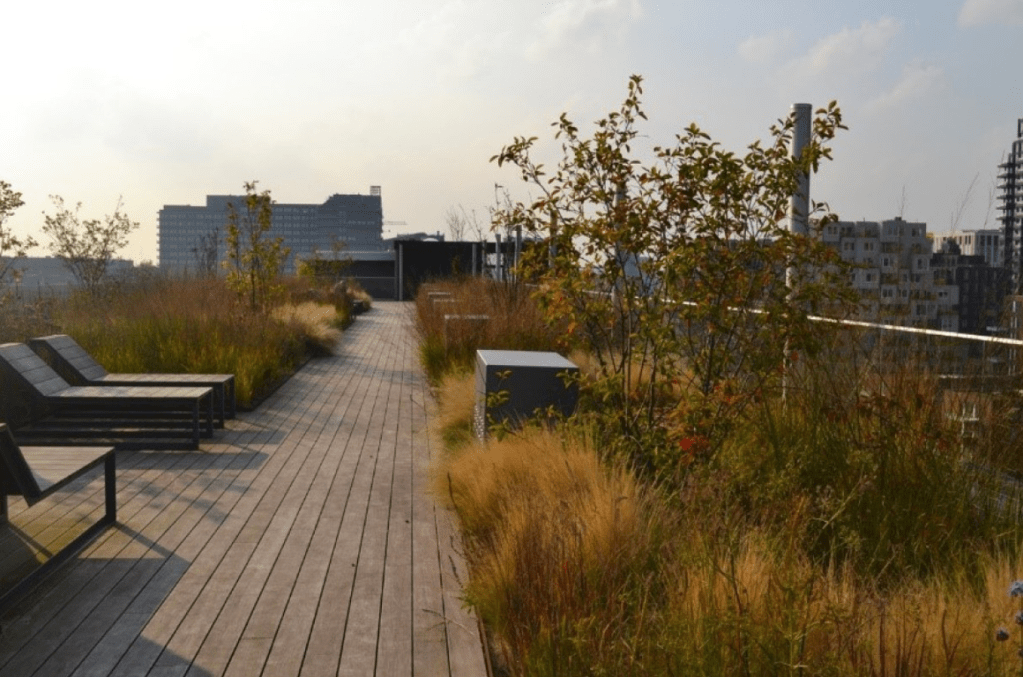
“You’ve probably heard of a green roof, which sits on top of a building and is covered with vegetation. But what about a blue roof? You might have guessed that it has something to do with water. Indeed, a blue roof collects stormwater through a pond system, temporarily stores it and gradually releases it afterward — offering a way to conserve water and prevent water damage. During a storm, rainwater can overwhelm urban sewer systems and send contaminated, untreated water into lakes and rivers. A blue roof could help solve this problem.” 


“It’s a new form of green infrastructure,” said Rohan Hakimi, an engineer in integrated water management with Credit Valley Conservation in Ontario. Hakimi said the benefit of blue roofs is most evident in industrial commercial areas, which make up almost 30 per cent of commercial lands in cities.” 


“When it rains in these areas, because of all these hard surfaces, the water doesn’t have anywhere to go, so you get a lot of runoff and risk of flooding.” Water damage has become the leading cause of personal property claims in Canada, said Bruce Taylor, president of Environment Stewards, a company that provides businesses with sustainable solutions to environmental challenges. He said our current urban infrastructure was not designed for the extreme weather conditions we are increasingly experiencing as a result of climate change.” 


“With climate change, you won’t get the same amount of precipitation but you get it in a shorter duration in bigger, shorter storms,” Taylor said. “If you get water faster than you designed for, then it fills up and it starts backing up and you get flooding. And flooding is very expensive wherever that occurs.”


“A blue roof system stores rainwater and slowly releases it using flow-control devices or structures, from customized trays to existing building risers that cause water to dam up. Together, they act as a temporary sponge, collecting and then releasing the water over time. The stored water also provides the building with a cooling effect through evaporation, as well as additional water for reuse.”


“Enviro-Stewards will be doing an impact assessment for two community organizations based in London, Ont., including a food bank, where the water stored in the roof will be used for irrigation in their greenhouses and gardens, said Taylor.  An “active” blue roof has a greater capacity than a “passive” one, allowing it to store water for a longer period of time and releasing it at a faster rate. Since the food bank doesn’t have the pool liner required for an active roof, they implemented a slow-release roof drain as a passive blue roof.” — Vicky Qiao, at CBC : https://bit.ly/3jQxNLJ

American Designer Creates Wind Turbine Walls

[Image: courtesy Joe Doucet]

“What if we could build wind turbines in our cities, right here in our own backyards? Not the tall and bulky poles with the huge spinning blades, but a new kind of wind turbine—one that could hide in plain sight and easily be mistaken for a wall?”

“American designer and entrepreneur Joe Doucet has created such a concept, and it looks like a kinetic art installation. His wind turbine wall consists of a grid of square panes spinning simultaneously along 25 axes. The exact size and format aren’t set in stone, so variations of that wall could be used anywhere with a decent span, like on the side of a highway or the fence around a building. In other words, it could make wind farms even more pervasive—not just in the ocean but also on land. This ingenious wall could harness enough energy to cover your electric bill.”

“In its current iteration, the wall is made up of 25 off-the-shelf wind turbine generators (the middle part the blades spin around). These are attached to 25 vertical rods with square panels attached alongside them. Right now, the wall is 8 feet tall and 25 feet wide, but the concept can be scaled. “You could have 25-foot rods clad entire buildings,” says Doucet. The only challenge would be to get the weight ratio right, so to make it lighter, Doucet envisions a framework made of aluminum, which can then be clad with any lightweight material.” (FastCompany.com at – https://bit.ly/3vYaG6W)

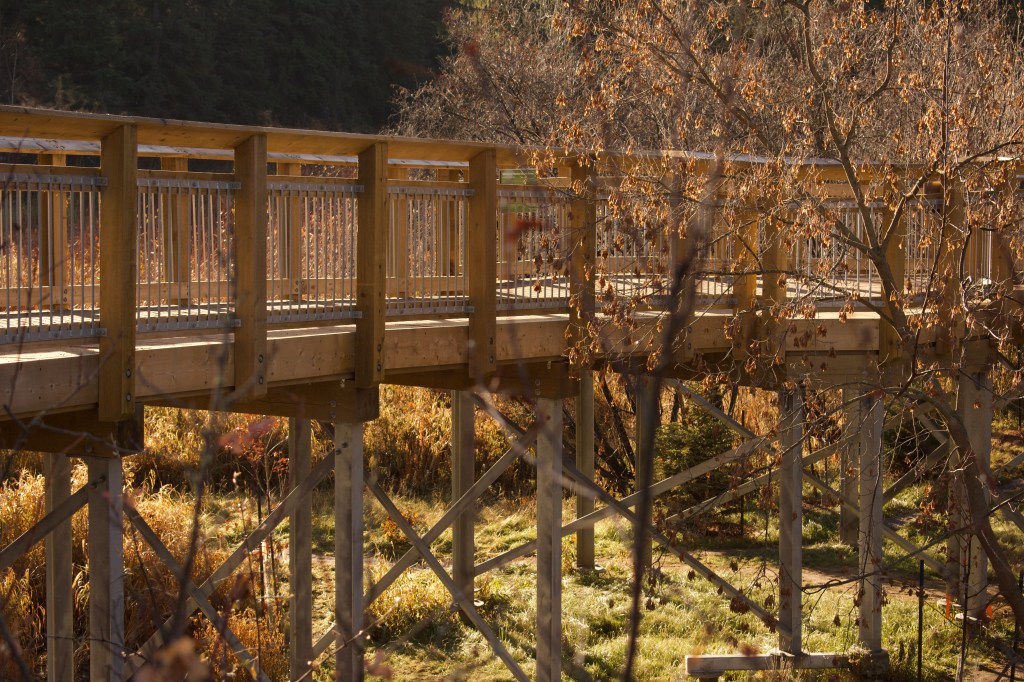
Trans Canada Trail and Great Canadian Hike

We learned recently that Canada is home to the world’s longest trail network – the Trans Canada Trail.

This cross-Canada connected system of greenways, waterways and roadways extends over 28,000 kilometres, stretching east-west from the Atlantic to the Pacific Ocean, and north to the Arctic Ocean.  Apparently, according to the TCT non-profit group that fund-raises to continue development of the trail, most Canadians live within a 30-minutes’ drive to access of the trail. After hearing this observation by TCT President and CEO Eleanor McMahon while being interviewed by Steve Paikin on The Agenda, Catherine decided to test if this was indeed the case for her. Sure enough she learned that in Toronto she can access the Waterfront Trail via “The Toronto – Sir Casimir Gzowski Park Pavilion is located within the park at the foot of Windermere Avenue, along the Waterfront Trail, just east of the QEW Monument and the Humber Bay Bike Bridge.”

From the Pavilion panels (text available virtually), we learned a bit more about the history of the Trans Canada Trails’ launch in 1992 –

“The Great Trail in Ontario: This marks the connection of Ontario’s section of The Great Trail of Canada in honour of Canada’s 150th anniversary of Confederation in 2017. From where you are standing, you can embark upon one of the most magnificent and diverse journeys in the world. Whether heading east, west, north or south, The Great Trail—created by Trans Canada Trail (TCT) and its partners— offers all the natural beauty, rich history and enduring spirit of our land and its peoples. “Launched in 1992, just after Canada’s 125th anniversary of Confederation The Great Trail was conceived by a group of visionary and patriotic individuals as a means to connect Canadians from coast to coast to coast. Given Canada’s vastness, varied terrain and sparse population, it was a bold—almost impossible—undertaking. Today, the Trail stretches nearly 24,000 kilometres, giving Canadians, now and for generations to come, a way to honour our shared history by retracing many of the routes that charted our nation’s development. Paddlers can explore the rivers and lakes first traversed by Indigenous peoples and voyageurs; hikers and horseback riders can meander the paths travelled by our first settlers; and cyclists can pedal the former railways that powered early industry. With hundreds of sections, The Great Trail is a trail of trails, running through urban, rural and wilderness areas, including all provincial and territorial capitals and many of our country’s provincial, territorial and national parks. The Great Trail provides Canadians and visitors alike with free, accessible recreational infrastructure promoting healthy living, active transportation and an appreciation for Canada’s natural heritage.”

The trail connects over 15,000 communities and is created and maintained as a labour of love by thousands of Canadian volunteers, for the benefit and enjoyment of all Canadians.  Fun fact: The Trans Canada Trail also is home to the world’s longest free ferry ride (about 30 minutes), from Balfour to Kootenay Bay, British Columbia.

The TCT vision for the future – “Building on the achievement of connection, the Trans Canada Trail will continue to inspire everyone to embrace the outdoors, to discover the diversity of our land and people, to enhance their health and well-being, and to share their stories along this globally significant and iconic trail network.”

Youtube video of The Agenda interview with TCT President and CEO, Eleanor Mc Mahon –

Join the Great Canadian Hike

There is still time, until October 31, to be part of the second annual Great Canadian Hike if you are inspired to experience the trail for yourself while also contributing toward the goal of logging 28,000 hours on Canada’s 28,000 kilometre Trail.

From the Press Release launching the Great Canadian Hike —

“This year, TCT invites Canadians in all 13 provinces and territories to DISCONNECT from screens and RECONNECT with nature and to one another, by collectively spending 28,000 hours on Canada’s 28,000 km national trail. Whether they choose to hike, walk, run, skip, paddle, roll, stroll or bike, the Great Canadian Hike is the perfect antidote to the social isolation brought on by COVID-19. In fact, 95% of Canadians said their enhanced trail use was prompted by a desire to enhance their mental health since the onset of the pandemic.

“In last year’s inaugural edition of the Hike, over 10,000 Canadians took up the challenge to collectively hike the length of the Trans Canada Trail, and amassed a combined distance of 108,000 km equivalent to almost three times the earth’s circumference!”

“New this year, participants are eligible to win great prizes when they refer friends and family members to join in the Great Canadian Hike. All participants must abide by local public health guidelines and recreate on the Trail safely and responsibly.”

“Visit the site at GreatCanadianHike.ca (to register for free) and watch the video here.”

“Find your local trail: Explore our map to find a Trail section close to you and decide where you’d like to hike. Check out our Featured Hikes for some inspiration!” (GreatCanadianHike.ca)

Virtual Visits with Parks Canada

Need more information and inspiration?  Readers may want to check out virtual visits to the Trail, put together by Parks Canada using Google Street View technology, at: https://tctrail.ca/parks-canada-virtual/

Virtual Park Tours are available for:

Banff National Park, Alberta

Terra Nova National Park, Newfoundland and Labrador

Pingo Canadian Landmark, Northwest Territories

Lake Superior National Marine Conservation Area, Ontario

Pukaskwa National Park, Ontario

National Historic Sites

Virtual tours of national historic sites include, among others:

Cave and Basin National Historic Site, Alberta

Fort Langley National Historic Site, British Columbia

Riel House National Historic Site, Manitoba

Monument-Lefebrve National Historic Site, New Brunswick

Signal Hill National Historic Site, Newfoundland and Labrador

Halifax Citadel National Historic Site, Nova Scotia

Bethune Memorial House National Historic Site, Ontario

Chamblay Canal National Historic Site, Quebec

Batoche National Historic Site, Saskatchewan

S.S. Keno National Historic Site, Yukon

(Go to: https://tctrail.ca/explore-the-map/)

500 Days in the Wild

Meet and celebrate a (literal) Canadian TCT “trail-blazer” – Dianne Whelan.

On August 1, 2021, filmmaker Dianne Whelan, walked the last few feet of her epic six-year solo journey across Canada on the Trans Canada Trail, emerging at Clover Point, Vancouver Island, to become the first person to complete the continuous trail on land and water routes. She is producing a documentary, “500 Days in the Wild,” to detail her six-year experience and motivation for embarking on this journey.

This one-minute CBC newsclip introduces Dianne  –

https://www.cbc.ca/player/play/1941544515546.

She begins to unpack her story, in this piece by Elaine Glusac in the New York Times, “Learning to Love Solitude (and Hate Oatmeal) on a 15,534-Mile Canadian Trek”

One of her learnings resonated in particular with us at Friends4Trees4Life – “…I’ve been able to do these things because of human kindness. It was just meeting people, sharing the story, and people were like, ‘Hey, Uncle Joe is driving that way, he can take your canoe.’ It was very grassroots. I learned this beautiful story from an elder in the Mi’kmaq Indigenous community, Danny Paul, who said we’re kind of like trees. On the surface, every tree looks like it stands alone. Beneath the surface all the trees in a forest are connected…”

We agree – we are all connected across this beautiful country, Canada, on this incredible blue planet we gratefully share with all living things as our home.

Youth in Action on Climate Change

Often, and understandably, it is noted that youth feel anxious about the future of our planet with climate change advancing. As well, we have read that the best way to combat this anxiety is for each of us to find ways to take back control by taking action and making a difference. From September 20-27 we can each join in around the country (with others around the globe) to peacefully protest in the #Friday Strikes for Future. Please consider looking up and joining in your area when this is happening. Most major locations have a culminating event on September 24.

#Friday Strikes for Future

“Because adults aren’t acting quickly enough to solve the climate change crisis, despite the abundance of solutions, young people are stepping up and speaking out in many ways and places. The #FridayForFuture climate strikes have grown into a worldwide movement since then 15-year-old student Greta Thunberg began her solitary strike outside Sweden’s parliament a year ago.”

“Thunberg recently arrived in New York, after a cross-Atlantic journey in a zero-emissions yacht, gearing up for a week of climate action from September 20 to 27 that includes the Friday strikes, a UN youth climate summit on September 21 and a global UN climate action summit on September 23. She also plans to attend the September 27 Montreal climate strike.”

“We strike so that in the United Nations meeting, when they speak, it is with our beliefs on their tongues. We strike so that when they raise their hands to vote, it is with the weight of our vision hanging from the tips of their fingers. We strike so that when they stand, it will be with the might of the youth, the workers, and the people,” School Strike for Climate Australia’s Evan Meneses said.

“As adults, we owe it to the youth and those not yet born to do everything in our power to ensure they have a livable future, with clean air, drinkable water, healthy food, biodiverse life and a stable climate. Dropping what you’re doing for one or more days to get out and march may not sound like much, but the more people show up, the louder the message to governments, media, industry and society.”

“Many of us grew up in times and places when we didn’t fully realize that our postwar shift to consumerism as economic policy was depleting Earth’s resources and throwing natural systems and cycles, including the carbon cycle, out of balance. We maybe had an inkling that some wealth in the developed world came at the expense of people in poorer nations, but we didn’t consider that driving around in large vehicles and burning gas were doing much more than causing some pollution, easily resolved by removing lead from gas and making fuel-efficient cars.”

“Now we’ve known for decades where the planet is headed if we continue with business as usual, and it’s not a human-friendly place. Let’s all get out there to demand action — and show the kids we care!” (From Davidsuzuki.org, at: https://davidsuzuki.org/story/lets-all-support-the-global-climate-strikes/)

United Nations Youth in Action

“Climate change has increased levels of uncertainty about our future. As its impacts intensify over time, one thing has become certain: We will leave the Earth to today’s children and young people, and to future generations. The world is home to 1.8 billion young people between the ages of 10 to 24 — the largest generation of youth in history. Young people are increasingly aware of the challenges and risks presented by the climate crisis and of the opportunity to achieve sustainable development brought by a solution to climate change.”

“Young people’s unprecedented mobilization around the world shows the massive power they possess to hold decision-makers accountable. Their message is clear: the older generation has failed, and it is the young who will pay in full — with their very futures.”

“Young people are not only victims of climate change. They are also valuable contributors to climate action. They are agents of change, entrepreneurs and innovators. Whether through education, science or technology, young people are scaling up their efforts and using their skills to accelerate climate action.”

“My generation has largely failed until now to preserve both justice in the world and to preserve the planet. It is your (the younger)generation that must make us be accountable to make sure that we don’t betray the future of humankind.” — United Nations Secretary-General, António Guterres

United Nations Youth Advisory Group 

The seven members of the Youth Advisory group met earlier this year with Secretary General Antonio Gutteres for a spirited discussion on climate concerns related to green jobs, debt burdens, inadequate funding for youth movements and indigenous land rights, among others. These seven members of the Youth Advisory Group come from all regions of the world and diverse backgrounds as climate leaders, activists, lawyers, researchers, and economists. Gutteres said “Pressure is needed on those who make decisions and young people are leading that”.

https://www.un.org/en/climatechange/yag-meeting

Climate Change and the Election

Fall is in the air.  The kids are back to school.  Gardening plans and pleasures are a blend of final vegetable harvests of the season and perusing catalogues for bulbs and seeds for next spring already. A good time for reflection and renewal, as summer’s warmth starts to fade and crisp, cool nights return.

We return to our co-blogging re-energized after last month’s summer break.

Even more, since we were able to enjoy a special in-person visit together during Lucia and Allan’s trip from Edmonton to visit with Ontario family and friends. It was wonderful to see each other! And, Lucia brought her camera to snap many a Toronto tree (and wildlife) photo to add to her vast collection for our blog 😊. (Catherine learned that black squirrels are a rarity in Alberta, even while they are everywhere in her back garden.)

We are both grateful and proud to call this special country, Canada, our home. The myriad reasons why would fill a different blog!

Given our personal mission in Friends4Trees4Life to empower personal climate action through learning and tree-planting, we are heartened to be living in a country where most citizens take climate change seriously and expect leadership from business and their governments on this matter.

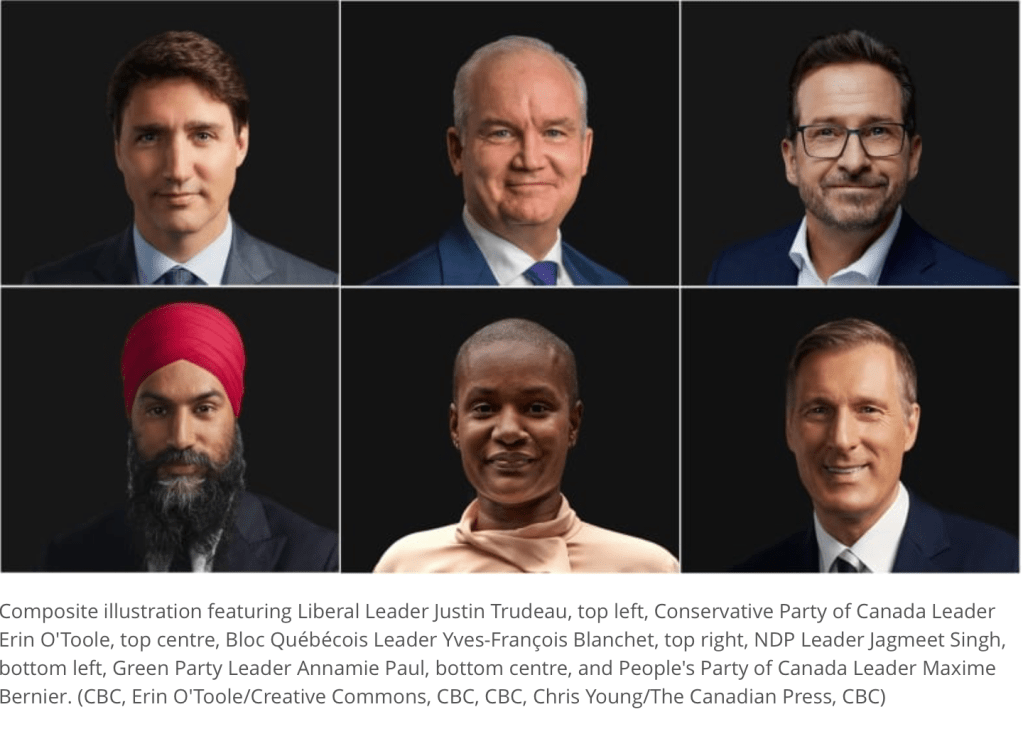
Next week on September 20th, Canadians head to the polls to elect Canada’s 44th Parliament. Importantly, climate action is among the key issues in the political debate and included as part of the campaign platforms for all major parties, with the exception of the People’s Party of Canada.

Obviously, we respect that it is up to each individual voter to weigh the many issues and deciding factors, as we cast our ballots.

To help with that process, in terms of the specific topic of climate change, we found this overview piece by CBC’s Emily Chung to be timely and informative – “Climate Change and the Election: Compare Party Platforms” — https://www.cbc.ca/news/science/climate-platforms-1.6171619.

The article outlines the main components in party platform commitments of the major parties with respect to:

  • Emissions Targets
  • Carbon Tax or Carbon Price
  • Modelling and Analysis to Help Assess if Parties will Meet Their Targets
  • Plans for Transitioning Canada to a Low-Carbon Economy
  • Enforcement Approach (e.g., regulation or carbon pricing)
  • Other Dimensions (e.g., climate adaptation plans, electric vehicles, green retrofits, cleaner electricity grids, nature-based solutions for carbon sequestering)
  • Wild Cards (e.g., green hydrogen).

IPCC Reports and Resources

Faster warming
“The report provides new estimates of the chances of crossing the global warming level of 1.5°C in
the next decades, and finds that unless there are immediate, rapid and large-scale reductions in
greenhouse gas emissions
, limiting warming to close to 1.5°C or even 2°C will be beyond reach.”


“The report shows that emissions of greenhouse gases from human activities are responsible for
approximately 1.1°C of warming since 1850-1900, and finds that averaged over the next 20 years,
global temperature is expected to reach or exceed 1.5°C of warming. This assessment is based on
improved observational datasets to assess historical warming, as well progress in scientific
understanding of the response of the climate system to human-caused greenhouse gas emissions.”

“…The report projects that in the coming decades climate changes will increase in all regions. For
1.5°C of global warming, there will be increasing heat waves, longer warm seasons and shorter cold
seasons. At 2°C of global warming, heat extremes would more often reach critical tolerance
thresholds for agriculture and health, the report shows.”


“But it is not just about temperature. Climate change is bringing multiple different changes in different
regions – which will all increase with further warming. These include changes to wetness and
dryness, to winds, snow and ice, coastal areas and oceans.”

“..For the first time, the Sixth Assessment Report provides a more detailed regional assessment of
climate change, including a focus on useful information that can inform risk assessment, adaptation,
and other decision-making, and a new framework that helps translate physical changes in the
climate – heat, cold, rain, drought, snow, wind, coastal flooding and more – into what they mean for
society and ecosystems.”


“This regional information can be explored in detail in the newly developed Interactive Atlas
interactive-atlas.ipcc.ch as well as regional fact sheets, the technical summary, and underlying
report.”

“..The report also shows that human actions still have the potential to determine the future course of climate. The evidence is clear that carbon dioxide (CO2) is the main driver of climate change, even as other greenhouse gases and air pollutants also affect the climate.

“ ‘Stabilizing the climate will require strong, rapid, and sustained reductions in greenhouse gas emissions, and reaching net zero CO2 emissions. Limiting other greenhouse gases and air pollutants, especially methane, could have benefits both for health and the climate,‘ said Zhai.”

Intergovernmental Panel on Climate Changehttps://www.ipcc.ch/

Elections Canada

Here is the link to Elections Canada’s website where voters may enter their postal code to find the list of candidates in each riding – https://bit.ly/2XpGlRG.

Protecting the Diversity of Canadian Wildlife

Enjoy your month of August out in nature, and we will take a summer vacation from our blog for a few weeks. Hope you see some of our great Canadian wildlife.

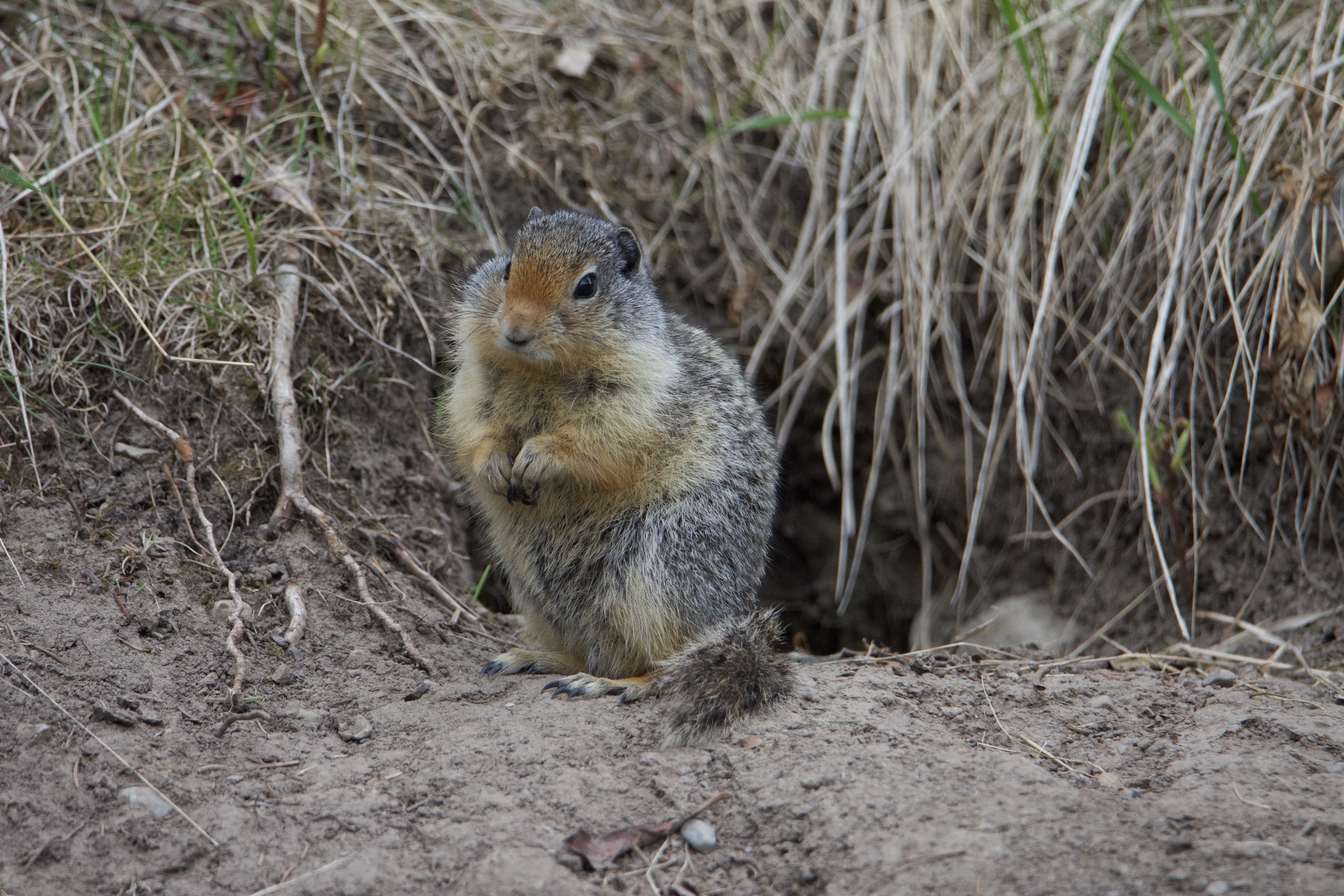
Photo of Columbian Ground Squirrel credit Lucia MacQuarrie

Photo credit white tailed jackrabbit, red squirrel, chipmunk, columbian ground squirrel and prairie dog: Lucia MacQuarrie

Photo Credit of Eastern Cottontail Rabbit, Red Squirrel, and Groundhog: MaryAnn Griffin

Photos of Racoons: by Lucia, MaryAnn and Jim

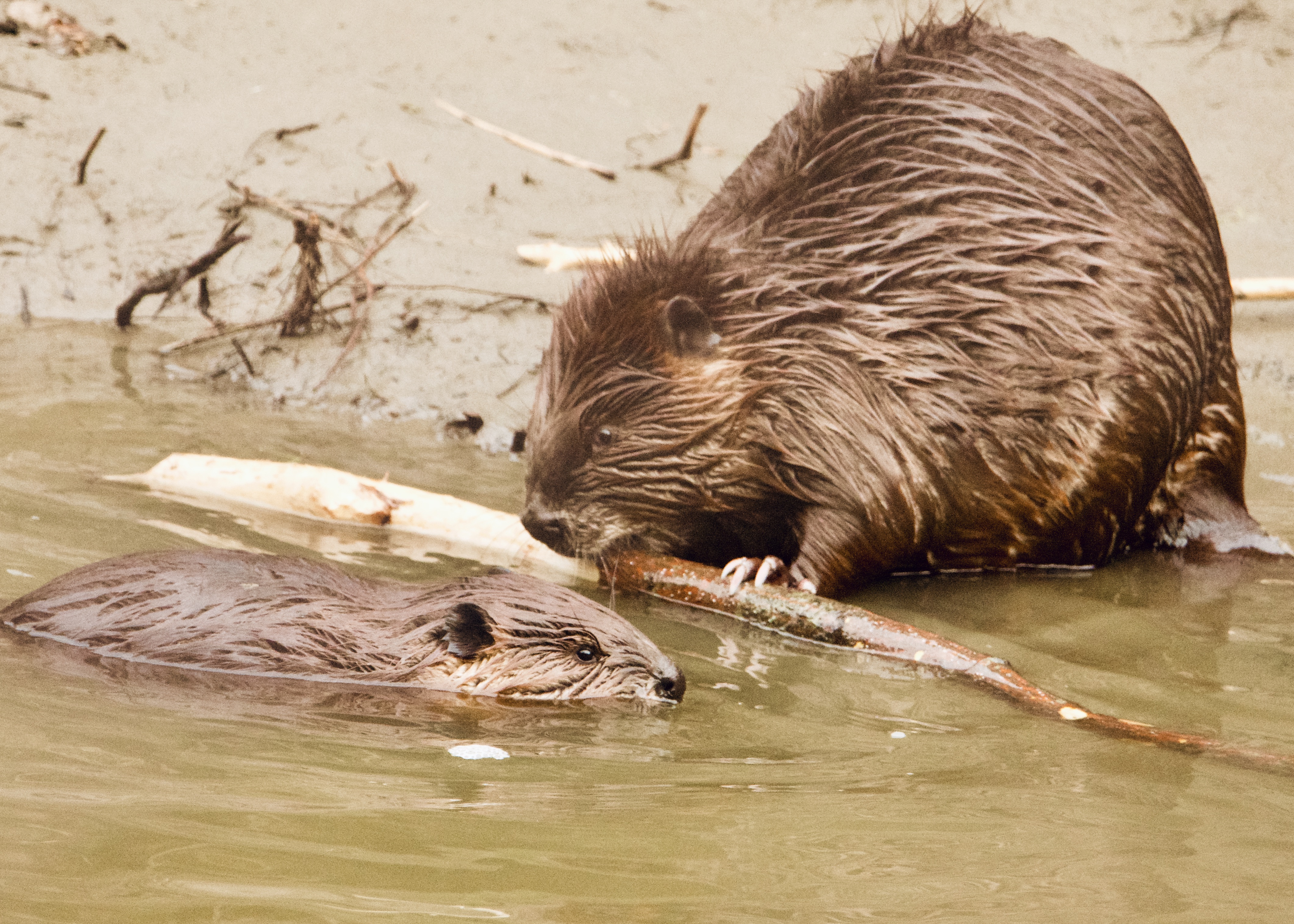
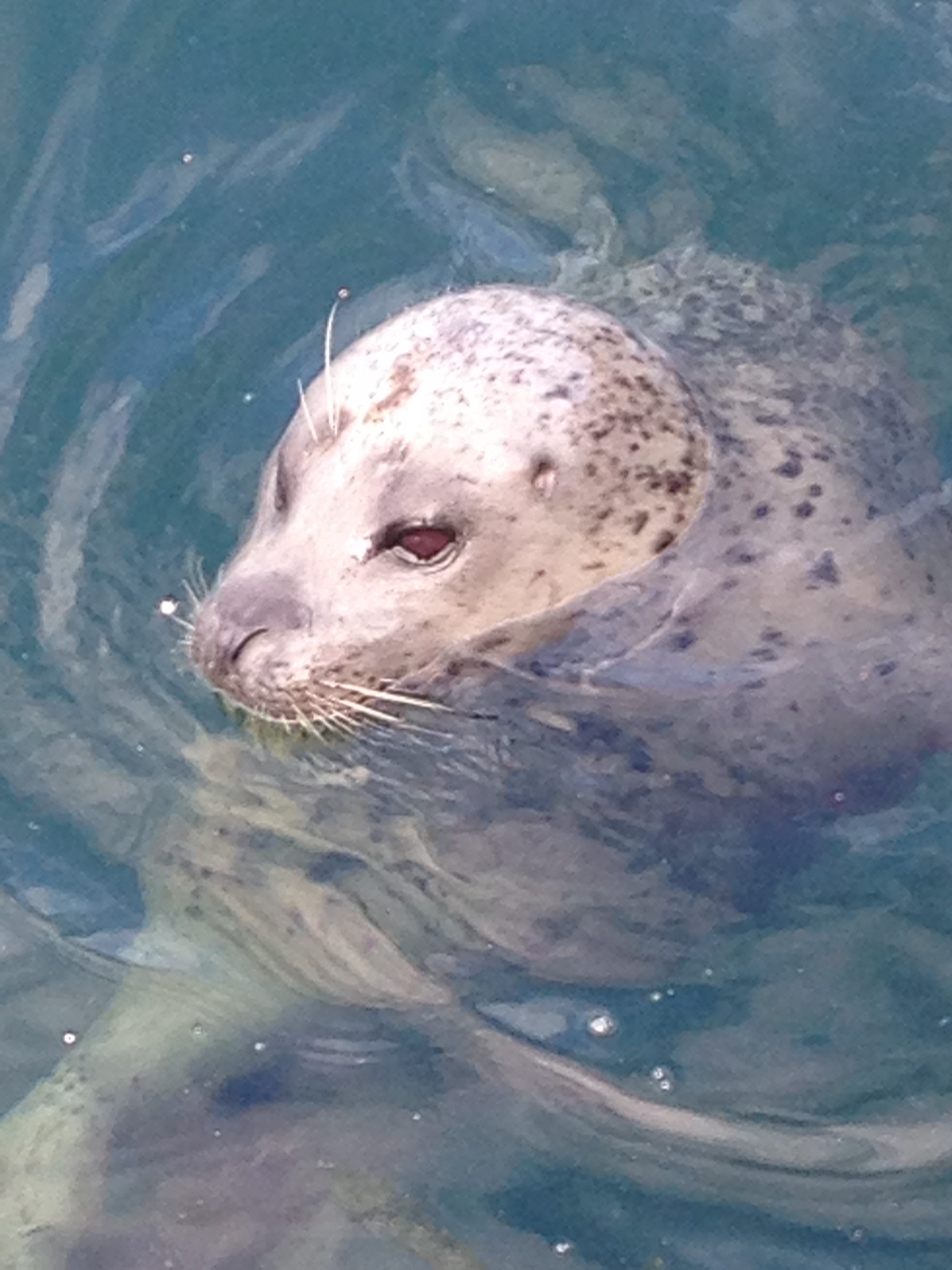
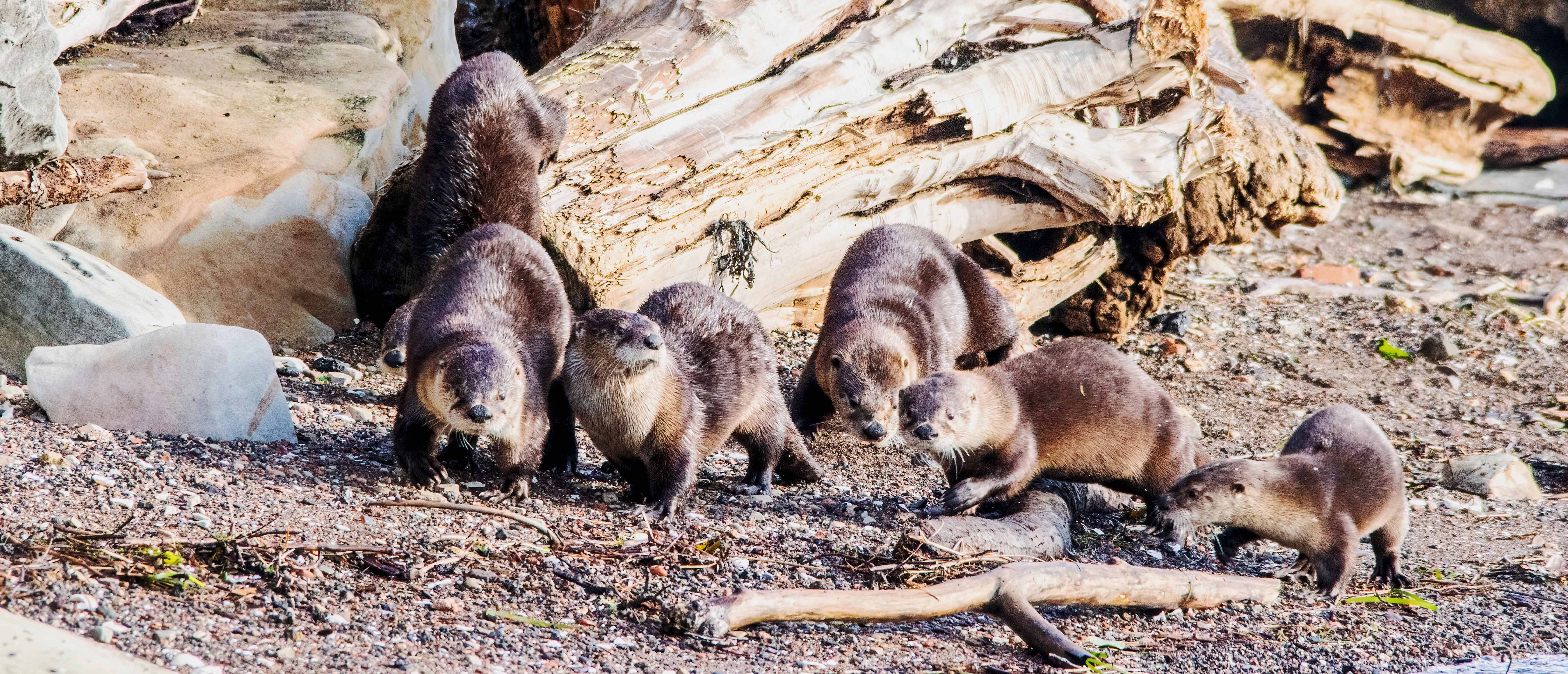
Photo credit of Muskrat, Beaver, Otter, Seal and Sea Lion: Lucia MacQuarrie and bottom images MaryAnn Griffin and Jim MacQuarrie

Photo credit of Striped Skunk: Lucia MacQuarrie

Photo of Coyote credit: MaryAnn Griffin

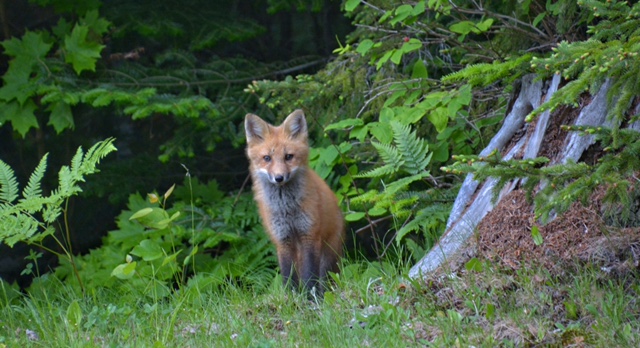
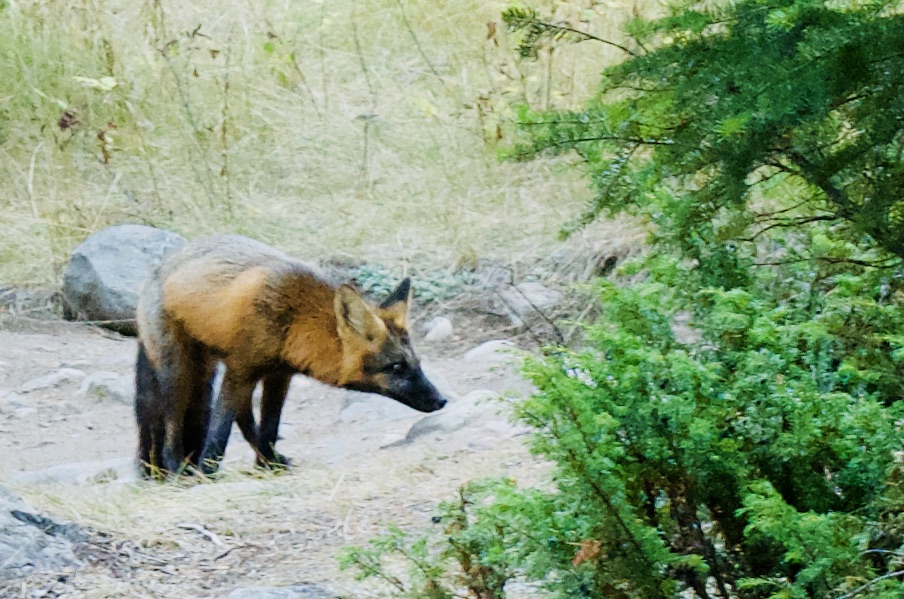
Photo credit of coyote pup and kit fox MaryAnn Griffin and red fox Lucia MacQuarrie

Photo credit of Mule Deer: Lucia MacQuarrie
Photo credit of Arctic Wolf: MaryAnn Griffin

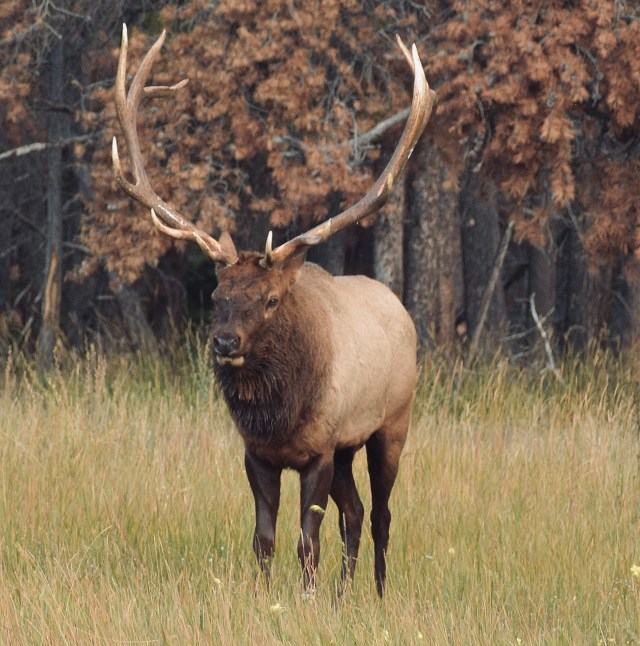
Photo credit of Elk: Lucia MacQuarrie

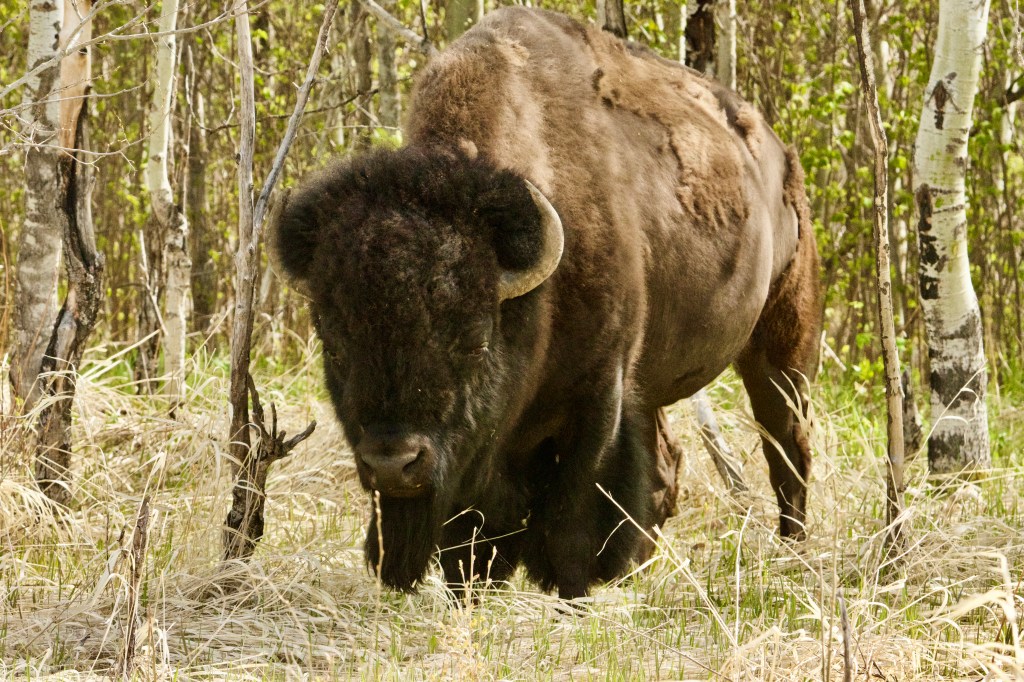
Photo credit of Bison: Lucia MacQuarrie

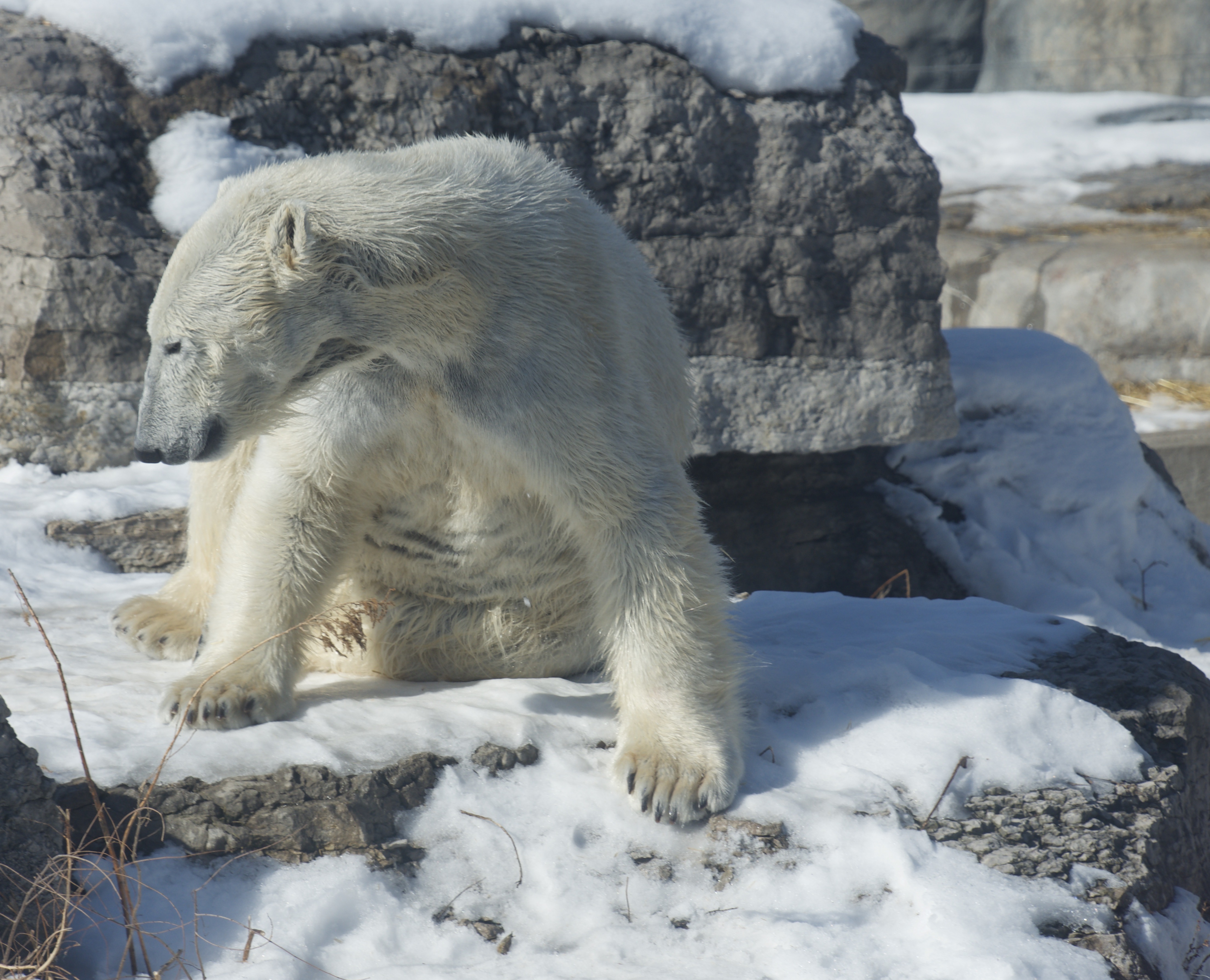
Photo credit of Polar Bear Lucy; Grizzly Bear Allan and Black Bear MaryAnn

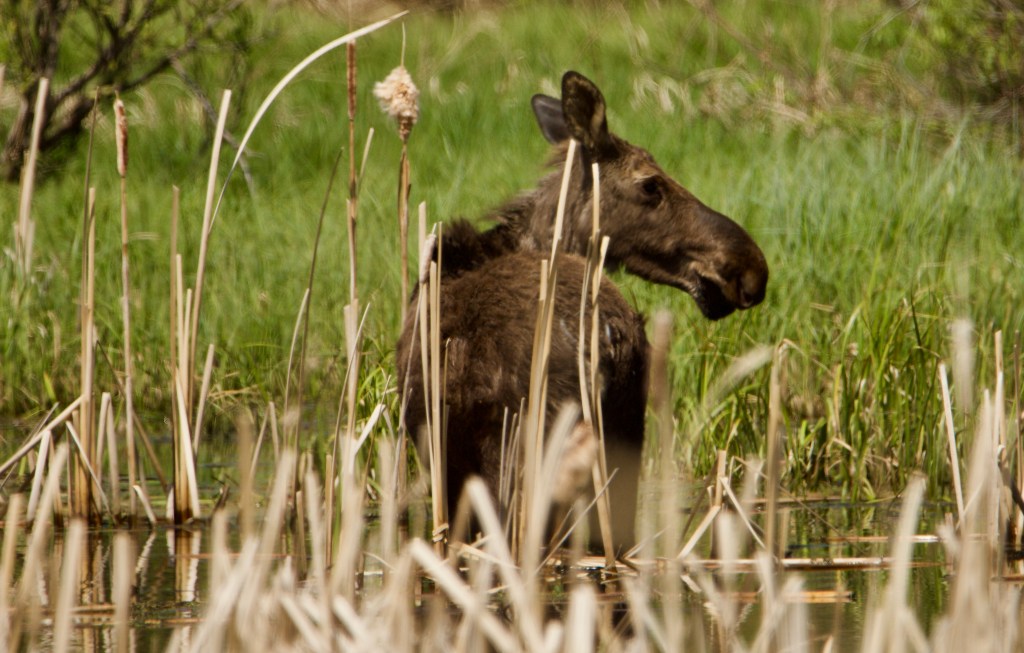
Photo credit of Moose: Lucia MacQuarrie
Photo credit of Caribou/Reindeer: Lucia MacQuarrie
Photo Credit of White Tailed Deer: Jim MacQuarrie

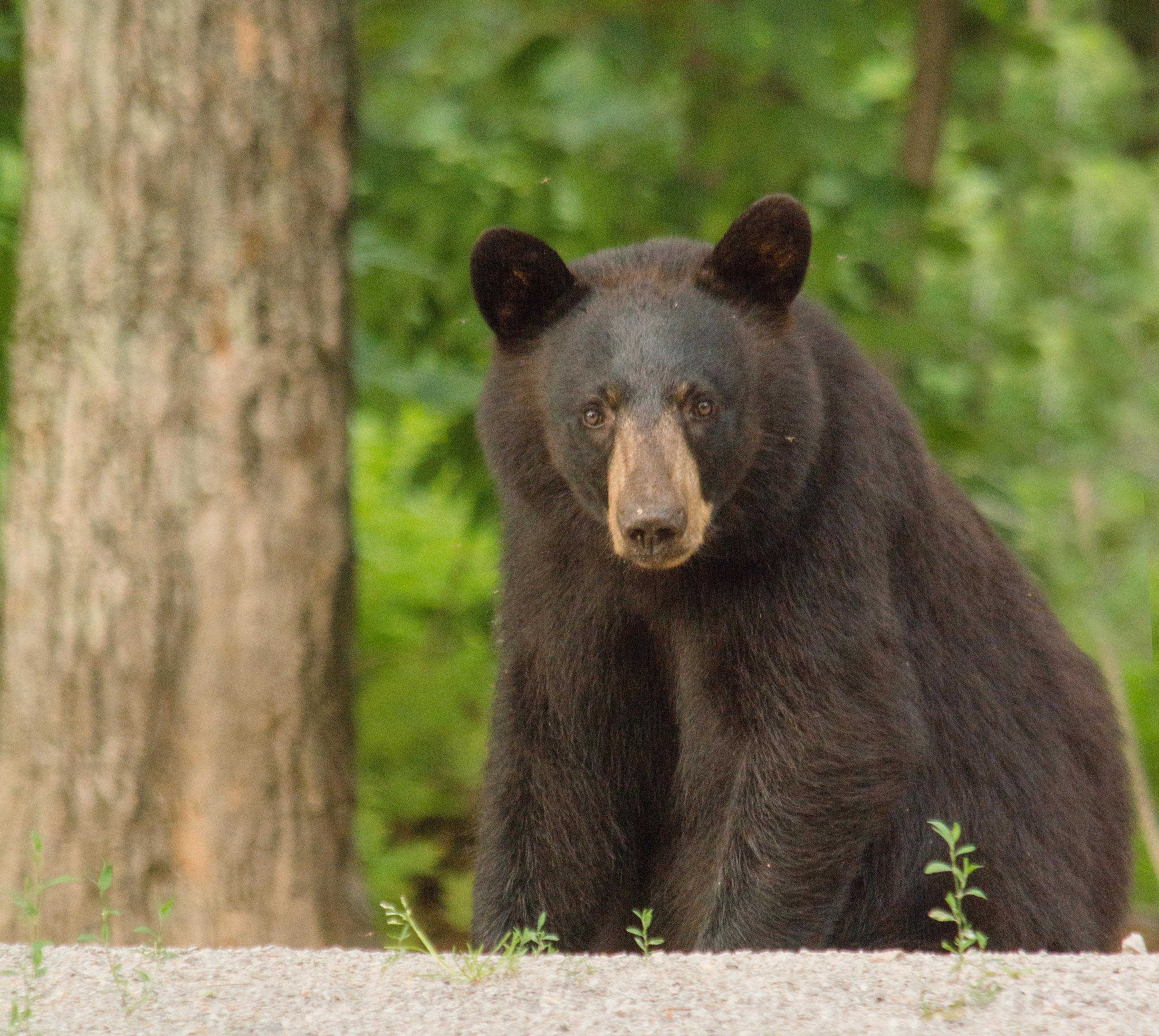
Photo credit of Black Bear: MaryAnn Griffin

Heat Waves, Fires, and Smoky Air in Canada

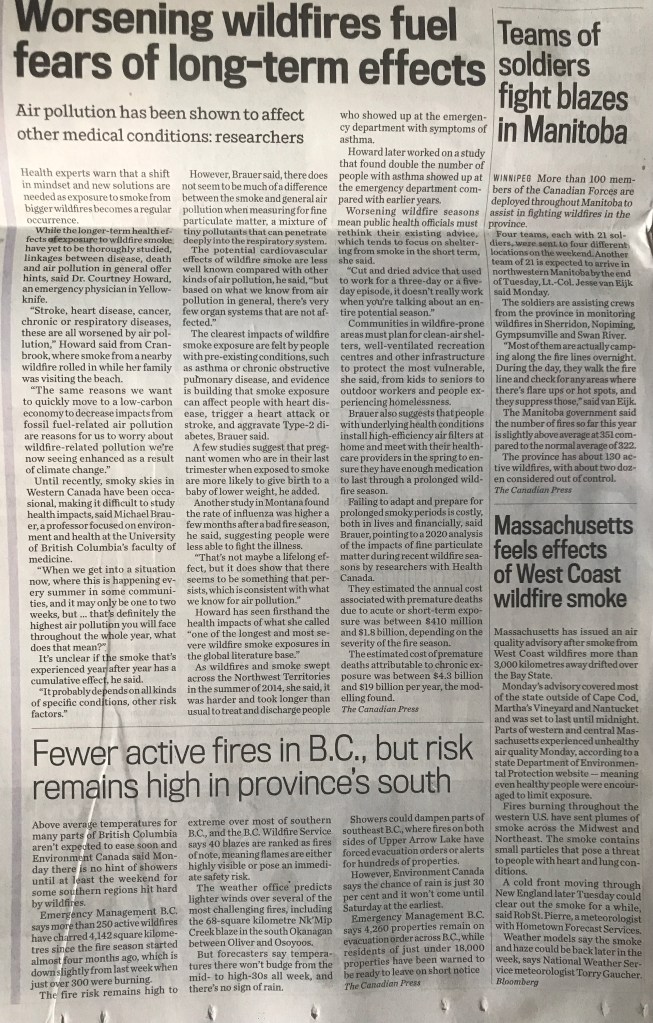
“For those living through yet another horrific fire season this is a graphic reminder of how climate change is with us, not just intermittently, but all the time” says Premiere of BC, Horgan.

By Amy Smart of the Canadian Press, July 21, 2021

https://vancouversun.com/news/local-news/b-c-wildfires-graphic-evidence-of-climate-change-horgan-says

Photo credit Lucy

While raging fires illustrate the implications of climate change with dramatic visual impact, the flames themselves don’t tend to claim lives in Canada. It’s the heat that precedes and sustains them, and the smoke they billow far and wide, that can have widespread and devastating implications for human health. And then there is the ongoing stress of losing your home, or being evacuated or being on alert for evacuation.

https://www.theglobeandmail.com/business/commentary/article-a-us-lurch-toward-carbon-tariffs-should-have-canada-and-others/

Heat Waves are Increasing and Hotter Nights are Dangerous

When it comes to climate change, there is one fairly well-understood extreme that is already affecting humans around the world, most recently in Canada with deadly consequences-heat waves. According to a recent study published in the journal The Lancet, more than five million deaths annually around the world between 2000 and 2019 were associated with “non-optimal temperatures,” with roughly 10% or 500,000 of these deaths related to heat. While many of these deaths occur in tropical countries, heat waves are beginning to affect more northerly climes.

During the heat wave that suffocated B.C. at the end of June 2021, more than 800 people died in the province. For comparison, in the same period last year, there were 232 deaths, according to B.C. Coroners Service’s chief medical officer, Dr. Jatinder Baidwan. The coroner’s office is continuing to investigate all of the deaths in order to nail down exactly how many were heat-related.

While we know that daytime temperatures are rising, in some regions — specifically in parts of Ontario and Quebec — nighttime temperatures are warming faster. Those warmer nights mean our bodies don’t have any time to cool off. For people with health issues like heart disease or asthma, for example, this can be extremely problematic and potentially deadly. “Our bodies were not designed to put up with environmental heats that exceed the high 30s,” Baidwan said. “If you think about it, what happens to an air conditioning unit? When you stress it, it builds up with lots of ice on the outside and then it stops working. And in some ways that’s a great analogy for what happens to our bodies. With extreme heat, we just find it really hard to do the usual homeostatic sort of mechanisms and protocols that happen in our body.”

Parts of eastern Canada, including Ontario and Quebec, are seeing more frequent heat waves and tropical nights, defined as nighttime temperatures 20 C or higher. According to the Climate Atlas of Canada, the number of tropical nights in Toronto averaged roughly 6.9 annually from 1976 to 2005. With climate change, under a scenario where carbon emissions decline substantially, that is expected to climb to 17.6 annually from 2021 to 2050. If current rates of carbon emissions continue, the average number of tropical nights in Toronto is expected to hit 20.6 annually from 2021 to 2050. From 2051 to 2080, under the two different scenarios for emissions, the average number would rise to 26.4 and 42.8 respectively.

June 2021 was the hottest on record for the Northern Hemisphere. In fact, 2019, 2020 and 2021 are the three hottest Junes on record for the Northern Hemisphere.

Air Conditioning Creates Heat Islands in Cities

As Earth continues to warm, air conditioning may seem like a possible solution. The problem is that energy is needed to operate them, and this also produces heat. Cities create “heat islands” where heating is further amplified by  concrete structures, adding more stress to people who are living in a hotter climate. Some cities like  Toronto and Montreal are trying to introduce greener building codes and designs to address this. 

Widespread Effects of Heat on Wildlife

Average temperatures in Canada have already warmed by 1.7 C and the country is warming at more than twice the rate of the planet. Increasing heat waves with higher-than-average temperatures during days and nights are also taking a toll on animals and delicate ecosystems, as well as crops.

A study published in the journal Global Change biology last October found that nighttime temperatures are rising across most of the world. In those areas that saw more nighttime temperature warming than daytime, there was more cloud cover, higher precipitation and more humidity. This can affect nocturnal animals, but also animals that are active during the day who use the cooler nighttime temperatures to recover from heat stress. “The changes increase the boundaries at which nocturnal species can operate. So you may get shifts in ranges, which then messes up ecosystems from changing competition and changing predation/prey relationships, and things like that,” said Daniel Cox, lead author of the study and a research associate in the U.K. at the University of Exeter’s Environment and Sustainability Institute.

Nicole Mortillaro Senior Reporter, Science

https://www.cbc.ca/news/science/nighttime-temperatures-climate-change-1.6112778

Photo by Lucy

Forest Fires, Fire Weather and Climate Change

When forest fire researcher Mike Flannigan looks ahead at what climate change means for wildfires in Canada, he doesn’t beat around the bush: “in a word, the future is smoky.”

Flannigan has been studying fire for over thirty years. He’s researched the key ingredients of destructive wildfires – fuel, ignition, and weather – all over the world. His work, and the work of hundreds of other researchers, shows that climate change is predicted to worsen all three ingredients across most of Canada, making global warming a triple threat to our forests.

When he considers what’s in store for Canada, Flannigan says simply that “There is a lot more fire in the future, and we better get used to it.” More and more Canadians are living, working, and playing in Canada’s forests. That means more people are likely to be affected by larger and larger fires – even catastrophic ones. “Was Fort McMurray a one-off?” Flannigan muses: “Heavens, no.”

To figure out what climate change means for forest fires in Canada, Flannigan and a team of researchers at the Canadian Forest Service analyzed the findings of almost 50 international studies on climate change and fire risk. They found that our future looks “smoky” because climate change will worsen the three major factors that influence wildfire: having dry fuel to burn, frequent lightning strikes that start fires, and dry, windy weather that fans the flames.

Another recent study  by Flannigan and several other scientists predicts that western Canada will see a 50% increase in the number of dry, windy days that let fires start and spread, whereas eastern Canada will see an even more dramatic 200% to 300% increase in this kind of “fire weather.” Other studies predict that fires could burn twice as much average area per year in Canada by the end of the century as has burned in the recent past. 

Mitigation

There’s a vicious cycle connecting forest fires and climate change: warmer temperatures make fires more likely, and burning forests release greenhouse gas pollution that makes global warming worse. This means that overall efforts to reduce greenhouse gas emissions and slow global warming will also help prevent forest fires. And on the other hand, working to reduce the number and severity of forest fires will also help slow climate change.

Many aspects of wildfire are out of our control, but as Flannigan notes: “every human-caused fire is preventable.” And Findlater reports that many of the recent fires near Kelowna have been caused by human carelessness. A world of ever-increasing fire risks and consequences will demand more fire bans and forest closures as well as more innovative and life-long fire education to reduce the number of human-caused fires.

A recent fire set from a gender reveal party is possibly going to result in jail time.

Adaptation

How do we “get used to” a world with much more wildfire? Fortunately, there are a number of things individuals and municipalities can do to reduce fire risk. Fire Smart [https://www.firesmartcanada.ca ] guidelines are available for individuals and for community leaders. Municipalities can create and maintain fire buffers around and within their communities by bulldozing trees, removing built-up forest litter, and making creative use of parks and open spaces as fire breaks. Findlater would like to see provincial regulation of fuel-rich private land, requiring better management that will reduce fire risk to the community as a whole. And individual homeowners and businesses can design buildings with fire safety in mind, for example avoiding the use of flammable materials in construction and landscaping.

We also need to adapt our wildfire response strategies to a world of more frequent, more intense fires. Natural Resources Canada estimates the fire protection costs could double in Canada by 2040 as we attempt to keep up with the worsening risk.  Flannigan argues that remote fires should be allowed to run their course by burning freely without human interference. Concentrating fire-fighting budgets and capacity on wildfires that directly threaten human lives and livelihoods will prevent the most catastrophic impacts, naturally reduce the buildup of dry fuel in the wilderness, and prevent firefighting costs from growing wildly out of control along with our worsening forest fires.

Many effective and innovative firefighting strategies are already in place. Findlater suggests that excellent systems have been created to share emergency-response leadership and resources across regions, provinces, and the entire country. He notes that British Columbia’s regional emergency management services are getting better and better at coordinating their wildfire response: but “sad to say,” it’s because “we’ve had a lot of practice.”

https://climateatlas.ca/forest-fires-and-climate-change

Backburn

One approach that can be effective in reining in intense wildfires is known as backburn – setting a controlled fire that backs into the prevailing wind in the path of an approaching wildfire. The low-intensity backburn consumes fuel in a managed way before a high-intensity, out-of-control fire gets the chance to burn it. “The fire goes out because there’s no fuel,” Dr. Flannigan said. But while the technique is effective, it can also be risky, particularly in mountainous regions such as Western Canada, where the wind direction can shift quickly and turn the backburn into a new out-of-control fire.

In anticipation of forest fire season, some jurisdictions will engage in prescribed burning, in which a patch of land is purposefully burned and the fire is monitored and controlled. This practice stems from the principle that an out-of-control wildfire that bumps up against land that has recently been subject to a prescribed burn will start to dwindle. Burned land is unlikely to burn again for 10 to 20 years.

Learning from Indigenous Fire Managers

“It may seem counterintuitive to fight fire with fire,” a report released last month by the Global Climate and Health Alliance says. “However, fire is used in carefully controlled ways by Indigenous communities around the world.”

The report, The Limits of Livability: The Emergency Threat of Smoke Impacts on Health from Forest Fires and Climate Change, recommended that wildfire agencies work with and learn from Indigenous fire managers.

One such Indigenous fire manager is Russell Myers Ross, the former chief of Yunesit’in First Nation, one of six communities within the Tsilhqot’in Nation in central B.C. Mr. Myers Ross is the community’s main liaison with Gathering Voices, an Indigenous-led charity that’s supporting a project aimed at revitalizing traditional fire management in the territory.

“Indigenous people have been using fire as a way of managing the land for hundreds, if not thousands, of years,” Mr. Myers Ross said. “For us, it’s a chance to revitalize that knowledge.”

https://www.theglobeandmail.com/business/commentary/article-a-us-lurch-toward-carbon-tariffs-should-have-canada-and-others/

Fighting B.C. Wildfires

Doug Findlater, mayor of West Kelowna, recalls seeing the 2003 Okanagan Mountain Park fire sweep into town: “It kind of looked like a war movie, with houses blowing up all over the place,” he says. More recently, Canadians watched with horror as the immense Fort McMurray fire of 2016 threatened the city. The Fort Mac fire caused the evacuation of almost 90,000 people and quickly became the most expensive natural disaster in Canadian history, destroying 2400 buildings and causing about $10 billion in damage.

Forest fires make headlines across Canada every summer. They regularly devastate millions of acres of forest  and sometimes threaten entire communities with sudden, catastrophic violence. Destructive fires have an enduring impact on the community that lingers long after people return home to resume their lives. Findlater speaks from experience when he says “life is never quite the same again after you’ve been evacuated.” The extraordinary danger and lasting impacts of wildfire explain why we spend so much money – about a billion dollars a year – fighting it. 

Fire is a seasonal summer threat because it can only start, intensify, and spread in hot, dry weather. Findlater reflects that “as a mayor, I don’t really look forward to summer in the way most people do.” He notes that as climate change brings on longer, drier summers, Canadians will have to live with more and more risk of more and more serious wildfires, and that we have to take decisive steps to manage the growing danger.

“Climate change is forcing B.C. to rethink how it fights wildfires, say experts. Tactics are adapting, but not fast enough as wildfires worsen. While the province has invested millions in fire prevention, some in the fire management sector say much more is needed, as well as a fundamental rethinking of fire suppression. The sudden incineration of homes in Lytton — with at least presumed two dead in the blaze, according to the  BC Coroners Service — came as a shock to one wildfire expert who previously advised groups in the area on prevention.

Photo by Lucy

“I was quite surprised to see how everything transpired there because I know how much work they’ve done in Lytton to clean up all the grass and needles, but they couldn’t tackle all the hazards around the community,” said Brenden Mercer, forestry management liaison for First Nations’ Emergency Services Society, who conducted assessments for Lytton-area First Nations and municipal authorities.

Last time we checked the province of B. C. has 277 active wildfires with about 5500 homes under evacuation orders and 17,691 properties on alert. Most fires have been started because of lightning. On average 60% of the fires are caused by lightning and 40% human cause either intentional, or accidental. Human-caused fires cause the most fires that affect homes, and are the major cause of fires in more remote areas, too. They include wildfires started by debris burning, sparks thrown from equipment and railroads, power lines, smoking, fireworks, campfires, accidental ignitions, and arson. Overall, human-caused fires have doubled the length of the wildfire season compared to lightning-caused fires.

“Generally speaking, B.C. was three weeks ahead of it’s drying cycle,” Cliff Chapman, director of regional operations for the B.C. Wildfire Service, told reporters Friday afternoon. “It is not really comparable to seasons of the past just because of the heat wave that set in in June.”

“Mercer, a registered forest technologist, said that much has improved in B.C. since the devastating wildfire season in 2017. In particular, the province has committed to working with First Nations, and there is funding for training Indigenous firefighters and preparedness. But he said more support is needed, in particular when it comes to prescribed burns which are carefully controlled blazes intentionally set to use up potential wildfire fuel. Such practices were widespread among Indigenous peoples in B.C. — but recent decades of fighting fires instead of preventively managing their fuel mean that many ecosystems have become a tinderbox. “It’s come to the point where some of these ecosystems have so much more fuel than they would have historically,” Mercer explained.”

“There is also more urban development encroaching on forests and climate change is also at play, contributing to the recent heat wave which saw records shattered across the province —  the highest in Lytton which reached 49.6C a day before it burned.”

“He urged authorities to follow First Nations’ advice and do “more aggressive prescribed burning,” especially around communities surrounded by grasslands mixed with pine needles. “Putting fire back into the landscape can help protect it from fire for almost a decade,” he said. “It’s 100 per cent the way the Indigenous people look at wildfires, compared to how governments fight wildfires. After the 2017 wildfires, the province’s emergency management agency increased its cooperation with First Nations. On Friday, Emergency Management B.C.’s Pader Brach said the province made efforts to ensure Indigenous communities were “sitting at the same table” as soon as possible this week, and that the government was taking a “collaborative” approach.”

“The Lytton fire can also serve as a wake-up call to prepare for the long-predicted impacts of climate change, said an expert at the University of Victoria. Wildfire management funding has been boosted to $101M as B.C. prepared for the dry season. “Climate impacts are driving these extreme fire seasons,” said Carly Phillips, with the Pacific Institute for Climate Solutions’ Wildfire and Carbon Project. “Unfortunately”, she said, “not only are wildfires worsened by climate change, but in turn, burning forests contributes massive amounts of carbon into the atmosphere, accelerating climate change itself.”

David P. Ball is a CBC News reporter in Vancouver. 

https://www.cbc.ca/news/canada/british-columbia/climate-change-fighting-bc-wildfires-1.6088956

Here is another article on forest fire management if you would like to read more:

Prescribed Burns

From the link above: “Last month, a paper out of UBC selected a stand of old-growth forest outside Williams Lake, B.C. and used tree-ring data to carefully track what fires in the area used to look like before the onset of the 20th century. What researchers found was that, prior to the arrival of Europeans, prescribed burns through the area roughly every 10 to 30 years, and were usually of middling severity. Nowadays, modern fire suppression ensures that the same kind of forest will typically go 70 to 180 years without a burn, guaranteeing a much more severe fire when it does strike. “In absence of low- to moderate-severity fires, contemporary forests are dense with closed canopies that are vulnerable to high-severity fire,” wrote researchers. B.C. forests piled high with what wildfire experts call “fuel load” — the accumulated debris, deadwood and untreated clearcut areas that can dramatically accelerate the speed and intensity of a wildfire. There needs to be a great increase in the number of prescribed burns.

https://nationalpost.com/news/why-you-cant-just-blame-climate-change-for-b-c-being-on-fire/wcm/58cb1ad6-f0de-446a-9878-0abb0b717696/amp/

The Smoky Future and Our Health

“In an interview with The Globe and Mail, Prime Minister Justin Trudeau said the wildfires and deadly June heat wave that set more than 1,200 new temperature records across North America have provided the Liberal government with an opportunity to bolster its climate-change agenda. “We simply have to be even more aggressive in our thoughts,” he said. Already, wildfire seasons in some jurisdictions have become longer. In Alberta, for example, the fire season officially begins March 1 while just a few years ago, the start date was April 1.

The area burned by wildfires in Canada has doubled since the early1970s, said Mike Flannigan, research chair for predictive services, emergency management and fire science at Thompson Rivers University, in Kamloops. In California, where almost 10,000 wildfires raged during last year’s record season, that trend is even more pronounced. The area burned has increased by at least a factor of five.

Dr. Flannigan said it’s going to get worse – it’s just a matter of how much worse. Modest predictive modelling suggests the area burned in Canada will double again by the end of the century; more aggressive modelling predicts it will increase by a factor of as much as 11. And people who live far from the actual wildfires can be exposed to poor air quality from burning biomass. In 2018, smoke from wildfires in British Columbia spread across Canada and as far as Ireland; last year, smoke floated from the states of Washington and Oregon into Western Canada. Wildfires are about extremes. In Canada, 3 per cent of fires on average burn 97 per cent of the total area burned. 

The recipe for wildfire is always the same. It has three ingredients: ignition, either from human activity (which dominates in the spring) or lightning (which dominates in the summer); vegetation, which serves as the fuel; and hot, dry, windy weather. “If you have all three, away we go,” Dr. Flannigan said. “As the temperature increases, the ability of the atmosphere to suck moisture out of the vegetation increases almost exponentially.”

Scientists are still debating whether climate change is exacerbating the situation in ways beyond temperature, such as increasing the likelihood of the blocking pattern that held the hot, high-pressure air system over the West during the recent heat wave( heat dome). Dr. Flannigan said research in North America suggests that while this blocking pattern isn’t necessarily happening more frequently, it is increasing in intensity and duration. Another factor in the role of climate change is precipitation, which is harder to determine because of high variability of rainfall in the West.”

Photo credit Lucy

The Shocking Effects of the Smoke

“Whatever climate effects are lurking in the background, once a wildfire has started, its potential impact over a broad swath of the country in the form of smoke can be predicted with growing confidence. This is the goal of BlueSky Canada, a smoke-forecasting project led by atmospheric scientists at the University of British Columbia. On a daily basis, the BlueSky system takes in infrared satellite data that can spot where fires are burning, and combines them with data on fuels, soil moisture and wind patterns at altitude to estimate how much smoke is likely to be injected into the air and where that smoke is likely to find its way back to the surface.

Not every breath of smoke is created equal, because not all wildfire smoke is created equal. In addition to gases such as carbon dioxide, nitrogen oxides and volatile organic compounds, it’s also full of particulate matter – solid particles and liquid droplets of varying sizes. When it comes to smoke exposure, air quality indexes and studies tend to look at what’s known as PM2.5, The composition of the PM2.5 depends entirely on what, exactly, is in the line of fire. Grasses, trees, houses and cars, for instance, all release different substances into the air when burned.

“These particles are important because when you breathe them in, they’re small enough to get into your cardiovascular system,” said Chris Rodell, a BlueSky Canada researcher.

Dr. Henderson is so concerned about the health effects of smoke exposure that she helped develop a supplement to the classic Air Quality Health Index, which was originally developed for urban environments where the air pollution mixture is dominated by traffic-related and industrial pollution. The calculation includes PM2.5, but particulate matter is afforded relatively little weight. Practically speaking, this meant the classic index tended to underreport the health risk during fire season. The supplement to the classic index, known as AQHI-Plus, only looks at PM2.5 levels, better reflecting the air quality experienced during forest fire season. The AQHI-Plus is now in use in B.C., and Dr. Henderson said its use is also under consideration in other provinces and territories.

With high concentrations, visibility is greatly reduced and, as Dr. Henderson puts it, “You can smell the smoke and taste it.” But it’s at levels of just 30 micrograms or so per cubic metre that the population starts to respond adversely to the smoke. “When the smoke looks really bad, people think it is really bad,” she said. “But it becomes unhealthy long before it looks terrible.”

PM2.5 can reach deep into the lungs, prompting the body to mount an immunological response just as it would if it detected the presence of an unwanted bacteria or virus. “The immunological response ends up causing inflammation, and that inflammation is systemic,” says Dr. Henderson, who has been studying wildfire smoke for two decades and has published upward of 40 papers on the topic. In other words, particulate pollution from smoke can affect every organ system in the body.

So while people with asthma and chronic obstructive pulmonary disease are the canaries in the coal mine of wildfire smoke, the inflammation can also increase the likelihood of a cardiovascular event such as a heart attack or a stroke. Emerging research also suggests that the body’s response to smoke exposure can make it harder for people with diabetes to balance their insulin levels, and may affect brain function for those whose cognitive abilities are already compromised.

Also important when considering the effects of wildfire smoke is the duration of exposure. Smoke can be transient, lasting hours or days, or it can be persistent. Atmospheric conditions can park smoke over a particular area for weeks or even months, as was the case in Yellowknife in 2014. The “summer of smoke” in the Northwest Territories capital was one of the longest and most severe wildfire smoke exposures logged in the global evidence base” and resulted in a lot of hospitalizations and a great increase health issues seeking treatment.

KATHRYN BLAZE BAUMENVIRONMENT REPORTER. IVAN SEMENIUKSCIENCE REPORTER July 21, 2021

https://www.theglobeandmail.com/business/commentary/article-a-us-lurch-toward-carbon-tariffs-should-have-canada-and-others/

For more reading about smoke from wildfires we came across this article in the Edmonton Journal on Tuesday July 27, 2021.

Sharing Good News Stories

We are feeling uplifted and inspired by news stories we read this past week in CBC and hope you will too. The first two share stories of individuals who are making a difference – a pair of young friends, and a young couple in Gambo, Newfoundland and Labrador. The third piece profiles an ambitious coastal cleanup project in BC that is good for the environment even as it serves to help people in BC’s tourism sector who have been hard hit by the COVID-19 pandemic.

Two Kids Planting a Forest

Meet Marcello Marini Ferraz, 10 and Olivia Marquez, 13, who have realized their “Field of Dreams” goal to fundraise to plant a “whole forest” – 1400 seedlings on one hectare (or one soccer field) in Mata Atlantico (the Atlantic Forest, Brazil).

CBC’s What on Earth, tells their inspiring story, begun when Marcello was 8 and Olivia 11. Marcello’s interest in the environment was sparked when he read SOS Planet Earth at his school in Toronto. One year later, on a family vacation to Brazil, he met and stayed with Olivia’s family, and together they were able to tour a rainforest space managed by SOS Mata Atlantico. From there, their general desire to help restore the rainforest turned into a specific goal to plant a “whole forest”. The adults involved helped Marcello and Olivia to create this YouTube video about their project, co-narrated by Marcello in English and Olivia in Portuguese-  Help us help the WORLD 2 – YouTube

(CBC What on Earth – https://bit.ly/3BmRfXw)

Growing Vegetables to Feed a Community

Meet Samantha Whitman and Nathan Gidge, in a CBC piece that profiles these two creators of two-year old Kingfisher farm, in Gambo, Newfoundland and Labrador. (CBC – https://bit.ly/3rjbRvg)

We were surprised to learn how little land it takes to feed a community – their small scale farming operation is on land that is the size of “many peoples’ backyards”.

In just two short growing seasons the couple have converted a “hillside heap of gravel” into a prolific vegetable garden that now supplies weekly veggie baskets to a full list of customers, with a wait list. In addition, for every purchased basket, they donate one veggie basket to “the local Family Resource Centre to go to young families in need.”

Read more about how they are maximizing their small farm space to get the most out of the land by applying ‘organic polyculture philosophy’ and methods such as crop rotation, crop diversity and attending to soil health – (CBC – https://bit.ly/3rjbRvg).

(This growing season Catherine is trying her hand at crop rotation, by dividing her garden space into four sections and grouping veggies according to the soil nutrients they use or contribute. The theory is next growing season each section of the garden and veggie grouping will shift to the right (crop rotation), in an effort to avoid nutrient depletion from repeated planting of the same crop in the same space, thereby improving overall soil health and productivity (hopefully) in the garden as a whole.  She just has to make sure to put her ‘garden map’ in a safe place she can find so she remembers “the plot” (e.g., tomatoes and squash following beans) when the next planting season comes around!)

Building Back Better with Coastal Cleanups

In this CBC piece we learned that the BC government is using $7 million from a special COVID-19 relief fund on an ambitious coastal cleanup project. The goal is to clean up 400 tonnes of plastic waste along 1200 km of BC coastline while employing workers and vessels from the tourism sector that has been hard hit by pandemic lockdowns. This sounds like a brilliant win-win-win approach and good news story about building back better.  Good for people, sea creatures and the environment! (CBC news – https://bit.ly/3Buvt4u)

Global Citizen Live

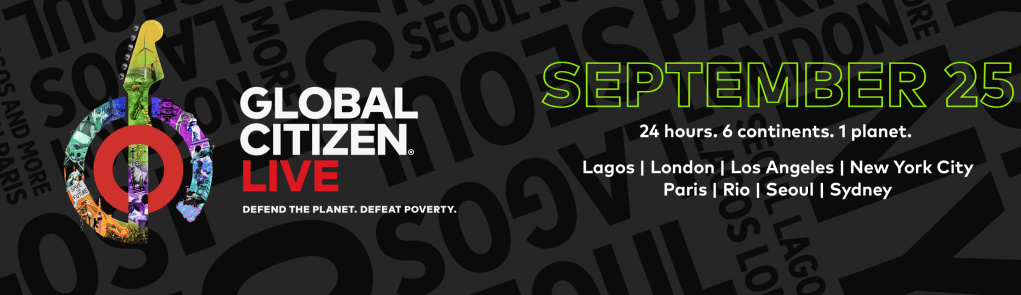
24-hours of music to raise awareness and money to fight worldwide threats that include COVID-19, climate change and extreme poverty are planned for the Global Citizen Live event on September 21, 2021 as reported in CP24. 

Ambitious goals for the event include fund raising for one billion doses of COVID019 vaccine, $6 billion for famine relief and one billion trees.

Artists such as The Weekend, BTS, Billie Eilish, Coldplay, Andrea Bocelli, Angelique Kidjo, Lang Lang and more are slated to perform in live events in cities such as Paris, London, LA and NYC’s Central Park.  Read more about participating artists as reported in this CP24 piece (CP24 – https://bit.ly/3hPtXlt) and about the lineup and plans to broadcast the event on September 25, in this MTV.com piece https://on.mtv.com/3wPO4V3. Mark your calendars!

Supporting Developing Countries in Climate Change

Photos by Lucia

Pressure is growing on rich countries to set out exactly how they will deliver a promised $100 billion a year in funding to help poorer nations tackle climate change. The UN Secretary General, Antonio Guterres urged G7 countries to step up before the November COP26 with commitments of fresh finance for the coming five years, and called for a plan to be published. This goal had been promised a decade ago and was to start in 2020. At a summit hosted by Bangladesh, finance ministers from a group of developing economies particularly vulnerable to climate impacts, known as the V20, urged wealthy governments to outline “how and when” they will meet the pledge between now and 2024.

The latest figures from the Organization for Economic Co-operation and Development show that in 2018 about $80 billion was delivered, while a UN-commissioned report said in December it was unlikely the $100-billion goal had been met in 2020 amid the economic woes of the coronavirus pandemic. Currently, funding to boost resilience is hovering at only about a fifth of total climate finance for developing nations.

But the most vulnerable countries with lower emissions need financial and technical support to invest in renewable energy and tackle climate-induced disasters, said UN chief Guterres. Alok Sharma, the British official who will preside over the COP26 UN climate talks this November, wrote in a commentary for the Thomson Reuters Foundation that the world needed a “big push” on climate finance ahead of those negotiations. “It is essential for helping developing countries on a path to a clean, green future. With support, these countries can leapfrog polluting technologies as their economies develop, and protect themselves from climate change,” he wrote.

Photo by Lucia

Bangladesh Prime Minister Sheikh Hasina, who opened the V20 summit, said that while the 48 member countries of the Climate Vulnerable Forum accounted for only 5 per cent of global emissions, they were the “worst victims” of the man made climate crisis. The demand for rich nations to meet their finance pledge was echoed by the presidents of Ethiopia, Colombia, Costa Rica and the Marshall Islands. Latin American leaders also requested a far higher proportion be given as grants rather than loans.

U.S. climate envoy John Kerry said it was “imperative” the $100-billion pledge be met by COP26. “And the promise going forward is that we’re going to do what we need to do to bring larger amounts of finance to the table,” including from banks and other investors, he added.

Under the 2015 Paris Agreement, a pledge was made that a higher amount would kick in starting from 2025. The V20 launched its own “Vision 2025” plan which aims to deploy more renewable energy, foster low carbon investment, expand insurance against extreme weather and create green jobs.

https://www.cbc.ca/news/science/un-chief-pressures-rich-countries-to-clarify-how-they-ll-help-poorer-nations-tackle-climate-change-1.6094880

Why Canada Needs To Think About Accepting Climate Change Refugees

Photo by Lucia

CBC What on Earth May 21, 2021 by Jennifer Van Evra

As countries around the world wrestle with the growing impacts of global warming — including fires, droughts and rising sea levels — there’s one that critics say Canada is failing to properly consider: climate change refugees. According to a 2018 World Bank report, by 2050, the planet could see 143 million people become migrants escaping extreme weather, crop failure, water scarcity and other climate-related harms.

An upcoming report from the Canadian Association of Refugee Lawyers (CARL) is calling on the federal government to be better prepared for these shifting migration patterns. Canada doesn’t recognize climate migrants, says Warda Shazadi Meighen, an immigration and refugee lawyer who co-authored the report. 

“There’s nothing in the policy that requires immigration officers to specifically turn their mind to the plight of climate migrants,” she said. That means any person fleeing the effects of climate change would need to seek refugee status for persecution, based on allowed grounds such as race, religion, nationality or political opinion.

In January 2020, the United Nations High Commissioner for Refugees in Canada called on the federal government to examine its own laws and policies when it comes to refugees, migrants and climate change. The new CARL report offers several suggestions to address this. For example, it recommends employing the same kind of approach that was used following disasters such as the 2010 earthquake in Haiti and the 2004 tsunami in the Indian Ocean, allowing people to apply for permanent residency on humanitarian and compassionate grounds.

The report also suggests Canada use its much-lauded sponsorship program, which allowed Canadians to sponsor refugees fleeing war in Syria. In a statement to What on Earth, Immigration, Refugees and Citizenship Canada (IRCC) said it constantly monitors the implications of climate change on migration, and remains steadfast in offering protection to refugees fleeing persecution. It also says that, in the event of natural disasters, decisions are made on a case-by-case basis and can include expediting refugee applications and extending temporary resident visas for those already in Canada.

Shazadi Meighen argues that Canada could implement some climate migrant measures quickly because they don’t necessarily require new legislation, and because climate risk is scientifically quantifiable, it would also be easy for authorities to evaluate the migrants’ claims. What’s more, she says Canadians would likely back the approach. 

David Boyd, the B.C.-based UN special rapporteur on human rights and the environment, has travelled to many regions where climate change is already displacing people. One of them is Fiji, where people were rendered homeless by tropical cyclone Winston in 2016 , one of the strongest ever recorded. Boyd is calling on his home country to do more. 

Under the UN Framework Convention on Climate Change, there are three central humanitarian obligations:

  • mitigate climate change by reducing emissions; 
  • help adaptation efforts by reducing climate-related risks; 
  • address loss and damage where it occurs. 

Other international agreements require Canada to help countries in the global south to improve living conditions so there’s less impetus for migration, said Boyd, who is also an associate professor of law, policy and sustainability at the University of British Columbia. 

Bill C-12: “The Canadian Net-Zero Emissions Accountability Act” and Netflix “Breaking Boundaries”

“This Act respects transparency and accountability in Canada’s efforts to achieve net-zero greenhouse gas emissions by the year 2050”.

It states: “Whereas the science clearly shows that human activities are driving unprecedented changes in the Earth’s climate;Whereas climate change poses significant risks to human health and security, to the environment, including biodiversity, and to economic growth;Whereas, Canada has ratified the Paris Agreement, done in Paris on December 12, 2015, which entered into force in 2016, and under that Agreement has committed to set and communicate ambitious national objectives and undertake ambitious national measures for climate change mitigation;Whereas the Paris Agreement seeks to strengthen the global response to climate change and reaffirms the goal of limiting global temperature increase to well below 2°C above pre-industrial levels, while pursuing efforts to limit that increase to 1.‍5°C;Whereas, the Intergovernmental Panel on Climate Change concluded that achieving net-zero greenhouse gas emissions by 2050 is key to keeping the rise in the global-mean temperature to 1.‍5°C above pre-industrial levels and minimizing climate-change related risks;Whereas the Government of Canada is committed to achieving and exceeding the target for 2030 set out in its nationally determined contribution communicated in accordance with the Paris Agreement;Whereas the Government of Canada has committed to developing a plan to set Canada on a path to achieve a prosperous net-zero-emissions future by 2050, supported by public participation and expert advice;Whereas the Government of Canada is committed to advancing the recognition-of-rights approach reflected in section 35 of the Constitution Act, 1982 and in the United Nations Declaration on the Rights of Indigenous Peoples and to strengthening its collaboration with the Indigenous peoples of Canada with respect to measures for mitigating climate change;Whereas the Government of Canada recognizes that its plan to achieve net-zero emissions by 2050 should contribute to making Canada’s economy more resilient, inclusive and competitive;Whereas climate change is a global problem that requires immediate action by all governments in Canada as well as by industry, non-governmental organizations and individual Canadians;And whereas the Government of Canada recognizes that significant collective and individual actions have already been taken and intends to sustain the momentum of those actions;Now, therefore, Her Majesty, by and with the advice and consent of the Senate and House of Commons of Canada, enacts as follows:

This Act is The Canadian Net-Zero Emissions Accountability Act.

The purpose of this Act is to require the setting of national targets for the reduction of greenhouse gas emissions based on the best scientific information available and to promote transparency and accountability in relation to achieving those targets, in support of achieving net-zero emissions in Canada by 2050 and Canada’s international commitments in respect of mitigating climate change.

Targets and Plans

The national greenhouse gas emissions target for 2050 is net-zero emissions.Targets — milestone years7(1)The Minister must set a national greenhouse gas emissions target for each milestone year with a view to achieving the target set out in section 6.Target — 2030(2)The Minister must set the national greenhouse gas emissions target for 2030 within six months of the day on which this Act comes into force.Extension(3)The Minister may, in a decision containing reasons and made available to the public, extend the time limit set out in subsection (2) by 90 days.Subsequent targets(4)The Minister must set each subsequent national greenhouse gas emissions target at least five years before the beginning of the milestone year to which it relates.Setting emissions target8When setting a greenhouse gas emissions target, the Minister must take into account the best scientific information available as well as Canada’s international commitments with respect to climate change.Emissions reduction plan9 (1)The Minister must establish a greenhouse gas emissions reduction plan for achieving the target set by section 6 and each target set under section 7.Plan — 2030(2)The Minister must establish an emissions reduction plan for 2030 within six months after the day on which this Act comes into force.Extension(3)The Minister may, in a decision containing reasons and made available to the public, extend the time limit set out in subsection (2) by 90 days.Subsequent plans(4)The Minister must establish each subsequent emissions reduction plan at least five years before the beginning of the year to which it relates.Emissions reduction plan — contents10 (1)An emissions reduction plan must contain(a) the greenhouse gas emissions target for the year to which the plan relates;(b) a description of the key emissions reduction measures the Government of Canada intends to take to achieve the greenhouse gas emissions target;(c)a description of any relevant sectoral strategies; and(d)a description of emissions reduction strategies for federal government operations.Explanation(2)An emissions reduction plan must explain how the greenhouse gas emissions target set out in the plan and the key measures and the strategies that the plan describes will contribute to Canada achieving net-zero emissions by 2050.Other information(3)An emissions reduction plan may contain any other information that relates to that plan or to the purpose of this Act, including information on initiatives or other measures undertaken by the governments of the provinces, Indigenous peoples of Canada, municipal governments or the private sector that may contribute to achieving the greenhouse gas emissions target.Amendments11 The Minister may amend an emissions target set under section 7 or an emissions reduction plan in a manner that is consistent with the purpose of this Act.Other ministers12When establishing or amending an emissions reduction plan, the Minister must do so in consultation with the other federal ministers having duties and functions relating to the measures that may be taken to achieve that target.Public participation13When setting or amending a national greenhouse gas emissions target or establishing or amending an emissions reduction plan, the Minister must, in the manner the Minister considers it appropriate, provide the governments of the provinces, Indigenous peoples of Canada, the advisory body established under section 20and interested persons, including any expert the Minister considers appropriate to consult, with the opportunity to make submissions.”

Review of Bill C-12

Some will argue that in its current form Bill C-12 may not help us reach zero carbon emissions by 2050. Ongoing targets need to be set. The Suzuki Foundation states “The true test of this legislation will be in its implementation, so we will continue to work with you to advocate for strong implementation and for ever-increasing ambitious climate action. Recent and ongoing extreme weather events are putting a fine point on the need for urgent climate action.”

Breaking Boundaries Review: David Attenborough’s Netflix Documentary is a Frantic Wake-up Call

Review by Kusumita Das on June 5, 2021

“David Attenborough’s Netflix documentary, released a day ahead of World Environment Day, effectively conveys that the end is near through ‘scarily bleak figures and statistics’.

Veteran broadcaster and nature expert David Attenborough’s latest documentary Breaking Boundaries: The Science Of Our Planet is a frantic wake-up call to the fast-approaching doomsday. The end is near, appears to be the core message, conveyed effectively through scarily bleak figures and statistics – which is perhaps the only way to make us sit up and pay attention.

While Attenborough plays narrator, taking the lead in the 75-minute film is Swedish scientist Professor Johan Rockström whose lifelong research lays the focus on the concept of boundaries that human civilization has already crossed, are in the process of crossing, and will soon cross if we don’t act now – from melting ice caps, to biodiversity and the climate. “Humanity has pushed earth beyond the boundaries that have kept Earth stable for 10,000 years since the dawn of civilization,” the film says, citing this as the “most important scientific discovery of our time”.

More than 45 minutes of this 75-minute documentary is extremely stark, bordering on depressing. But I suppose that’s the need of the hour. The planet is moving towards destruction and it’s not even a slow death. Greenland, for instance, is losing 10,000 cubic metres of ice per second and this will only continue as the earth heats up more and more. The country that is responsible for cooling the earth’s temperatures by a vast degree, is witnessing a rapid diminishing of its ice cap that threatens to raise the sea levels around the world by seven metres. As the lens shift to another corner of the world, we see Professor Terry Hughes, one of Australia’s leading coral reef scientists, tearing up while talking about the “bleaching of reefs” which is leading to an irreversible decline of the Great Barrier Reef. “Half the reef’s corals have already died,” he says. Recalling his bleach monitoring missions across the past five years, he says, “It’s a job I hoped I would never have to do because it is actually very confronting…” barely finishing his sentence before getting emotional, before Attenborough’s voiceover utters the words “coral graveyard”.

In another part of Australia, scientist Daniella Teixeira, who studies glossy black cockatoos, one of the most endangered birds of the country, has a similar emotional moment as she walks through the blackened remains of a bush-fire. “There’s nothing left”, she says as we see footage of burnt animals and dead trees.

The film talks of the time in the 1990s when UK scientists went to Sweden and actually stole hundreds of short-haired bumblebee queens, which are crucial for pollinating food crops and which had been declared extinct in the UK. We are also told that we need around 3,000 litres of fresh water per person, per day, to stay alive – 2,000 litres of which are needed to grow the plants that are consumed by both humans and animals, and also for the animals (that end up on our plate) to drink. There are several such examples of tipping points conveyed through dramatic graphics of earth on fire and an army of green featureless human figures walking over shattering red, blue, yellow and green glass – the colours indicating the degree of danger we are at.

Despite the revelation of the full scale of climate emergency we are facing, the message of the documentary appears to be a positive one – it’s not too late for us to save the future of the planet. “The window is still open and that is the beauty of where we are today,” Rockström says. The word “beauty” does sound a bit ambitious after almost an hour of grim figures and harsh visuals. However, he emphasizes that disastrous trajectories have been reversed before. Rockström recalls how in the 1980s, panic over the disappearing ozone layer spurred the political leadership around the world into action, to reverse the situation. “It was indeed fantastic to witness. Scientists raised the alarm and the world acted,” Attenborough says.

And that is the need of the hour in 2021 as we have just about a decade left to save ourselves from total destruction. “Covid 19 has made us understand for the first time that something that goes wrong somewhere else on the planet can suddenly hit the whole world economy,” Rockström says. It is a clear warning that not all is well with our planet, “but it’s also given us an opportunity to rebuild in a new direction”, as Attenborough puts it. The film moves fast and crams in a lot in a very short time. Very little is said about the depths of possible solutions aside from switching to more plant-based diets and reducing carbon emissions.

The alarm has been sounded for now. It remains to be seen whether or not it is heard.”

The Nine Planetary Boundaries: A Closer Look

The Planetary Boundaries Framework defines nine key Earth System processes and sets safe boundaries for human activities. Humanity is already existing outside the operating space for at least four of the nine boundaries: climate change, biodiversity, land-system change and biogeochemical flows (nitrogen and phosphorus imbalance). The best way to prevent overshoot, researchers say, is to reshape our energy and food systems.

The nine boundaries are:

Climate change: Rising concentrations of greenhouse gases in the atmosphere are leading to increasing global temperatures. We passed the safe boundary of 350 parts per million of CO2 in 1988. By 2020, levels were 417ppm.

Novel entities: One of the more elusive planetary boundaries, novel entities refers to harmful chemicals, materials, and other new substances (such as plastics), as well as naturally-occurring substances such as heavy metals and radioactive materials released by human activities. We release tens of thousands of synthetic substances into the environment every day, often with unknown effects. These risks are exemplified by the danger posed by CFCs to the ozone layer, or of DDT to biodiversity.

Stratospheric ozone depletion:The depletion of O3 in the stratosphere as a result of chemical pollutants was first discovered in the 1980s and led to the 1987 Montreal Protocol on Substances that Deplete the Ozone Layer. The ozone layer is now showing signs of recovery.

Atmospheric aerosols: Atmospheric aerosol pollution is a bane to human health and can also influence air and ocean circulation systems that affect the climate. For example, severe aerosol pollution over the Indian subcontinent may cause the monsoon system to abruptly switch to a drier state.

Ocean acidification: Rising atmospheric CO2 levels are increasing the acidity of the world’s oceans, posing a severe risk to marine biodiversity and particularly invertebrates whose shells dissolve in acidic waters.

Biogeochemical flows: We have profoundly altered the planet’s natural nitrogen and phosphorus cycles by applying these vital nutrients in large quantities to agricultural land, leading to runoff into neighboring ecosystems.

Freshwater use: Agriculture, industry and a growing global population are putting ever greater strain on the freshwater cycle, while climate change is altering weather patterns, causing drought in some regions and flooding in others.

Land-system change: Changes in land-use, particularly the conversion of tropical forests to farmland, have a major effect on climate because of the impact on atmospheric carbon dioxide concentrations, on biodiversity, freshwater, and the reflectivity of the Earth’s surface.

Biosphere Integrity: The functional integrity of ecosystems is a core planetary boundary because of the many ecoservices they provide, from pollination to clean air and water. Scientists are concerned about rapid declines in plant and animal populations, the degradation of ecosystems, and the loss of genetic diversity which could disrupt essential biosphere services.

J. Lokrantz/Azote based on Steffen et al. (2015) via Stockholm Resilience Centre.

Some Canadian Agents of Change

Canada has set the goal to become net zero in carbon emissions by 2050.

Realizing this ambitious, essential goal will need the efforts of all Canadians – individuals, organizations, corporations, academics, entrepreneurs, researchers, NGOs, virtually every sector of the economy, provinces, territories, municipalities and the federal government – each contributing their part to our country’s (and the world’s) common goal, to ensure a sustainable, livable future for humans, plant and animal species and the beautiful blue planet we all share as home.

We’d love to be able to tell all our climate action stories, in this country so rich in natural beauty and resources (including human) that 37.5 million of us have the privilege to call home. Let’s start by spotlighting three individuals (among many) who are helping to shine the way forward for their fellow citizens, and beyond.

David Takayoshi Suzuki

One of Canada’s early public profile environmental figures, David Suzuki has been educating us on the need for sustainable living practices since the 1970s, in various broadcasting roles, including CBC’s The Nature of Things with David Suzuki, by serving on the Science Council of Canada, as an author and co-author of over 50 books, and through the David Suzuki Foundation, established in the 1990s as “a non-profit organization that promotes solutions to environmental problems”. He has been widely recognized for his work, including being awarded the Order of British Columbia and named as an Officer and subsequently as a Companion of the Order of Canada. (The Canadian Encyclopedia, https://bit.ly/3dMOPHV)

The David Suzuki Foundation website asks, Are You “Radically” Canadian? as it urges us to “Support climate action. Protect nature. Create resilient communities that benefit everyone.” More from the website on how and why Suzuki and the Foundation work to promote positive change in Canada:

“We are interconnected with nature, and with each other. What we do to the planet and its living creatures, we do to ourselves.”

“This is the fundamental truth guiding our work at the David Suzuki Foundation.”

“Founded in 1990, the David Suzuki Foundation is a national, bilingual non-profit organization headquartered in Vancouver, with offices in Toronto and Montreal.”

“Through evidence-based research, education and policy analysis, we work to conserve and protect the natural environment, and help create a sustainable Canada. We regularly collaborate with non-profit and community organizations, all levels of government, businesses and individuals.” (https://davidsuzuki.org/ )

Catherine is the beneficiary of one example of a Suzuki Foundation project in action in her neighbourhood – the community Butterflyway pollinator project in front of the library, sponsored by our local Leaside Garden Society. To learn how to sponsor a volunteer-led project like this in your neighbourhood visit – https://bit.ly/360deoU.

Diana Beresford-Kroeger

Similar themes and passion for nature (especially trees), stewardship and personal climate action exude from Diana Beresford-Kroeger’s website, aimed at “Global Forest Revival”.

“Diana’s Bioplan is an ambitious plan encouraging ordinary people to develop a new relationship with nature, to join together to replant the global forest. “

“All things are connected on planet Earth, from the burning eye of the volcano and the brilliant colours of a butterfly’s wing, to the chlorophyll of plants and life within the seas. In recent years the tapestry of life has been damaged.”

“The Bioplan is the tool to mend the holes in the fabric – so that forests will be planted, the seas will have fish and marine life, the air will have more oxygen and less carbon dioxide.”

“This is the pledge of mankind to share this planet because it is our divine contract to ourselves and to all others.”

How to Participate

  • “Everyone needs to plant one native tree per year for the next six years.”
  • “If we can globally plant 48 Billion Trees over the next 6 years we can reverse the effects of Climate Change.”

(https://dianaberesford-kroeger.com/)

Here is the descriptor from Amazon.com on one of her many influential books, The Global Forest: Forty Ways Trees Can Save Us (2010) –

“The basis for the documentary film Call of the Forest: The Forgotten Wisdom of Trees – a compelling tribute to trees, grounded in a wide range of scientific knowledge.”

One of the world’s experts on how trees chemically affect the environment, Canadian scientist Diana Beresford-Kroeger is on a mission to save the planet- one newly planted tree at a time. In this new book, she skillfully weaves together ecology, ethnobotany, horticulture, spirituality, science, and alternative medicine to capture the magic spell that trees cast over us, from their untapped ecological and pharmaceutical potential to the roles they have played in our cultural heritage. Trees not only breathe and communicate; they also reproduce, provide shelter, medicine, and food, and connect disparate elements of the natural world. In celebrating forests’ function and beauty, Beresford-Kroeger warns what a deforested world would look like. Her revolutionary bioplan proposes how trees can be planted in urban and rural areas to promote health and counteract pollution and global warming, main­taining biodiversity in the face of climate change.”

“Presented in short interconnected essays, The Global Forest draws from ancient storytelling traditions to present an unforgettable work of natural history. Beresford-Kroeger is an imaginative thinker who writes with the precision of a scientist and the lyricism of a poet. Her indisputable passion for her subject matter will inspire readers to look at trees with newfound awe.” (https://amzn.to/3dwFLXs)

We found one example of the kind of newfound awe she inspired in an account of her influence as a keynote speaker at the 2018 CSLA/OALA (Canadian Society of Landscape Architects/Ontario Association of Landscape Architects) conference.  In this excerpt from a piece by Lorraine Johnson on the event posted on the OALA website, we see evidence of her knowledge in action, as she educates and inspires anew even those belonging to a profession already deeply connected to all things trees.

“…Reverence for the unknowns of nature doesn’t mean that Beresford-Kroeger isn’t certain about our current realities: ‘We’ve taken down too much forest,’ she states simply, and her life’s work is to repatriate lost species in order to replant the planet— something she has termed bioplanning—as a ‘foundation of resilient sustainability.’ ”

“Where Beresford-Kroeger departs from traditional tree-planting messages, though, is in her emphasis on the health-giving properties of trees, using terms you’ll rarely hear from a forester. Plant black walnuts, she urges, for their ellagic acid that absorbs harmful aromatic hydrocarbons from the air. Plant willows for their phenolic compounds that relieve anxiety and depression. Plant yellow birch for the anti- prostate cancer compounds it emits into the air. Plant eastern white cedar to boost your immune system and steady your pulse rate. ‘These are medicine trees,’ Beresford- Kroeger points out, exhorting landscape architects to include health attributes in their considerations for design.’ “ (OALA-https://bit.ly/3wauEK2)

Beresford-Kroeger is also associated with her research evidence on Mother Trees. To learn more see this 2020 piece by Andrew Nikiforuk in the Tyee https://bit.ly/3ymIjPZ.

Mark Carney

Suzuki’s and Beresford-Kroeger’s backgrounds in science would seem to make for understandable foundations for their passions for climate action. In the case of former banker, Mark Carney, the finance-climate change connection might seem less obvious on the surface, at least to us initially. And yet, he is no less passionate even as he comes to the issue from a different path. All the more so now in his role as UN Special Envoy on Climate Action and Finance, following a prominent career in finance that included serving as Governor of the Bank of Canada and Governor of the Bank of England.

Posted on the United Nations website are excerpts from an interview with him on “how private finance is increasingly aligned behind achieving net-zero greenhouse gas emissions, where emissions produced equal those removed from the atmosphere.”

We are always on the lookout for signs of momentum building for change to be able to share with our Readers, and were interested in particular on what Carney describes in the excerpts below about positive shifts he sees taking place in the finance sector around getting to net zero.

“What’s the most exciting climate-related development right now in private finance?”

“The dialogue has shifted from viewing climate change as a risk, to seeing the opportunity, and really translating that into a single objective, which is to move our economies to net zero as quickly as possible. That’s a tremendously exciting development because what we have now in private finance is a focus on a clear goal – net zero – and finding the opportunities to advance that and to be rewarded by it. “

“Private finance is judging which companies are part of the solution, but private finance, too, is increasingly being judged. Banks, pension funds and asset managers have to show where they are in the transition to net zero. And people are voting with their money. That is creating the type of investment that we’re going to need to get to net zero. “

How does action by companies fit with the needs of countries and communities?

“Companies are recognizing that they are not islands, independent of the social system, political system, economic system or climatic system. They are connected and take responsibility for those connections and help those to whom they are connected to move forward. With COVID-19, a sense of solidarity has grown and added to a sense of purpose for many companies. That’s a very positive development because it can point companies towards making climate and other needed investments.”

“Why are you committed to acting on climate change?”

“I like many others have been aware of the issue for a long time. I felt that on the margin I was helping out in recycling and conservation and other aspects. But candidly, I assumed that climate was being taken care of, that “they” were taking care of it. And then at some point I realized I was part of “they”, and it wasn’t being taken care of.“

“When I became governor of the Bank of England, which oversees the insurance industry, I saw that the number of extreme weather events had tripled and the cost of those events had gone up five times in a quarter century. These things really concentrated my mind on climate. In terms of my role [as Special Envoy on Climate Action and Finance], I think we’re all in a position where if we’re asked to help we do. I’m honoured to help in any way I can. “ (UN- https://bit.ly/3js8zUy)

This March 23, 2021 interview with Steve Pakin, The Agenda, spotlights Mark Carney as “Climate Change Crusader,” as he releases his 2021 book, “Value(s): Building a Better World for All.” https://www.youtube.com/watch?v=KicpljLAx-A

Good Reads describes Carney’s Values book as:

“A bold, urgent argument on the misplacement of value in financial markets and how we can and need to maximize value for the many, not few.”
“As an economist and former banker, Mark Carney has spent his life in various financial roles, in both the public and private sector. VALUE(S) is a meditation on his experiences that examines the short-comings and challenges of the market in the past decade which he argues has led to rampant, public distrust and the need for radical change.”
“Focusing on four major crises-the Global Financial Crisis, the Global Health Crisis, Climate Change and the 4th Industrial Revolution– Carney proposes responses to each. His solutions are tangible action plans for leaders, companies and countries to transform the value of the market back into the value of humanity.” (Good Reads – https://bit.ly/3jtTG4f)

We believe in the truth and power in these words by Margaret Mead – “Never doubt that a small group of thoughtful, committed citizens can change the world; indeed, it’s the only thing that ever has.”

Community Agency: Eden Mills, Ontario

Moving from individuals to community agency, here is well-earned recognition being given by Clean50 to Eden Mills, Ontario for its community-wide climate action efforts, underway since 2007.

Run by the Detta Management Group, the Canada Clean50 awards, “annually offers recognition to Canada’s leaders in sustainability for their contributions over the prior two years.  Nominations are collected year round until Canada Day each year, reviewed and then honourees for three different types of awards are announced each September.”

“The Clean50 Awards were founded by Delta Management Group in June 2011 and have been awarded in September each year since.  Selection is made primarily by Delta Management, but with significant assistance from a team of exceptional third party advisors, and is based on detailed submissions by nominees who wish to be considered, based on their impacts as measurable in Canada.” (https://bit.ly/3qJmoji)

Guelph Today tells the story of why Eden Mills “takes home the gold for green thinking”  (https://bit.ly/3yetGOB)

While still on their “Going Carbon Neutral” journey, here’s a description of where they were at, as reported by Guelph Today in 2019, when they were awarded the top Clean50 award –

“The community of Eden Mills isn’t waiting around for government action to address climate change. In 2017, the community completed a retrofit of their Community Hall, bringing the heritage building to 94 per cent carbon neutrality. This project is part of the community’s larger grass-roots initiative, launched in 2007, to reduce CO2 emissions and increase carbon sequestration that involves residents, volunteers and youth along every step of the way, rendering the entire village 75 per cent of the way to carbon neutrality.

“This week with Eden Mills Going Carbon Neutral:

  • A geo-thermal heating system is being installed at one residence.
  • Edible Garden work bee on Saturday, Oct. 5.”

“A presentation on electric cars will be made by Tim Burrows of the Electric Vehicle Society on Thursday, Oct. 10, 5:30 p.m. at the Eden Mills Community Hall.” (Guelph Today – https://bit.ly/3yetGOB)

Green Municipal Fund (GMF)

One community. Two communities. Three communities, more…. Building momentum for change, nation-wide… The Federation of Canadian Municipalities (FCM) self describes as “the national voice of municipal government since 1901. Our members include more than 2,000 municipalities of all sizes, from Canada’s cities and rural communities, to northern communities and 20 provincial and territorial municipal associations. Together, they represent more than 90 percent of all Canadians from coast to coast to coast. Municipal leaders from across Canada assemble each year to set FCM policy on key issues.” https://bit.ly/361r4Hs

FCM sponsors the Green Municipal Fund (GMF), with federal government funding support.

“GMF helps local governments switch to sustainable practices faster. Our unique mix of funding, resources and training gives municipalities the tools they need to build resiliency — and create better lives for Canadians.

“With our support, municipalities implement innovative and proven sustainability practices. These practices have directly improved quality of life for millions of Canadians by:

  • Giving communities access to cleaner drinking water
  • Creating energy-efficient housing and buildings
  • Expanding conservation and recycling systems
  • Supporting green and active transportation
  • Restoring contaminated sites to productive use
  • Keeping energy dollars in the community
  • Growing local economies”

2020 marked the 20-year anniversary of FCM. To learn more about what’s ahead, here’s where to find the FCM’s five-year strategic plan (2018-2023) (FCM – https://bit.ly/3y69CxG).

GMF Net Zero Community Project

FCM’s news release for April 7, 2021 announced GMF investments in the National Capital Region’s First Net Zero Community –

“Ottawa – In communities across the country, Canadians are experiencing the impacts of climate change. By investing in new technologies and projects that lower emissions, we can create good, middle-class jobs and build a low-emissions energy future and economy. This commitment is more important than ever as we plan our recovery from the COVID-19 crisis.”

“The Honourable Seamus O’Regan Jr., Minister of Natural Resources; the Honourable Catherine McKenna, Minister of Infrastructure and Communities; and Garth Frizzell, President of the Federation of Canadian Municipalities (FCM), today announced a $23-million investment to Hydro Ottawa through FCM’s Green Municipal Fund (GMF) to create a district energy (DE) system for Ottawa–Gatineau’s carbon-neutral Zibi waterfront development.”

“This innovative DE system will help achieve Zibi’s environmental objectives of transforming 34 acres of brownfield lands between Ottawa and Gatineau’s urban core into the National Capital Region’s first net-zero community. The DE system will eliminate greenhouse gas (GHG) emissions from building heating and cooling operations by leveraging locally generated hydroelectricity, river-coupled cooling from the Ottawa River and waste industrial heat from the local Kruger Products plant.”

Nova Scotia Gets an “A”

We wondered how provinces and territories were doing on getting to carbon net zero.

Turns out, there’s are Report Card for that!

In the Corporate Knight’s Net Zero Report Card, as reported by Shawn McCarthy’s April 19, 2021 piece “Net-zero report card: How future-friendly are Canadian provinces?”, Nova Scotia earns top marks for its efforts to-date. Here is why Corporate Knight assigned Nova Scotia an “A” —

“Nova Scotia has been a leader in climate action in Atlantic Canada. Recently elected Liberal Premier Iain Rankin promises to put in place new measures to drive a clean-energy transformation.

Current Emissions: 17 Mt in 2018, down 26%
since 2005

Emissions Per Capita: 17.7 tonnes

Climate Strategy: The province implemented its own cap-and-trade system, which the federal government accepted as equivalent in ambition to its own backstop.

Best Attempt at Curbing Carbon: The province has adopted aggressive energy-efficiency programs, expanded renewable power and slashed its dependence on coal for electricity from 76% in 2007 to 53% in 2018. Rankin initiated a program to provide up to $3,000 in rebates for buyers of electric vehicles.

Long Shot: The province has been touting the potential of tidal power for years without much result, in terms of actual electricity flowing. It now has a goal of generating 300 MW from Bay of Fundy tides.

Blind Spot: Nova Scotia still relies on coal-fired electricity and plans to phase it out well after 2030, when more hydroelectric power from Newfoundland and Labrador becomes available. Rankin, who became premier in February, vowed during the leadership campaign to end coal use by 2030. Despite that promise, Nova Scotia Power plans to spend $30 million on improvements to its coal-fired generating units to keep them running smoothly.

Projected Emissions: Nova Scotia is on track to reduce its emissions by 56% between 2005 and 2030, according to projections from ECCC.”

Grade: A

To learn about Corporate Knight’s rubric, and to see your province’s assessment, go to — https://bit.ly/3hpCdaF

It Takes A Nation Working Together to Create the Future World We Want

The good news is, there are many more good news stories to tell about agents for change, at every level, in Canada’s climate action journey. We will need them all and more, given the scope and scale of the challenges that lie ahead.

We also will need to be smart about joining up our efforts and limited resources, nation-wide, toward shared goals.

On a practical note, we should also wrap up this blog post – it is already long enough! (Thanks if you are still reading 😊)

So, we end today’s post with one last piece on a group of groups working together, which we hope will be inspiring about the kind of positive civic engagement it takes, and that thankfully is happening already from coast to coast, to give lift to all the heavy lifting that will be required to get us to the goal of carbon net zero by 2050, for the brighter, sustainable, livable future we wish for all who call Canada home.

Climate Action Network Canada’s Mission Statement

“To combat climate change, particularly by building social consensus for the implementation of comprehensive climate change action plans by all levels of government, based on the best available science, with specific policies, targets, timetables and reporting, and to work with Canada’s governments, First Nations, Inuit and Métis, private sector, labour, and civil society for the effective implementation of these plans.” (CAN-RAC Canada – https://bit.ly/3dt3APV)

To give a quick sense of the diversity among the 100+ member organizations belonging to this example of a Canada-wide coalition for climate action,  here are but a few (not an endorsement) on the list of current members of Climate Action Network Canada –

Amnesty International Canada

Assembly of First Nations

British Columbia Sustainable Energy Association

Canadian Association of Physicians for the Environment (CAPE)

Canadian Environmental Law Association

Canadian Labour Congress

Canadian Parks and Wilderness Society

Community Resilience to Extreme Weather (CREW)

David Suzuki Foundation

Edmonton Climate Club

Environment Coalition of PEI

ENvironnement JEUnesse (ENJEU)
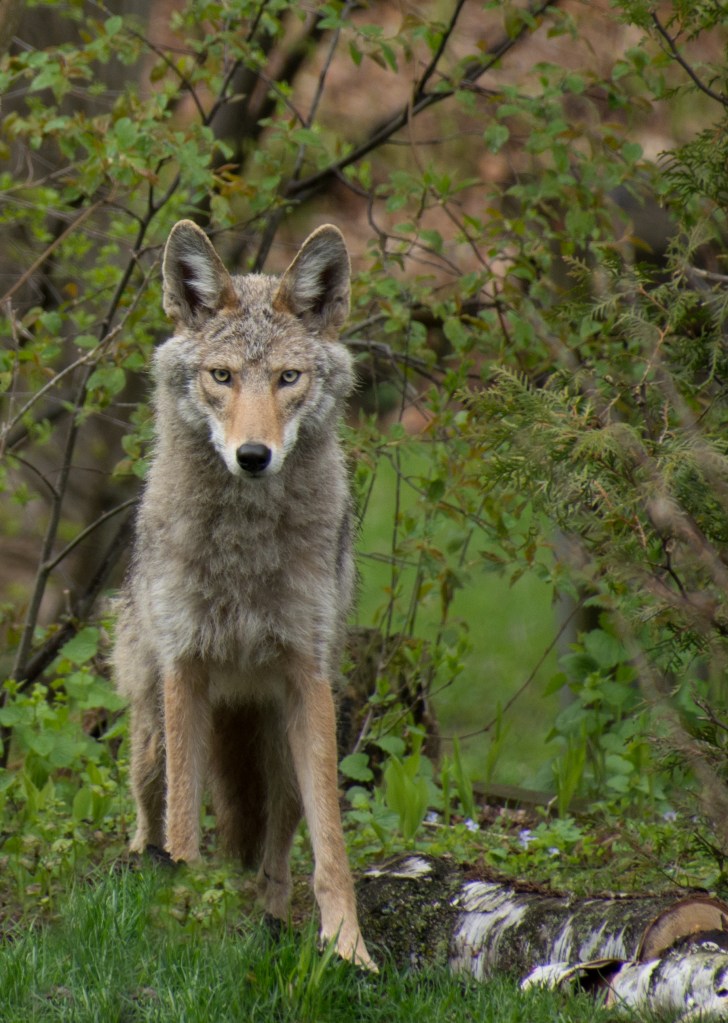
GreenNeighbours21

Manitoba Wildlands

New Brunswick Lung Association

Pembina Institute

Rapid Decarbonization Group

Sierra Club of Canada Foundation

Youth Climate Club

Yukon Conservation Society.

To learn more about CAN-RAC Canada, and to see the full list of members, go to – https://bit.ly/3dt3APV .