Happy Healthy Hopeful and Inspiring New Year

Unsettled as 2022 has been, we close the year with gratitude, including for our Readers’ ongoing engagement and encouragement in following together with us in our climate action learning journey.

We are optimistic for the future, with clarity and a mix of confidence and humility to underpin our resolve to keep on our paths for more learning, changing and adapting behaviours to be ever more mindful of our footprint on Planet Earth—this home we share with 7.8 billion fellow humans and the contested estimates of anywhere from 8.7 million to 1 trillion other living species of plants and animals – and to honour our personal desire and commitment to do our part for a better, healthier, livable world for the generations who will follow in our footsteps, with any luck.

“Never doubt that a small group of thoughtful, committed citizens can change the world; indeed, it’s the only thing that ever has.” (Margaret Mead, https://bit.ly/3jGvvBU)

The words of Margaret Mead resonate and inspire for the daunting effort still ahead to keep overall global warming to 1.5C. The real world action and impact of Adama Diémé, one everyday individual resolved to doing his part to make a difference in his corner of southern Senegal inspires us and renews our hope in our fellow humans and what is possible for moving ahead toward a brighter, carbon neutral future for all.

Ununukolaal – “Our Trees”

Mr Diémé was shocked to return to his village in southern Senegal and find an absence of trees where in his childhood they once had been lush along the Casamance River.  “With no great reserves of wealth, he began to raise money to make his dream a reality (to plant five million trees in five years) – and has used $5,000 from his own pocket to kick-start the initiative.” 

“Mr Diémé’s project is known as Ununukolaal, which in the local language Jola means ‘Our Trees’.” Read more in this BBC piece – BBC – https://bbc.in/3VKCAic

Historic Global Agreement for Nature, People and a Resilient World

Mr Diémé inspires us as an individual.

Fighting climate change and keeping global warming to 1.5C however, will take world-wide effort and cooperation, by individuals, organizations, governments of all levels, NGOs and the private sector, sustained for decades to come.

Protecting for global biodiversity is an inter-related and just as significant, urgent global challenge and call for transformational change in mindsets and practices, on behalf of ecosystems, humanity and a sustainable green global economy.

As 2022 draws to an end, we find hope and optimism for the future in the historic global agreement reached on December 19, 2022, in Montreal, Canada in the wrap up to COP15. Here is what the European Union (EU) reports on its website about the “Kunming-Montreal Global Biodiversity Framework” – https://bit.ly/3jH1QIJ

“Early this morning at the UN Biodiversity conference COP15 in Montréal, Canada, the EU joined 195 countries in the historic Kunming-Montreal Global Biodiversity Framework. This framework contains global goals and targets aiming to protect and restore nature for current and future generations, ensure its sustainable use as well as spur investments for a green global economy. Together with the Paris Agreement on climate, it paves the way towards a climate-neutral, nature-positive and resilient world by 2050.”


“The agreement is a solid framework with clear, measurable goals and targets, with complete monitoring, reporting, and review arrangements to track progress complemented by a robust resource mobilisation package.”

“More than half of global GDP depends on ecosystem services. 70% of the world’s most vulnerable people depend directly on wild species. The Kunming-Montreal agreement will accelerate ambitious policies around the world and mobilise financing for biodiversity from all sources – USD 200 billion per year by 2030. It commits the global community to actions to protect and restore nature and remove pollution – such as those that are part of the European Green Deal. This will ensure that nature continues sustaining societies, economies and communities for decades to come.”

Goals and targets for ambitious action by 2030 and 2050

“The Kunming-Montreal biodiversity agreement includes key global targets to:

  • Restore 30% degraded ecosystems globally (on land and sea) by 2030 Conserve and manage 30% areas (terrestrial, inland water, and coastal and marine) by 2030
  • Stop the extinction of known species, and by 2050 reduce tenfold the extinction risk and rate of all species (including unknown)
  • Reduce risk from pesticides by at least 50% by 2030
  • Reduce nutrients lost to the environment by at least 50% by 2030
  • Reduce pollution risks and negative impacts of pollution from all sources by 2030 to levels that are not harmful to biodiversity and ecosystem functions
  • Reduce global footprint of consumption by 2030, including through significantly reducing overconsumption and waste generation and halving food waste
  • Sustainably manage areas under agriculture, aquaculture, fisheries, and forestry and substantially increase agroecology and other biodiversity-friendly practices
  • Tackle climate change through nature-based solutions
  • Reduce the rate of introduction and establishment of invasive alien species by at least 50% by 2030
  • Secure the safe, legal and sustainable use and trade of wild species by 2030
  • Green up urban spaces.”

Mobilising finance and allow for business to take responsibility for biodiversity

“The deal will significantly increase the mobilisation of finance for biodiversity from all sources, domestic, international – both public and private – mobilising at least USD 200 billion per year by 2030. It will create incentives for domestic and international sources, including from business investment.”

“It also addresses subsidies harmful to biodiversity, with the commitment to identify by 2025 and eliminate by 2030 a total of at least USD 500 billion per year.”

“As part of the agreement, the EU subscribed to an international solidarity package, particularly for the most vulnerable countries and the most biodiverse. The new Global Biodiversity Framework Fund established under the Global Environment Facility will be open to financing from all sources.”

“In a major step to improve business action on biodiversity, large and transnational companies and financial institutions will be required to regularly monitor, assess and disclose risks, dependencies and impacts on biodiversity; and provide information to consumers to promote sustainable consumption.” To read more at the EU website – https://bit.ly/3jH1QIJ

Chihuly Glass and Garden Exhibition

We leave 2022 and look ahead to 2023 with a few quotes that we hope will inspire and close with images (and a plant list !) from the beautiful, shimmering, joyful Chihuly Glass and Garden space in Seattle to lift spirits and fire the imagination for growing (and/or travel) season 2023 ahead! (Stock photos above)

“As long as you have a garden you have a future and as long as you have a future you are alive.”
― Frances Hodgson Burnett (https://bit.ly/3i4Z2oh)

“To plant a garden is to believe in tomorrow.”
― Audrey Hepburn (https://bit.ly/3jHAL8i)

“Chihuly has shown his artwork in botanical gardens all over the world, but this was his first time working with a landscape designer to create a space unlike that of any garden or exhibition elsewhere. The unique plant collection is specially chosen to complement Chihuly’s work and the striking colors and forms of the trees, plants, and flowers create a rich backdrop for the art. With an ever-changing, lush landscape, those who visit will enjoy a distinct experience with each new season.”  (https://bit.ly/3IcteZl)

Here is the link to the garden’s Master Plant list, where we were intrigued to find, and want to learn more about, perennials (among others) with names such as Fairy Wings, Kangaroo Plant, Mouse Plant and Dwarf Goat Beard. Enjoy and happy garden and/or travel planning 🙂 ! ( https://bit.ly/3VBxX9Y)

We wish everyone a Happy, Healthy, Hopeful and Awe-Inspiring New Year!
COP 15-Biodiversity Conference

The COP-15 Biodiversity Conference is being held now in Montreal, Canada, from December 8-19, 2022 where representatives from 192 countries are focusing on defining a framework for preserving world biodiversity. Negotiators say about 900 so-called “brackets”- points that haven’t yet been agreed on – remain in the draft text. The conference is being chaired by China.

FRIENDS4TREES4LIFE

SEASONS GREETINGS everyone! Before we get into this blog, we want you to know that the best way to view our blog is to go directly into our blog FRIENDS4TREES4LIFE.com via WordPress.com. The next best way to see our full blog is to have it sent to your email.

Regardless of how you get our blog it is best to view it on a computer or laptop, and not on your iPad or cell phone. Our blog does not format well on these smaller devices. We notice that the photos are not available, and the layout is poor on these smaller devices. We want you to enjoy our blog as it is created.

NATURE COP15

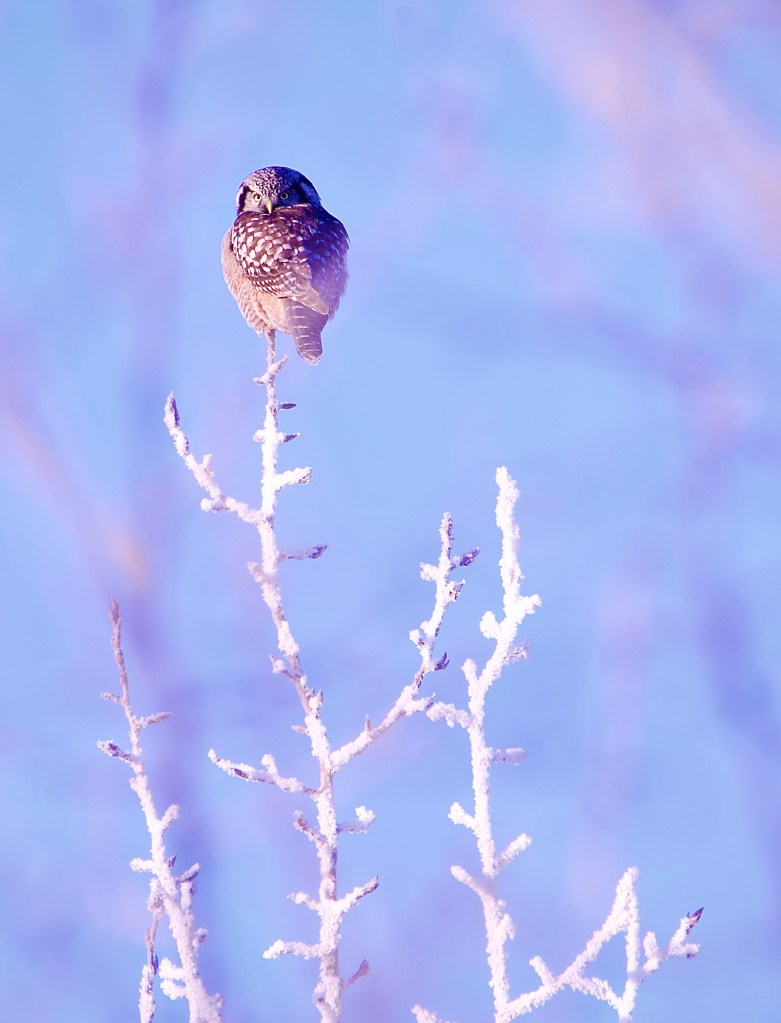
So did you know about the COP 15 Conference on Preserving Biodiversity? Lucy credits Catherine for keeping her informed on this important biodiversity conference. The wildlife photos in this blog have been taken by Lucy.

At the main website undp.org (UN Development Programme) UN Biodiversity Conference is this opening statement :

“Despite ongoing efforts, biodiversity is deteriorating worldwide, and this decline is projected to worsen with business-as-usual. The loss of biodiversity comes at a great cost for human well-being and the global economy. The UN Biodiversity Conference is the most significant conference on biodiversity in a decade. It will see the adoption of the post-2020 global biodiversity framework. The framework provides a strategic vision and a global roadmap for the conservation, protection, restoration and sustainable management of biodiversity and ecosystems for the next decade.”

“What needs to happen at COP 15:

  • Adoption of an equitable and comprehensive framework matched by the resources needed for implementation
  • Clear targets to address overexploitation, pollution, fragmentation and unsustainable agricultural practices
  • A plan that safeguards the rights of indigenous peoples and recognizes their contributions as stewards of nature
  • Finance for biodiversity and alignment of financial flows with nature to drive finances toward sustainable investments and away from environmentally harmful ones”

https://www.unep.org/un-biodiversity-conference-cop-15

These actions also help us protect the global climate, and protect us from the effects of climate change. As the architects of the Paris Agreement have said, “There is no pathway to limiting global warming to 1.5C without action on protecting and restoring nature.”

COP15 – A PARIS MOMENT FOR BIODIVERSITY?

Posted on Wednesday 7 December 2022 by Greens/EFA (Environmental representatives of the European Government): An Interview with MEPs of Finland, Ville Niinistö and Jutta Paulus of Germany

Why the COP15 in Montréal must deliver a New Deal For Nature:

From 7 to 19 December, governments from around the world are gathering in Montréal, Canada, for the 15th Conference of the Parties to the United Nations’ Convention on Biological Diversity – also known as COP15. Our MEPs, Ville Niinistö (Finland) and Jutta Paulus (Germany), argue that governments cannot waste this once-in-a-decade opportunity to advance the protection and restoration of nature worldwide. They need to strike a New Deal For Nature now.”

No climate protection without nature

“Our nature is in crisis. We have lost a third of the Earth’s wetlands and half of all corals – and we continue to destroy natural forests at an alarming rate. A million species are in danger of extinction. In fact, scientists believe that we are living through the sixte mass extinction, and the first mass extinction since humans occupied the Earth.” 

“But healthy ecosystems are just as important as a stable climate. They provide us with food and fresh water, protect us from disasters and disease, and form the basis of our economy. Oceans, forests and peat bogs also play a vital role in regulating the global climate. They absorb carbon emissions and shield us from extreme weather events linked to climate change. But they can only do that when they are in good health.”

At COP15 in Montréal: We Need a New Deal For the Nature

“The most important task for the COP15 Montréal conference is to hash out a new Global Biodiversity Framework (GBF) that will guide actions to protect biodiversity until 2030. This framework must be for nature what the Paris Agreement is for the climate – a clear guide to common action by governments around the world. The framework should include a range of numerical, measurable targets, such as the robust protection of at least 30 percent of the world’s land, freshwater and oceans by 2030, and global targets for nature restoration.”

A strong plan to implement biodiversity protections

“It is not the first time that governments set themselves targets on the protection of nature. But so far, they have failed to effectively reach those targets. None of the 2020 targets, the so-called Aichi targets agreed in Japan in 2010, have been fully achieved.”

“Even when they were partly reached, such as the designation of protected areas, they were not always effective in protecting wildlife. Countries have established “paper parks” without sufficient connectivity, adequate management and equitable governance.”

“That is why a solid implementation plan is just as important as well-defined targets. At COP15, parties must agree on an implementation mechanism alongside the global framework. Steps such as planning, monitoring and reporting, as well as reviewing and ratcheting up of action, must be clear from the start. They must also agree on a calendar for taking those steps.”

“Parties must be able to begin to implement the framework immediately by setting national targets and updating their National Biodiversity Strategies and Action Plans (NBSAPs).”

“Sufficient finance is critical to achieve implementation. Money should mainly come from public sources and be redirected from harmful subsidies paid out today. Public investments in biodiversity conservation and restoration make little sense if they are outpaced by investments in nature destruction.”

No deal at COP15 without Indigenous Peoples and local communities

“The effective protection of 30 percent of the world’s land, freshwater and oceans by 2030 will not be possible without the full inclusion of and leadership from Indigenous Peoples and local communities (IPLCs).”

“Generations of Indigenous peoples and local communities have effectively protected nature, and used it in a truly sustainable way. They are nature’s best guardians. Lands owned by these communities cover at least a third of all land on Earth, including particularly valuable, nature-rich areas, and they are generally in a good state.”

“Today, 80 percent of remaining biodiversity is in the lands, waters and territories of Indigenous Peoples and local communities. If we want to mend our broken relationship with nature, we must learn from nature’s long-standing allies and support their efforts to protect, defend and restore their lands and waters.”

“The protection of nature begins with the protection of the Indigenous peoples’ rights, livelihoods and cultures. At COP15, their voices must be at the centre of decision making, management and funding for nature protection.”

https://tinyurl.com/yc59ct7b

According to CBC News on December 11, 2022, “There is a significant Indigenous presence on the ground, with at least 497 of the 15,723 people registered to attend the summit representing Indigenous nations or organizations. A concern is that none of those Indigenous nations have decision-making status.”We always have to have this sponsor to speak for us. It’s as if we are children,” said Jennifer Corpuz, who is a representative for the International Indigenous Forum on Biodiversity at COP15.”

https://tinyurl.com/55yp32x5

Financial institutions have a role to play in preserving biodiversity:

“Canada’s negotiators at the COP15 conference say business groups and financial institutions have a role to play in preserving the planet’s biodiversity. Basile van Havre, co-chair of one of the Montreal conference’s working groups, says the private sector is looking for rules and certainty on the environmental effectiveness of its investments. He says it’s part of a larger push for performance standards that companies and investors can use to measure their activities against.  Van Havre says business groups have learned from climate change discussions that they need a way to assess risks. “They want measures of risk so that they can target their investment the right way,” van Havre said.”

“Although there is broad support for the overall goals at the conference, consensus remains elusive.”

The Canadian Press  
Published Thursday, December 8, 2022

https://tinyurl.com/2s3e75pw

CBC What on Earth

For more reading on COP15 and how it is different from COP 27 please check out CBC-What On Earth: What is COP15? Why does it matter and what’s at stake at the summit.

“COP, in United Nations jargon, simply means Conference of Parties. It is a decision-making body made up of countries that have signed a convention. COP15 is different from the climate change summit, COP27, which was recently held in Sharm el-Sheikh, Egypt. That conference was under the umbrella of the United Nations Framework Convention on Climate Change.” 

“The Montreal summit, COP15, is a meeting under the Convention on Biological Diversity. In 1992, 150 government leaders first signed that convention at the Rio Earth Summit. While biodiversity and climate change are related issues, the two conventions are separate.” 

“This meeting marks the second part of COP15; the first part was held last year as a mostly virtual conference based in Kunming, China. “

https://www.cbc.ca/news/science/what-is-cop15-biodiversity-summit-1.6673003

We will be looking forward to hearing the outcome of the conference, and future plans for saving the biodiversity of Mother Earth.