

Lucy recently took a road trip with two nature loving friends to the grasslands of south-eastern Alberta, of course, looking for the birds that live only in that ecosystem, some of which are declining in numbers like the Burrowing Owl. It got her thinking about how we overlook the importance of the grasslands to protecting our planet. The grasslands have been likened to “upside-down tropical forests” in their ability to lock in carbon.
In the CBC-What On Earth Article posted March 23, 2023, Zoe Yunker, with files from Lisa Gribinski, looks into the situation of Grasslands in Saskatchewan. Here is what she learned:

“Grasslands store tons of carbon — and there’s a movement to protect them. Saskatchewan’s wild prairie has billions of tonnes of carbon stored under Canadian grasslands, and they’re a critical tool in the struggle to maintain a healthy climate. “Some people have likened them to upside-down tropical forests,” said Candace Savage, a Saskatchewan-based author and advocate for grassland protection. Like ancient forests, native grasslands are built up over centuries, but instead of locking carbon in trees, grasslands hold them inside the soil. But native grasslands are among the world’s most endangered ecosystems. In North America, more than one million hectares are destroyed each year for cropland and urban areas. “We’re slowly losing these places where we reflect and we are with the land,” said Kevin Wesaquate, a multidisciplinary artist from the Piapot First Nation, about 50 kilometres north of Regina. Wesequate and Savage are members of the Swale Watchers, a community group working to protect a grassland area called Northeast Swale on the outskirts of Saskatoon. The city council voted to increase the area spared from encroaching development. The announcement was a welcome sign for Wesaquate, but hardly the end of the struggle. “It’s almost like I’m stepping into a bit of a time machine when I take a walk out into the swale,” he said. “We have come together to protect these sites.””
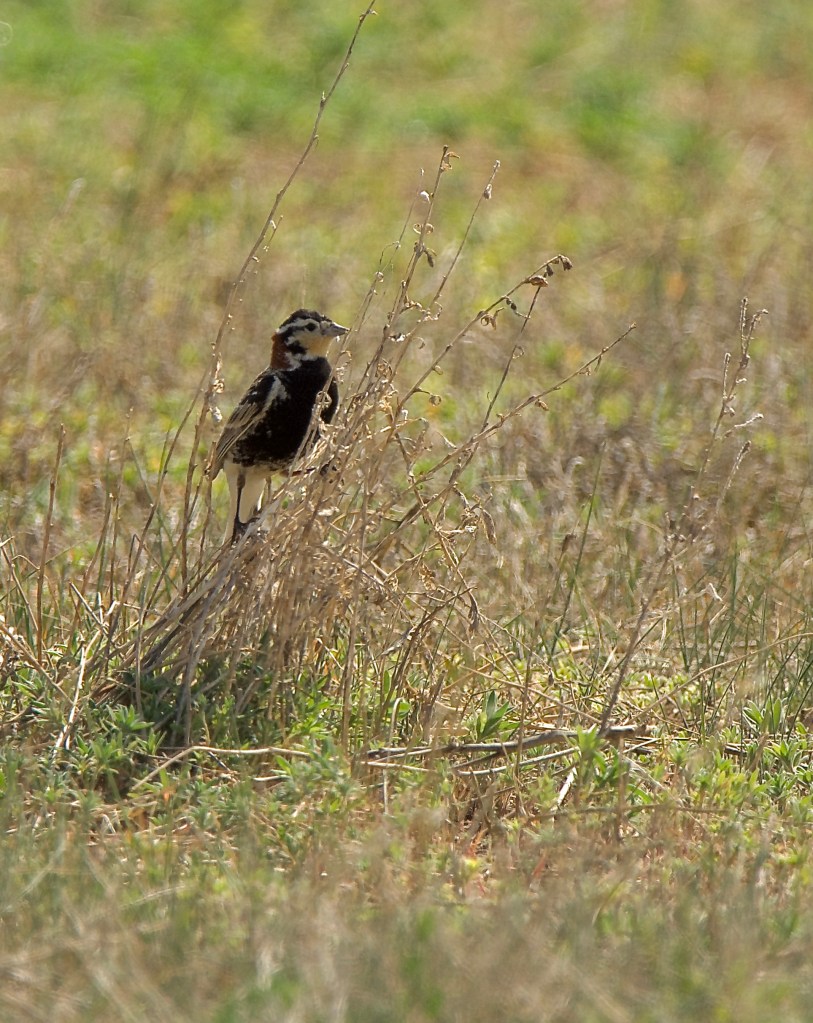
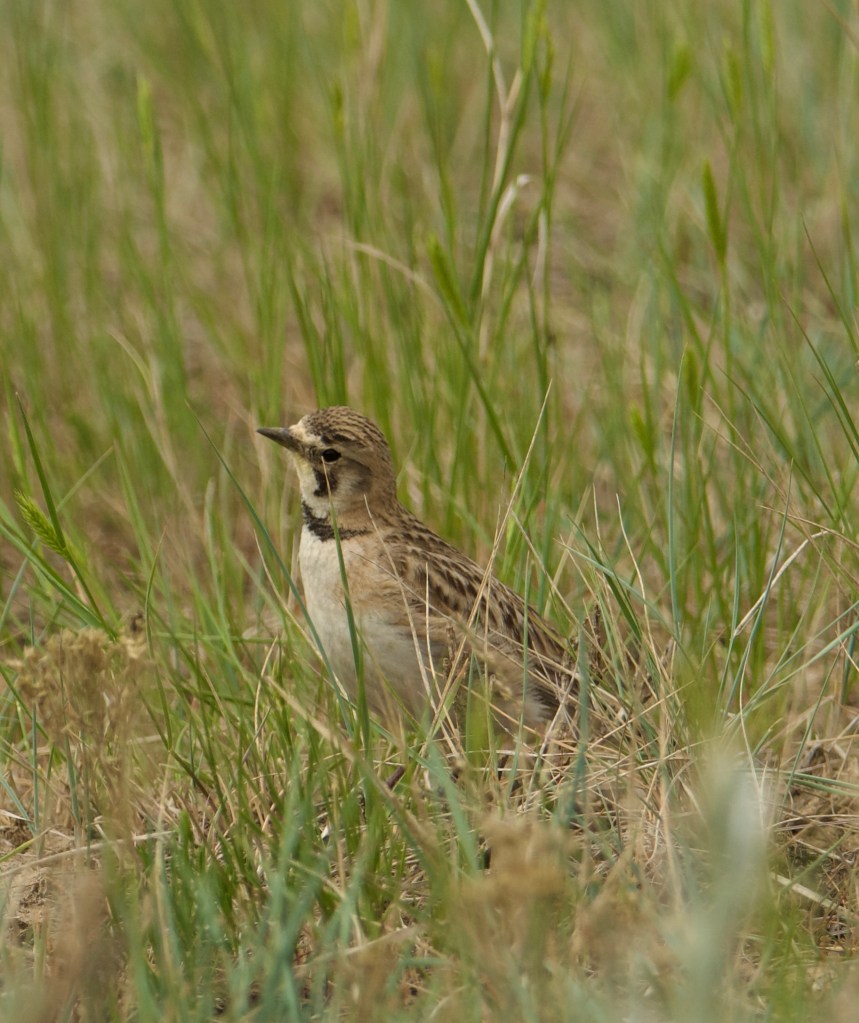
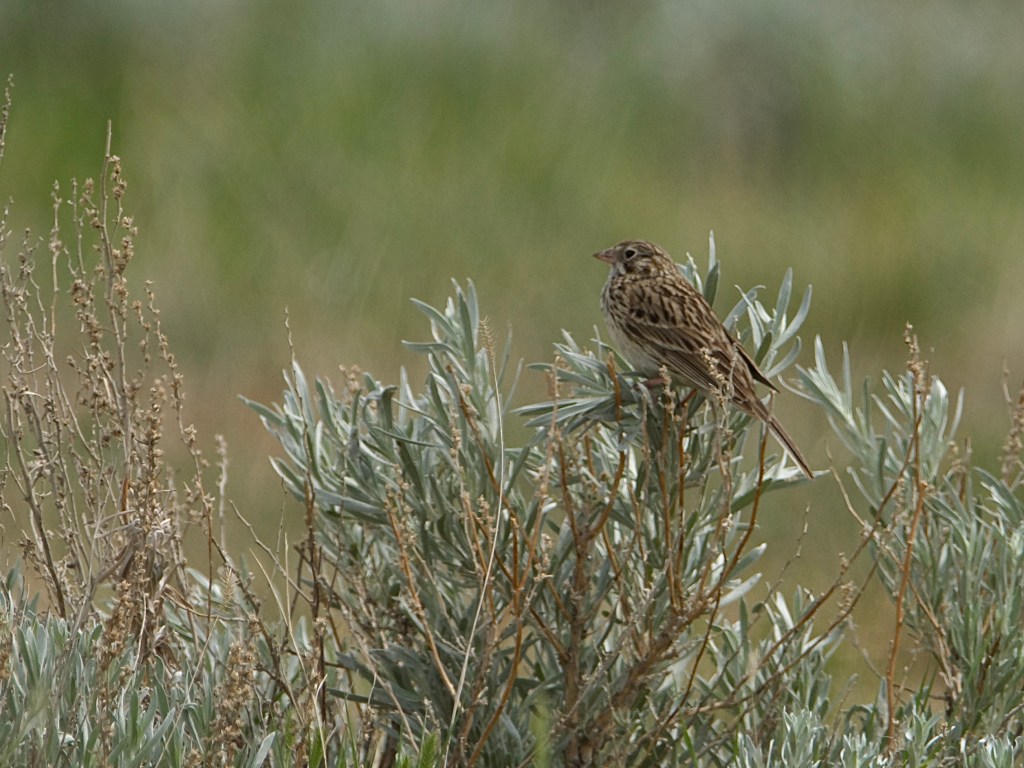
“According to the Nature Conservancy of Canada, more than 70 per cent of Canada’s native grasslands have been lost; in Saskatchewan, it’s around 80 per cent. Not only that, but in Saskatchewan and Alberta, only about one percent of what remains is protected. Luckily, the movement to protect it has learned some things. For millennia, First Nations across the Prairies stewarded the grasslands they lived on, using controlled burns and grazing bison to keep grassland ecosystems in balance. Now, organizations like Parks Canada are integrating that approach, including communities and their livelihoods in grassland protection. It’s been a years-long process.“It took 15 to 20 years for us to figure each other out,” said Miles Anderson, a third-generation rancher who has lived next door to one of the continent’s largest protected grassland areas, Grassland National Park, which extends across almost 1,000 square kilometres in southern Saskatchewan. When Grasslands National Park was created in the 1980s, Anderson says ranchers like him were required to keep their livestock out of the park boundaries. Over the years, this exclusion dealt a blow to endangered species like the greater sage grouse. “The population just crashed,” said Anderson, as the grouse chicks couldn’t find enough food in the long, dense, ungrazed grasses. Done right, grazing can help a variety of plant types to coexist.”

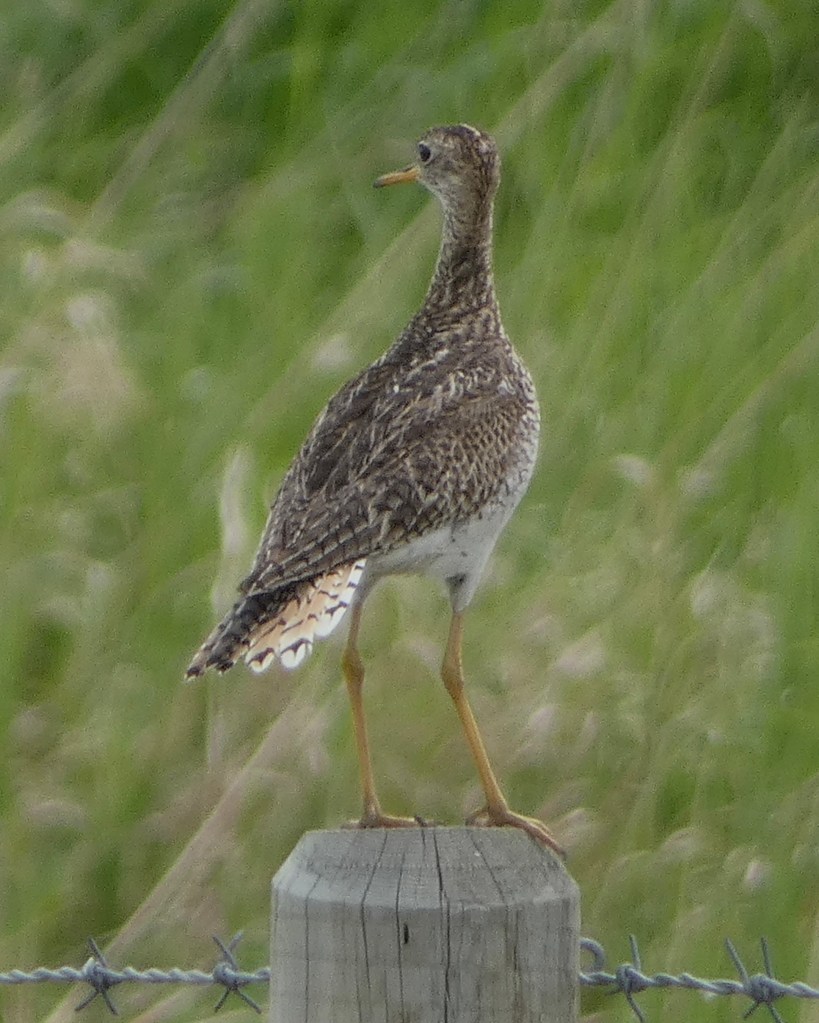
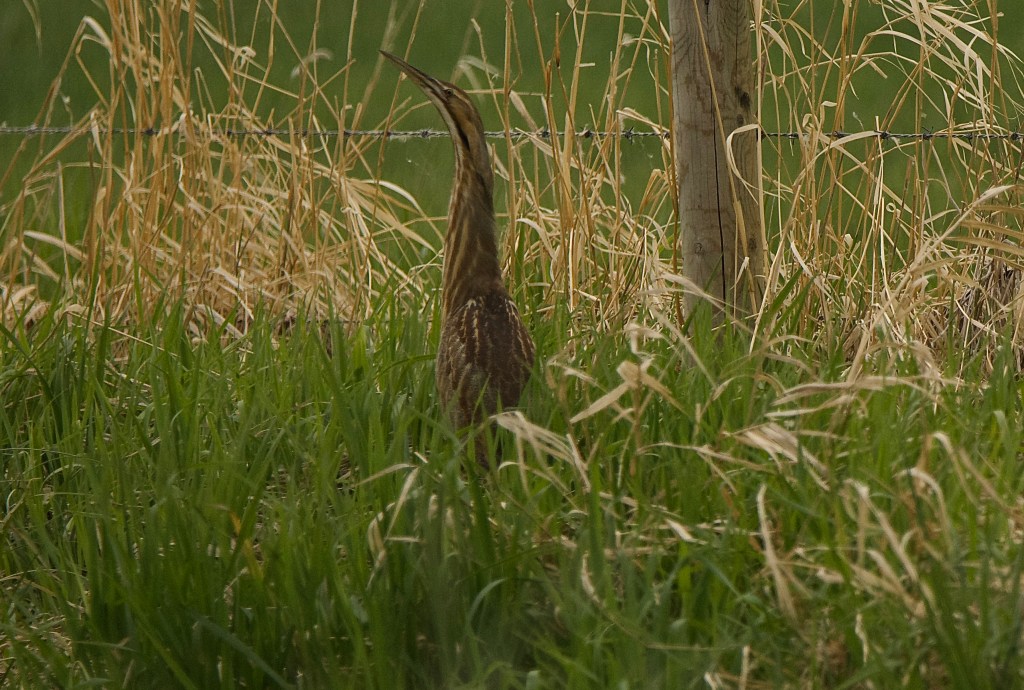
“Until about 200 years ago, wild bison were prime grassland grazers, and a critical animal for First Nations across the Prairies. Their populations have since been devastated. There are programs aimed at restoring bison herds, including a recent project led by the Key First Nation in southern Saskatchewan, but cow grazing can also help fill the gap. Today, Anderson advocates for programs to support ranchers to steward the grasslands they work on. In an emailed statement, the Province of Saskatchewan highlighted the region’s Prairie Resilience climate change strategy and its Climate Resilience Measurement Framework, which aims to increase protected areas from 9.8per cent to 12 per cent by 2025.”

“Environment and Climate Change Canada commented that it has invested more than $5 billion in nature-based climate solutions, including grasslands, and highlighted its Nature Smart Climate Solutions Fund, which includes a focus on securing unprotected grasslands.”
“Candace Savage says “One of the things that has changed is more reverence for grasslands. More appreciation of them, more protection for them, more restoration,” she said.“They’re patient places,” she said. “They remind us that the choices that we make today are going to have impacts over decades and generations.””
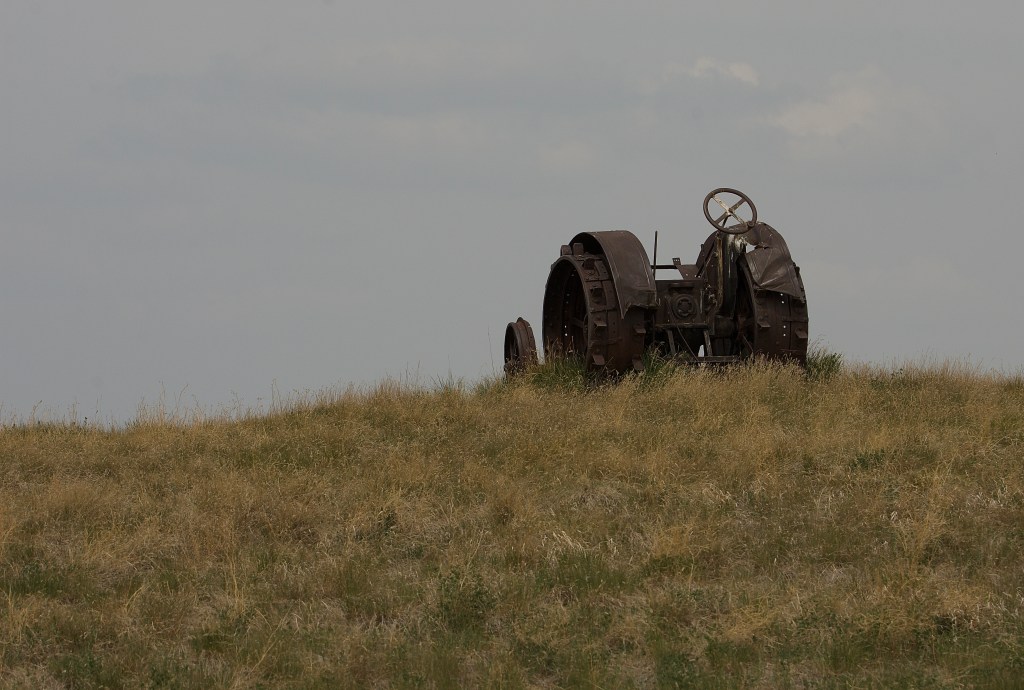
We are currently experiencing the effects of the wildfires burning across Canada by having unhealthy amounts of smoke all across the continent, making the skies looks sometimes apocalyptic, limiting our ability to go outdoors and enjoy nature. We are all affected by global warming. One action we can take is to write our members of parliament about issues that we are most concerned about. Maybe it is the protection of land-grasslands or forests, maybe it is about increasing funding for firefighting and fire prevention. From this article, I feel that Saskatchewan increasing its protection of grasslands from 10% up to 12% is only a start, and more needs to be done, but it does help raise awareness for the value of grasslands. If you feel strongly about any issue, and you like to write, speak up and use your voice to create action. We all can do our part in our own personal way.
Let’s hope that this fire season is not as bad as is being predicted!

Here is one of the 50 hawks seen along the highways on a weekend trip to southern Alberta.
Photos by Lucy except where indicated otherwise. Let us know if there is a topic you would like us to explore, and thanks for reading our post. Just a reminder our blog is better seen on a computer rather than a cell phone, and even better if you go right to our blog Friends4Trees4Life.com
 FRIENDS4TREES4LIFE
Hi Lucy.
An excellent article! When did you go through Piapot? I was there last week on my bicycle. It was very green and I saw a lot of hawks and pronghorns.
I even saw a few white Teslas. Maybe that was you🙂🙂??
Cheers,
Kevin
LikeLike