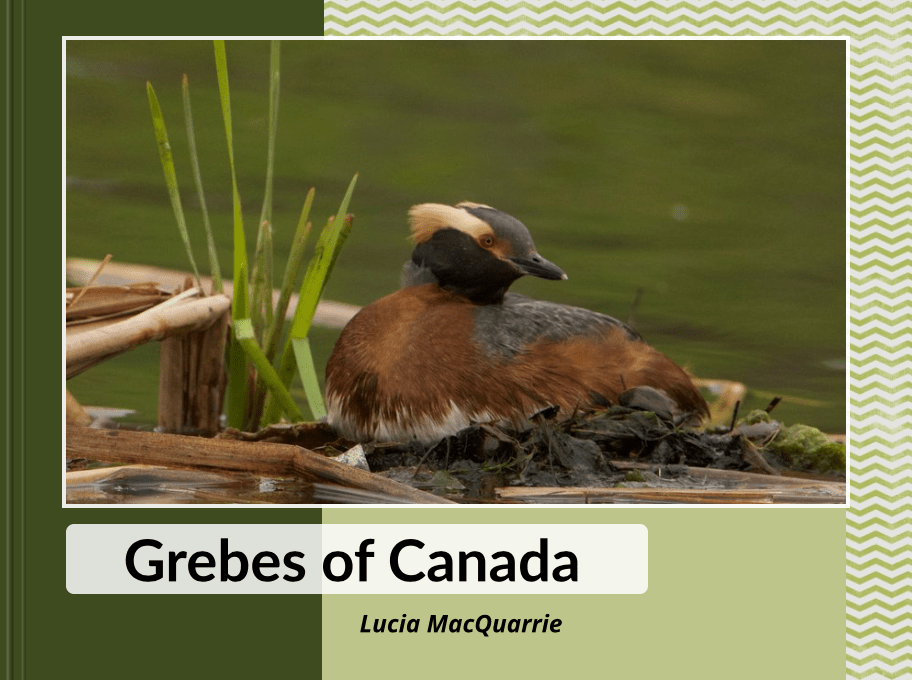
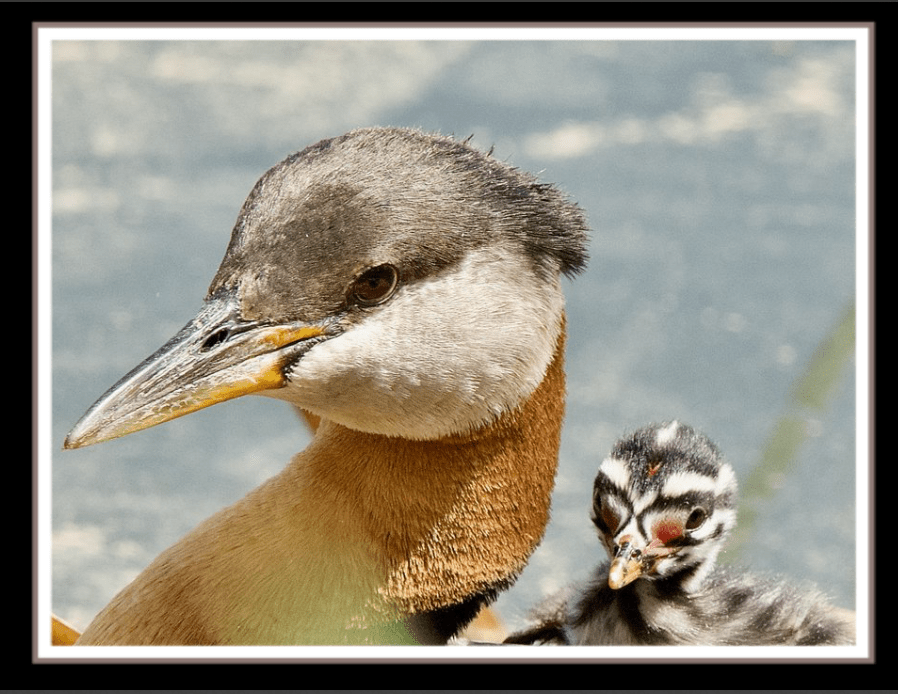
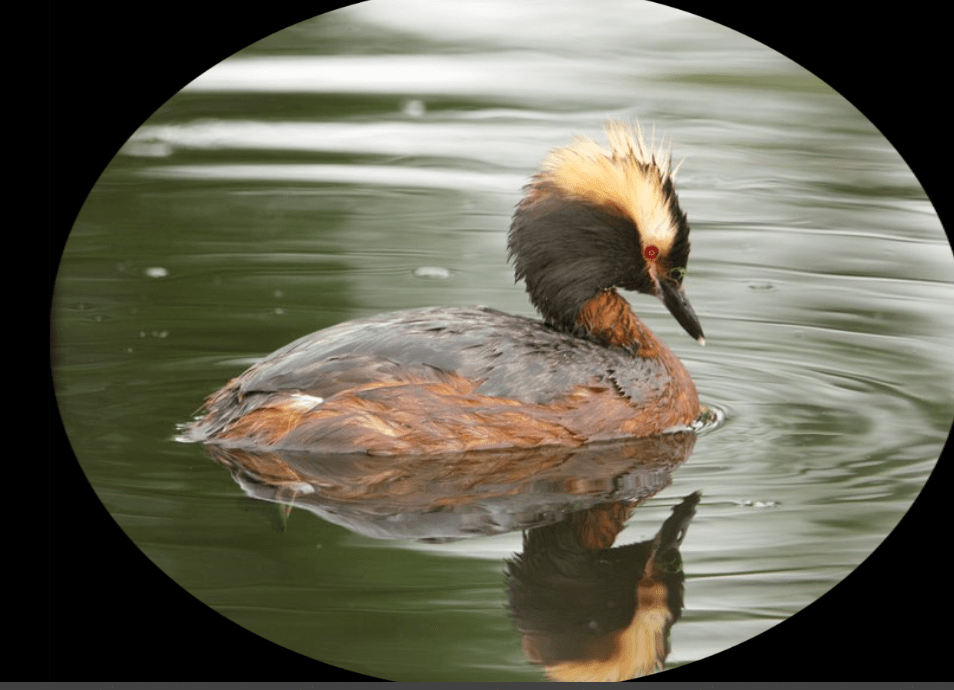
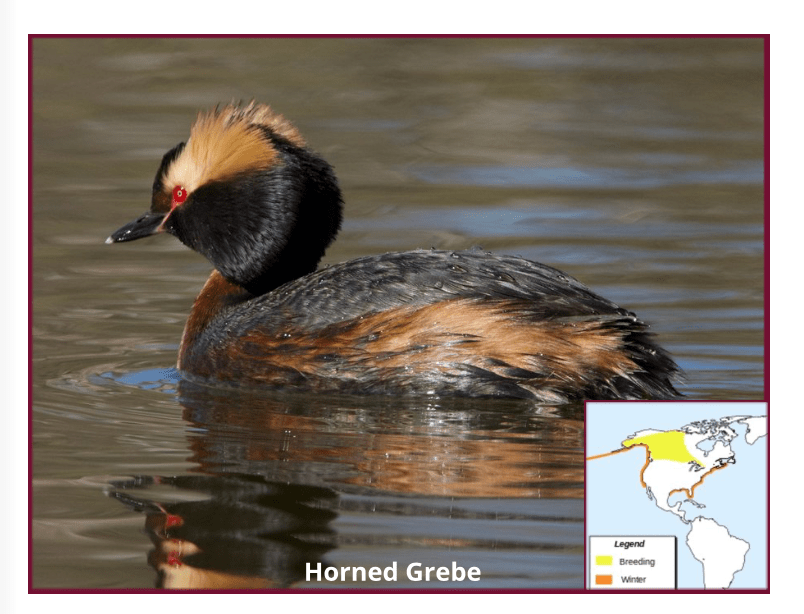
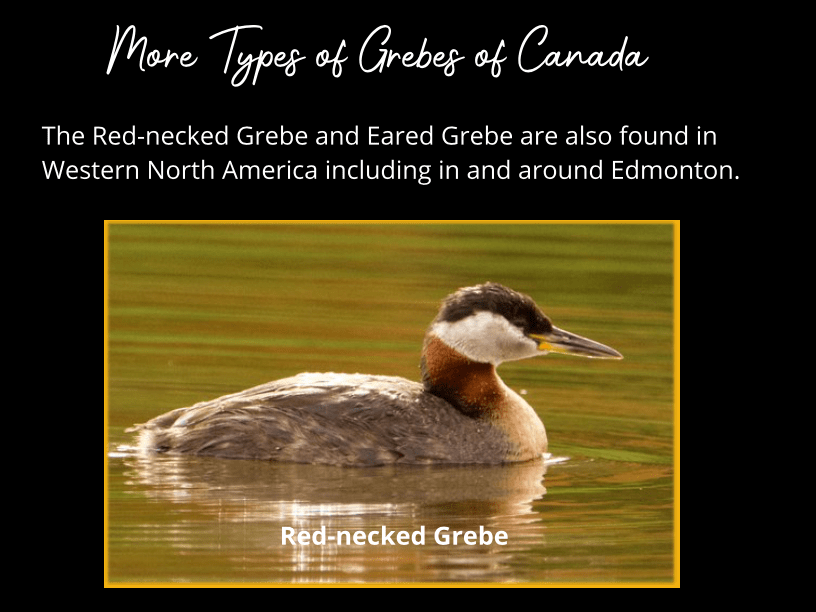
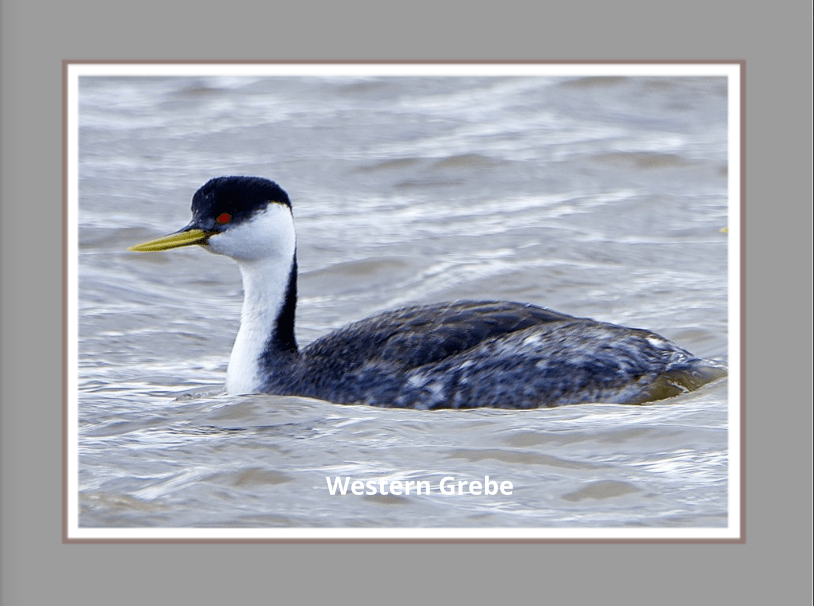
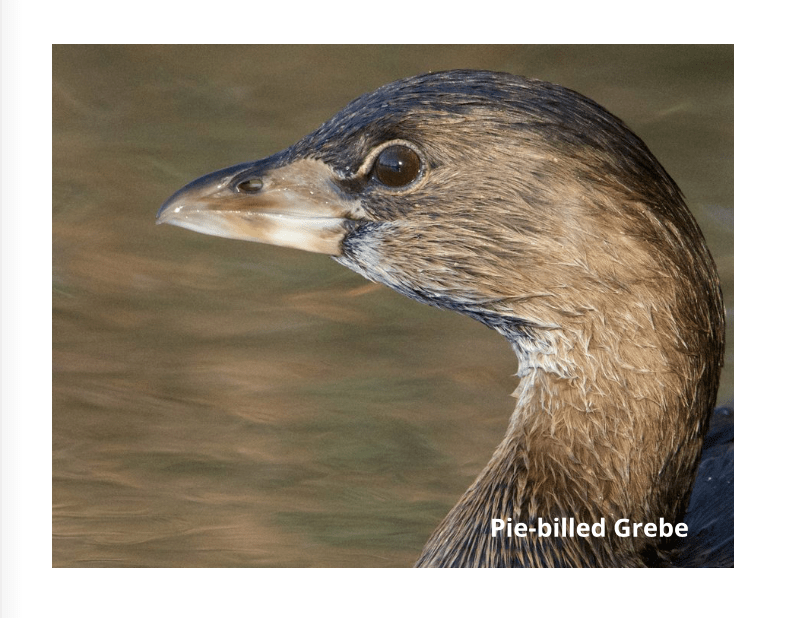
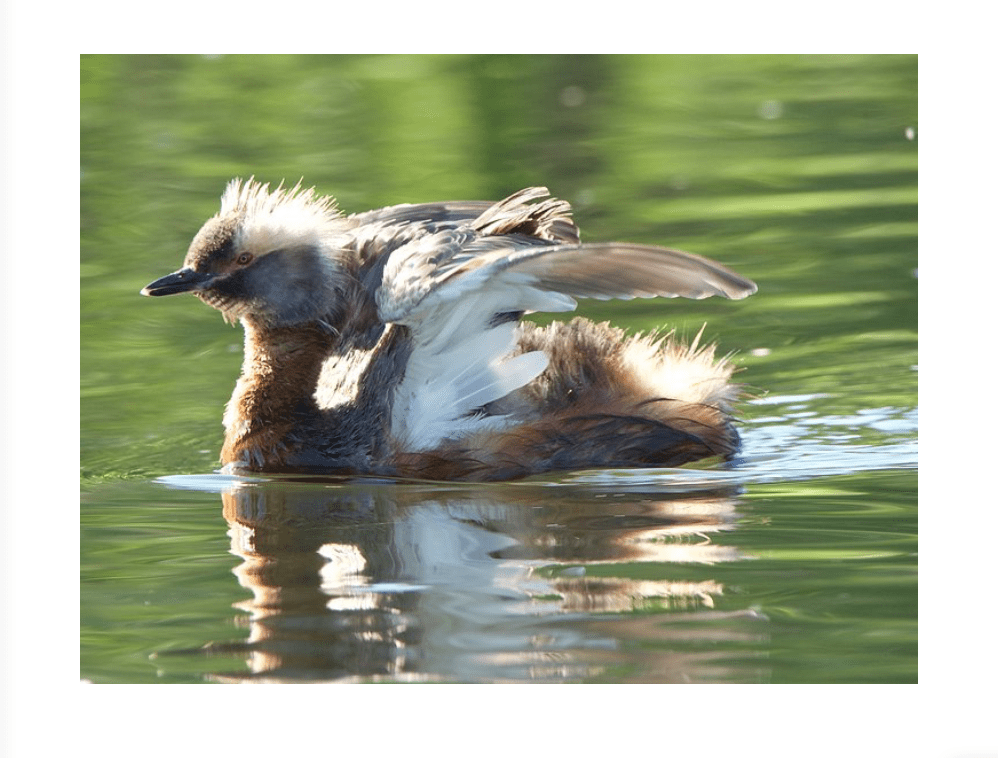
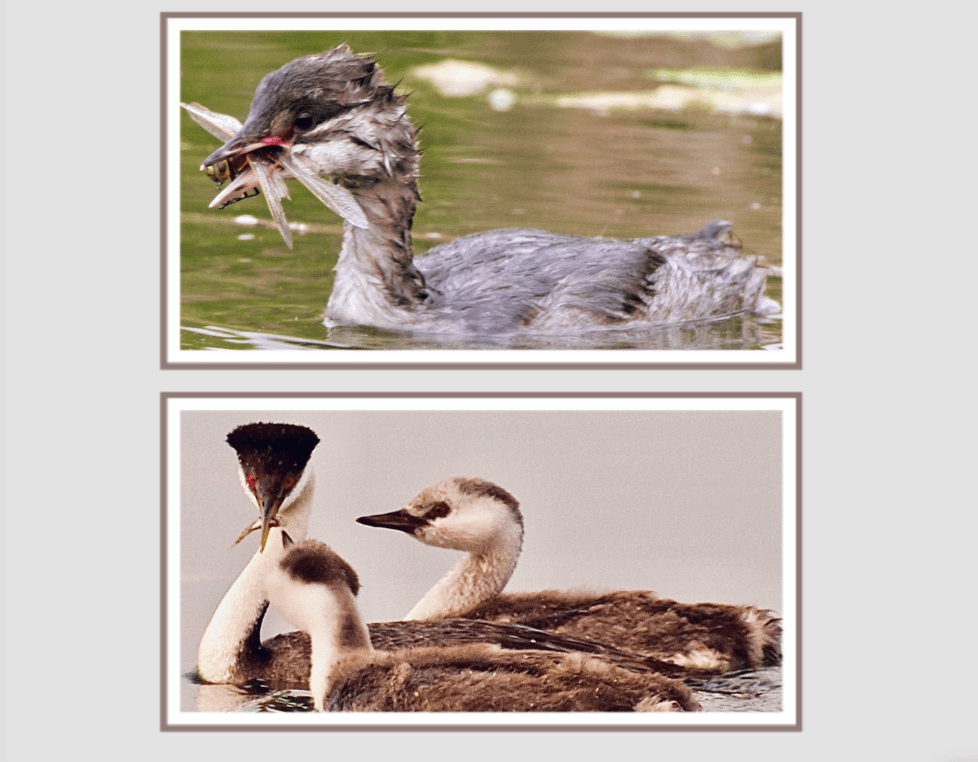
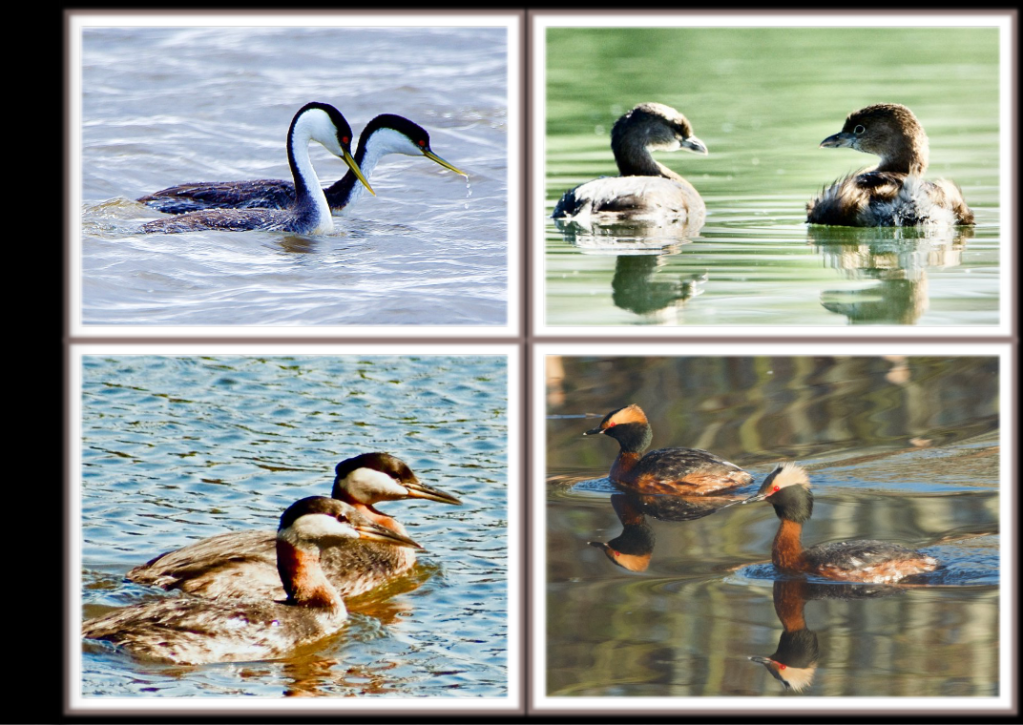
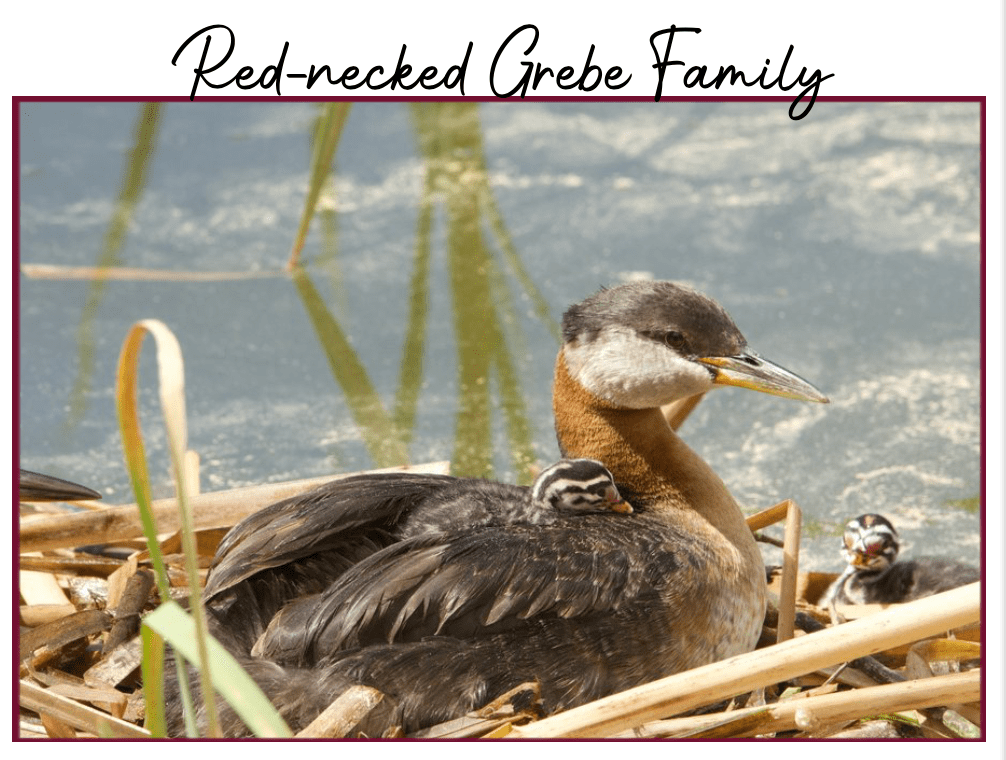
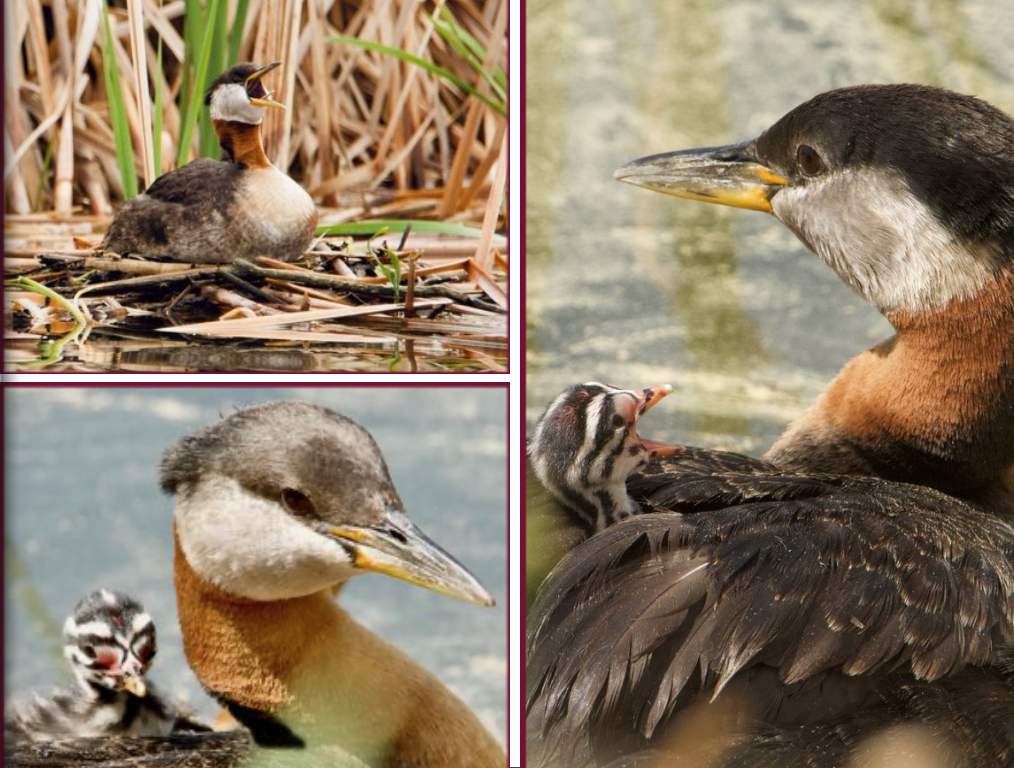
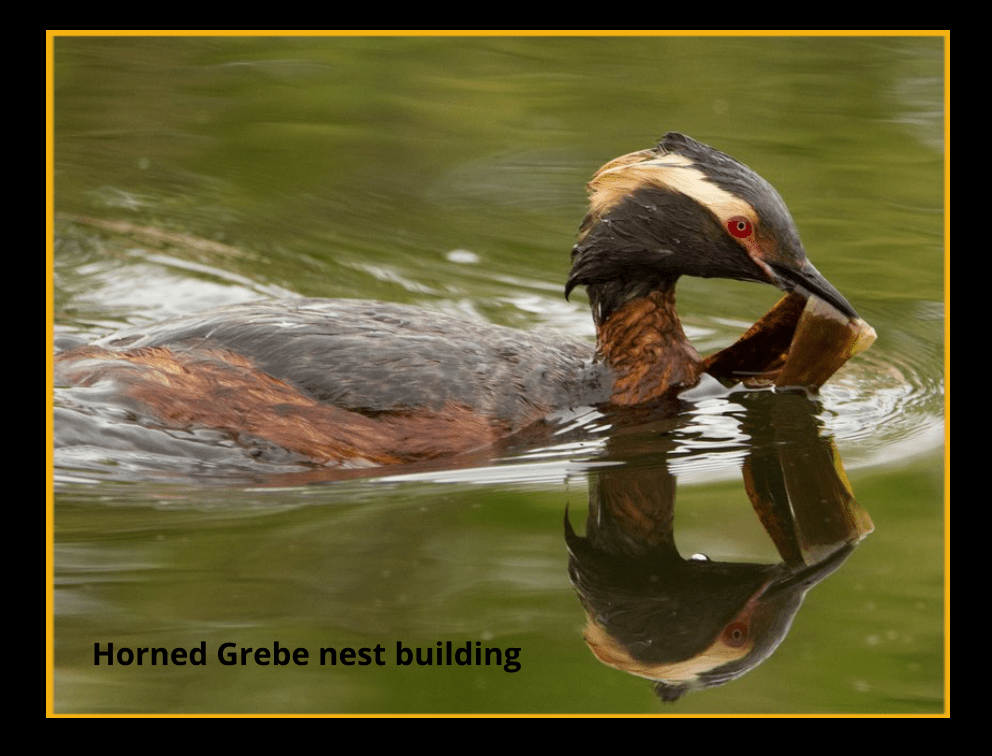
There is nothing like a close look at a part of nature to inspire us to want to take better care of Mother Earth. Some of the grebes in Canada are considered “threatened” as their numbers are declining. This is mostly due to the accumulation of fertilizers and fewer ponds. Here is a photo book Lucy put together about the grebes we have in Canada with an intimate look at the lifecycle of the Horned Grebe seen in her local pond in 2021. It was most entertaining watching these Horned Grebes work in a bit of a chaotic, frantic way to create a nest, a vey soggy nest, and to lay eggs in that nest all the while reinforcing it. Then another visit to the pond showed how the nest did not survive the spring snow storm, and all that could be seen was an egg at the bottom of the pond. But fear not, for these tenacious waterbirds set to create a new nest across the small pond, and laid 3 new eggs.
Information was collected from Wikipedia: Grebes, from All About Birds, from Sibley Birds West, and from the Audubon Field Guides.
Here is a link to the BBC Life: The Grebes on Youtube:
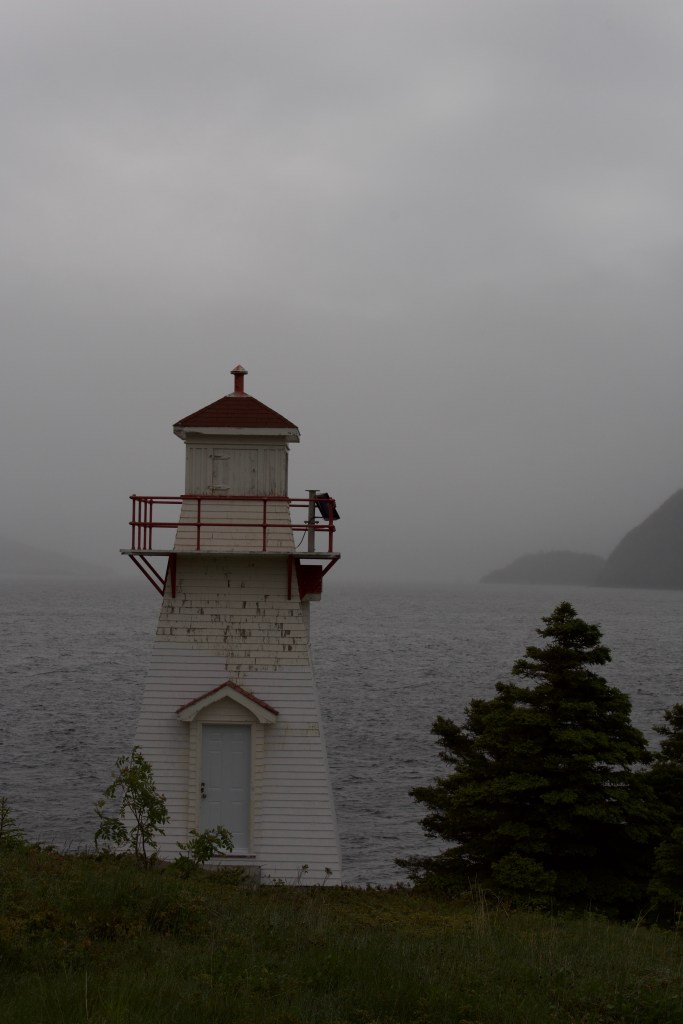
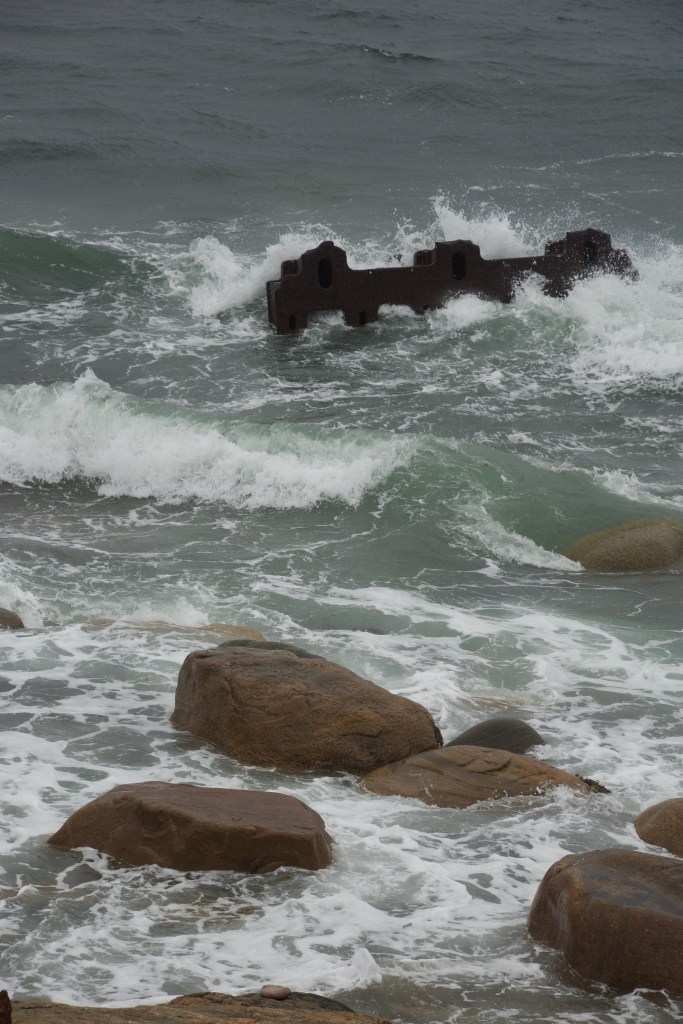
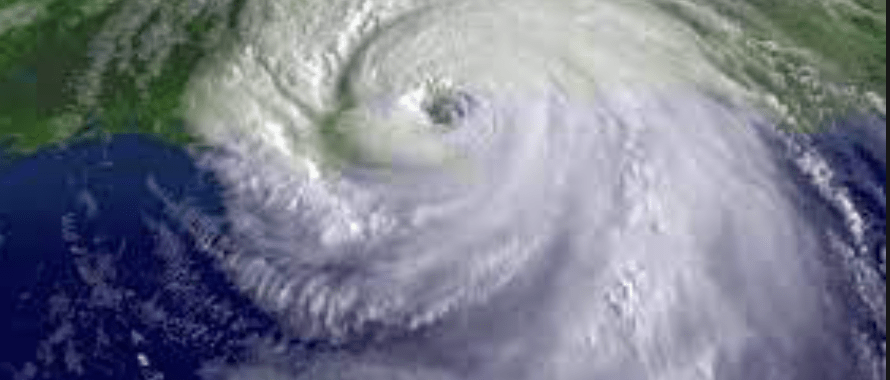
It is hurricane season and it seems that the past few years there is one hurricane after another hitting the Carribean and eastern USA. This year Canada was not buffered from the storm. Hurricane Fiona, on September 24, 2022 was the strongest recorded hurricane to hit Canada (based on atmospheric pressure of 932.6 millibars) with winds peaking at 179km/h and waves as high as 30 metres leaving 500,000 people without power. Sadly three people died as a result of the storm: one woman in Channel-Port aux Basques was washed out to sea in her house, another man in Nova Scotia was swept out to sea and is presumed dead, and a third person died of carbon monoxide poisoning in PEI while operating an electric generator.
Worst hit was Port aux Basques NFLD where at least 20 homes were damaged or destroyed and 200 people displaced. Much of the town’s history is lost. In PEI there was severe erosion of the provinces dune system and Teacup Rock tourist attraction was destroyed. Overall the insured losses are estimated to be between $300-$700 million which would make it the costliest hurricane in Canada.
en.Wikipedia.org/Hurricane Fiona
In the aftermath of Hurricane Fiona’s great destruction, Canadians will require much grit and resilience to face the rebuilding. So much of the land was swept away reshaping the coastline in some low lying areas, so decisions about where to rebuild and where not to rebuild will need to be carefully considered, as well as how to rebuild so the new buildings can better withstand the forces. Such a storm makes each of us consider how safe the location of our home is.
According to The Institute for Catastrophic Loss Reduction there are ways to make new buildings stronger to withstand hurricanes. Their website has extensive information on ways to make one’s home stronger with some suggestions being free to implement, and others costly, and they say most suggestions work when building new, as they are hard to retrofit. They have broken down their recommendations according to type of disaster and offer much detail on their website.
Our Unstable Biosphere is a Public Health Emergency
According to Andrew Lodge, a medical director in Winnipeg, who wrote an opinion piece for the CBC: “We need to face the undeniable. Fiona cannot be viewed in isolation, but instead as one data point-albeit a dramatic and calamitous one for those affected-in an inexorable trend toward an increasingly unstable biosphere. The scientific evidence is consistent; the research is wide-ranging and generated by a broad base of disciplines. We are headed toward climate upheaval. With that comes a threat to our very survival. Climate change is a public health emergency.” He adds, “According to UN Secretary-General, ‘ the disruption to our climate and our planet is already worse than we thought, and is moving faster than we predicted.'” In general Andrew Lodge recommends the Government of Canada take more urgent action.
See: OPINION/Climate Change is a Public health emergency on CBC News
Have hurricanes increased in number?
We ask ourselves, “Are there more hurricanes than there used to be?” We decided to do some research on this to get the facts, first from the NRDC The Natural Resources Defence Council, a non profit international environmental advocacy group in the USA.
The NRDC says, “While there may seem to be a growing number of hurricanes snatching headlines each year, the Intergovernmental Panel on Climate Change (IPCC) does not see a general global trend toward increasing hurricane frequency over the past century. The exception is the North Atlantic, which the United Nations body notes has experienced an increase in both the frequency and intensity of its hurricanes. This is supported by the latest study from the Massachusetts Institute of Technology. The IPCC projects that while there might be a slight decrease in hurricane frequency globally through 2100, the storms that do make landfall are more likely to be intense—category 4 or 5—with more rain and wind.”
“How does climate change affect hurricanes?
“Warmer ocean temperatures Over the past 50-plus years, the earth’s oceans have absorbed more than 90 percent of the extra heat generated by man-made global warming, becoming warmer as a result. Since warn sea surface temperatures fuel hurricanes, a greater temperature increase means more energy, and that allows these storms to pack a bigger punch.”
“Rising air temperatures The burning of fossil fuels and other human activities have caused an estimated 1 degree Celsius (1.8 degrees Fahrenheit) of global warming since preindustrial times. Since a hotter atmosphere can hold—and then dump—more water vapor, a continued rise in air temperature is expected to result in storms that are up to 15 percent wetter for every 3.6 degrees Fahrenheit of warming, meaning an even greater capacity to generate flooding.”
“Sea level rise As the ocean warms and expands and as terrestrial glaciers and ice sheets melt, sea levels are expected to continue to rise. That increases the threat of storm surge—when powerful winds drive a wall of ocean water onto land—for coastal areas and low-lying nations. Hurricane Katrina’s 28-foot storm surge overwhelmed the levees around New Orleans in 2005, unleashing a devastating flood across much of the city.”
“Longer-lasting storms Research suggests that global warming is weakening the atmospheric currents that keep weather systems like hurricanes moving, resulting in storms that linger longer. Sluggish storms can prove disastrous—even without catastrophic winds—since they can heap tremendous amounts of rain on a region over a longer period of time. The stalling of Hurricane Harvey over Texas in 2017 as well as the slow pace of Hurricane Florence helped make them the storms with the greatest amount of rainfall in 70 years.”
“Are hurricanes getting more intense?
“We may not be experiencing more storms, but we are riding out stronger ones, with heavier rainfall and more powerful winds (hence, all those news headlines). Recent research, for example, estimates that Hurricane Harvey dumped as much as 38 percent more rain than it would have without climate change. Another Harvey analysis indicates that the likelihood of a storm of its size evolved from happening once per century at the end of the 20th century to once every 16 years by 2017—again, due to climate change. Looking forward, the intensity of hurricanes that make landfall is expected to increase through the end of this century, with more category 4 and 5 storms.”
“Hurricane Prevention”
“As the evidence makes clear, the force, strength, and impact of today’s natural disasters is inextricably tied to society’s past choices. Our centuries-long reliance on dirty fossil fuels has driven the global warming trend, and we’re now experiencing the repercussions in the form of more severe weather events, including catastrophic hurricanes.”
“Of course, hurricanes are natural phenomena, and there is nothing we can do to halt any single storm in its path (though some people may try). We can, however, forgo the burning of carbon-emitting oil, coal, and gas for more efficient renewable energy options—such as wind and solar—and thereby reduce future warming and the ferocity of tomorrow’s storms.”
“And that’s a big point of the Paris Agreement, which was signed by nearly every nation on earth in 2015 and aims to curb the consequences of climate change by limiting global warming since preindustrial times to, ideally, 1.5 degrees Celsius. But getting there will require serious heavy lifting in the form of immediate, transformative global action, as the IPCC noted recently in its stark report drafted by some 270 climate scientists representing 67 countries. It will mean slashing global carbon emissions by nearly half by 2030, relative to 2010 levels, zeroing out emissions entirely by about 2050, and meeting as much as 87 percent of global energy needs with renewable sources. The alternative, as laid out by the IPCC, is clear: With a business-as-usual approach, the “extreme” weather of today will seem commonplace by tomorrow.” (NRDC at https://on.nrdc.org/3BYU6aA)
Pakistan and other Developing Nations Need Financial Assistance to Deal with Extreme Weather Events
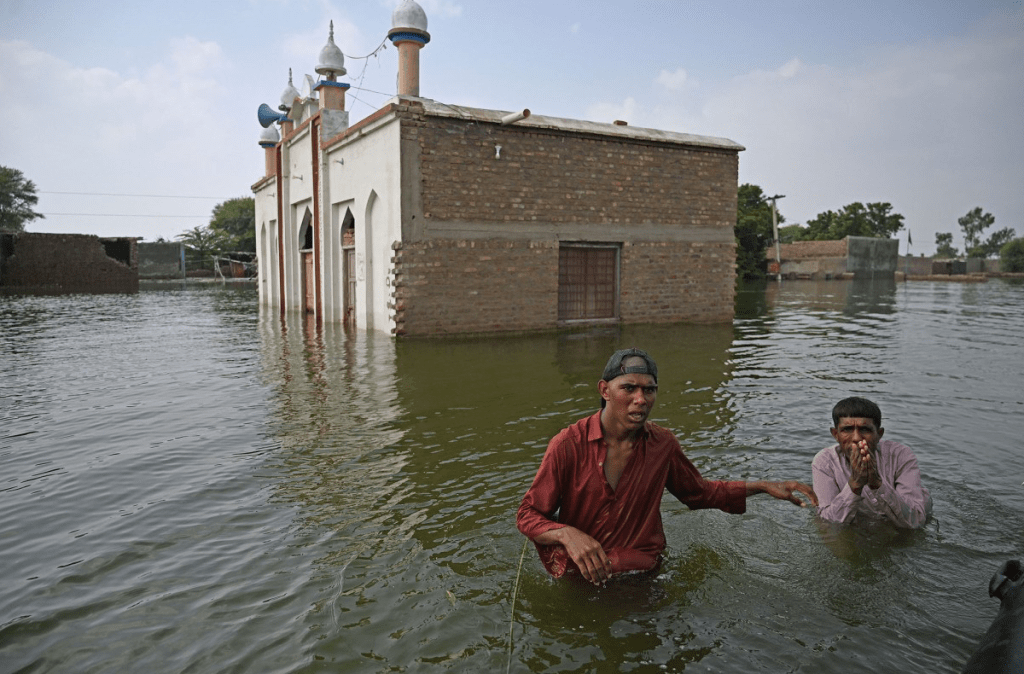
“As Pakistan copes with the impacts of extreme flooding, leaders in the developing world want to make financial assistance for such devastation a key topic at the upcoming global climate conference, COP27, in Sharm El-Sheikh, Egypt. “ “Record monsoon rains since mid-June, along with glacier melt caused by warmer-than-usual spring temperatures, caused massive floods in Pakistan that have killed at least 1,400 people and destroyed millions of homes.” “’The impacts of climate change are becoming more serious,’ Munir Akram, the ambassador and permanent representative of Pakistan to the United Nations, told What On Earth host Laura Lynch. Akram, who is also the chair of the Group of 77 developing countries (G77) at the UN, wants to see the General Assembly adopt a plan to address the impacts of climate change in countries such as his. “Developing countries are not responsible for the emissions that are causing global warming and climate change, and in order to adapt to the changes, to participate in the mitigation efforts towards the green global economy, developing countries need financial support and financial investment,” Akram said.”
“The plan would, first and foremost, see countries fulfil their longstanding promise to provide $100 billion US per year to developing countries for climate mitigation and adaptation. But even if that commitment was met, it’s not intended to cover what’s known as “loss and damage” — the costs of recovery from climate disasters such as the one Pakistan now faces. Eddy Perez, the international climate diplomacy manager at Climate Action Network Canada, said developed countries have long backed away from the issue of financial assistance for loss and damage because it leads to questions of legal liability. Perez called the floods in Pakistan shocking and “politically horrifying,” because there is no funding mechanism that countries can apply to when they’ve suffered climate-related disasters. “It actually exposes how in 2022 we have not yet created a system that is able to respond to the devastation that Pakistanis are experiencing with these floods,” he said.”
“Canada played a prominent role on the issue of climate finance at COP26 in Glasgow, co-writing (with Germany) a plan showing how and when developed countries will meet their commitment to deliver the promised $100 billion in climate finance. Perez believes that this year, Canada’s minister for the environment and climate change, Steven Guilbeault, could help advance the issue of financing for loss and damage for developing countries.”
Rachel Sanders for CBC What on Earth September 15, 2022
Resilience, Hope and Trees
Last word to the trees.
Just one week after the devastation and loss that Hurricane Fiona wrought on Canada’s east coast, citizens of Halifax were lining up for a tree giveaway with hope and even excitement “to regenerate what we lost in the storm,” reports CBC News piece CBC: https://bit.ly/3y6SA4M
“….residents snapped up 500 trees in about an hour at a tree giveaway Saturday morning…There were a variety of trees, including edible fruit trees, that were available to the public on a first come, first-served basis.”
Crispin Wood, with Halifax’s urban forestry department explained that “…the new event is a result of the city’s goal to increase its tree population. Halifax said it has planted more than 3,000 trees this year in support of its urban forest plan…There are many social and health benefits to planting trees in cities.”
Showing resilience and hope and contributing to replanting Halifax’s lost tree canopy in the wake of Hurricane Fiona’s destruction seem to us to show tangible evidence of immediate social and health benefits of tree planting in action.
We will all need resilience and hope to press forward with urgency on climate action, including by making a positive difference in our personal realms, for example, by planting one tree at a time, perhaps inspired by these positive, civic-minded Haligonians.
Our last blog post on Inspiration from the Arts included a focus on endangered species in Canada and the unsettling statement that “If the bee goes extinct the planet will only survive four years.”
This stayed with us, further reinforced by an excellent presentation that Catherine attended on why we should care about pollinators and what citizens and gardeners may do to protect them, sponsored recently by the Leaside Garden Society and presented by two of its member Master Gardeners.
The arresting image they asked us to imagine is what if every third bite of food we ate was no longer available, underscoring the importance and impact of pollinators, including bees, on our lives.
Here is a piece by Brian Palmer for the National Resources Defence Council (NRDC) on the topic, “A World Without Bees? Here’s What Happens if Bees Go Extinct, which echoes a similar assessment and notes it could be even more dire.
“How important are bees to farming today? If you ask 10 reporters that question, you’ll get 11 answers. Some stories say that bees pollinate more than two-thirds of our most important crops, while others say it’s closer to one-third. A spread of that size indicates a lack of authoritative scholarship on the subject. My review of the literature suggests the same.” (NRDC – https://on.nrdc.org/3qFivMW)
The Ontario government’s website quantifies the economic importance of honey bees to the province’s agriculture sector.
“In Ontario, 3,000 registered beekeepers operate 100,000 honey bee colonies. Ontario’s managed honey bees and bumble bees generate about $897 million of the roughly $6.7 billion in sales for agricultural crops grown in the province each year. This is equivalent to about 13% of the province’s total annual crop value.” (https://bit.ly/3qFZ5Yf)
Guess How Many Bees Call Alberta and Ontario Home?
Photo credit Lucy
The world of bees is a study unto itself we are discovering as we dig a little deeper. There is much to learn and lots on offer. Fortunately, there are many organizations and research experts championing the bee and offering excellent resources to make it easy for members of the public to learn more, including how everyday citizens may help protect this endangered species.
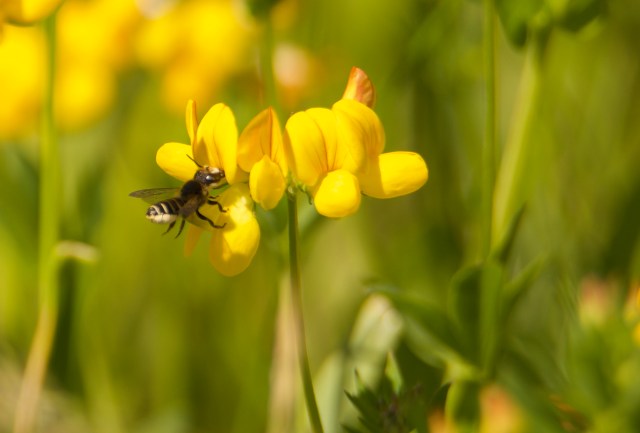
We learned that Ontario (400 species) and Alberta (321 species) are home to about half of the 748 bee species found in Canada, and that in Ontario, beyond the honey bee, there are five other types (families) to be found buzzing around our parks – the bumble bee, carpenter bee, leaf cutter bee, mining bee, and sweat bee. (Ontario Parks – https://bit.ly/3DuklYP)
Photo credit Lucy
The Alberta Bee Council offers a brief lesson in taxonomy where we learned that Alberta bees are grouped into six Families.
“All bees are insects (Class Insecta) and belong to Hymenoptera, an Order that includes bees, wasps, sawflies and ants. Within the Order, bees are grouped into Families. Alberta’s native bees belong to one of the following families:
The City of Toronto even has an official bee – a green metallic sweat bee known as Agapostemon virescens. (https://bit.ly/2zEUG0e)
You may learn more (lots!) from this 72-page Resource – Bees of Toronto: A Guide to Their Remarkable World – and perhaps get inspired to champion their protection and plant a pollinator garden or window box. https://bit.ly/2HdmA5Z
Photo credit Lucy
The Toronto Master Gardeners website (https://bit.ly/3dgQ98P) and, The City of Toronto’s website both offer tips to create a pollinator garden. A fun fact that Catherine learned from the Leaside Garden Society Master Gardeners is that native plants with single bloom flowers are best as food sources for pollinators; double bloomers lack pistils and nectar and are also too challenging for them to enter. Who knew?! Also, planting early spring flowers as food sources are really important for the bees as they emerge from winter slumber. Some plant ideas she learned for colour and early spring blossoms include: pussy willow, single blossom daffodils, golden rod, service berry, red bud, elderberry, Solomon seal, cone flower, tiara foam flower, Russian sage (annual).
Summer blossom tips for pollinator gardens include hydrangea, milkweed (a top tip for the monarch butterfly), echinachea, pagoda dogwood, rebeccia, columbine, beebalm bergamot, Blazing Star Liatris, Mexican sunflower (good for monarchs). Late summer blossoms include: Aster, Black-eyed Susan, and Fall ideas include: Joe Pye-Weed and Iron Weed. Catnip and native geraniums will blossom from spring to fall. Also consider garlic chives, Scarlett runner beans, Giant Hysop and Sea Holly.
Even better, for Toronto gardeners who are inspired to help protect bees (pollinators), now is the ideal time to apply for a Toronto grant for your pollinator garden from PollinateTO. The application window is September 12, 2022 to October 27, 2022. Learn more at: PollinateTO.
Celebrate National Tree Day 2022
Photo credit Christine
What better way to celebrate National Tree Day – September 21st – by planting a tree and/or taking a walk or ride or drive to be with the trees and perhaps be rewarded with an early sighting of burgeoning fall colours.
“National Tree Day is an opportunity to celebrate the many benefits that trees provide: clean air, cooler cities, wildlife habitat and connection with nature.” (https://bit.ly/3eTy94S)
Not to forget their essential role in carbon capture in the fight against climate change and global warming!
Chris Clennett, Garden Manager at Wakehurst, reveals why and how leaves change colour in autumn, on the Kew Gardens website – https://bit.ly/3DulzD6
“Autumn colour is a fascinating phenomenon, where trees and shrubs that have been green all summer burst into flamboyant shades of yellow, orange and red. But why and how does it happen?
“Trees, like most plants, use a green pigment called chlorophyll to photosynthesise – that is to produce sugars from the energy of the sun, using water and nutrients from the soil. This is what gives trees the energy they need to live and grow.
Photo credit Jim
“Leaves are the centre for this process, exposing the largest area they can to sunlight to speed things up. But leaves also contain many other substances, some used in photosynthesis and some created as by-products from it.
“It is thought the red or purple anthocyanins either protect the leaf from cold temperatures or deter pests, such as aphids. The presence of these coloured compounds might allow the tree longer to reabsorb other valuable nutrients as temperatures drop in autumn, so they are left in the leaf to help that process.
“As the tree becomes dormant, a compound called abscisic acid triggers a seal to develop at the base of the leaves, before they fall off. This reduces water reaching the leaf and traps the chemicals remaining in the leaves. They gradually break down, changing the colour of each leaf before it drops to the ground. As the process is gradual, individual leaves will be at different stages, so a tree will have leaves of many changing hues as autumn progresses.
Trigger for autumn colour
“The trigger for autumn colour to develop is a combination of day length and night temperature. As days shorten, the amount of sugar generated by photosynthesis drops off, and hormones in the plant trigger the leaf sealing and shedding process. This is accelerated by cold nights, but the lower temperatures also act on the compounds remaining in the leaf, breaking them down more quickly.” (Kew Gardens – https://bit.ly/3DulzD6)
Fall Colours and Foliage Calendars
Photo credit Lucy
Trip Savvy lists these “best places to see fall colours in Canada” –
Destination Canada’s website offers more travel ideas to see fall colours in Canada, including biking on the seawall in Vancouver, B.C. (https://bit.ly/3Bl8wl1)
This Ontario Parks website offers a fall colour calendar to help plan your park visit for peak viewing dates: https://bit.ly/3qO8Mnr
Similarly, Curiocity’s website offers calendar information to help trip planning to see fall colours at their peak in Alberta’s National parks – https://bit.ly/3BMHpAN
Photo credit AlexPhoto credit JimPPhoto credit Alex
Our last blog featured Inspiration from Art and Artists, quoting Claudia Rinke on “Why Artists will Change the Planet,” offering her view that, “I do think that art and creativity truly have the power to change societies and the world. It will take collective effort of artists, institutions, and individuals to envision a better future and to take steps toward that vision.”
Mother Nature’s natural beauty shimmers at this time of year. How fortunate are we in Canada to experience and enjoy the gifts and bounty of the four seasons, freely on offer to us to renew, inspire and lift our spirits and sightlines for a brighter future. We just need to remember to take a moment to stop, look, be still with and truly see and wonder at the magnificence and marvels of the world around us, and receive these gifts with gratitude and an open heart. What better time than now, amidst the vibrant changing fall leaves and colours, to celebrate trees and our gift of life? Perhaps a walk, bike ride or hike, whether on September 21st to celebrate National Tree Day, or, on October 9-10 to reflect during Thanksgiving weekend?
Inspiration from Words of Wisdom
Then perhaps the words of Onondaga Nation Clan Mother, Audrey Shenandoah may resonate and inspire us further, to treasure and take good care. Worth repeating and contemplating we feel –
“Being born as humans to this earth is a very sacred trust. We have a sacred responsibility because of the special gift we have, which is beyond the fine gifts of the plant life, the fish, the woodlands, the birds and all the other living things on earth: We are able to take care of them.” Onondaga Nation Clan Mother, Audrey Shenandoah.
From the Article in Innovators magazine December 2020 called Why Artists Will Change the Planet, Claudia Rinke writes, “We are living in challenging and exciting times. The world is changing fast and not as we’ve known it. How should we address complex global issued from inequality over pandemics to climate change?”
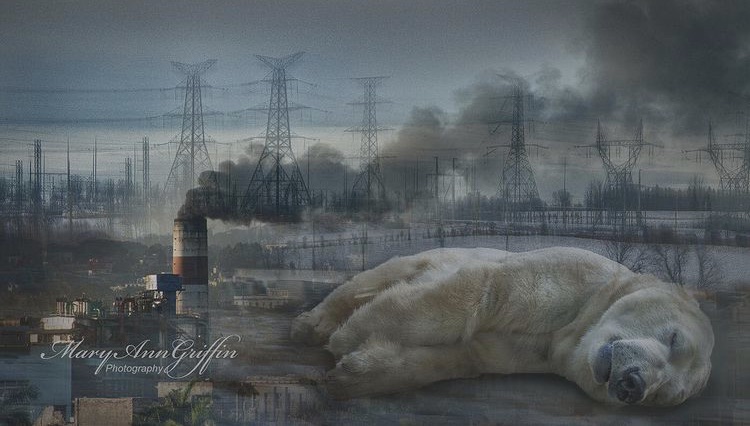
MaryAnn Griffin’s (Lucy’s sister) photo won an award in the Creative Category at Toronto Camera Club
“Art has the ability to move people and offer new experiences. Art presents reality in a way that may change the vision and perspective of the audience towards the world. Be it a painting, drama, song, a novel or film, art may motivate people to think about life positively or differently. Art offers a unique way of understanding the meaning of life and how beauty and pleasure could be part of existence. It combines the imaginary world with reality and encourages people to change their thinking and perceptions. Good art has the power to engage the world to change the world.”
Rinke says “I do think that art and creativity truly have the power to change societies and the world. It will take collective effort of artists, institutions and individuals to envision a better future and to take steps toward this vision. As the playwright Jonathan Larson said ‘ The opposite of war isn’t peace; it’s creation.’ “
Film
Note: Claudia Rinke’s Film NOW abut the climate movement won the international Golden Nymph Award in 2021 as best environmental documentary.
Music
Lucy had the privilege of going to the Edmonton Folk Festival and the Edmonton Blues Festival and was moved by the music, and inspired by songs about taking care of Mother Earth. Susan O’Neill of Ireland shared her powerful 2017 song “Our Mother is Begging to Breathe“. Here is a link if you would love to hear this song.
So many songs have been written about caring for our planet and the plight of animals going extinct. . Rolling Stones Magazine in April 2020 edition “Earth Day: Now or Never: The Race to Save the Planet The Crusade of Greta Thunberg” featured 15 Pro-Environment Songs. Here is what was on the list:
The Beach Boys, “Don’t Go Near the Water”
Jack Johnson, “The 3 R’s (Reduce, Reuse, and Recycle)”
Crosby and Nash, “To the Last Whale”
will.i.am, S.O.S. (Mother Nature)”
Kenny Loggins, “Conviction of the Heart”
The Eagles, “The Last Resort”
Three Dog Night, “Out in the Country”
Counting Crows and Vanessa Carlton “Big Yellow Taxi”
John Denver, “Sunshine on My Shoulders”
Miley Cyrus, “Wake Up America”
Celine Dion, “Skies of L.A.”
Dave Mathews Band, “Proudest Monkey”
Julian Lennon, “Saltwater”
James Taylor, “Gaia”
Yes, “Don’t Kill the Whale”
10 Most Endangered Species in Canada
Listening to this music, we hear many musicians make reference to endangered and extinct species. One quote we read recently said that if the bee goes extinct the planet will only survive four years. Wow! Here is a list of the most endangered species in Canada:
As a birder Lucy is aware of projects in Arizona and Alberta that are set to help increase the numbers of Burrowing Owls. She visited one of these sites that had man-made tunnels for the owls to burrow in. Above is a Burrowing Owl at one of these sites.
“Being born as humans to this earth is a very sacred trust. We have a sacred responsibility because of the special gift we have, which is beyond the fine gifts of the plant life, the fish, the woodlands, the birds and all the other living things on earth: We are able to take care of them“. Onondaga Nation Clan Mother, Audrey Shenandoah
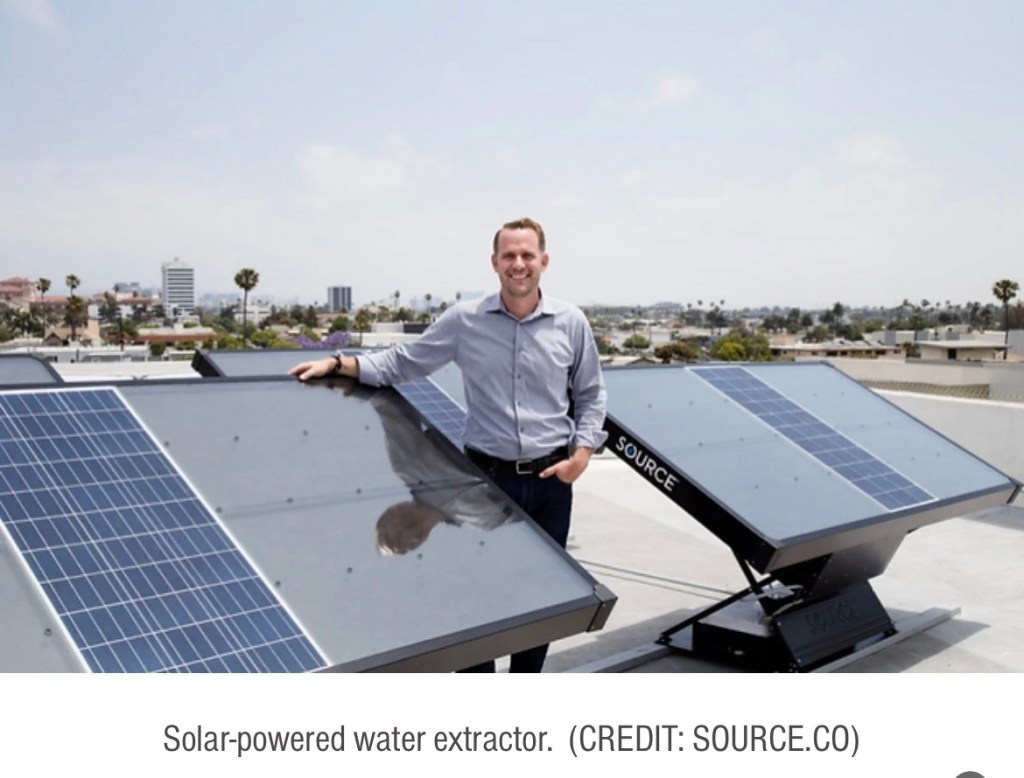
New Invention: Solar hydro panel captures 10 litres of clean drinking water out of the air per day.
The Nature of Invention
Fresh perspective and inspiration can come from many places, happily, and often times, serendipitously.
We would like to share some un-related stories of invention and innovation that we happened upon by chance recently, which we found energizing and oddly then inspired us to reflect on our daily habits with “fresh eyes,” asking ourselves what more we might be doing to shrink our carbon footprints.
We say “oddly”, since these stories of invention are not about climate change or global warming per se, and yet, however, we find a connection in a broad sense, through the hope in the future they inspire us with as they showcase the best of what might be achieved via human ingenuity and perseverance, aimed at solving real world, seemingly intractable problems. The stories of youthful inventors are especially inspiring we find. Teen inventors, such as Ann Makosinski, who “was inspired to help her friend in the Philippines who couldn’t study or read in the dark and had no lights in her home.” So, she invented a battery-less flashlight. Anne’s story and many more fascinating stories of invention are profiled in this 44-minute episode of David Suzuki’s The Nature of Things: The Nature of Invention, accessible on CBC Gem (https://bit.ly/3vPv0Zu) and on Youtube ( https://bit.ly/3BYaV6X).
In it, we learned about “biomimicry” or “bio-inspiration,” via the story of Canadian doctor, Jeff Karp, and his lab at Harvard Medical School where they invented “heart glue”. “…He was asked to find an adhesive to deal with septal defects in babies — a hole between the chambers of the infant’s heart. When he encounters challenges, Karp often turns to nature for inspiration, a concept called biomimicry, or bio-inspiration. In this case, he looked at creatures like the sandcastle worm, slugs and snails. Their secretions contain components that can repel water, which is exactly what’s needed in the wet, messy environment of a beating heart.” We appreciate this fascinating documentary, including the opportunity it offered us to learn about and marvel with “fresh eyes” at, Nature’s wonders.
Not all the profiled inventions necessarily have the “wow factor” of Karp’s “heart glue,” but they still make a big impact in improving people’s daily lives by solving practical problems. Such as Lift Labs’ invention of the Google spoon, aimed at helping people with essential tremor and Parkinson’s disease eat a meal with dignity and ease. The spoon is profiled in this short Youtube clip. https://bit.ly/3QyY932
Ideas for Avoiding Plastic Use
One of the common traits shared by the inventors is their capacity to look at the world/problems with fresh eyes and perspectives, coupled with a can-do attitude, agency and motivation ‘to act’. Somehow this inspiring energy propelled us to take a renewed look at some of our own daily habits with ‘fresh eyes’, wondering what we might do differently or better to reduce our carbon footprints further. For Catherine, there are two A-Ha’s and immediate areas to make change to reduce plastic bottle waste. Even while we both are avid recyclers and composters, appreciating these services offered by Toronto and Edmonton municipal garbage collection, the A-Ha for Catherine came in realizing that a new approach to her taste for carbonated water would avoid for the need to recycle bottles altogether. So, now she intends to make her own bubble water, rather than buy bottles of it shipped to Canada from Italy and France – much gentler on resource consumption, including transport, and waste production. In her household, on average this should obviate the need for at least 300 bottles per year.
According to this government of Canada piece profiling Soda Stream (not an endorsement),
“…just 32 people working together in Canada are able to prevent a whopping 217 million single‑use plastic bottles and cans from ending up in our landfills.”
“That is exactly what happens every year thanks to SodaStream, the at-home sparkling-water-making machine that turns tap water into carbonated bubbly water on your countertop, according to Rena Nickerson, SodaStream Canada’s general manager.”
“SodaStream’s environmentally friendly home carbonation systems are centred on a sustainable circular return and reuse system.”
“The canister that provides carbonation is refillable rather than disposable, and the accompanying plastic bottle for the final product lasts up to three years. The compact system, which includes reusable BPA‑free bottles and concentrated sparkling drink mix, greatly reduces the use of recyclables and disposables.”
“It’s kind of staggering how big of an environmental impact we are able to have. Canadians understand; they get it. They are looking for ways to reduce their environmental footprint.” (https://bit.ly/3bLz9GT)
Eco Laundry Strips
Thank you, Lisette, for putting this cool innovation on our radar – eco laundry strips. Who knew?! Another way to avoid for and divert 100s of plastic bottles from ending up in landfills and oceans.
According to one provider, TruEarth (not an endorsement), “Each laundry strip packs ultra-concentrated, hypoallergenic, eco-friendly cleaning power into a tiny, pre-measured strip of liquidless laundry detergent that you just toss in the wash. Its low-sudsing formula works in all types of washing machines, including high-efficiency (HE).”
“Every 32-load package eliminates 1 plastic jug from potentially ending up in landfills and oceans.”
David Suzuki reminds us in this Now Toronto piece about Canada’s list of six single-use plastics that will be banned beginning this December, including single-use plastic grocery bags. Mostly, we both have made the shift already to bringing our own re-usable bags when we shop. However, Catherine still acquires some plastic shopping bags for use in emptying the cat’s litter box, in order to avoid “the yuck factor.” Some changes are harder to make than others! But, we can do it!! She is now motivated to make this final shift in practice, letting go of “convenience,” and plastic bag use entirely, in favour of more eco-friendly options such as using the biodegradable compost bin bags for litter box disposal too. (https://bit.ly/3doCTic)
Plant Milkweed for Monarch Butterflies
swamp milkweedShowy milkweed
We were dismayed to learn that our beloved monarch butterfly is now on the endangered species list! For those of us with garden space, please consider planting milkweeds. According to this CP24 piece, it is one tangible impactful action we can take that will really help.
“What can home gardeners do to support the monarch?”
“If everyone reading this planted one milkweed plant, the benefit would be palpable. Milkweed (Asclepias spp.) is the only plant monarch caterpillars eat, and it’s where the adult butterflies lay their eggs. Without it, the species simply could not exist.”
“ ‘But not all milkweed is the same,’ says Dawn Rodney, chief innovation and growth officer at the National Wildlife Federation in Reston, Virginia. For instance, ‘there is an invasive species called tropical milkweed (Asclepias curassavica) that we’re seeing more and more, and people are not understanding that it does more harm than good.’ ” (CP24–https://bit.ly/3BUHiTW)
“A Better Way to Look at Trees (The Atlantic)“
Rebecca Giggs writes in The Atlantic on “A Better Way to Look at Trees,” profiling new research on the forest and “the paradigm shift” in our understanding of “what a tree is – tree botany in its essentials – feels utterly changed.”
“Meg Lowman and Suzanne Simard are two pathfinders who have worked for decades in this field (that is, the forest), and they have now written books not just to instruct, but to reorient and inspire.” To learn more – https://bit.ly/3Pb6ybF
New Favourite Tree
While volunteering at this year’s Leaside Garden Society’s Garden Tour, Catherine “met” for the first time, her new favourite tree – the larch, pictured above. To learn more about larch (larix) trees, see Encyclopedia Britannica resource at: https://bit.ly/3AjY3ah and be on the lookout especially for the Japanese Larix Dianna for its spiral cascading graceful beauty. Happy summer gardening and touring!
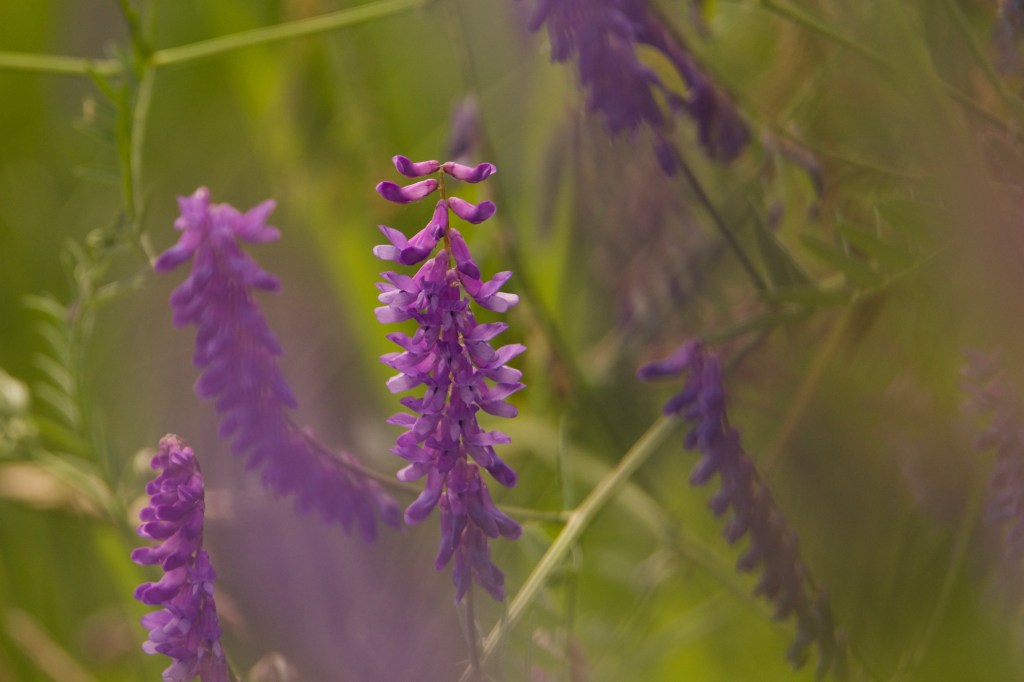
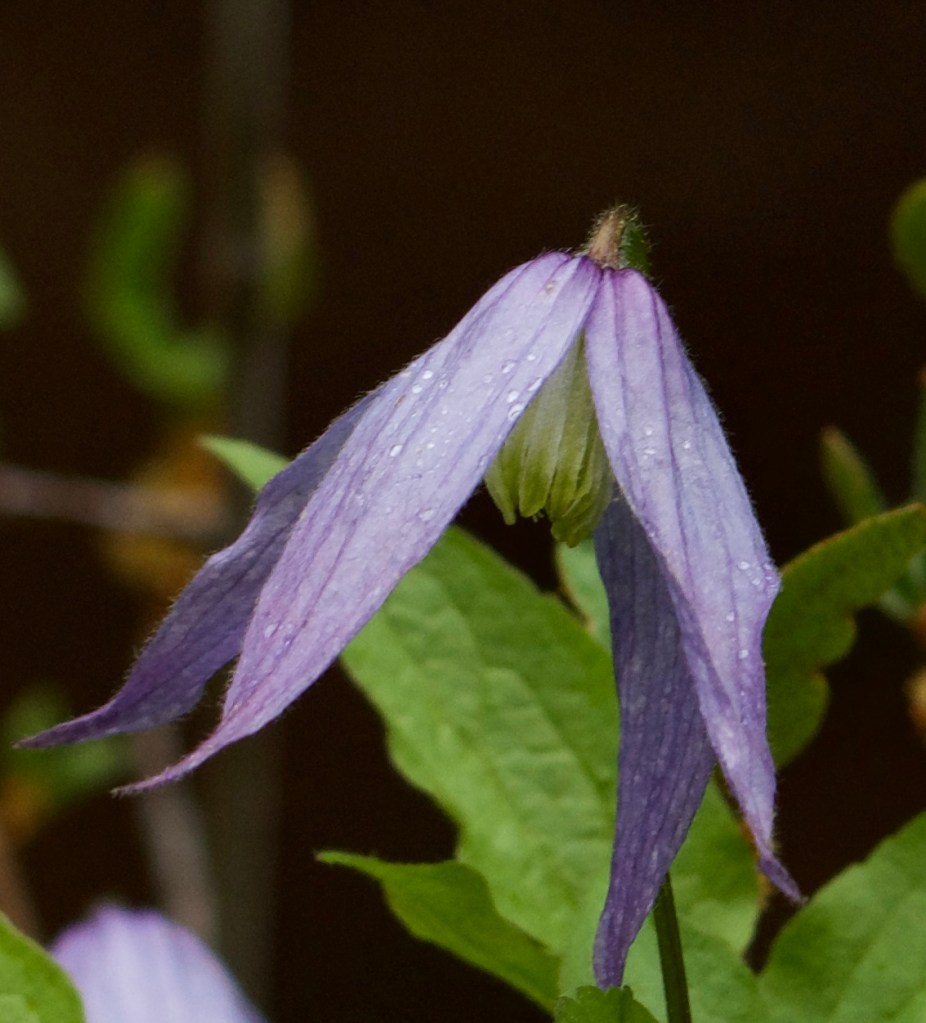
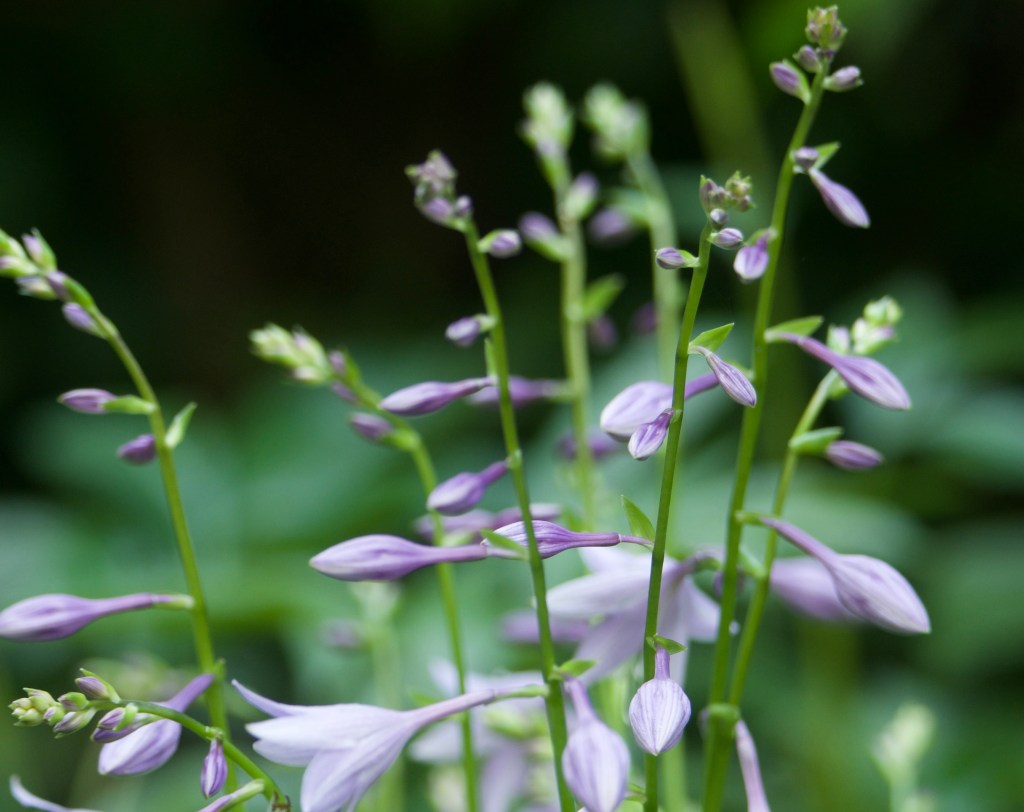
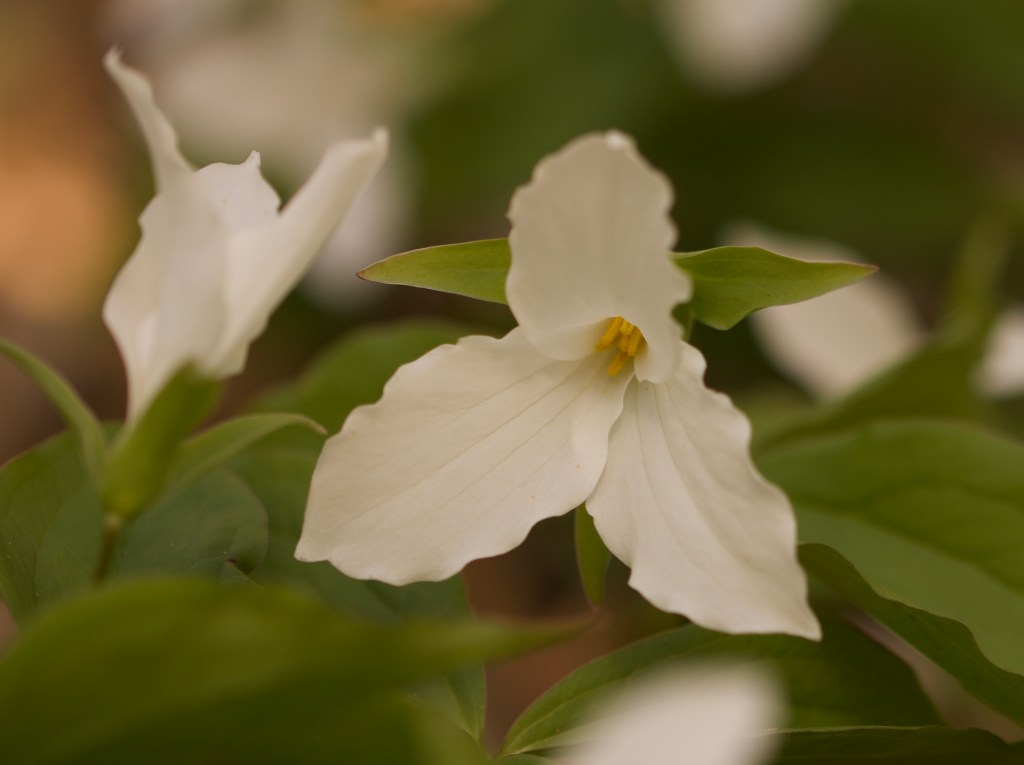
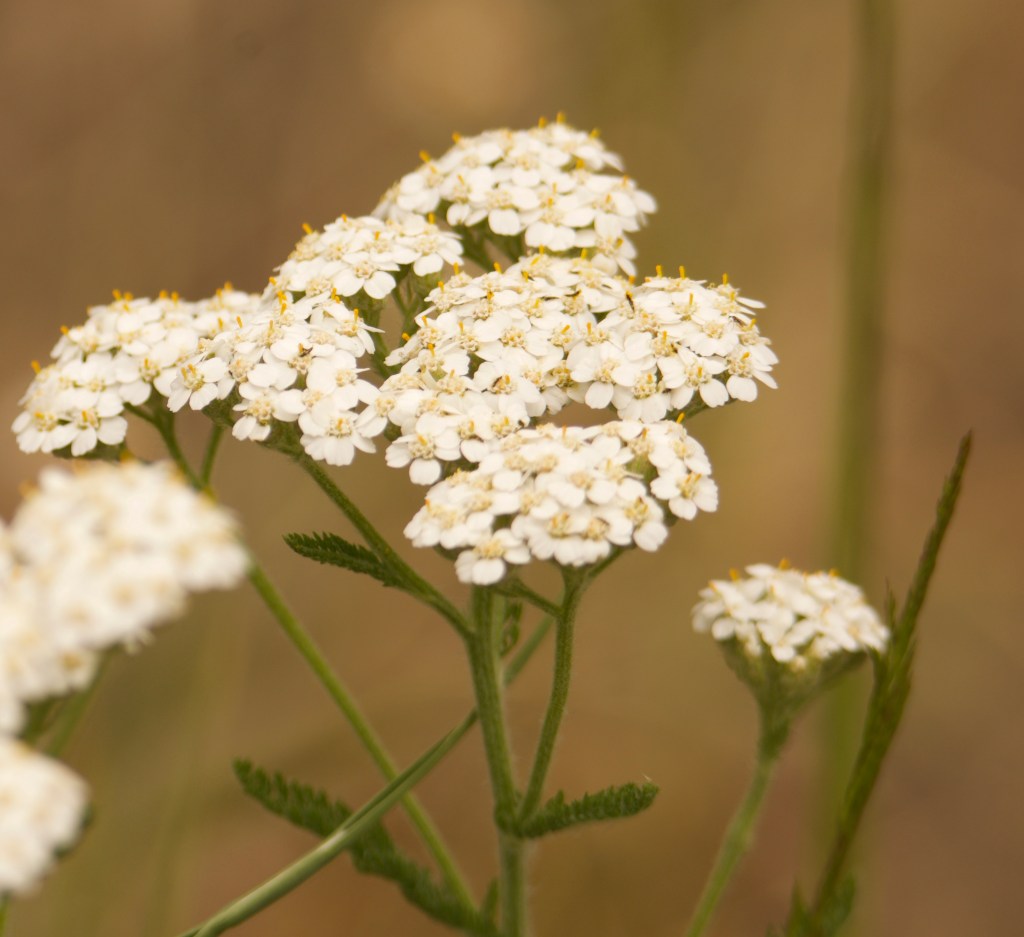
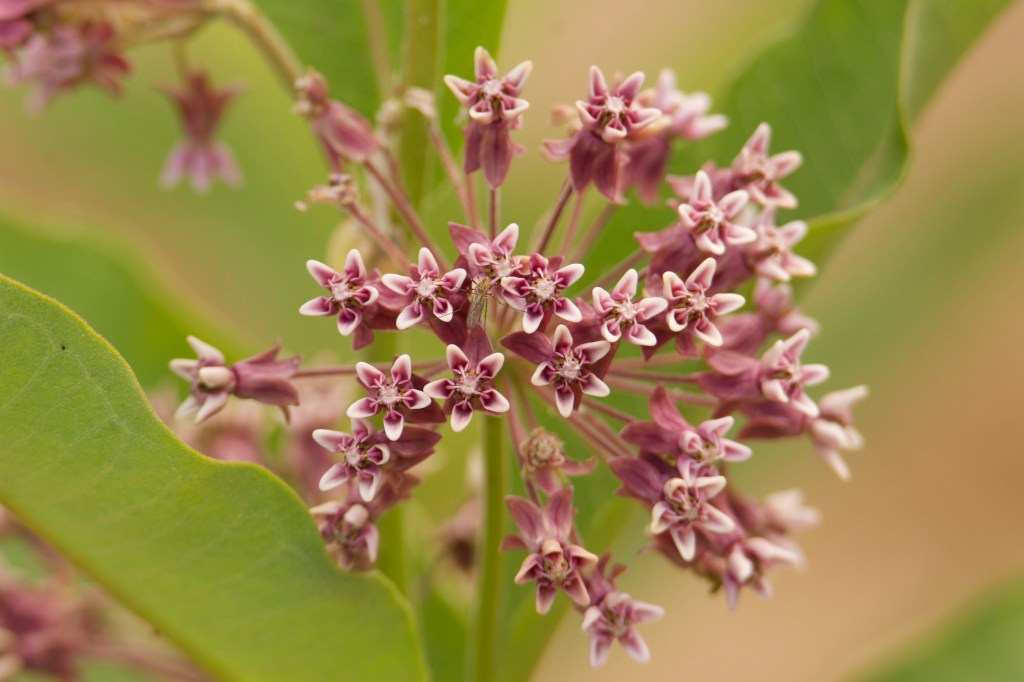
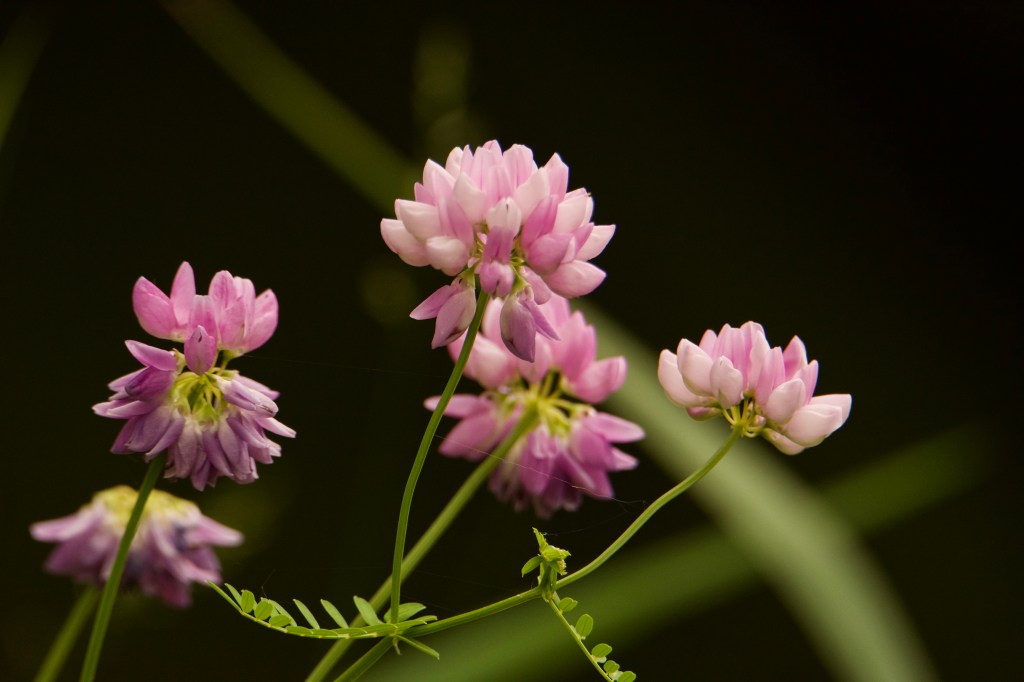
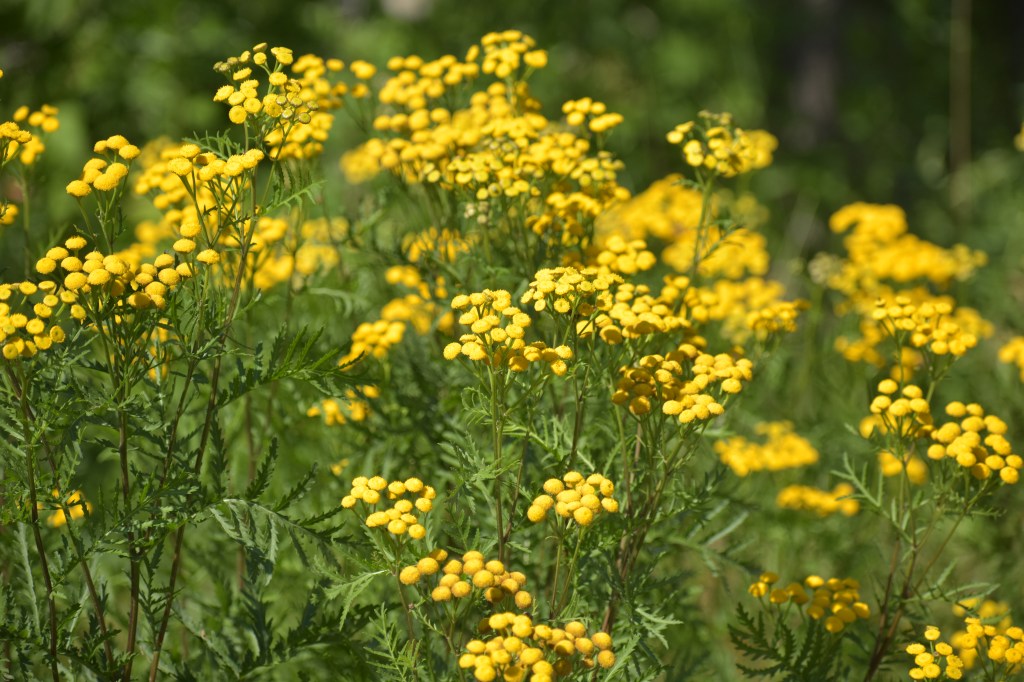
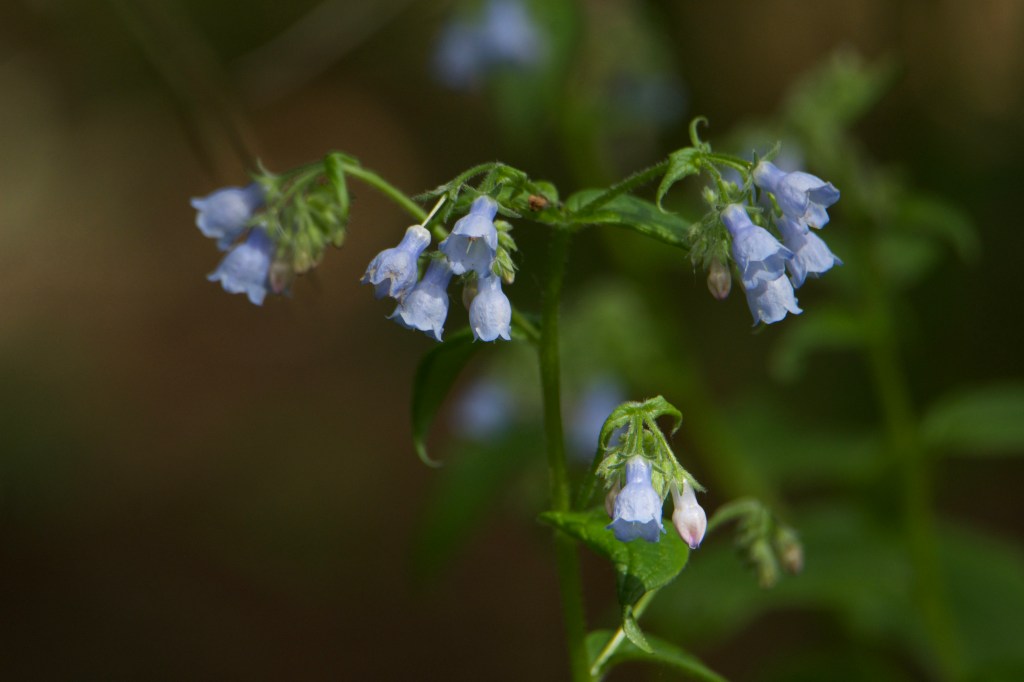
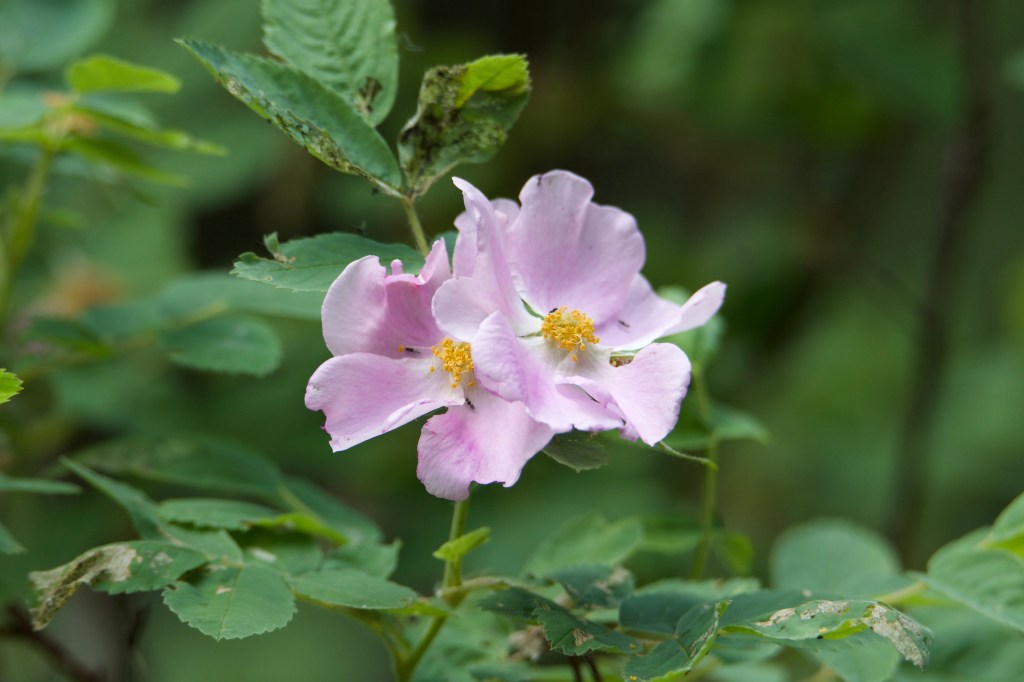
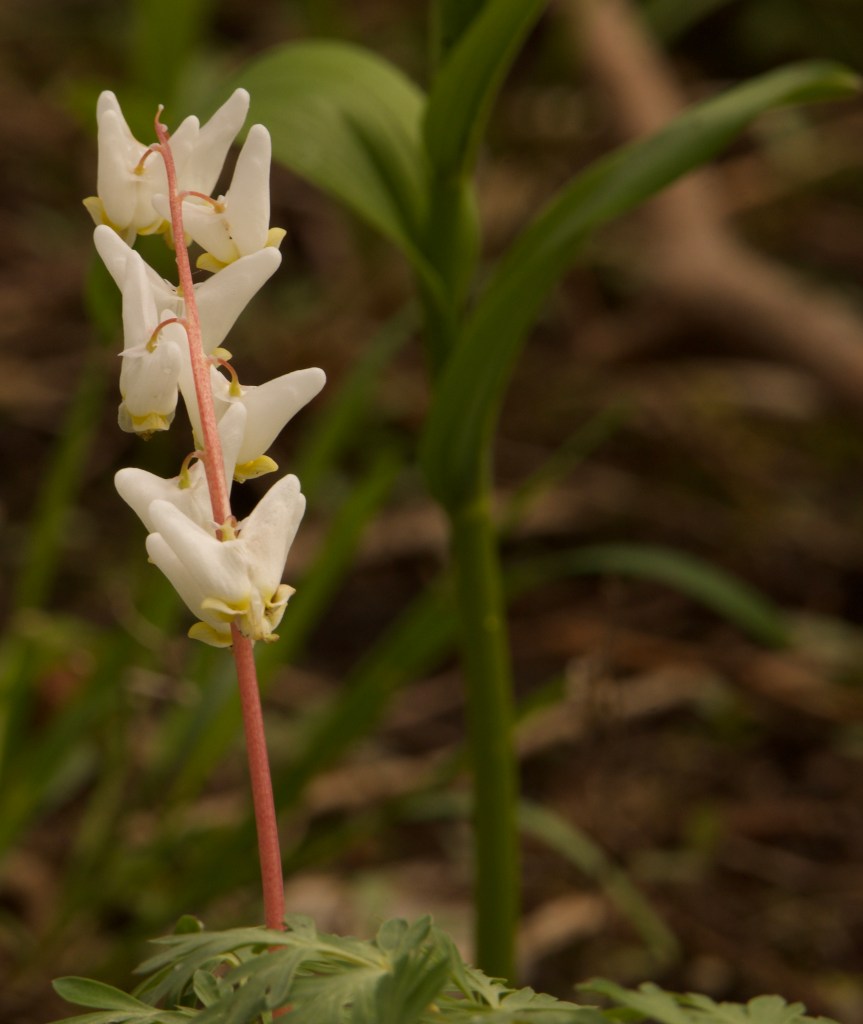
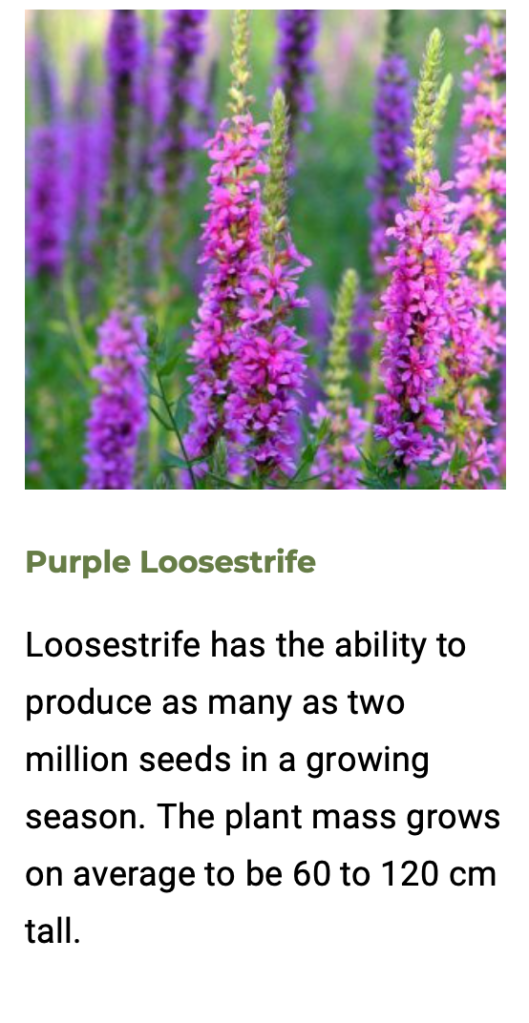
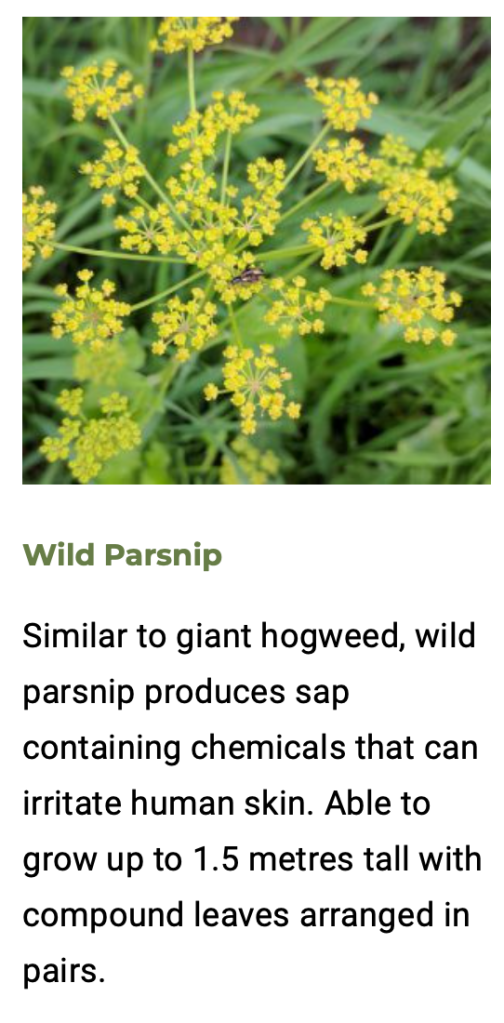
Part of enjoying walks in the forest all summer long, is the world of ever blooming wildflowers. We thought we would share some of the wildflowers Lucy has photographed across Canada. As she read up about these plants she learned that many of them are considered noxious weeds, so Lucy labeled them as such. We are learning through this blog that there are so many invasive species all around us, not just the purple loosestrife commonly reported. Later in this blog are planting suggestions of good local alternatives to noxious weeds.
Lucy used her new iPad to identify these plants by opening the photo, tapping on the information button and the “look up” button and the computer labelled each flower for her. Clearly this new iPad is much smarter than her old laptop! Lucy is really still learning the names of the flowers and is trusting the computer to be correct, but apologies if there are some mislabeled. Another app you can put on your phone will identify the flowers as you walk. It’s called SEEK. Have fun enjoying the great outdoors, and smelling the wildflowers!
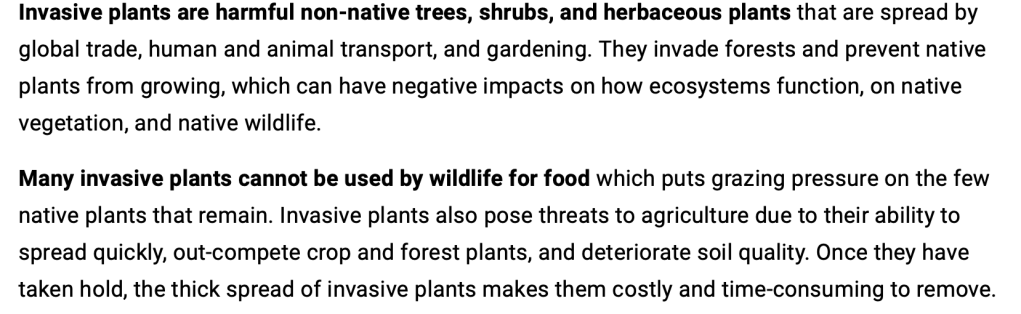
Not all wildflowers are welcome species. Here is how the Invasive Species Centre describes what is invasive and how these plants (and trees and shrubs) are harmful:
Here are a few of the invasive species found in Canada as listed in 2022 by the Invasive Species Centre.
info@invasivespeciescentre.ca
What Can We Do to Prevent the Spread of Invasive Species?
First of all it is important to get to know your invasive plants. Some plants like giant hogweed and wild parsnip can cause human health issues though direct toxic effects, and burn your skin, so do not just go out and pull out the plants without knowing what you are dealing with. Practise prevention, by knowing what you are buying as plants and seeds, by never releasing aquarium plants, and by purchasing mulch or soil from a reputable supplier. When landscaping, minimize soil disturbance and retain shade trees to prevent establishment of invasive plants. Burn local firewood, do not move firewood. Recreationally, inspect and clean mud and plants from recreational vehicles, pets, hiking boots and equipment before leaving any site and returning to your home. You can report invasive species to your ministry of natural resources or provincial hotline and share the knowledge locally with your neighbours and others. There are so many more detailed ways to deal with invasive species on your property if they are an issue, and so we encourage reading online.
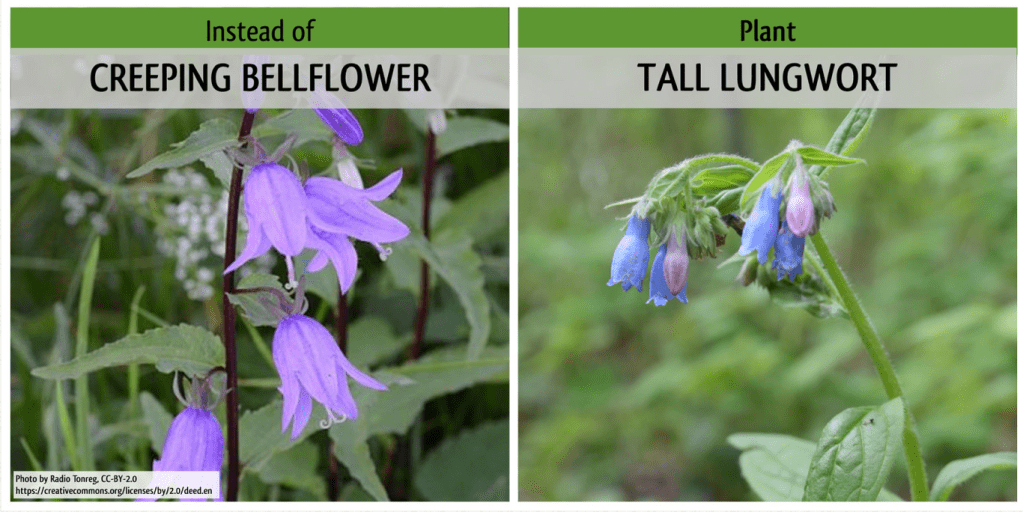
Just reading about what to plant in Edmonton, the oxeye daisy posted as a wildflower above can harbour crop diseases and choke out other native plants so is not a great plant to have in Edmonton’s ecosystem and is considered a noxious weed or invasive species. As gardeners we are encouraged to plant as many native species in our gardens as we can. In this article called “Plant This Not That” the Edmonton and Area Land Trust suggests the following best choice of plants:
Instead of Creeping Bellflower plant Tall Lungwort
Instead of Himalayan Balsam plant Spotted Jewelweed
Instead of Dame’s Rocket plant Common Yarrow
Instead of Purple Loosestrife plant Meadow Blazingstar
Red Headed Woodpecker in unique forest of Point Pelee National Park, Ontario
We are called upon to be better stewards of our fragile natural world, even as we are invited simply to be open and present to receiving its wonders, inspiration and healing powers for body, mind, and spirit. “Nurturing nature” flows two ways.
This blog shares various tree-themed snippets that got us noticing, marvelling and contemplating nature and our humanity.
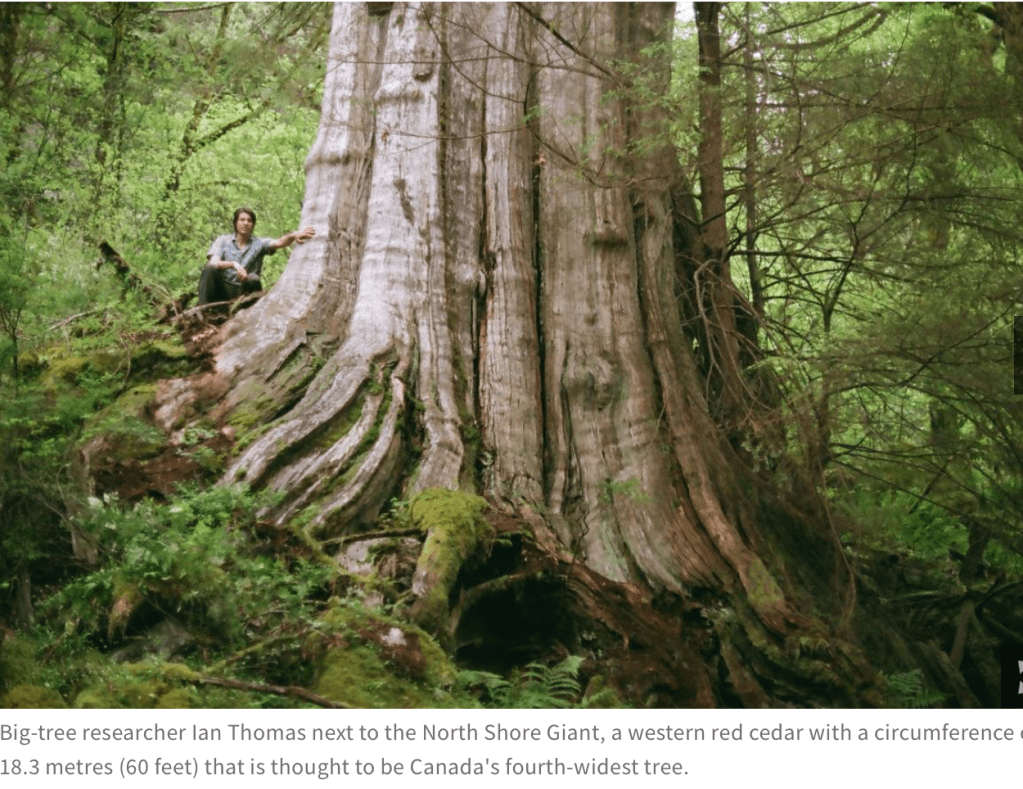
North Vancouver Western Red Cedar
“You are encountering one of the largest and oldest living things on this planet,” he said. “It’s almost like seeing a blue whale or a northern white rhino — this piece of this rich, wild world.” (CBC – https://bit.ly/3aDNMvn)
Imagine a tree so wide it would “barely fit inside the cabin of a Boeing 747”. Astonishingly, this western red cedar, found by biologist Ian Thomas in North Vancouver, B.C., has been alive for 1,000 to 2,000 years.
Photo credit Colin Spratt
The tree’s actual diameter is in the process of being officially verified. “According to the University of B.C.’s Big Tree Registry, a tree 5.8 metres in diameter would be the fourth widest on record.”
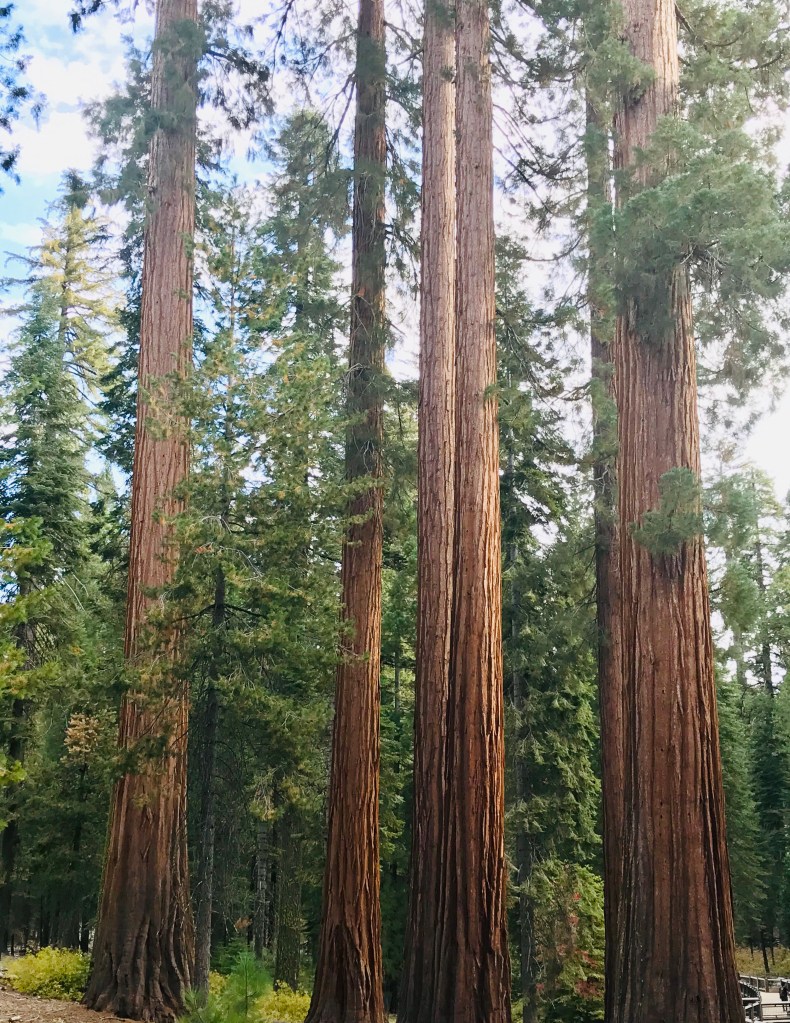
“The largest trees on Earth by volume, giant sequoias soar upward like natural skyscrapers and are simply mesmerizing in their immensity.”
“These trees have a limited range, though: They’re found only on the western slopes of the Sierra Nevada mountain range in California.” (CNN – https://cnn.it/3z45IIU)
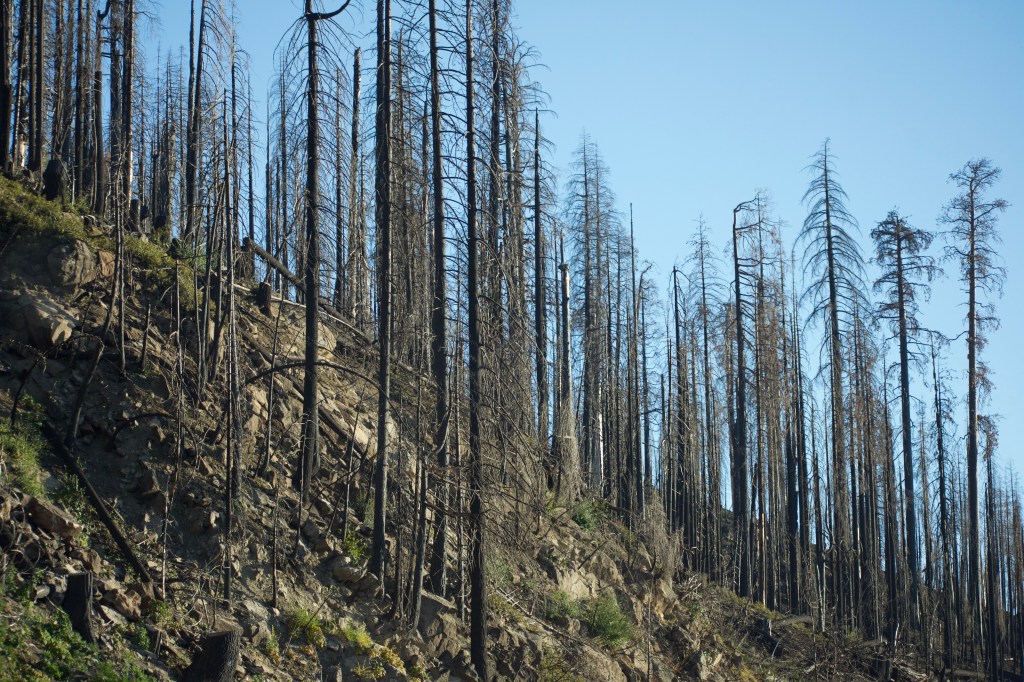
Unfortunately, these awe-inspiring ancient trees are on our radar this week because they are being threatened by the annual event of summer fires in California. Fortunately, as we learn in this CNN article, the Yosemite National Park “and the firefighters on the ground have done as much as possible to protect the trees.”
Sequoias in Mariposa Grove, Yosemite, Photo credit Lucy
“The combination of the removal of the hazard fuels and the prescribed burning that we’ve done, with the temporary sprinkler system that is in place, we are confident that’s giving those giant sequoias the best protection available,” Nancy Phillipe, a park ranger with Yosemite Fire, told CNN on Monday.”
“Yosemite’s Mariposa Grove, where more than 500 giant sequoias — some thought to be more than 2,000 years old — can tower to more than 20 stories.”
” ‘Fire is important, in fact it’s critical for giant sequoias for them to have the seeds come out of the cones, to regenerate the soil, provide habitat for animals. … But it’s these high intensity fires that are causing the damage,’ he said, citing the devastating Creek Fire which consumed nearly 400,000 acres of California’s Sierra National Forest area for several months in 2020.” (CNN – https://cnn.it/3z45IIU)
Fighting Fire with Fire
Yosemite National Park photo credit Julius
Fire fighters in Yosemite National Park are using ‘prescribed burning’ as part of their toolkit for protecting the ancient giant sequoias. “Fighting fire with fire,” is also an approach used by indigenous knowledge keepers and fire ecologists, including the Interior Salish Firekeepers Society in B.C., who “set fires to fight wildfires and ‘cleanse’ the land,” as this CBC piece describes – https://bit.ly/3P9ZexJ
“Scientists who study fire say it’s time Canada learns from other fire-ravaged places on the planet that are aggressively using fire to fight fire.”
“Cultural or Indigenous burning to mitigate wildfires is seeing a resurgence from California to Australia as the climate crisis makes summers hotter and drier, upping the ferocity of wildfires.”
“Gilchrist says setting controlled fires helps reduce fuel for wildfires where the land is so dry little rots.”
“Traditionally, Indigenous fire keepers — often a hereditary position — lit fires to clear debris that can fuel angrier fires. This was done to renew crops and grazing land and for safety. Examples of the practice can be found around the world.” (CBC – https://bit.ly/3P9ZexJ)
Yosemite National Park, photo credit Lucy
Nobel Peace Prize – Wangari Maathai
We are inspired by the actions of one woman, Wangari Maathai, which ultimately have given rise to the Green Belt Movement (GBM) to plant over 51 million trees, and along the way, impacted the path of Kenyan history for empowering communities, especially women and girls, and “fostering democratic space and sustainable livelihoods.”
“Wangari Muta Maathai was born in Nyeri, Kenya (Africa) in 1940. The first woman in East and Central Africa to earn a doctorate degree.…Wangari Maathai was active in the National Council of Women of Kenya in 1976-87 and was its chairman in 1981-87. It was while she served in the National Council of Women that she introduced the idea of planting trees with the people in 1976 and continued to develop it into a broad-based, grassroots organization whosemain focus is the planting of trees with women groups in order to conserve the environment and improve their quality of life.” (nobelprize.org biographical – https://bit.ly/2V0KR5Y)
The inspiring story and journey begun in 1977 of Professor Wangari Maathai, the first African woman to receive the Noble Peace Prize (2004), is profiled in this 8-minute YouTube video produced in 2022 and available as part of “Plant Seeds for Peace” Lesson Plans on the Nobel Peace Center’s website —
“What I Learned from the Trees”– L. E. Bowman poetry
GoodReads review – “What I Learned from the Trees delves into the intricate relationship between humans and nature, and how these often overlooked, everyday interactions affect us as individuals, families, and communities. With a backbone rooted in primordial imagery and allegory, and a focus on how the growing disconnect with our own wants, needs, and fears creates deeper divides in our relationships, this collection is notably relevant to today’s society and the struggles we face with the ever-expanding detachment between humans and the natural world…” (GoodReads – https://bit.ly/3PJFzF1)
From the opening page – food for body, mind, and spirit —
“Trees speak in a language of whispers,
of subtle glances, of flickering light.
All quiet and stillness and somehow still dancing.
All reaching down, digging deep,
and somehow still moving closer to the sky.
Their language isn’t complicated,
but we can’t seem to learn it.
The simplicity is daunting,
The gentleness difficult for a human to grasp.
The understanding that just being is our purpose.
The realization that existing is enough.” (L. E. Bowman)
Mt. Doug in Saanich Peninsula, Vancouver Island. Photo credit Lucy
Perspective
From the backcover and one of the collection’s closing poems:
“Have you ever seen dust dancing in sunbeams?
How it glistens like flecks of gold?
Maybe that is the true alchemy.
Not changing what something is,
but seeing it in a new light.” (L.E. Bowman)
Phot Credit Lucy
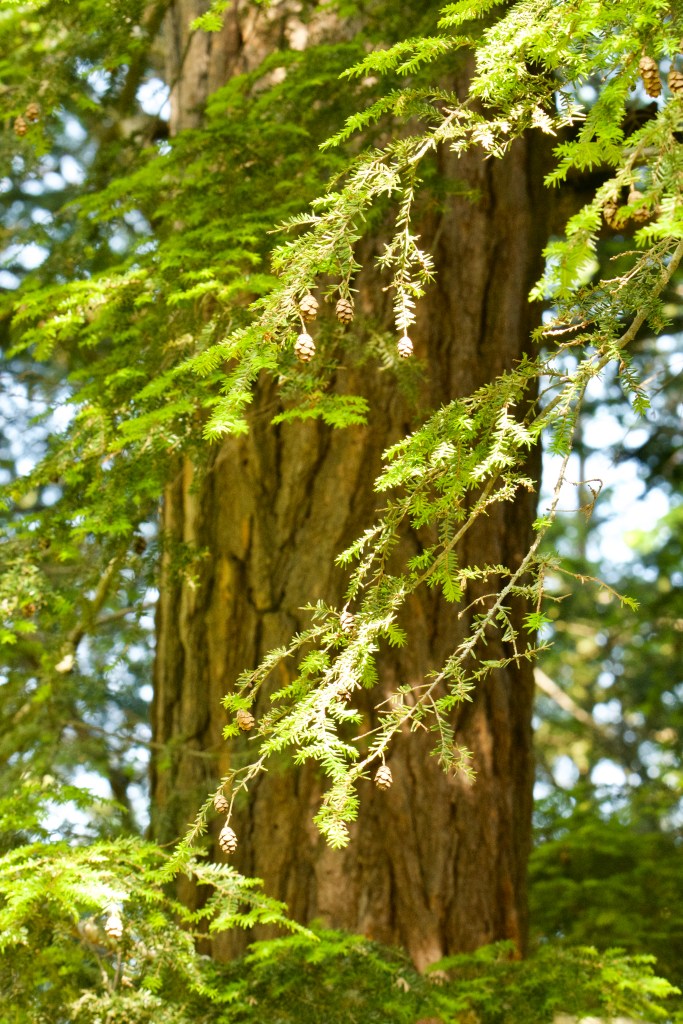
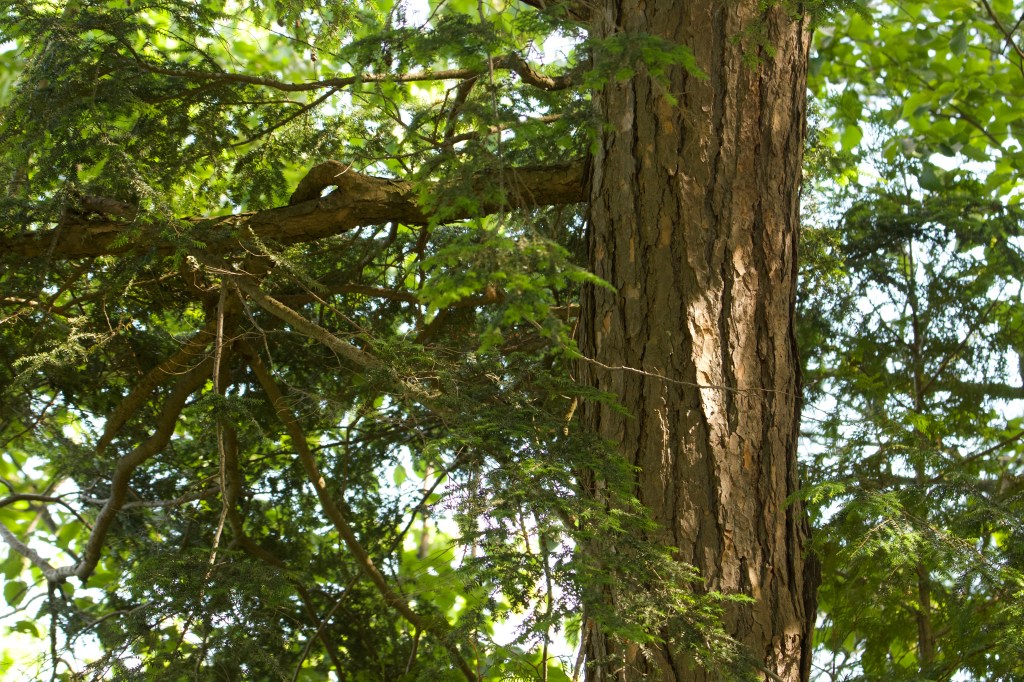
The old growth forest of Hemlock trees that need protection at Catchacoma Lake, Ontario.
What is the True Value of a Tree?
CBC What on Earth recently posted an article/podcast called “What is the True Value of a Tree?” So far trees are priced not including their environmental benefit value, and some say this needs to change. To read this article go to Whatonearth@cbc.ca
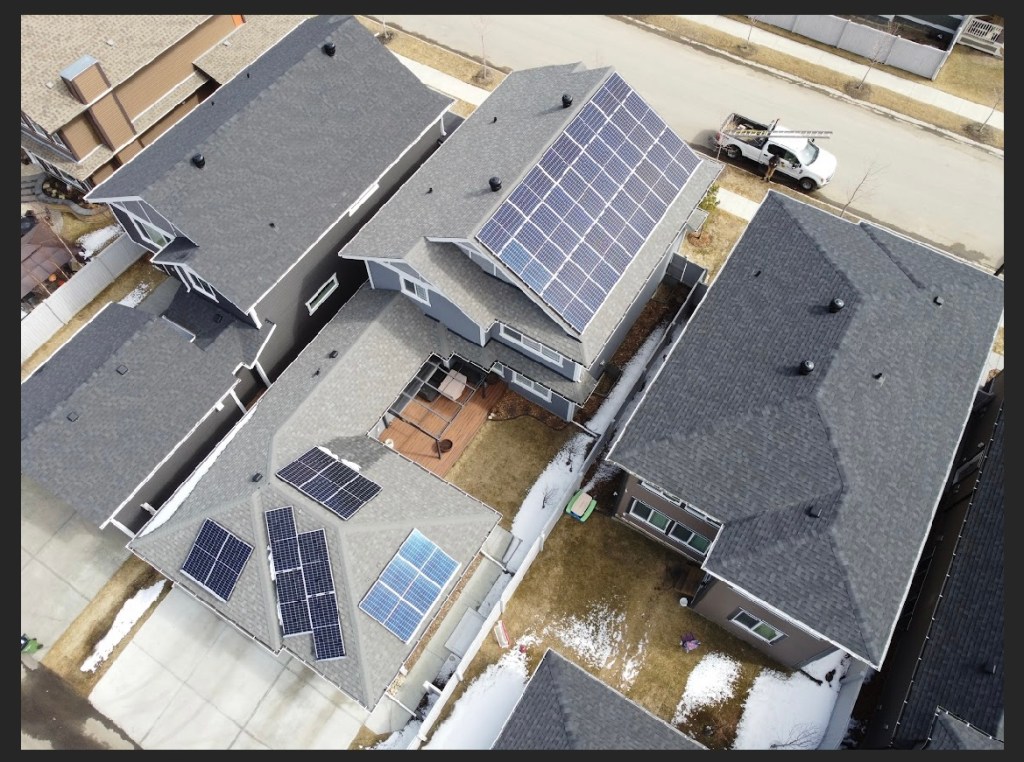
We are solar curious, but every time we try to determine if having a solar roof is a good option we are overwhelmed with the number of variables that go into the equation. The orientation of the roof, the number of hours of sunlight on the roof, the slope of the roof, any shading of the sun, the size of the roof, the newness of the shingles, the number of kWh we consume, the types of solar panels, the choices of companies providing the service, the length of time the panels will pay back, the insurance of the panels, the number of years we will live in our homes, the amount of rebate available to us, are some of the many things to consider. The usual end result is to forget about it. But we are pleased to announce, it does not have to be that complicated.
Three Pieces of Good News about Solar Panels
What we did find out is you can get a lot of these questions easily answered by finding one reputable company, giving them your address and a photo of your electrical panel, and they have the ability to easily determine a lot of these factors for you, without needing to come to your house. There are stats and apps and images available to them about your house, (a bit big brother-ish) and we are told it is simple for the solar companies to produce a lot of information for you.
2. The second piece of good news is that even though one cannot store surplus energy from solar panels on summer days, one can receive a credit during the approximately 8 months that one is a net exporter and those can more than cover the additional administrative fees and service charges.
3. The third piece of good news is the Federal Government is offering $5000 towards solar panels as an energy efficient retrofit, and there are also city and provincial rebates available to most people that will offset the cost even more.
Canada Greener Homes Grant
Homeowners can receive up to $5,000 to make energy efficient retrofits to their homes for measures such as new windows, insulation, battery energy storage systems and installing solar panels. Solar power systems can receive a rebate of $1.00/W up to $5,000. Battery installations such as Tesla Powerwall can receive up to $1,000.
Edmonton Solar Rebate
The City of Edmonton recently announced a rebate for residential solar installations for $0.40/W up to $4,000. This rebate is in addition to the provincially-funded residential and commercial solar program.
Questions and Answers for Experts and Solar Panel Owners:
We also gave a list of questions to Ben at SKY FIRE solar company and the same questions to two owners of homes with solar panels and here is what they had to share. Thank you to Ben, Kevin and Pat for taking the time to offer your knowledge and experience with us.
1.What kind of solar panels did you use?
Ben from Sky Fire: Solar modules are a commodity and their production and availability are subject to market forces (ie, supply/demand). Over the years SkyFire Energy has installed the following brands of modules: REC, Canadian Solar, LG, Hanwha, Longi, Silfab, and Trina, to name a few. SkyFire Energy is currently installing modules with both 60 and 72 cell arrangement, Mono Perc crystalline structure and half cell technology. The majority of the modules come with the industry standard 12 year product warranty and 25 year performance warranty. The amount of solar modules per household is limited by the annual electrical usage for the property.
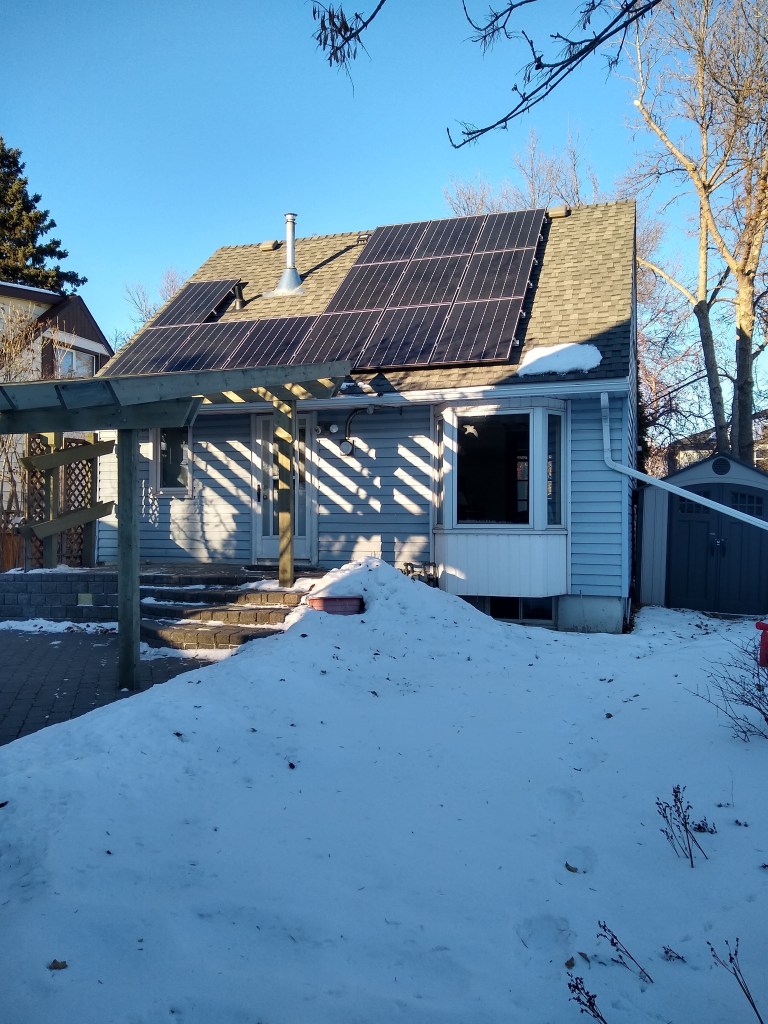
Kevin: I had 2 separate projects. The first one was in 2016 with 14 x 256 W panels
Pat: Trina Solar 12x 365 W panels
2.What company did you use and how did you choose the solar panels you have?
Kevin: I used “SkyFire” because I had seen their name on a few projects. I requested quotes from 2 other companies and the prices were relatively similar. SkyFire was very responsive to my questions and in my opinion the most professional.
Pat: “Generate Energy” helped with our decision and we chose their company to install our panels.
3.What percent of your household electricity cost do your solar panels cover?
Ben at SKY FIRE: The Microgeneration regulation allows for a solar PV system to cover part or all of a property’s annual electrical usage. The utility takes the last 12 months of electrical usage as the baseline. Meeting that value is referred to as Netzero electric. SkyFire Energy will always strive to design a Netzero system which is subject to roof space limitations and budget constraints.
Kevin: Solar panels cover all of the electricity consumption while the sun is shining. I am a net exporter. The problem is that when the sun is NOT shining I have to purchase power from my provider. Also, there are several administration charges that are a part of everyone’s electricity costs (solar or no solar) which must be paid as long as you are connected to a utility company so the full cost of electricity is never covered. I do receive a credit during the approximately 8 months that I am a net exporter and those more than cover the additional fees and service charges.
As for my electricity provider, I use Alberta Cooperative Energy (ACE). https://www.acenergy.ca/ They were recommended by the installers and they have been fantastic to work with. They took care of all of the necessary applications and have special rates for microgenerators. They pay a very high rate for any electricity exported but also charge that same rate when you require electricity whenever the sun is not shining. They have an option to switch back to a standard rate once you are consuming more than you are exporting. This is usually mid-November to mid-February. More on that below. ACE also has rates on natural gas so they can manage both utilities.
Pat: A good portion of our electricity costs are covered from solar panels from March to October. Winter months and cloudy days affect the sunlight we get from them.
4.Are you able to bank any energy you do not need to use later or is surplus kept by the energy company?
Ben at SKY FIRE: A grid-tied delivers energy to the home directly from the solar modules if/when solar energy is available (ie, self-consumption). The inverter will switch back to grid power (ie, import electricity) in case there is insufficient solar energy being produced. As a micro-generator, you will automatically receive a micro-generation credit on your monthly bill for excess energy supplied to the grid. The accumulation of these credits will be used against that month’s bill.
Kevin: I do not have a storage system. I looked into a Tesla PowerWall but the cost was significant not only for the battery system but also for the automated switching and partition system to be able to use the stored power. A power storage system would be invaluable of course in an off-the-grid situation.
Pat: We do not have a unit/bank to store the extra energy we make. They are still quite costly to purchase. Surplus energy goes to ACE and we in turn get extra money off our monthly utility bills.
5.Are solar panels getting more affordable?
Ben at SKY FIRE: Yes they are. We have seen about a 40% reduction in module price in the last six years. There has been a recent increase in module price though due to shipping costs and inflation. The cheapest time to get solar is today.
Kevin: In my case they were less expensive in 2020 than 2016 and I was able to take advantage of a $1700 City of Edmonton Grant.
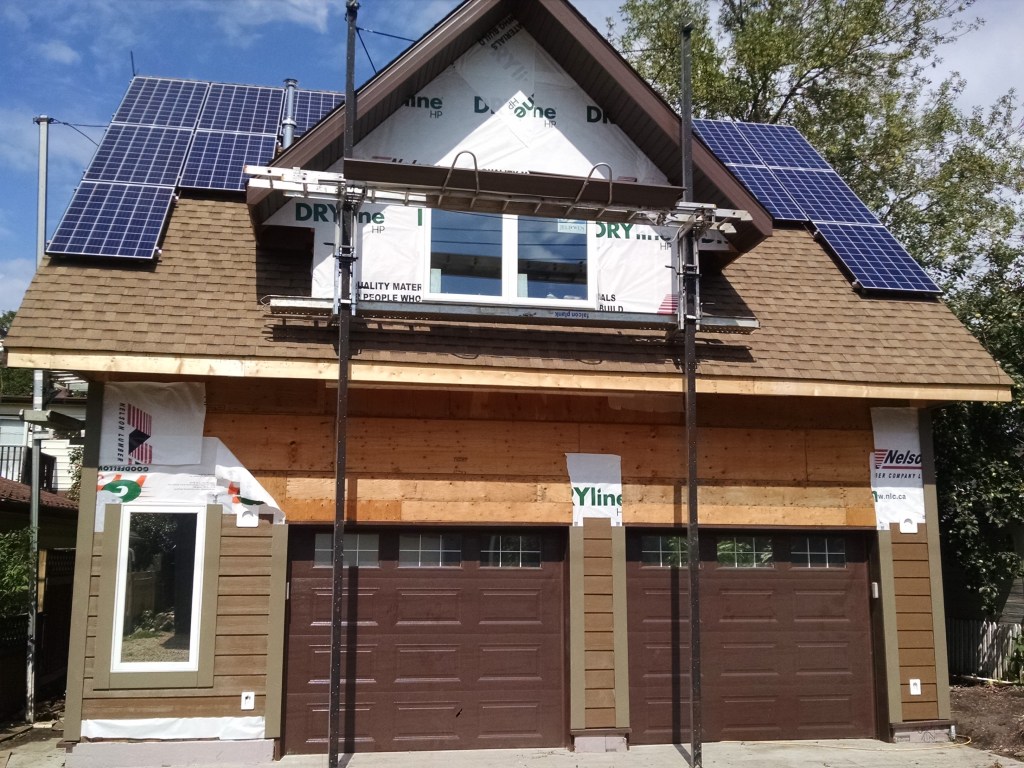
2016 -3.71 KW installation at a cost of $15,000. The estimated output is 4500 kWh/year.
2020 – 4.36 KW installation at a cost of $11,500.00 (price included the $1700. grant). The estimated output is 4250 kWh/year.
The difference in the estimated outputs on the 2 systems is based on the modelling done by SkyFire to determine shading effects from trees or in my case, a dormer on the roof.
Pat: When we bought our solar panels in 2019, the Alberta Government at the time helped with their rebate program. We live in Sherwood Park and although Edmonton have a rebate program, Sherwood Park does not.
6. How many years will it take for your solar panels to pay for themselves?
Ben at SKY FIRE: The system payback is not a straightforward calculation as there are a number of factors beyond our control that affect that value. Currently, system paybacks range around 7 years but with multiple rebate programs available, that number can be closer to 5 years. Generally speaking, the lower the energy rate, the higher the payback. Similarly, the higher the energy rate, the lower the payback. SkyFire Energy takes a more conservative approach and will only provide a 1st year return given the number of unknowns.
Kevin: The calculated annual rate of return when I purchased them was 1.8%. I guess that was better than a GIC at the low interest rates we have seen but I did not purchase them to achieve a return on investment. I wanted to reduce my energy consumption and return energy to the grid. With the large rise we have seen in energy prices I am getting a better return now and I am still achieving my main goal to put my roof to work.
Pat: I believe it will be 8-10 years before our panels will be paid off.
7. Do you need a new roof before installing panels?
Ben at SKY FIRE: If the roof shingles have less than 5 years of life remaining, SkyFire Energy advises customers to re-shingle their roof prior to getting a solar PV array installed. This will save homeowners thousands of dollars down the road.
Kevin: I had a new roof for both projects but only because one project was new construction and in the case of the other one it needed a new roof.
Pat: They can be installed on the roof. No need to re-shingle. We asked about re-shingling our roof, as we had our roof done in 2013. We were told Generate will come in, lift the panels so the Roofers can re-shingle, then Generate will hook the panels up again.
8.Are there solar panels that act as roofing and panels all in one?
Kevin: There are a few options out there but when I looked into it in 2015 only Dow had them available and only in their test market in the NE states. There are several articles on the web for more information.
9.What information can you get about your solar energy creation?
Ben at SKY FIRE: Every system SkyFire Energy installs comes with free access to a monitoring portal. The portal will show the energy production over the liftetime of the system. There are consumption meters available that will monitor the self-consumption portion of the solar energy produced. System payback can be calculated using the self-consumption and microgeneration credit data.
Kevin: My installer set me up with a monitoring app from Energy Monitoring and Analysis Systems which works very well in tracking both installations with real time production as well as daily, monthly and yearly production data. https://apsystemsema.com/ema/index.action
I also recently purchased the Eagle-200 system from Rainforest Automation and applied to Epcor to have it wirelessly connect with my meter to monitor both production and consumption. Both this and the above app are important to be able to monitor the time period when you need to switch from a microgenerator rate to a lower rate for the middle of winter.
10. How well do panels work in winter in Edmonton?
Ben at SKY FIRE: Module efficiency is a function of ambient temperature so the solar modules will produce slightly more in the winter/spring. That being said, given our geographic location, systems will underperform in the winter months due to the low sun angle (and sunpeak hours). The vast majority of the energy harvest occurs between March and October.
Kevin: Short days are our biggest disadvantage but the summers make up for it. As long as it is sunny, and they are not snow covered, then we are producing electricity. I generally am not a net exporter for part of November and February and all of December and January. Snow will slide off the panels or quickly melt even on the coldest of days as long as the sun is shining. It is also important to consider the possibility of snow sliding when designing the system or attempting to park under the panels.
Pat: Sunny days are best for solar production. In winter and after a heavy snow fall, we will get on the roof to remove the snow.
11. How do you choose the solar panels you use at Sky Fire? Ben at SKY FIRE: When procuring modules, SkyFire accounts for performance, reliability, cost, and warranty. SkyFire Energy is a certified installer and all system components must meet the Canadian Standards Association (CSA) requirements for electrical safety or an equivalent certification that meets applicable Canadian standards.
Pros and Cons of Solar Panels on your Home
Video: Solar Power System for Home: Ultimate Beginners Guide
We found this good YouTube video simplifying how solar panels are built, how they work, how many an average home needs, and what determines the prices of solar panels in Canada. It was very enjoyable to watch so here is the link:
We hope you have learned more about solar panels. We have.
At Friends4Trees4Life, we aim for a positive outlook and positive action on the climate crisis, in whatever ways are most meaningful and impactful, as determined by each individual.
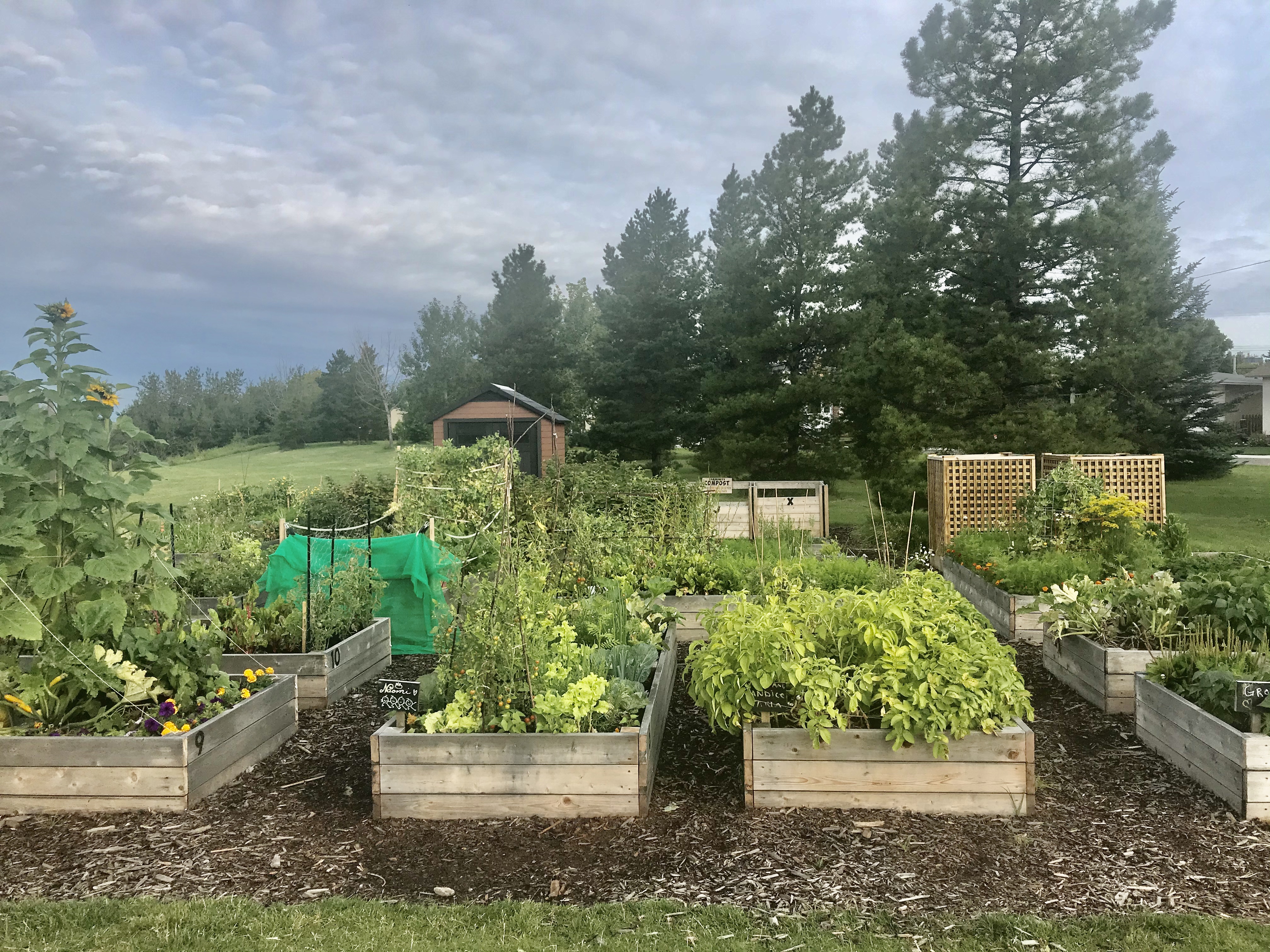
Admittedly, some days are harder than others to keep a positive mindset as we enter day 883 and grow impatient to put this (seemingly neverending) COVID-19 pandemic behind us. That said, vegetable gardening season is back to our shared delight as newbie pandemic gardeners. Gardening is one of the few new positive experiences that we credit directly to the pandemic – were it not for the lockdowns prompting a search and openness to exploring new, safe activities to pursue – we both might have continued to miss out on the simple pleasures and joys of growing our own food that we now eagerly look forward to experiencing each year. So, here we are about to embark on the adventures of Veg Gardening Season 3!
We highlight a few tips from what we have learned in Seasons 1 and 2, through the generosity of more seasoned gardeners as well as our own trial and error, in hopes they might spark the joy of harvesting with some of our Readers who have yet to put trowel to earth.
The rewards of early harvests are highly satisfying and motivating we have found. This statement on seed packets is true and wondrous – “Plant as soon as the ground is workable.” And, on the advice of Audrey, Catherine has now developed a taste for “quick win” radishes, keenly awaiting her first early harvest within the next few weeks!! This season, Audrey has also passed along these recipes for the “radiant radish”—helpful for a bumper crop – including one for zero waste radish leaf pesto – enjoy 😊!
Tomatoes from seedRaised Veg Pod with LidYukon Gold Potatoes
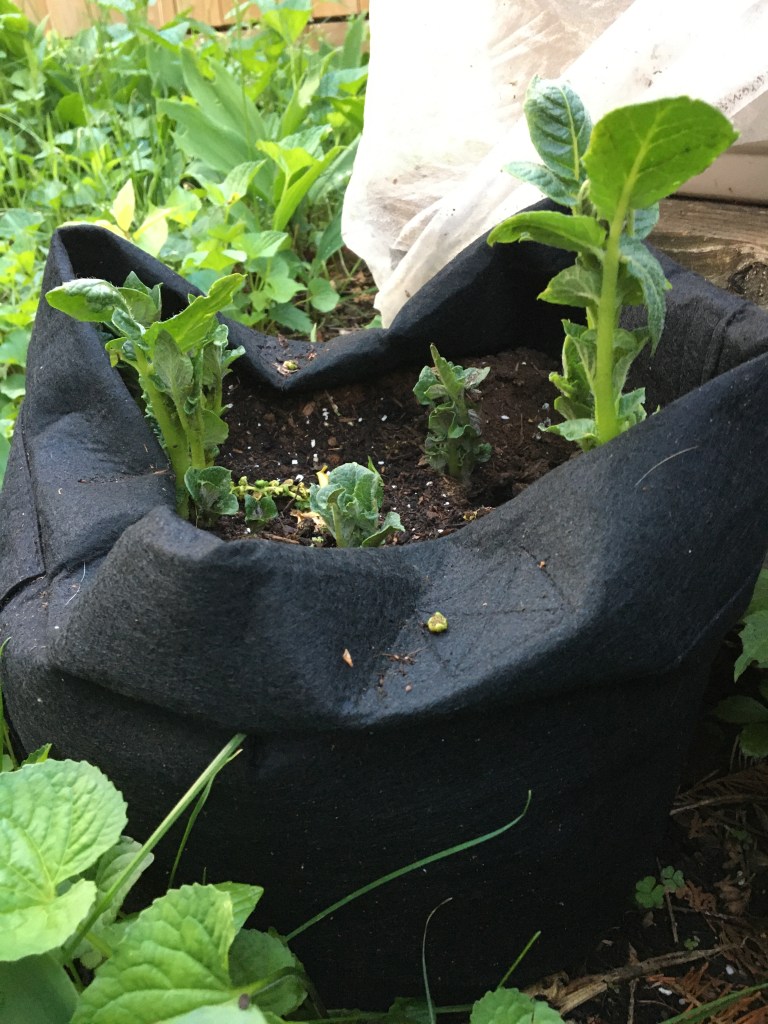
In Toronto, Catherine began direct seed planting on May 19th. Within just one week she is joyfully witnessing new life emerge as her “crops” of radishes, beets, mixed lettuces, spinach and leeks begin to sprout up. Container pot pole beans and Yukon gold potatoes (a first) are also showing signs of life. Most satisfying and energizing as seen in the 3 photos above! So fun to start each day with “daily inspection” to see what else has emerged.
If your balcony, deck or yard space and budget permit, Catherine cannot say enough about her positive growing experience and the pleasures of planting seeds in a Veg Pod (or equivalent). The extra protection and warmth afforded to your seedlings translates into about a one-month head start on growing season in her experience. Gardening while standing up is a simple yet powerfully motivating pleasure in itself, especially if you have any back or joint issues to contend with. (To learn more about Veg Pod raised garden beds (not an endorsement) – https://vegepod.ca/collections/raised-garden-beds).
In Veg Gardening Season 3, Catherine is very proud to have germinated tomato plants from seeds for the second year. The new adventure this season, is that she found some cherry tomato and grape tomato seeds in a drawer, dating back to a wonderful 2013 trip to Paris! They evoked memories of tasting the most delicious tomatoes EVER at a local Paris farmers’ market. So, she was inspired to see if these 9-year old seeds might germinate. Miraculously they did!! This is where veg gardening can get a bit zen. How is it that tomato seeds (or any plant seed for that matter) store the ‘instructions’ for being a tomato plant, are able to lie dormant for nine years, and then “know to activate” and begin to grow when encountering the right conditions to promote life? Ah the humbling, inspiring mysteries of life.
Early seedlings – radishes, beets, lettuce, leeks. Photo by Catherine
Having successfully germinated her tomato plants from seed, step one, Catherine has applied what she learned from Season 2, putting her pots outside to acclimatize and “harden up” for a few days and nights, before planting them into their container pots and a few directly in the garden bed. Two lucky tomato plants are “allowed” into the coveted sunny east-facing front garden – interlopers in an otherwise shrub, cascading Japanese maple, rock and flower pollinator garden.
This coming week she will turn thoughts to planting in the two raised beds in the back garden. Season 3 sees a doubling of growing possibilities, as the veg garden enterprise expands from one to now two raised beds. This will also be the first season that she puts into practice what she learned and started last year about crop rotation.
The idea is to divide your garden space into four planting beds (or sections), grouping like vegetables, based on their use of nutrients, in one bed. Intentionally, planting in a way that promotes soil health, and thus, hopefully, healthy plant growth and crop yields. Each year, each group moves to the next space. Every four years, the groups are back in their original spots.
The basic outline and plant grouping that Catherine is following is*:
Bed #1 (Leaf): uses nitrogen – lettuces and herbs
Bed #2 (Fruit): uses phosphorous – tomatoes, butternut squash
Bed #3 (Root): uses potassium – carrots, beets and leeks
Bed #4 (Legume): uses nitrogen – peas, potatoes and beans.
*Following the plant groupings identified on page 114 in “Tauton’s Complete Guide to Growing Vegetables and Herbs: Publishers of Fine Gardens and Kitchen Gardener: edited by Ruth Lively (2011: Newton, CT).
Red Flowers for Year of the Garden 2022
In our last blog we profiled 2022 as the Year of the Garden, with the colour red as the official colour. We promised to offer some ideas for red flowers and plants. Thanks to helpful tips found in the Leaside Garden Society June Newsletter, we offer these suggestions for planting RED:
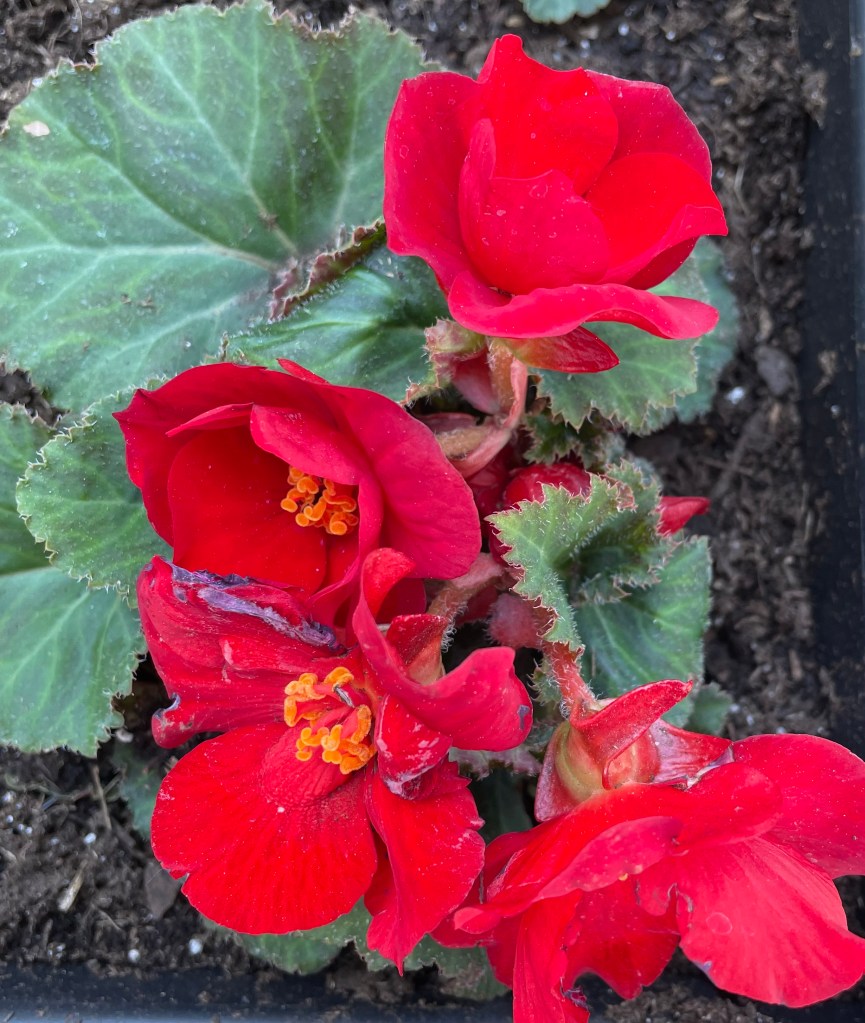
Red Hanging Begonia
Fat Domino Mountain Fleece
Hollyhock – Brilliant Miniature
Fire King Crocosmia
Red Calla Lillies
Cherry Brandy Rudbeckia
Red Dahlia
Also, of note for Readers in the Toronto vicinity looking for an outdoor gardening experience, the annual Leaside Garden Society’s Garden Tour 2022 returns happily as an in-person event on June 18th (10:30 to 4:30 p.m., various locations), featuring eleven beautiful home gardens in the neighbourhood. If interested, see this article in the Leaside Life for more information on how to buy tickets – https://bit.ly/3GDTnxp.
Tree Trips
We welcome the return of gardening season, and soon, summer holiday season. The great Canadian outdoors beckons! For travellers to, and within Ontario, consider outdoor holiday plans that include hiking on the Bruce Trail.
Bruce Trail Conservancy
The Conservancy and Trail began as an idea in 1960 and became a reality in 1967, with the official opening of the Bruce Trail’s northern most terminus at Tobermory.
“The Bruce Trail is Canada’s oldest and longest marked footpath. Stretching 900 km from Niagara to Tobermory in southern Ontario, it provides the only continuous public access to the magnificent Niagara Escarpment, a UNESCO World Biosphere.”
The Conservancy’s Mission and Vision resonate with Lucia and Catherine and our Friends4Trees4Life blog.
Mission: “Preserving a ribbon of wilderness, for everyone, forever.”
Vision: “The Bruce Trail secured within a permanently protected natural corridor along the Niagara Escarpment.”
The Bruce Trail Conservancy “is both a trail association and one of Ontario’s largest land trusts, committed to caring for the Bruce Trail and to preserving land along its route. Each of the nine Bruce Trail Clubs manages a section of the Bruce Trail and is responsible for maintaining, stewarding and promoting that section.” Nine Bruce Trail Clubs – https://bit.ly/3t61OvK
Visit their website for more information about hiking trails with fun names such as “Loops and Lattes” in the Hamilton area, to learn about just “Who is Bruce?” and perhaps to consider becoming a member and/or volunteer with this worthy charitable organization. (https://brucetrail.org/)
Ontario’s Old Growth Forests
There are opportunities along the Trail and at its northern terminus, Tobermory, to see some of Ontario’s and Canada’s oldest living trees – some along the Tobermory shoreline are over 1300 years old.
Here is a Bruce Trail fact sheet on Old Growth Forests and the Bruce Trail Heritage Tree – the tenacious, cliff-dwelling ancient White Cedar – for more information (https://bit.ly/3m7TS9i)
For more information on Ontario’s old growth forests, including the fact that apparently most Ontarians live (unknowingly) within an hour’s drive to an old growth forest, here is the link to a Good Reads review on a recent book by forest ecologist Michael Henry and Peter Quinby – (GoodReads – https://bit.ly/3GDFy1W)
“Tripping the Bruce”
Finally, for your learning, viewing and relaxing pleasure, here is a link to TVO’s Immersive video documentary, “Tripping the Bruce,” with a sail along the north shore of the Bruce Peninsula that includes sightings of some ancient cliff-dwelling white cedars among its stunning imagery and coastal scenery.
Here is a one-minute videoclip preview of the three-hour sailing trip documentary – https://bit.ly/3t8Y10G
“The stunning new documentary invites viewers onboard a sailboat for a 34-kilometre voyage along clear turquoise waters, framed by soaring limestone cliffs. Along the way, viewers will encounter some of the oldest cedar trees in Canada, white pebble beaches, the famous Grotto, the picturesque harbour town of Tobermory and some of the best-preserved shipwrecks in the world. It’s an adventure for the eyes and the spirit.”
“ ‘TRIPPING the Bruce offers an eye-popping journey filled with captivating stories of Ontario’s history,’ says John Ferri, VP of Programming and Content at TVO. ‘For anyone who is hungry for travel during this unpredictable time, this documentary inspires the thrill of exploring incredible landscapes of the Bruce Peninsula.’ ”
“…I never knew this area of Ontario was quite so beautiful and historic. It was like being in the Caribbean but with Canadian cedar trees and huge limestone cliffs,” says Mitch Azaria, Executive Producer at Good Earth Productions. “To be able to take viewers underwater to explore shipwrecks in the same smooth fashion we travel on the water was challenging and so rewarding. These wrecks are breathtaking, the water is so clear, and the wrecks are so complete. It’s very haunting to visit these nearly 200-year-old relics.”
Stream TVO Original Tripping the Bruce anytime via TVO.org, YouTube and TVO streaming services.
Today we are featuring guest blogger Emily Hayes, a BA student in the U of Alberta Environmental Studies program. We have been interested in profiling the voice of youth in our blog, and hear about educational opportunities and job prospects for those who want to focus on the health of our planet. Thank you so much Emily for taking time to answer our questions so meaningfully and for sharing with us your insights.
What is the name and location of the environmental program you are in?
“I am currently in the BA in Environmental studies program at the University of Alberta. I am taking a concentration in Politics, Society and Global Environment. The other two available concentrations are Food and Society and then Environment and Peoples of Canada. However, the program will be undergoing some upgrades and a redesign so these titles may change in the future!”
How long is the program and what are the main courses you are taking?
“The program is theoretically four years however the flexibility of the program really allows you to make it your own. I am planning on drawing out my degree to 5 or 6 years in hopes of increasing my time for volunteering, extra curriculars and additional learning opportunities. Regarding the flexibility within the program itself, on top of getting to choose my concentration, I get 11 free electives over the course of my program to elaborate on things I’ve learned so far, try new subjects and indulge in my interests separate from my degree program. The first two years of the program are very general and cover many bases from political science to biology to economics to native studies. In the later years of my degree, I focus on completing the requirements for my concentration in Politics, Society and Global Environment which consists largely of agriculture economics, sociology and rural sociology, and political science, all with an environmental lens. To wrap everything up, I take a capstone research course that nicely summarizes what I’ve learned throughout the degree.”
What got you interested in this line of study/work?
“I would say that my parents really emphasized environmental issues throughout my youth, particularly by teaching me how to recycle and compost, reducing our plastic consumption and by building and maintaining a solar powered cabin. This led me to get involved in environmental strikes and clubs throughout high school. From this, I learned just how intertwined the climate justice movement is with social justice issues, another great interest of mine. Gaining an understanding of environmental and social issues through activism highlighted the importance of viewing the climate crisis as a social issue. It’s from there that I began looking for programs that would allow me to learn about social theory and act on environmental and social injustices!”
Are there other similar programs across the country?
“Although I didn’t look into many, there are quite a few environmental studies programs across the country. I’m not too familiar with the differences and similarities to my own program but some other universities that offer a BA in Environmental Studies include the University of Victoria, Wilfred Laurier University, the University of Waterloo, Carleton University, the University of Ottawa and the University of PEI.”
Do you feel your program is teaching you useful skills, and do they help with graduates finding employment?
“The flexibility and versatility of my program allows for so many different outcomes, making it hard to pinpoint where each student will end up after graduation. Most graduates of Environmental Studies don’t know what career they will be doing and therefore can’t be provided with a specific bank of knowledge that they are guaranteed to use in their future career. However, I’m finding that instead, I’m being provided with an open-ended skill set that teaches me to think critically about environmental and sociological issues which can be useful in a wide variety of careers! I am gaining a strong base in social and environmental theory to which I can apply to new scenarios as they come up and change throughout my personal and professional life. I have not been made aware of any programs or initiatives from the university specific to my degree or faculty that would help graduates find employment after graduation, but the University of Alberta does offer many opportunities during your degree that can help you get ahead. This includes local and international internships, volunteer opportunities and going abroad which can boost resumes and help in narrowing down the direction that graduates want to go once they’ve completed their degree.”
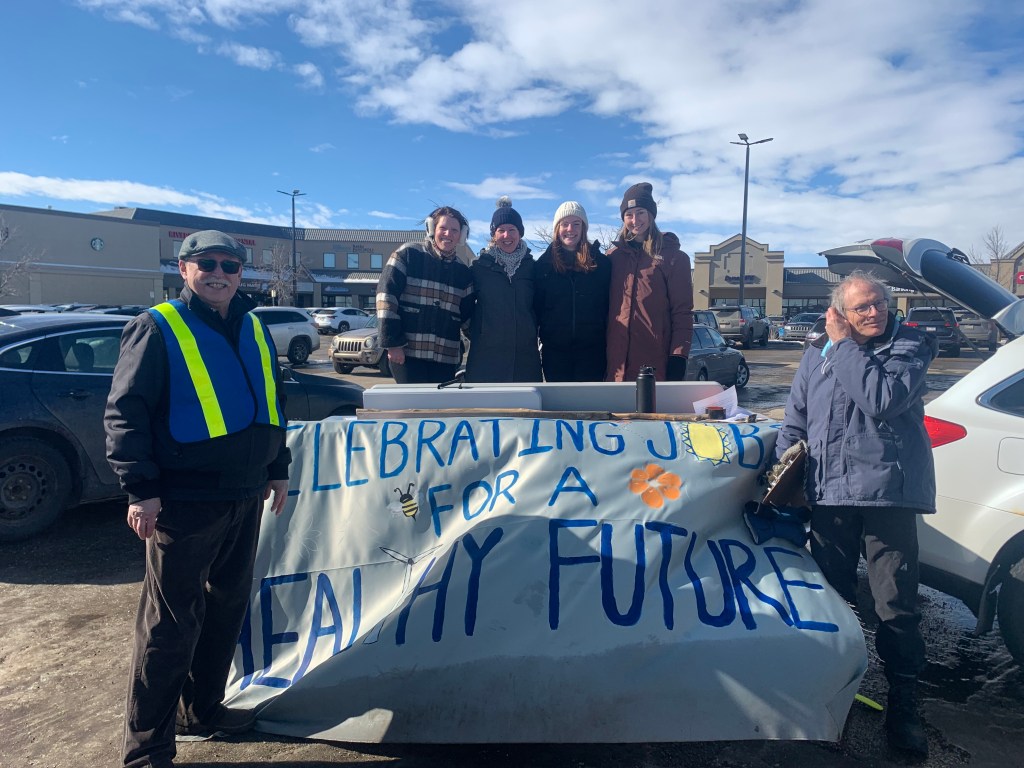
350.org March Day of Action for a Just Transition
What is your passion and what are you hoping to do when you graduate?
“This is a difficult question! My dream would be to be involved in some sort of environmental and social justice activism. I would also be interested in environmental education as I love to teach what I’m passionate about, especially because it is an extremely important subject for everyone to know and understand! I feel that education and open discussions are crucial in unifying people of all political and social backgrounds to achieving the common goal of a sustainable future and I would love to focus my skills on that!”
Describe some (as many as possible) of the career paths available to someone coming out of your program? Is there a lot of competition for work in this field?
“With sustainability becoming more important than ever, I think we’re approaching a time where the expanse of the environmental field is truly just beginning. It’s not hard to believe that there could be room for everybody to contribute to a sustainable society, whether that be through a career or volunteering. As the environmental field grows, there will be even more jobs created that are suited to the graduates of my program and other environmental fields. That being said, here are a few career paths that my university recommends:
Community Relations
Sustainability Coordinator
Environmental Education Specialist
Policy Analyst
Environmental/Aboriginal Relations Advisor
Writer
Communications Officer”
What is your view of the liberal government management of its commitments to the Paris Accord? What can they do better?
“Honestly, I really don’t think that what they’ve done is enough or will be enough to meet the goals of the accord. The discrepancy we’re seeing in Canada between agreeing to certain targets and actually following through with a plan to achieve them is huge and quite concerning. Our government needs to be focusing on investing in a green energy sector while phasing out current projects that increase our emissions, such as oil and gas. As this won’t happen overnight, this involves retraining and transitioning fossil fuel workers to new and sustainable sectors. Furthermore, big corporations are primarily responsible for the majority of our emissions and need to be held truly accountable in terms of meeting emission reduction goals and transitioning their industries to greener ways of running. As we’re approaching the 2030s, our government’s transition plan needs to be big, and it needs to be bold, but it also needs to support all Canadians.”
Do you feel hopeful about the future health of our planet?
“Overall, we are behind where we need to be to combat the climate emergency. However, it’s important to realize that there is no specific point of no return after which we will be completely doomed although, the longer we wait to act, the worse the effects will be in the long run. This is why it is so important that we get everyone involved and continue to pressure our governments to act as fast as possible. There is no deadline, but this is still an emergency that threatens the existence of life on our planet!”
In your view, how can we instil more passion in fellow citizens to reduce carbon emissions?
“Although individual actions like taking shorter showers and using shampoo bars are important and can prepare us for the change to come, the emphasis needs to be on corporate and societal change. And this requires a lot of push from individuals banding together. The next 5, 10, even 20 years will be extremely challenging, and we don’t have all the answers to our problems yet which creates a lot of hesitancy towards this change. In Alberta in particular, the biggest challenge is finding a way of showing people that environmental justice is a movement for them and not against them. Through my degree and personal research, I can see how much hope, empowerment, and equality there is in a transition to a sustainable future and it’s important that others see that as well! What are some socially and environmentally positive changes you can think of that would personally benefit you and your friends and family?”
Local Edmonton environmental organizations to follow and get involved in:
@climatejusticeEdmonton (also other cities such as @climatejusticeToronto)























































































 FRIENDS4TREES4LIFE