Recently we were happy to receive an email from One Tree Planted as they stated their commitment to this commendable cause, the One Trillion Tree Initiative, a cause encouraging the planting of trees, a cause that spurred on this Blog of ours. Here is a summary of this article:
How The 1 Trillion Trees Initiative Can Have a Real Impact on Climate
“Trees are finally getting the international attention they deserve thanks to their potential as a natural climate solution for absorbing carbon, restoring vital ecosystems, and helping humanity adapt to a rapidly changing climate. Reforestation campaigns have been on the rise over the past few years, with everything from cities and countries aiming to break world tree planting records to popular influencers and businesses that want to give back to nature.”
” The latest major development came at the January 2020 session of the World Economic Forum, where the One Trillion Trees Initiative was announced as a means to rapidly increase global reforestation efforts. And we expect this enthusiasm for trees will only grow over the next 10 years because the United Nations has declared 2021-2030 the Decade on Ecosystem Restoration. Thanks to this declaration, corporations and governments have made commitments to plant, restore, and preserve millions of acres of land around the world.”
“Science has played a part in this global awareness, with hundreds of studies contributing to the global conversation around Climate Change and reforestation. A January 2020 study by James Mulligan et. al of the World Resources Institute touted planting trees as one of the best ways to suck carbon dioxide from the atmosphere.”
“While it is clear that on its own planting trees won’t save us from Climate Change, it can help tip the scales in our favor as we address other important factors. The Intergovernmental Panel on Climate Change has made it clear that we need to reach carbon neutrality by 2050 by phasing out fossil fuels. After 2050, we need to maintain carbon negativity at least until 2100 to stabilize rising temperatures at 1.5 C. Reforestation, with its enormous potential for global carbon capture, will play an essential role in this effort.”
Source: Balancing the environmental benefits of reforestation in agricultural regions, S.C. Cunningham et. al
Quality Matters to Get the Trees Planted Right
“One Tree Planted wholeheartedly believes that by working together, the global community can accomplish the audacious goal of planting one trillion trees. And here’s how it can be done to ensure that this results in a lasting, positive impact.”
Increasing Scale and Capacity
Source: World Resources Institute
“Scaling up reforestation may seem simple, but it can be anything but. To scale up requires thoughtful consideration of the capacity, impacts, land uses, and existing infrastructure in the intended area. How long will it take to grow a sizable supply of native seeds? Are there enough nurseries to support thousands of seedlings, or do more need to be built? Will tree-planting organizations be able to recruit and train enough local volunteers to start, plant, and nurture sensitive saplings? Can the local ecology withstand concentrated activity, or will it prove detrimental to sensitive species? Will the project comply with regulations set by local and regional governments? Will it put pressure on existing agricultural operations, potentially leading to increased deforestation and other unintended consequences? Is it designed well, having addressed all of these factors—and any others unique to the region? “
“And finally, does it follow these core Principles for Success?
1. Restoration should enhance and diversify local livelihoods, not threaten them.
2. Afforestation should not replace native ecosystems.
3. Reforestation should promote landscape integrity and biodiversity, not establish monocultures.
4. Projections of Carbon Capture should account for the loss of current vegetation.”
Photo by MaryAnn
Working With Local Communities
“Over the years, we have found that an inclusive approach works best. By collaborating with and involving local stakeholders, we ensure that they play an active role in guiding and implementing projects. In doing this, we are able to mitigate common barriers to success. After all, when the last tree is planted and attention has shifted to other projects, it is the local communities that will decide the fate of millions of trees. Knowing this, we develop strong partnerships everywhere we go. “
Investing in Maintenance and Conservation
Source: Balancing the environmental benefits of reforestation in agricultural regions, S.C. Cunningham et. al
“As important as it is to get trees into the ground, it can be argued that maintaining each plot after planting is even more important. Unfortunately, this crucial part of the process can be forgotten in the rush to hit lofty planting goals. Proper maintenance of sensitive seedlings, especially during the first year, requires dedicated people and solid infrastructure. Close monitoring is necessary to determine regional effects and to adapt to changing conditions. Working with local organizations and stakeholders will ensure that viable, cost-effective inititative.”
Here is another email received this month by The Root for Trees program in Edmonton that emphasizes we should “plant native species in areas that are being naturalized, even though other places around the world plant introduced trees because they have desirable benefits—usually faster growing and often as something that will be harvested. A notable benefit of trees is their ability to capture carbon and reduce global warming.
But a recent study in New Zealand found that although introduced species quickly sequester carbon as they grow, upon death non-native plants can actually cause more damage than intended. As they did not evolve in the local environment, non-native plants decompose more readily and release more carbon into the atmosphere than native varieties.
By planting native plants on your property, you can help cool the planet and make Edmonton a healthy city!”
Right Tree in the Right Place
“Gardeners will tell you that a climate map is a useful tool. It uses temperature, day-length, average frost free days per year, and several other variables to assign zones, indicating where particular plants should survive. For most of the 1900s, Alberta was primarily a Zone 2 edging towards a Zone 3.
Edmonton is currently rated as a Zone 3B. Meaning, plants that previously would not have survived here can now potentially grow!
At the Old Man Creek Nursery, the City of Edmonton’s urban forestry team is testing plants found from other parts of the continent to see if they will live here. Some examples include:”
“Ironwood (Ostrya virginiana) can be found from Nova Scotia to Manitoba. It is a small deciduous understory tree growing to 18 m tall and 20–50 cm trunk diameter. The leaves turn a bright gold in the fall, and the fruit looks like a hop.”
“Crimson Spire Oak, a trademarked tree with a narrow form and deep red fall colour, this hybrid is extremely tough. It is faster growing than other oaks with dark green foliage throughout the season. It will grow up to 15 m tall and spread about 5 m wide. Upward pointing branches and adaptability are inherited from the English Oak (Quercus robur) parent, while mildew-resistant foliage and red fall colour are inherited from the White Oak (Quercus alba) parent.”
“Fairview Maple (Acer rubrum). Not the leaf of our flag but very similar, this true maple has scarlet red fall leaves. It is characterized by a rounded canopy as it matures – a wonderful source of shade. This moisture-loving tree will get to about 10 m tall and wide.”
Helping Pollinators Thrive and Reconnecting with Nature
Photo credit Jim
We are delighted to welcome our friend (and Catherine’s patient guitar teacher) as today’s guest blogger, sharing insights into his experiences and motivation to become a beekeeper, and in doing so becoming an important positive change agent for biodiversity and a sustainable Planet Earth for all. Thank you, and welcome Brian!
Getting Inspired
“A few years ago my interest in keeping bees was sparked while I was working in a cafe in Toronto. A local beekeeper kept hives on the roof of the old two storey factory building turned cafe that sat next to the Don River in the city’s east end. By that point in my life I had already developed a taste and appreciation for local honey, as I would frequently pull over at roadside stands to buy a jar or two whenever I found myself driving through the greenbelt outside of the city.”
Learning
“When an online add for a beekeeping 101 workshop caught my attention I quickly signed up to learn more about these iconic insects. A one day workshop held annually by the Toronto Beekeepers Collective (http://torontobeekeeping.ca/) in the middle of winter offered an overview of a year in the life of a bee colony and how to care for that colony as a beekeeper. My desire to get more involved led to me joining their collective and excitedly setting off on my first season of hands-on experience keeping bees.”
Harvested Honey with Honeycomb Photo credit Brian
“The collective operates on a volunteer basis. It is run by two knowledgeable and experienced beekeepers. Members of the collective would join them on hive checks at the four beeyards around Toronto, help at educational events at the Ontario Science Centre and the Royal Winter Fair, and help plant pollinator gardens (St. John’s wart, northern wild raisin, low bush blueberry, elderberry, grey dogwood, and black chokeberry were among some of the pollinator friendly plants we planted in community gardens). We also helped build equipment, and my favourite part, helped with harvesting the golden yellow honey of the summer, and the darker honey in the fall. The darkness or lightness of any given honey all depends on the flowers and plants the bees have been collecting nectar and pollen from and what time of year they are in bloom.”
“The learning curve was steep that first year and I continue to learn and be fascinated by the lives and roles honeybees and native bees play in our ecosystem. Since that first year with the Toronto Beekeepers Collective I have branched out from the urban setting of Toronto to the more rural setting of Nova Scotia where I have set up hives of my own. Provinces in Canada have their own governing bodies when it comes to apiculture. The Ontario Beekeepers Association website is a great resource for anyone looking to learn more or find help with starting hives of their own (ontariobee.com). “
Frame of Capped Brood. Photo credit Brian
Queen Bee and the Hive
The life of the hive centers around the Queen bee, who will go out on one mating flight in her lifetime and then proceed to lay over a thousand eggs per day. The majority of these new bees will be female worker bees who forage and collect nectar and pollen, as well as keep things within the hive orderly and running smoothly. The male drone bees are larger, don’t sting and only serve the purpose of mating with the virgin queen on her mating flight. In the fall the drones are unceremoniously kicked out of the hive and a number of heartier winter bees will hatch before they hunker down for the colder months. Bees don’t fully hibernate during the winter. Instead, they cluster together around the queen, live off of honey and pollen stores, and generate enough body heat to keep the colony warm. When a queen starts to get near the end of her productive life or if a colony starts to get too crowded, worker bees will start to raise a new queen as covertly as possible to succeed the current one. When the new queen hatches there can be a fight to the death or one of the queens will leave and half the hive will swarm with her in search of a new place to start a new colony. This is how a colony naturally replicates itself and continues the important work of pollination to the diversity of plants in our ecosystem.
Photo credit Jim
Why Bees Matter
One third of our food supply depends on the role bees play as pollinators and most larger beekeeping operations make more money providing pollination services to food producers by driving truckloads of bees from crop to crop over many kilometers during the growing season. One of the biggest existential threats that bees, other pollinators, insects, and some bird species face are the use of neonicotinoid pesticides. These pesticides are engineered directly into the seeds of certain crops, neurologically weakens bees, and eventually leads to colony collapse. This underlies the importance of supporting less industrialized and more natural systems, and local food economies like farmer’s markets and seasonal diets. Nature continues to be a gift and the cleanest and most sustainable system for us and all the creatures and plants we share the planet with to nourish ourselves and lead healthy, purposeful lives. The Omnivore’s Dilemma (Michael Pollan) and A Buzz in the Meadow (Dave Goulson) are two books I’ve enjoyed that elaborate on the importance of biodiversity and nature’s incredible system of sustainability.
Photo credit Lucy
Taking Care of the Bees and Ourselves
There is nothing quite as satisfying as opening up a healthy and thriving colony of bees. Hearing the buzz of thousands of bees working away, the smell of wax, honey, and nectar and pollen from local flowers and plants. It serves as a reminder that we are deeply connected to this ecosystem of tiny creatures, towering trees, and beautiful plants all around us. That we have a responsibility to care for and to ensure the survival and well being of these life forms, because it is also an act of caring towards ourselves and our own well being. In short, if the bees do well, we all do well!
Why Bees Matter – Part Two
We were inspired by Brian’s guest blog to learn more about bee-biodiversity-food-tree connections.
Thehoneybeeconservancy.org website offers these sharp numbers on the “percent of crops we’d lose without bees,” to show just what’s at stake: https://bit.ly/2QiTG7g
The UN’s Food and Agriculture Organization (FAO), explains about bees as ‘tiny miracle workers’ and the vital importance of pollinators to life on our planet.
“Safeguarding bees safeguards biodiversity: the vast majority of pollinators are wild, including over 20 000 species of bees.”
“Pollination is vital to life on our planet. Bees and other pollinators have thrived for millions of years, ensuring food security and nutrition, and maintaining biodiversity and vibrant ecosystems for plants, humans and the bees themselves. Pollinators are essential to the production of many of the micronutrient rich fruits, vegetables, nuts, seeds and oils we eat. In fact, close to 75 percent of the world’s crops producing fruits and seeds for human consumption depend, at least in part, on pollinators for sustained production, yield and quality. The diversity of food available is largely owed to animal pollinators. But alarmingly, in a number of regions, pollination services are showing declining trends.”
Photo by Lucy
Threats to Our Pollinators
“Bees and other pollinators are under threat. Present species extinction rates are 100 to 1 000 times higher than normal due to human impacts. Insects will likely make up the bulk of future biodiversity loss with 40 percent of invertebrate pollinator species – particularly bees and butterflies – facing extinction. Though to a lesser degree, vertebrate pollinators (16.5 percent) are also threatened with extinction globally. Changes in land use and landscape structure, intensive agricultural practices, monocultures and use of pesticides have led to large-scale losses, fragmentation and degradation of their habitats. Pests and diseases resulting from reduced resistance of bee colonies and from globalization, which facilitates the transmission of pests and diseases over long distances, pose a special threat. Furthermore, climate change also has a negative impact. Higher temperatures, droughts, floods, other extreme climate events and changes of flowering time hinder pollination largely by desynchronizing the demand (flowers in bloom) with the supply of service providers (abundant and diverse populations of pollinators).”
Catherine is pleased to learn that Ontario takes bee protection and bee health seriously. There is an Ontario Bees Act, “legislation that regulates honey bees and beekeeping in Ontario. The main purpose of the act is to protect the health of honey bees, particularly from pests and diseases.
The main requirements of the Ontario Bees Act, as well as requirements for the safe production of honey under the Food Safety and Quality Act, are summarized here for beekeepers’ convenience (see figure 1).” https://bit.ly/3j5WqkK
She also is pleased to learn that her city – Toronto – is taking action for bees and biodiversity.
The Vision is: “Toronto is home to diverse pollinator communities that contribute to resilient ecosystems and enhance urban biodiversity.”
Photo credit Lucy
To achieve the vision, Toronto has adopted a Toronto Pollinator Protection Strategy and runs a Pollinate TO Community Grants Program. Aimed at “…the goal of protecting the more than 360 species of bees and more than 100 species of butterflies and other pollinators that call Toronto home, the City of Toronto has adopted a Pollinator Protection Strategy. The Strategy identifies a set of guiding principles, six priorities and 30 actions that the City and community can take to protect our diverse native pollinator community.”
“Grants of up to $5,000 are available (to create neighbourhood pollinator habitats) through the PollinateTO Community Grants program.”
Here are three of the Success Stories you will find there:
Success Story: Parkland Naturalization Program
“The City works with community groups and funding partners to restore degraded natural landscapes and establish new natural areas to create forest, wetland, and meadow habitats. More than 60,000 native trees and shrubs have been planted, as well as more than 50,000 wildflowers, herbaceous and aquatic plants.”
Photo credit Jim
Success Story: “Tickle Bees” and City Staff
“In the spring of 2015, thousands of gentle, ground-nesting native bees emerged with the warm weather in a City park. Being in close proximity to a playground, members of the public voiced their concern to the Park supervisor. City staff, having recently completed training on pollinators as part of the Horticulture Program of Excellence, identified the bees as Mining bees, nicknamed the “Tickle Bee” by school children, as they don’t sting and are very gentle.”
“Staff installed educational signage about the “Tickle Bees” and the vital role they play in pollination. The community was thrilled to host these important pollinators and often stopped to observe their activity. Educating City staff about this important pollinator led to this educational opportunity for members of this community.”
Success story: Celebrating National Pollinator Week
“In June 2016, an event was organized to celebrate National Pollinator Week and Toronto’s status as the first Bee City in Canada. A mural of a green metallic sweat bee was unveiled at Bloor Street and Howland Avenue and a proclamation declaring “Pollinator Week” in Toronto was announced. The mural was the result of a partnership between Burt’s Bees and the City’s StreetARToronto and Live Green Toronto programs. Painted by Toronto artist Nick Sweetman, the mural is about 65′ long by 35′ high and serves as a stunning reminder of the importance of pollinators in our city.” To see and learn more about Toronto’s offical bee – https://bit.ly/3hgIUKG
Bees and Trees
Photo credit Andrew
Thehoneybeeconservancy.org website suggest 10 actions to help sustain bees, including idea number four – Provide Trees for Bees —
“Did you know that bees get most of their nectar from trees? When a tree blooms, it provides hundreds — if not thousands — of blossoms to feed from. Trees are not only a great food source for bees, but also an essential habitat. Tree leaves and resin provide nesting material for bees, while natural wood cavities make excellent shelters. With deforestation and development on the rise, you can help bolster bee habitats by caring for trees and joining tree-planting parties in your area.” https://bit.ly/3aOpsm5
“Plant for Bees, Plant for Change”
In our August 13 blog, guest blogger Shanthi shared her experiencies, tips and joys in growing a dedicated cut flower garden. To those pleasures and benefits, we share another reason for flower planting and the case for planting for bees, as offered here by thehoneybeeconservancy.org:
“They say flowers that attract bees also bring good tidings for the gardener. Okay, maybe they don’t say that, but there’s something undoubtedly powerful about planting pollinator blooms. The art of gardening is not only a form of relaxation, but also of creating change. With every haven we create for bees, we make clear our stance on their importance, we designate ourselves as their allies, and we become leaders in the movement to create a world that is nourishing to the very creatures that nourish us too. Gardening is no longer a hobby – it is a grassroots movement.”
Even as Lucy and Catherine are enjoying the summer harvest from this year’s novice efforts at vegetable gardening, our thoughts are turning already with excitement to what to plant next year. We definitely will be inspired by Shanthi’s, Audrey’s and Brian’s guest blogs as we make our plans for gardening season 2021 – thank you. We have taken note of Brian’s list of pollinator-friendly plants. We are growing our awareness about the flowers bees love, informed by lists such as this one from thehoneybeeconservancy.org website:
“Even the LCBO is enamoured of bees and honey! The summer issue of Food and Wine is now available – check out page 26 to learn the answer to questions such as: “How many bees does it take to make a jar of honey?” and, “How to use honey in cocktails?”. Find the online version of this issue at https://bit.ly/2QCbZVr“
Thank you to guest blogger Audrey for sharing this Ontario perspective on community gardens, and information on community gardens in this time of COVID.
Over the last 20 years, the non-profit community garden association in Pickering has grown to 103 garden plots on Ontario Hydro land in the middle of the city. Membership is $20 annually and there is always a waiting list of people who wish to join. It usually takes a year or two before applicants on the waiting list are able to get a plot.
Early in each new year, members agree on the seeds that will be ordered in bulk for the next growing season. Upon paying the membership fee in the spring, each member receives approximately 20 packages of different vegetable seeds including beets, carrots, green and yellow beans, radishes, turnip, and lettuce. Members are not required to use these seeds but they do help reduce the cost. Members usually buy pepper and tomato plants and onions; and several gardens include perennial crops like asparagus, rhubarb, and strawberries.
Members are required to keep their garden and the pathways around their garden free of weeds. Unfortunately every year several gardeners lose their plots for this reason. No pesticides are allowed.
Dozens of members volunteer for the various jobs that are necessary to keep the garden association running smoothly. These roles include filling water barrels daily, managing compost bins, and tending the food bank plots. These jobs require significant time commitments from the volunteers.
A few of the plots are used for growing produce for the local food bank. Twice a week, a volunteer takes extra vegetables that members have grown to the food bank.
Community gardening in the time of Co-Vid
In May, the province of Ontario approved the opening of community gardens. Until then, the garden area was cordoned off with yellow tape and orange pylons, similar to park playgrounds.
Although the province had declared community gardens open, the city’s Department of Health had to approve a set of Co-Vid protocols that would ensure members’ safety.
Once the set of protocols was approved by the city, every member had to sign agreeing to them. Anyone in violation would lose access to his/her garden. Each gardener had to agree to:
attend only on even or odd calendar days that coincided with the odd or even number of his/her plot. This would reduce the number of gardeners there each day by half;
leave a tag each time they visited the garden with date and time in and out so that contact info would be available if another gardener contacted the virus;
use a newly constructed hand washing station and hand sanitizer;
bring his/her own equipment as the tool sheds remain locked; and
work alone in the plot, no guests allowed.
Community Gardening in Edmonton Alberta
Photo from the Royal Gardens Community Garden by Lucy
The city of Edmonton has 80 community gardens, and the city has put out a brochure on how to set one up. As well, this year there is a pilot project of “pop up community gardens” that are portable and watered for you. Lucy assumed that garden plots would be very difficult to access, but in fact, you often do not have to wait more than a year to get a spot as many people give them up because they did not appreciate the time and effort to tend to a plot. So if you are interested for next year, now is a good time to ask.
The Local Good Blog and Newsletter “Edmonton’s Hub For Green and Local Living” writes:
“Gardening is a rewarding hobby. Getting your hands dirty, understanding the work and patience that goes into food production, and tasting the difference in homegrown produce is both a humbling and gratifying experience. Plus, you can’t get food more local than your own backyard.
Even a Small Harvest Brings Joy-Photo Credits: Kathy, Janet, Wanda and Catherine
Shared garden spaces cultivate stronger relationships between neighbours, instill pride and ownership in communities, and inspire people to learn new, rewarding skills. They also promote biodiversity, create habitat for pollinators and support healthy, sustainable lifestyles. Not bad for a bit of dirt!
Finding the Right Space for You
In Edmonton, we are lucky to have multiple styles of shared gardens that you may join as a novice or expert. Choosing the right space for you will depend on what sort of gardening experience you’re looking for, so here are a few points to consider before exploring the options:
Size: How much do you want to grow? What is your commitment level or time budget for gardening or volunteer hours? Do you need to have your very own space, or is sharing an option?
Location: Is the space easily accessible for you to maintain a watering and maintenance schedule? Can you get to the garden on foot or bike, or will you need to use a vehicle or public transit?
Access: Does the garden supply tools, water and storage space? Can you freely access the garden on your own time or is there a schedule? What other resources may be available (books, people, etc.)?”
Shared Garden Options in Edmonton
” Community Gardens: There are over 80 community gardens in the Capital Region co-ordinated and supported by Sustainable Food Edmonton (SFE) and the City of Edmonton. Finding the site nearest you is super simple on the SFE Community Gardens Map, where you’ll also find information like membership fees and requirements, plot size, tool availability and gardening style. In most cases, you will have your own plot or portion of a bed to plant what you wish, and will be responsible for maintaining it on your own (though other members may be happy to help, if you ask). Contact garden co-ordinators to inquire about becoming a member, or if the opportunity is right, blaze a trail and start your own garden with your neighbours!
Yard Sharing: Everyone loves homegrown produce, but not everyone has the time, ability or desire to get their hands dirty and sow the earth. The Yard Share program, facilitated by SFE, matches up registered land owners and gardeners for communal gardening projects. This mutually beneficial system gives gardeners space to work and land owners a beautiful yard (and likely a sample of the rewards!). Keep in mind that there are at least two sets of wants, opinions and feelings to consider when using this shared yard approach. Make sure you and your partners are on common ground when it comes to accessing and transforming the space, using water, bringing guests, etc. (SFE has some useful templates to help guide your agreement)
No matter what path you choose, participating in a shared garden space is sure to improve your season. Set yourself a new goal this summer (maybe planting something you’ve never tried or going organic?), and let your fellow gardeners help you reach it. Get to know your neighbours, share produce and teach each other. After all, it’s not just vegetables growing in these shared garden spaces.”
Food Edmonton’s Golden Wheelbarrow Awards:
Nominee & WINNER for 2019: Strathcona Rail Community Garden
“This side-south garden’s mission is “to provide gardening opportunities and education for members committed to the work and enjoyment involved by providing support, structure and governance.” They state cooperation is a big part of group — sharing resources and knowledge; working together for common benefit, while also empowering people to be self sufficient”.
Nominee: Urban Eden Community Garden
“This organic downtown garden, working with the Partners in Parks program, have a mission to: (1) build a sense of community among downtown neighbours, (2) use and enhance vacant land within the downtown core, and (3) allow people to produce their own food. Additionally, UECG hosts community events including potluck suppers, group visits, walking tours, cycling tours, meditation groups, and an annual open house.”
“This north-west garden, is constantly working to improve their space, increase food security, and improve community building through events like their annual Harvest Fair, photo contests, perennial exchanges, etc”.
This unique community garden run by Nicole, Felicity, and Kay caught our attention. This is how they describe their venture:
“We are a social enterprise currently based in Garneau, Edmonton, and at Grant MacEwan University. We use underutilized spaces to grow vegetables, herbs and flowers for local consumption. We don’t want anyone to miss out on this fresh, local goodness, so all of our products are priced as “pay what you want”. Our unique pricing model is designed to help community members help each other. If you can afford to pay our suggested price (or even more!): your $$$ go directly to helping the community members who perhaps need to pay a lower price (or nothing at all) to access our fresh veg, judgement free. Income from sales goes toward paying a part-time, living wage to your farmers, and is invested back into improving Veg in Yeg.
Our motivation:
Increase accessibility to local food, create alternative food systems and work towards food sovereignty.
Grow healthy communities and promote neighbourliness.
Reduce waste and CO2 outputs of our food system – address food mileage, packaging waste, and food waste.
Create a thriving environment for nature and ourselves.”
Contact: 1-780-914-8889. hello@veginyeg.ca.
Community Supported Agriculture (CSA)
What is a CSA? It stands for Community Supported Agriculture. It’s a growing movement where consumers can purchase a share in a farm in order to get their food direct from the farmer over the growing season. It’s an awesome way to ensure that you are supporting your local economy, and cut out the middle man to ensure your money is going to the right place! There is nothing more local than using a CSA to get your vegetables besides growing them in your own back yard. CSAs connect people with the food they eat, the land it comes from and the frmer who grows it. It supports small scale farmers by guaranteeing a market for their produce, build s a direct relationship between families and the farm, and allows supporters to receve a remium selection of local naturally grown farm produce throughour the growing season. Thanks to the assistance of blog by Juicygreenmom.ca here is information of CSAs available in Edmonton and how they work:
Prairie Gardens Adventure Farm
This CSA offers 7-10 vegetables and can be picked up at Get Cooking on Thursdays from 4-6 pm, or for an additional $50 will be deliviered. A small box for a couple is $550 for the season of 15 weeks. Registration is in May. You can now sign up for a 12 month CSA option for pick up Thursdays from 4-5 pm at Get Cooing. Families in their CSA program can also get passes to their many festivals throughout the year – cool perk!
Riverbend Gardens
This CSA is 15 weeks as well starting July 2, and currently sold out. Again it comes in 2 sizes priced $300-$430 or biweekly for $273.60. There are several convenient pick up locations in the city. They are also at the Strathcona Farmers Market, City Market Downtown, and Southwest Edmonton Farmers Market, the St. Albert Farmers Market, Ft. Saskatchewan Farmers Market, and Beverly Towne Market.
Fresh Roots
This CSA does from BC and can be picked up at the Italian Centre on Thursdays from 7-8 pm. It is 20 weeks from June 30Oct 14 or 9 weeks from July 1-Aug16.
The Organic Box
Running for 10 years, this food box offers “organic, ethical, sustainable and locally made groceries delivered to your door. It is Alberta’s online grocery store with no delivery fee or subscription”. It is not just vegetables and you can order as much or as little as you want each week.
Billyco Junction Gardens
Located in the County of Lacombe, this family farm grows produce, berries and more. They offer CSA shares as well as u-pick, and all their veggies and fruit are grown spray free. They also have farm fresh egg shares available.
Sparrow’s Nest Organics
This farm in Opal offers certified organic produce, and a share includes 2 days of help at the farm so you can take part in the growing and harvesting process. (They do offer non-working shares as well, if that’s not your thing!) They also supply vendors in Edmonton like the restaurants Culina, Corso 32, Elm Cafe, Noorish, Prairie Bistro at the Enjoy Centre, as well as Earth’s General Store.
Tipi Creek Farm
Located near Villeneuve (northwest of St. Albert), this family farm uses sustainable farming practices to grow organic vegetables and herbs.
Photos from the MacTaggart Community Garden by Lucy
Norbuck Farms
4th generation farm near Winfield using organic processes to grow a wide selection of vegetables. Members get deliveries weekly to Northgate on Sundays, including a dozen eggs for a 12 week growing season. Note: They won’t be running the CSA program for 2016, but will be posting what vegetables they have available in Edmonton on a biweekly basis, along with eggs and lamb.
Meadow Creek Farms
They have an organic vegetable operation that includes potatoes, cucumbers, tomatoes, beets, squash, onions, garlic, peas, beans, kale, rhubarb, and raspberries. They also offer weekly deliveries in Edmonton for chickens, turkeys, and pork raised outside with handmade feed
Will you join a CSA this year?
Shop Local
Catherine shares with me this reminder that we try to be conscious to shop local. Check out this link for the Canada United movement. When I get a book for book club, I try to buy from a local business if it is not available at my public library.
We are excited to welcome back our friend and guest blogger, Shanthi, to continuing sharing her wealth of gardening experience and knowledge with us, this time on the topic of growing cut flowers in your garden.
Welcome back, Shanthi!
Photo Credit: Shanthi
Selecting a Garden Area
“Consider a dedicated section of the garden to grow flowers for the sole purpose of being able to cut them for floral arrangements. We hesitate to cut from our usual flower beds, so having a dedicated space allows us to grow and cut without cringing! Also, commercial flowers are expensive and lack the variety and fragrance of locally grown flowers.”
“As with vegetable plots, start off with choosing a suitable site:
At least 6 hours of sun. dappled shade in sections is also good for those plants that prefer some shade.
Fertile and well-draining soil.”
Photo Credit: Shanthi
Choosing What to Grow
“Floral arrangements look simple enough on the surface but a lot of thought process and planning is involved.
Bouquets or arrangements require various types of flowers and foliage and so one needs to ensure that there is a variety of each in the garden. Keep in mind that the blooming times differ too and so there needs to be a variety of plants and flowers in bloom at any given time (e.g. spring, summer, fall).
Choose flowers with long and sturdy stems and with long vase life.
There is a wide range of plants to choose from – Can be annuals, perennials, shrubs, tubers, bulbs etc.
Foliage can be picked from other parts of the garden or plants/shrubs with attractive foliage can be incorporated into the main landscape to serve a dual purpose.”
Popular plantings:
“Tulips, Alliums and Daffodils make excellent cut flowers and are available in unusual shades and shapes. These can be obtained and planted in the Fall from local or online nurseries for beautiful blooms the following spring. Critters stay away from daffodil bulbs but love the tasty tulip ones so lay down chicken wire over bulbs when planting or hide them in between less tasty ones.
Dahlias are striking and take center stage in arrangements. They are started off as shriveled up tubers that look like something for the compost bin but then can turn into plants as high as 5 feet in no time. Dahlias are not winter hardy and must be dug up and stored until the next year. Proper harvesting and storage is needed but there are many resources on the web to take you through the step by step processes.
A whole range of perennials that you can plant and then forget about. These will yield armloads of cut flower year after year. Examples include Yarrow, Asters, echinaceas, Heleniums, delphiniums, black eyed Susan, roses, Iris, lilacs, Baby’s breath, hydrangeas, peonies and the list goes on and on.
Equally expansive are annuals – gladiolas, Zinnia, celosia, love-in-a-mist, sweet peas, bells of Ireland.
Sources of foliage/stems include Ninebark, cedar, holly, bridal wreath, horsetail plant, ferns, curly willow, ornamental grasses etc. Some of these change colour over the seasons and some even flower for a double bonus.
Branches or stems with berries add to the visual interest. Crab apples, hypericum, holly, honeysuckle, even cherry tomatoes are some examples.
Other: forage and incorporate what you think may work such as raspberry stems, pokeweed,seedheads etc.”
Photo Credit: Shanthi
Harvesting and Arranging
“Once the hard work is done, then comes the fun part – harvesting and arranging.
Cut stems early in the morning as they are most hydrated then. Use sharp shears and place directly into a bucket with water. Strip off lower leaves so you have less cleaning up to do indoors.
Bring indoors and let sit in a cool place with floral food in the water. There are tricks to follow for some flowers, for example dahlias have to sit in hot water for an hour, poppies have to have their stems burnt, hydrangeas have to be immersed in water or dipped in alum powder. Again, lots of information and tips on the web.”
Arrangements:
“Whether making bouquets or arranging in vases, there are again a few rules to follow if you want the professional look.
Structural foliage, supporting ingredient, and textural ingredient form the base of an arrangement.
Then supporting flowers, focal flowers and airy accents provide the eye catching details.
Each has its own purpose and if you are able to collect ingredients from all six categories, your end product will be stunning
Also, try to follow the colour wheel so there is some harmony in the colours used (e.g. monochromatic, complementary etc.)
Mostly and realistically though, any armful of flowers and especially those from your own garden will look stunning no matter how you arrange them.
For vase arrangements, choose colours and shapes to complement your arrangement
There are other supplies you may want to invest in such as floral wrappers, flower frogs to hold arrangements in place, flower food packets etc. It all depends on how far you want to go.”
Photo Credit: Shanthi
Closing Thoughts
“You can go all out and aim for professional results or simply be fully content with informal arrangements. Either way, seeing a tiny seed or shriveled up tuber turn into a centerpiece is very rewarding. You learn about putting the needs of other living things before yours when you learn to store, take care, and raise your garden. You get to learn from your trials (and mistakes!) and plan for another fresh season come next spring. You get to research and explore on varieties that you all of a sudden crave and cannot stop thinking about. Along the way, you help the environment and pollinators. Finally, you get to see the smile on peoples’ faces when you present them with a heavenly fragrant lush bouquet!”
Travel within Canada is all the more appealing this summer given concerns about minimizing health risks during the pandemic.
We are privileged to live in a country renowned for its stunning natural beauty and welcoming diverse citizenry. What better time than now to explore and get to know Canada’s riches better, whether on a short day trip or by going farther afield, perhaps to holiday in another province or territory?
Don’t forget the trees in your travel and sightseeing plans!
To help in this regard, our post this week profiles noteworthy botanical gardens and arboretums from coast to coast.
photo credit Andrew
The Huffington Post puts this “List of Canada’s best botanical gardens, arboretums and parks,” on the radar, which it introduces this way, “Canada is a country of wide open spaces. That means a lot of green space (and ice, but we digress) for gardens, arboretums, and straight up dazzling natural vistas. You could plan an entire vacation just visiting some of the best botanical gardens, arboretums, and parks across the country. There are hundreds of gardens across the country and we chose just a few that you really can’t miss.” https://bit.ly/33o8AAX
Nova Scotia
Point Pleasant Park, Halifax
Harriet Irving Botanical Garden, Wolfville
The Historic Gardens, Annapolis Royal
Ontario
Allan Gardens Conservatory, Toronto
High Park, Toronto
Royal Botannical Gardens, Burlington
Niagara Parks Botanical Gardens, Niagara Region
High Park Toronto Cherry Blossoms
Quebec
Mount Royal Park, Montreal
British Columbia
Stanley Park, Vancouver
Butchart Gardens, Victoria
Alberta
Photo Credit Alberta Travel Magazine
Nikka Yuko Japanese Gardens, Lethbridge
Muttart Conservatory, Edmonton
Banff National Park, Banff
Jasper National Park, Jasper
Here is a link to the photo gallery and article which offers a brief paragraph on each garden and park: https://bit.ly/3i3XhSO
Here are just a few of their descriptions you will find there, to help wet the appetite for “staycation” itinerary planning-
Butchart Gardens (Victoria, BC) – “If you’re in Victoria, rent a car and go to Butchart Gardens. It’s worth the drive. The stunning Japanese maples, the roses; it’s hard to believe that Butchart Gardens started off as a limestone quarry. Thanks to Jennie Butchart, this garden has been around for 100 years. If you go in summer, you can listen to concerts in simply stunning surroundings.”
Butchart Gardens Photo credits Lucy
Royal Botanical Gardens (Burlington, ON) – “These gardens have 27 kilometres of trails which take you through wetlands where you can observe fish, birds, and other wildlife. They also maintain 50 collections of wild plants as part of their research.”
Nikka Yuko Japanese Garden (Lethbridge, AB) – “It’s not Japan, but it’s very, very close. It’s one of the newer gardens, built in 1967 to recognize the contributions made by Canadians of Japanese ancestry. The goal, according to the park’s website, was to create a Japanese-styled garden that reflected the stunning Alberta scenery. Japanese architects, landscapers, and tradesmen created many of the features in Nikka Yuko and shipped them to Canada.”
The Historic Gardens (Anapolis Royal, NS) – “The Historic Gardens is the place to go if you love roses. It has hundreds of roses, and the caretakers even put out a bloom report so you can go when the flowers are at their best. The gardens also have a reconstructed Acadian house, based (as they say) on the pre-deportation 1671 time period.”
Wikipedia offers another list of “Botanical Gardens in Canada,” organized by province: https://bit.ly/2XhrrtC
Devonian Botanical Gardens, Alberta Photo credit: Lucy
We found casting an eye down this list to be an invitation to find out more about our country’s vast geography, with intriguing location names such as Kakebeka Falls, Boissevain, Summerland, Ladysmith, Otter Lake, and more! (https://bit.ly/2D6EmrD)
Ottawa Gardens
The Gardens Ottawa website includes a map profiling more than 140 community gardens across the Nation’s capital: https://bit.ly/3k3ZQ8V
The web-site also profiles the Community Garden Network, hosted by JustFoods, which promotes sustainable development of community gardens within Ottawa — https://bit.ly/3i20UZf
Village Green Rockcliffe, Ottawa. Photo Credit Andrew
Central Experimental Farm
Check this Parks Canada website to learn more about Ottawa’s Central Experimental Farm, “…an agricultural research facility and a working farm located in the heart of Ottawa,” and why it is a National Historic Site of Canada: https://bit.ly/3id8XCP
The Friends of the Farm website adds additional information, including the COVID-19 update that the Farm has re-opened, and, that “The Arboretum and Ornamental Gardens are free and open to the public from dawn to dusk, and there is free parking. Most areas are accessible for those with physical limitations.” https://bit.ly/2EKXiwv
Arboreta Levels and ArbNet
The world of things to learn about trees is seemingly endless we are discovering since starting this Blog. It is one thing to learn about different arboretums across Canada through garden lists such as those above. But, did you know that the plural of aboretum is ‘arboreta,’ and, that apparently there are four levels of aboreta accreditation? This we learned from ArbNet, launched in 2011 to foster, “a global network for tree-focused professionals”. According to its web-site, to-date ArbNet has accredited over300 arboretums across 28 countries.
Canada’s list on ArbNet includes 41 aboretums. You may want to check to see if there is one near you: https://bit.ly/39Raziu
Catherine is fortunate to be able to stroll through and enjoy the beauty of the Mount Pleasant CemeteryArboretum in her neighbourhood – a level II accredited arboretum that has “over 600 species of shrubs and trees that span more than 120 genus, situated on over 200 acres.” The criteria for ArbNet level II arboreta are they must “have at least 100 species of woody plants, employ paid staff, and have enhanced public education programs and a documented collections policy.” (https://bit.ly/2DszBZe)
Photo credit Andrew
Toronto Green Communityhttp://www.torontogreen.ca/, and Lost River Walks describes this arboretum in these glowing terms:
“One of the finest tree collections in North America is to be found in MountPleasant Cemetery. The landscaping at Mount Pleasant follows a plan developed in the late nineteenth century to provide an arboretum for public enjoyment. Practically every tree that will grow in this climate is found here. Many trees bear small signs with their names. There are hundreds of varieties of trees in Mount Pleasant Cemetery, ranging from rare introduced trees to oak trees that were mature when Mount Pleasant Cemetery was founded in 1873. Many specimens have been named Heritage Trees because of their fine condition and venerable age. Over the years, many varieties of fruit and nut trees have been planted, attracting many birds and small animals. Along with its treasure- trove of trees, Mount Pleasant has a vast range of flowering shrubs and herbaceous perennials. An arboretum guide with alphabetical index and map is available at the Cemetery headquarters.” https://bit.ly/3hT24pY
This informative Arboretum Guide flipbook provides photos and a brief description of many of its trees: https://bit.ly/3k6Pp4r
Nature Sanctuaries Near Edmonton
This long weekend Lucy visited two nature sanctuaries within 30 minutes of her home in Edmonton. The first going SW was the Clifford E. Lee Nature Sanctuary. It has an extensive boardwalk over wetlands as well as forested areas and lots of families were there. We found it to be very serene.
Photo Credit Lucy
The second one Lucy visited was the Lois Hole Centennial Provincial Park in St. Albert. It connects to the Sturgeon River where we saw many people leisurely kayaking through the river and wetlands. The park is also the site of the John E. Poole Interpretive Wetland facility which includes a Ducks Unlimited trail and boardwalk with interpretive signs. Abundant with diverse bird populations, especially waterfowl and shorebirds, the park is a favourite for walkers, hikers and bird watchers. It was hard to find the entrance as it was under construction and Lucy would love to know the best place to launch a kayak. There was not a lot of shade cover.
Photo Credit Lucy
The Great Green Wall Project
For those who want to travel further afield to the African Sahel, Catherine recommends this 90-minute virtual trip via the documentary The Great Green Belt. It is currently streaming via the Hot Docs Ted Rogers Cinema in Toronto for $9.99 admission ticket– a unique pandemic opportunity for cross-Canada viewing, as the theatre has pivoted online during COVID-19. Here’s the Hot Docs film descriptor:
“Embark on a music-filled journey across The Great Green Wall—an ambitious initiative to restore 8000 km track of land across the African continent—in this cinematic gift of hope from the director of City of God. Guided by Malian activist-musician Inna Modja, and a dazzling array of African artists, the film takes you through the wall’s scenic route in Senegal, Mali, Nigeria, Niger and Ethiopia, sharing the communal dream it represents in the stand against climate change. An unforgettable exploration of a modern ecological marvel, The Great Green Wall celebrates the role of music, culture and resilience in the collective task of reshaping our planet.” https://bit.ly/3a1Y7MI
It is a hugely ambitious project, as the project’s website describes –“Growing a World Wonder…Once complete, the Great Green Wall will be the largest living structure on the planet, 3 times the size of the Great Barrier Reef.”
“The Great Green Wall is an African-led movement with an epic ambition to grow an 8,000km natural wonder of the world across the entire width of Africa.
“A decade in and roughly 15% underway, the initiative is already bringing life back to Africa’s degraded landscapes at an unprecedented scale, providing food security, jobs and a reason to stay for the millions who live along its path.”
“The Great Green Wall isn’t just for the Sahel. It is a global symbol for humanity overcoming its biggest threat – our rapidly degrading environment.”
photo credit Lucy
“It shows that if we can work with nature, even in challenging places like the Sahel, we can overcome adversity, and build a better world for generations to come.”
Here is a two-minute YouTube trailer for this film of resilience and hope:
And finally, to learn more, here is the link to the official project website for The Great Green Wall Project: https://bit.ly/39ZHGk2
Here’s to our Readers’ happy “tree trips” –whether virtual or otherwise!
Podcasts: Lucy has been listening to the CBC Podcasts What On Earth series. They are exceptionally well done and each about 30 minutes long. Something to listen to while walking or when cooking or when bored!
“An independent panel of experts making up the Canadian Task Force for a Resilient Recovery have released a preliminary report just last week that includes “5 Bold Moves for a Resilient Recovery” after COVID, the first of which is a proposed $27.3B federal investment in climate-resilient and energy-efficient buildings. The building retrofit package serves as the keystone of a proposed total $49.9B clean economic recovery package. A final report and supporting materials are expected to be released in September.”
“The other 4 recommended “Bold Moves” include:
Jumpstart Canada’s adoption of zero-emission vehicles.
Go big on growing Canada’s clean energy sectors.
Invest in the nature that protects and sustains us.
Grow clean competitiveness and jobs across the Canadian economy”
“The Task Force’s overall goal is to make Canada’s economic recovery from COVID ‘resilient and sustainable’, getting Canadians back to work at the same time as supporting the jobs, infrastructure and growth that will keep Canada competitive in the clean economy of the 21st century. The 5-year investments and policy measures go beyond short-term stimulus to put Canada’s economy on a low-carbon, climate-resilient, sustainable and competitive pathway over the next 1-5 years, by 2025.”
“To ensure effectiveness, our proposals are optimized for three criteria:
• Economic – yielding timely, lasting economic benefits and jobs
• Environment – supporting the environment, clean competitiveness and climate resilience
• Equitable and Feasible – addressing implementation, and with attention to youth, women, Indigenous peoples and vulnerable groups.”
Six Recommendations for Building Retrofits
“The task force made six recommendations related to improving the efficiency of the country’s building stock:
RECOMMENDATION 1:
“Expand public-private financing facilities for building retrofits”
“Objective: Create a well functioning building retrofit market that sustains jobs and manages health and affordability concerns.”
“How: By using a $13-billion public investment to leverage $35 billion in private capital through de-risking and co-investment strategies, and enabling regional efficiency finance networks through standardized project origination and underwriting approaches, and aggregation and warehousing of projects to attract large institutional investors.”
RECOMMENDATION 2:
“Expand existing provincial and municipal building retrofit programs, enhancing energy efficiency and climate resiliency”
“Objective: Accelerate the retrofitting of existing home and building stocks across Canada, creating jobs, improving energy efficiency and resiliency (including flood proofing), cutting energy costs, reducing energy poverty, increasing Indigenous participation, and advancing zero-carbon heating systems.”
“How: With $10 billion for expanding the scale and scope of existing provincial and municipal energy efficiency and resilience program portfolios.”
RECOMMENDATION 3:
“Objective: Create new jobs and ensure there are sufficient skilled workers, particularly among women and Indigenous, to meet demand for energy efficient and climate resilient retrofit and building projects.”
Train a diverse green building workforce
“How: By investing $1.25 billion in workforce development for energy efficiency and climate resiliency, including for enhancing access to training programs and for developing new approaches.”
RECOMMENDATION 4:
Demonstrate large-scale standardized retrofits
“Objective: Transform energy retrofit approaches and develop economies of scale for Made-In-Canada innovative retrofit techniques.”
“How: With $2 billion to select a diversity of large-scale demonstration projects through a competitive process, and applying innovative techniques to significantly reduce the cost, time, and customer disruption of deep energy retrofits.”
RECOMMENDATION 5:
“Work with provinces to ensure that new buildings meet stringent net-zero and resilience codes, and that a newly developed Resiliguide rating system can enable the financial sector to incent building resilience.”
“Objective: Reduce emissions from Canada’s building sector and improve the resilience of homes and businesses to the effects of climate change.”
“How: By introducing the new national model building code incorporating net-zero and resiliency measures, in the next year, while also providing incentives for provincial uptake; collaborating with provinces and the private sector on adoption of building energy performance and resilience disclosure requirements; and investing $2 million to integrate a ‘ResiliGuide’ rating, to measure the climate resilience of buildings, into the Energuide for Homes certification system.”
RECOMMENDATION 6:
“Create an Indigenous Infrastructure Fund to bolster investment in sustainable infrastructure in Indigenous communities across Canada”
“Objective: Drive investment in critical infrastructure, improve access to private capital in Indigenous communities, and enhance Canada’s innovation and industrial base.”
“How: By creating a rotating $1-billion-per-year, non-lapsing infrastructure fund, capitalized by the federal government and administered by an Indigenous-led governance structure.”
Task Force for a Resilient Recovery: Preliminary Report July 2020 — https://bit.ly/3jNDJ6K
Types of Retrofits as Listed by Natural Resources Canada
“When you do an energy-efficiency retrofit on your building, you upgrade its energy-consuming systems. Retrofitting may involve improving or replacing lighting fixtures, ventilation systems or windows and doors, or adding insulation where it makes economic sense. It also means including energy efficiency measures in all your renovation and repair activities.”
“A thorough retrofit gives you a chance to audit your building’s energy performance. The retrofits you undertake can reduce your building’s operational costs – particularly if it is older – as well as help attract tenants and gain a market edge.”
“You can use ENERGY STAR Portfolio Manager to support your retrofit initiatives. Benchmarking can help you to identify opportunities and to track and monitor investments once implemented, whether for minor, major or deep retrofits.”
Minor retrofits
“With minor retrofits, you target ‘low-hanging fruit’ – modifications that are low-cost, easy to implement and that offer good value for the money and effort invested.”
“This could include:
Sealing with caulking or spray foam
Adding insulation
Upgrading lighting systems”
“Although they are relatively simple, these projects can make a big difference to your building’s energy consumption.”
Major retrofits
“With a major retrofit, you take a more holistic approach. Your retrofit could include:
Replacing window glazing and doors
Updating inefficient heating and cooling systems
Installing low-flow faucets with sensors and automatic shut-offs
Installing sub-metering”
“This level of retrofit is still minimally disruptive to your building’s occupants.”
Deep retrofits
“With a deep retrofit, you undertake an extensive overhaul of your building’s systems that can save you up to 60 percent in your energy costs.”
“Deep retrofits can be disruptive to your building’s occupants, so it’s best to time them with tenant turnover or other major changes to your occupancy.”
“Measures may include:
Significantly reconfiguring the interior
Replacing the roof
Adding or rearranging windows for increased daylight
Replacing the heating, ventilation and air-conditioning system with a renewable technology like a ground-source heat pump”
Why invest in energy retrofits?
“By investing in retrofits that make your building more energy efficient, you will lower your energy costs, reduce your maintenance requirements, create a more pleasant interior environment for your occupants, increase the value and productivity of your building, and reduce your environmental footprint.”
Major Energy Retrofit Guidelines: help for your retrofit project
“Looking for some guidance on how to carry out a major energy retrofit project at your facility? Natural Resources Canada’s Major Energy Retrofit Guidelines are designed to help you understand when, why and how to undertake major energy retrofits and are divided into individual modules to help you identify the best opportunities for your building type.”
“The Guidelines are currently in development, and modules will be posted here as they become available. Check back for the following modules:
British Columbia is leading the way in building efficiencies with the government implementing more stringent building codes. Second is Quebec where you see the government using carbon pricing revenue to support programs. Third is Ontario where the government requires all buildings to report their energy usage, always a good place to start when making changes. Nova Scotia, in 4th place, is offering the best rebates and incentives for citizens such as audits for houses and incentives for upgrades for things like insulation as well as free LED light bulbs. Efficiency Nova Scotia is providing the Bright Building awards to businesses and commercial buildings to proudly display which is a way to attract new building tenants and and impress current ones, while ensuring one’s building operates more smoothly – saving money and time. FYI Alberta ranks 6th. From this list it seems that government leadership it a big help towards energy efficiencies. From our reading there seems to be a lot of awareness and preliminarey work going into planning how to get our older buildings more efficient, but we have a long way to go towards taking sufficient action. https://bit.ly/2CRrPYZ
Financial Incentives To Be More Energy Efficient, By Province
Natural Resources Canada has created a long list of what incentives for building efficiencies each province is offering to businesses and citizens. We were happy to come across this web site, as it seems incentives come and go and are hard to keep track of and, as well, we obviously are all in need of encouragement to be efficient beyond seeing our energy and water bills go down. Check out the attached link https://bit.ly/3f1UEyQ
Wood High Rises and New Building Codes
CBC What On Earth, February 2020 explains how we can now build taller buildings of wood in Canada.
“Tall towers have defined cities as ‘jungles’ of concrete and glass. But what if we built highrises out of wood instead?”
“Proponents say that could have two benefits:
The wood stores carbon for the lifetime of the building, which (temporarily) prevents it from entering the atmosphere.
It would reduce emissions linked to steel and cement production. The latter is the second-largest industrial emitter in the world, after the fossil fuel industry, generating seven per cent of global emissions.”
“A five-storey residential building built with wood can store up to 180 kilograms of carbon per square metre — three times more than a high-density forest with the same footprint, according to a new study from U.S. and German researchers.”
“Right now, just 0.5 per cent of new buildings are constructed with timber. But if we pushed that up to 10 per cent, those buildings could store 10 million tonnes of carbon per year. And if 50 per cent of buildings were built with wood, they could store up to 700 million tonnes of carbon a year, the researchers estimate. “
“Not only that, but building with timber would cut emissions from steel and cement manufacturing by half.”
So why haven’t we been doing it?
“One problem is that the most common wood product used in modern construction until now — the two-by-four — doesn’t have the strength or versatility needed for constructing tall buildings, said Anne Koven, director of the Mass Timber Institute, which is based at the University of Toronto.”
“But in the 1990s, researchers in Austria and Germany invented cross-laminated timber (CLT), which uses adhesives to bind smaller pieces of wood into sturdy, fire-resistant panels and beams. ‘It’s an engineered wood product for building on the scale of cement and steel,’ Koven said.”
“Designers, engineers and architects, including Russell Acton of Acton Ostry Architects in Vancouver, saw that and similar new products as an opportunity. ‘It was kind of like, now that we have engineered wood and we have an environmental interest, why not explore mass timber to get it back in use?’ Acton said.”
“There was also another barrier: the maximum height for most wood buildings allowed by building codes in Canada was six storeys. Until now.”
“Acton and his team got a special exemption to build Brock Commons Tallwood House, an 18-storey student residence at the University of British Columbia and the tallest wood building in the world when it opened in 2017.”
“Since then, some provinces — most recently Alberta — have changed their building codes to allow high rises of up to 12 storeys. When it’s revised later this year, the federal building code will also allow that height.”
“Despite the budding interest, Acton warns that builders haven’t yet worked out the “most economical” configurations for towers made of wood. For example, Brock Commons in Vancouver cost about seven per cent more than a similar building of steel and concrete.”
” ‘Everybody’s doing it for the first time,’ Acton said. ‘It’s in its infancy.’ “
In-Pipe Power-Generate Electricity when You Turn on the Tap
In CBC What on Earth, March 5, 2020 we read “Halifax is the first city in Canada to exploit in-pipe power. In a 2014 pilot project, it installed a turbine — basically a water pump that runs in reverse — in a single pipe in a Halifax suburb. Since then, the 31-kilowatt turbine has been generating roughly enough electricity annually to power 25 homes and selling that back to the grid for about $30,000 a year.”
“The energy comes from the fact that water is under high pressure when it flows downhill from a water treatment plant. That pressure has to be reduced as it moves through the system, ‘or else it would just be blowing the taps into people’s homes,’ Campbell said.”
“Typically, the system relies on pressure-reducing valves that use friction to release the extra energy as heat. Capturing the energy is a matter of running the water through a turbine instead. The turbine, which is made by U.S.-based Rentricity, has an estimated 40-year lifespan and has required little maintenance so far.”
This is what the David Suzuki Foundation emailed on February 12, 2020
“Canada is one of the top per-capita energy consumers in the world. How we use energy matters a great deal. And, by becoming more energy-efficient, you pollute less AND save money.”
“Consider making some or all of these small changes that, together, can really add up:
Change to energy-efficient light bulbs.
Install a heat pump in your home. Heat pumps work by extracting heat from one location and transferring it to another.
Unplug computers, TVs and other electronics when you’re not using them.
Wash clothes in cold or warm water (not hot).
Hang-dry your clothes when you can and use dryer balls when you can’t.
Install a programmable thermostat.
Look for the Energy Star label when buying new appliances.
We found this BBC article by Sarah Reid offers further insight into what the future might hold for more sustainable travel through new carbon-offsetting platforms that let “consumers (travellers) remove carbon emissions instantly and permanently”.
Climeworks is a “Swiss start-up that pioneered a technology that sucks carbon out of the air and turns it into stone, effectively removing carbon emissions from the atmosphere instantly, safely and permanently.” The CO2 removal efficiencies are indeed noteworthy, if true, as is the fact that the removal is permanent.
“In terms of efficiency, one tree removes approximately 25kg of CO2 per year, making one Climeworks CO2 collector 2,000 times more efficient per area than a tree,” said Jan Wurzbacher, co-founder and co-director of Climeworks, which in June was named among 100 Technology Pioneers of 2020 by the World Economic Forum.”
Mobilising travellers
“In June 2019, Climeworks became the first company in the world to launch a personal carbon removal via DAC (direct air capture) service to the public, with a subscription of €7 per month funding 85kg of carbon per year being turned into stone.”
“Now a new permanent carbon removal platform, aimed at travellers and launched in partnership with the Adventure Travel Trade Association (ATTA), has joined the movement to help offset the whopping 8% of global emissions that the international travel industry is responsible for…Tomorrow’s Air launched its own online carbon-removal service (June, 2020) in partnership with Climeworks.”
To read the full BBC article, including how the Climeworks technology works: https://bbc.in/3hEZ7cg.
Trees are vitally important to our success in tackling global warming and climate change.
As the Earth’s ‘lungs and liver,’ trees, and especially forests, provide a critical healing role by removing carbon dioxide and other harmful greenhouse gas emissions from the air, retaining these, as ‘carbon sinks’ if left undisturbed, while also releasing life-giving oxygen back into the environment.
Photo credit Lucy
Trees also play a role in moderating some of the negative impacts of climate change, by for example, helping to reduce flooding, strengthening resilience where they promote ecosystem biodiversity, and in some cases, acting as fire retardants, when their own native forest biodiversity is sustained and protected.
Changing human behaviour and economic practices to avoid for, reduce and offset, harmful greenhouse gas emissions remain the key, however, to our long-term success for generations ahead.
In past Blogs, we have looked at ways in which we, as individuals, may become more knowledgeable and mindful of our own carbon footprints (see, for example the Carbon Calculators in the Resources section https://friends4trees4life.com/resources/ , and, Lucy’s New Year’s Resolution blog post https://bit.ly/3hql1zX). We have profiled community action (e.g., Eden Mills, Ontario); country, international and NGO actions; and, illustrated business and economic sector actions to lead transformational change toward a viable, healthy carbon neutral, or even carbon negative, future.
Some, including the IntergovernmentalPanelon Climate Change(IPCC), argue that stepped up action on capturing carbon emissions is needed, even while the main focus should continue to be on avoiding and reducing emissions in the first instance. They say human efforts and innovations are needed to augment the heavy lifting done by trees – the scope and scale of the climate change challenge is just that enormous.
So, today’s post looks at innovation in carbon capture. Admittedly, it remains a controversial topic. Some are concerned that it distracts and detracts from keeping a necessary laser focus on reducing or ideally avoiding, emissions.
First, let’s start with this helpful CBC primer on what is carbon capture, and why some view it as so important for the way forward.
Photo credit Jim
“Carbon capture: What you need to know about catching CO2 to fight climate change”
“If global warming is caused by too much carbon dioxide being released into the atmosphere by human activities, intercepting those greenhouse gases before they reach the atmosphere — or, better yet, sucking them right out of the sky — sounds like a logical solution.”
“That’s the promise of carbon capture technologies, one of the few climate change solutions that doesn’t just reduce the amount of carbon emitted, but can actually remove carbon from the atmosphere, thereby generating ‘negative emissions.’ “
“It may in fact be essential if we are to limit global warming to 1.5 C above pre-industrial times — the more stringent of two targets under the Paris accord that aim to prevent the worst impacts of climate change. Last year’s special report from the Intergovernmental Panel on Climate Change (IPCC) found carbon dioxide removal was needed in every successful scenario to cancel out emissions from sources for which no mitigation measures have been identified — things like long-distance air travel and cement production.”
“Here’s what you need to know about the technology.”
What is carbon capture?
“It’s a range of technologies that either:
Stop carbon dioxide from entering the atmosphere, often by “filtering out” the carbon dioxide en route to the smokestack of a facility such as a power plant or factory.
Remove carbon dioxide that’s already in the air, a process known as ‘direct air capture.’ “
“In both cases, the CO2-containing gases or air are typically absorbed by a solvent or solution, and then separated out again later.”
“So far, most carbon capture projects around the world have been the former, as carbon dioxide concentrations are much higher coming out of a source like a furnace — CO2 makes up just 0.04 per cent of the air — making it cheaper and easier to extract.”
Photo credit Jim
What happens to the carbon after it’s captured?
“It can either be:
Permanently stored underground (carbon capture and storage).
Converted into a carbon-containing product (carbon capture and utilization).”
“Most of the projects in Canada so far have been carbon capture and storage, where the carbon dioxide is used to push more oil out of aging oil wells and then stored underground in air pockets in the porous rock of depleted wells, with a “cap stone” on top to prevent leakage.”
Where are carbon capture plants located?
“As of 2018, there were 18 large-scale commercial facilities in operation around the world, five under construction and 20 in other stages of development, according to the Global Carbon Capture and Storage Institute, a think-tank based in Melbourne, Australia.”
“Four are located in Canada:
Boundary Dam, a coal-fired power plant operated by SaskPower that started capturing carbon in 2014.
Quest, an oilsands project run by Shell Canada that started capturing carbon in 2015.
Weyburn, which captures CO2 from a North Dakota-based coal gasification and power plant, and transports it by pipeline to the Weyburn oilfield in Saskatchewan.
Alberta Carbon Trunk Line, which is set to begin operations later this year, and will take emissions from the Redwater Fertilizer factory and the Northwest Redwater (NWR) refinery currently under construction to aging oil reservoirs in central and southern Alberta.”
Readers may want to learn more by reading the full CBC article (September 2019), which includes a discussion of why some view it as crucial technology even though currently it is not making much of a dent in emissions, and the reasons why others remain “sceptical or critical of carbon capture,”: https://bit.ly/2BmHVZR.
Promoting Innovations in Carbon Capture and Utilization
Below are links to a CBC article and the xPrize.org website, both of which profile innovations in carbon capture and utilization, supported through incentive funding by two groups – Emissions Reduction Alberta, and, Canada’s Oilsands Innovation Alliance (COSIA) in partnership with the Xprize Foundation.
Why would Emissions Reduction Alberta put up $35 million to promote business innovation in carbon capture?
CBC offers one compelling explanation – “The potential may be big. A McKinsey & Company report last year done on behalf of the Global CO2 Initiative said that carbon products — especially in concrete, plastics, fuel, and carbon fibre — could be a market worth between $800 billion US and $1.1 trillion US by 2030.” To learn more about innovations by companies such as CarbonCure’s enhanced concrete, read the full article (March 2017) at: https://bit.ly/3hrMocZ
This Xprize.org website offers the goal and rationale for the purse prize for the “$20 million NRG COSIA CarbonX Prize” aimed at developing “…breakthrough techonologies to convert CO2 emissions to usable products.” It also profiles the contest’s 10 international finalists chosen from among 27 semi-finalists
The finalists come from Scotland, India, China, the US and Canada and are grouped into two “tracks” – five teams in the Wyoming Track that will “demonstrate conversion of CO2 emissions at a coal-fueled plant in Gillette, WY.,” and five teams in the Alberta Track that will “demonstrate conversion of CO2 emissions at a natural-gas fueled plant in Alberta.”
The four Canadian finalists are:
Carbon Upcycling Technologies (Calgary): “Led by Apoorv Sinha, the team is producing enhanced graphic nanoparticles and graphene derivatives with applications in polymers, concrete, epoxies, batteries and pharmaceuticals;”
Carbicrete (Montreal): “Led by Dr. Mehrdad Mahoutian, the team is producing cement-free, carbon-negative concrete that uses waste from steel production on an alternative to traditional cement;”
CERT (Toronto): “Led by Dr. Alex Ip of the Sargent Group at the University of Toronto, the team is producing building blocks of industrial chemicals;”
CarbonCure (Dartmouth): “Led by Jennifer Wagner, the team is producing stronger, greener concrete.” https://bit.ly/2ZPoFNM
Photo credit Jim
Rewilding
Last word for today goes to Nature and, of course, the trees.
There is a recent, growing movement in Europe – rewilding – that takes the idea of tree planting for climate action to another level.
Here’s what the RewildingEurope.com website says about rewilding:
“Rewilding is a progressive approach to conservation. It’s about letting nature take care of itself, enabling natural processes to shape land and sea, repair damaged ecosystems and restore degraded landscapes. Through rewilding, wildlife’s natural rhythms create wilder, more biodiverse habitats.” https://bit.ly/2WJiitq
Rewilding Europe presents its compelling case for rewilding in its 101-page Annual Review 2019 report:
“From climate change mitigation to enhanced health and wellbeing, nature has the answers to many of society’s most pressing challenges. On International Biodiversity Day, Rewilding Europe’s latest annual review shows how investing in wild nature can make the world more livable for everyone.” https://bit.ly/2CCn0m4
In this report, Readers may learn about the principles of rewilding, European rewilding facts and figures (including engagement by 16 countries), and the impact of rewilding projects in areas with intriguing names such as, the Rhodope Mountains, Greater Coa Valley, Southern Carpathians, Central Apennines, Swedish Lapland, Velebit Mountains, Danube Delta, and Oder Delta.
There is even information to entice those who want to “Make Your Next Vacation a Wild One” !
Photo credit Lucy
Rewilding Britain
Rewilding is catching hold in the UK, with big plans and a widening mission to be announced later in 2020, according to this news item by RewildingBritain.org – “New network to spearhead rapid rewilding across Britain,” – “A new project spearheading rapid and massively upscaled rewilding will be launched by Rewilding Britain later this year, to tackle the nature and climate emergencies, and help boost green recovery from the Covid-19 crisis.” The charity explains that —
“With nature faring worse in the UK than in most other countries, and many people wanting Britain to ‘build back better’ from the coronavirus pandemic, the charity’s new Rewilding Network will aim to create a rewilding snowball effect by bringing together hundreds of people from across Britain – including landowners, farmers, land managers, community groups and local authorities – who are rewilding land or considering doing so.”
“Initially the Network will aim to catalyse and support the rewilding of at least 300,000 acres of land – an area the size of Greater Manchester or North York Moors National Park – plus marine areas within the next three years.”
“Rewilding Britain says bold action is needed to reverse the collapse in UK wildlife, which has left 56% of species in decline and 15% threatened with extinction, and to tackle climate breakdown. Red squirrels, capercaillie, and pollinating insects such as the great yellow bumblebee are among many species facing a bleak future, while returns or rebounds of species like beavers, sea eagles and pine martens are happening slowly.”
“ ‘We need to hit the reset button for our relationship with the natural world, and rebuild our lives and economies in ways that keep nature and us healthy,’ said Rebecca Wrigley, Rewilding Britain’s Chief Executive.”
“ ‘Our Rewilding Network will help propel rewilding to a whole new level – so we can all begin to enjoy a Britain rich in wildlife again, with healthy living systems soaking up millions of tonnes of carbon dioxide, and our lives enriched by wild nature and strong resilient communities, regenerative farms and nature-friendly businesses.’ ”
We all have a regular stream of news coming across our emails or into our lives in some other format. Here are some of ours that inspire our Blog. You might consider adding one of these regular postings coming across your email too.
“Love the music of Bob Marley? And trees? We’ve got just the thing to combine these passions in one musical experience. Stream for Trees is a campaign created in honor of Bob Marley’s 75th birthday anniversary this year. It is intended to support the environment while continuing Bob Marley’s legacy of peace, justice, and sustainability. Just connect your Spotify account and start streaming your favorite Bob Marley songs. Every 10 streams will result in one tree planted with us – at no cost to you!”
One Tree Planted also had podcasts, and seem to send newsletters every few weeks and they are very well done.
CBC News
Alberta Carbon Capture Project Hits Another Milestone Ahead of Schedule and Below Cost
“Shell had anticipated operating costs of about $40 per tonne of stored CO2, but the facility’s efficiency is now about $25 per tonne. If the cost of constructing the facility is included, the cost is about $80 per tonne, compared with initial forecasts of about $120 per tonne.
While some carbon capture projects have faced challenges with costs and reliability, Quest has proven reliable, said officials, with less than one per cent of downtime every year. ‘For the most part, it has been relatively smooth. We’ve definitely seen some small things,” said Kassam. “But we had a really well designed project, so we haven’t necessarily encountered some of the larger challenges, I would say, that some other projects have.'”
Since the project was developed, the ownership structure has changed, with Canadian Natural Resources having a 70 per cent stake, Chevron Canada owning 20 per cent and Shell retaining a 10 per cent share of the facility.
“This is an important made-in-Canada success story,” said Tim McKay, president of Canadian Natural Resources, in a statement. “The achievement reflects the collaborative partnership of industry and government along with the commitment of dedicated teams working together to continuously improve operational and environmental performance.”
Shell will be using lessons from the project as it proceeds with a new carbon capture project in Norway, with Total and Equinor, after the companies made a final investment decision on the proposed Northern Lights facility in May.” https://bit.ly/3eAbvs5
Google News
Will Bank of Canada’s New Boss Emerge as Canada’s Finance Climate Change Champion?
We will return to the topic of Canada’s COVID recovery plan in a future blog as we, along with many others in various sectors of society, including environmental groups, citizens and business leaders, view this as a critical and unique moment for AND-AND decisions (vs either-or choices) to put Canada’s economic future back on track, in a way that secures a healthy, livable, and sustainable future habitat for us all.
This Toronto Star article gives us insight into the background of one key business influencer – Bank of Canada’s new governor, Tiff Macklem – and hope that he will bring big picture integrative thinking to the tough and critical decisions ahead.
“…But climate action isn’t new to the incoming BoC governor. While serving in his previous job as dean of the University of Toronto’s Rotman School of Management, Macklem was head of Canada’s Expert Panel on Sustainable Finance, which delivered a detailed report last year to the minister of environment and climate change and the minister of finance.
“The panel came up with 15 policy recommendations, some of them directly addressed to the BoC. Recommendation 8, for example, is to embed climate-related risk into monitoring, regulation and supervision of Canada’s financial system. It endorses the BoC’s decision to build climate-related risks into its Financial System Review process and develop a multi-year research plan focused on climate-related risks to the macroeconomy and the financial system.”
“…Governor Macklem put this recommendation in his own words in an address in Toronto last year: ‘Put simply, climate-conscious risk management and investment need to be part of the everyday savings and investment decisions made by individuals and businesses across Canada.’ ” https://bit.ly/2ZxQdr7
CBC: What On Earth
We receive this newsletter regularly to our email.
On July 9 the topics were:
-taking solar panels to the next level
-follow the sun-how dual axis solar panels work
-how grizzly bears have learned to live with humans
“What on Earth, a new CBC Radio 1 series about climate change, is now also hitting the airwaves. The 9-week series, hosted by Laura Lynch, launched July 5 across Canada. Listen to What on Earth every Sunday at 10:30 a.m., 11 a.m. in Newfoundland. You can also subscribe on Apple Podcasts, Google Play or wherever you get your podcasts. You can also listen anytime on CBC Listen.“
BBC Documentary
Judy Dench’s My Passion for Trees. This documentary follows Judi Dench as she explores the lives of trees, discovering how they feel, how they communicate and how they fight off invading armies and extreme weather.
David Suzuki Foundation
One feature we like especially about this foundation’s approach and website is how the foundation creates and sends letters urging governments to take action on climate change, and offer the ready option to sign your name if you wish to support the message. They are more radical and activist than most other organizations we follow. You may donate to them as a charity, and currently money is focused on greener energy for Canada.
May 28, 2020 Email Newsletter from David Suzuki Foundation Topic:
“Government committed to modernizing the Canadian Environmental Protection Act, but a leaked memo reveals the oil industry is using COVID-19 as a pretext for pressuring Ottawa to postpone amendments.” https://bit.ly/30rwrwL
The ButterflyWay Project
The Suzuki Foundation and its website offer valuable educational, research and community-based partnership initiatives too, including for example the Butterflyway Project, a “citizen-led movement growing highways of habitat for bees and butterflies across Canada.”
This link will take you to maps, videoclips, and inspiring local stories from across Canada of how hundreds of volunteer Butterflyway Rangers and Butterflyway Schools are making a difference for a greener, pollinator-friendly world, one local neigbourhood habitat at a time https://bit.ly/30gKxkt.
Edmonton Journal Newspaper
JULY 7, 2020
Free Virtual Summer Garden Concerts
The “Edwards Summer Music Series Goes VIRTUAL in 2020.”
“Starting Thursday, July 16 at 7 p.m. a new concert in the garden will be released each week.”
“The Edwards Summer Music Series is back… but will be going ONLINE this year with eight FREE intimate concerts in the garden showcasing contemporary Canadian talent, all filmed within the beauty of the Toronto Botanical Garden. https://bit.ly/30bMT43
Tonight’s (July 16th’s) kick-off concert will feature OKAN, self-described in their bio as “a women-led contemporary Afro-Cuban roots and jazz” group https://www.okanmusica.com/bio.
In our June 25th Blog post on Tree Groups and Tree Careers (https://bit.ly/3fd6ze7), we learned that the Atlantic Salmon Conservation Foundation was listed by CanadianForests.com in its the “Directory of NGOs working in the Forest Sector in Canada.”
This piqued our curiosity, and we wondered about the tree and salmon connection.
The Canadian Youth Biodiversity Network’s blog post about British Columbia’s Temperate Rainforests satisfied this curiosity, and replaced it with another “…Salmons are anadromous: they are born in freshwater and live up to a year sheltered in the nutrient-rich streams of the rainforest; they then move out to the ocean where they mature and bring rich nutrients from the ocean back to their birth stream where they will spawn.” https://bit.ly/37XxffW
Now we wanted to learn more about Canadian rainforests which are home to many living Canadian treasures, even iconic species, and including trees that are 1000+ years old. Wow.
The Temperate Rain Forest of British Columbia
It turns out that British Columbia’s temperate rain forests are important and at the global level, rare, making up one quarter of the world’s total, and according to Sierra Club BC, have “…the largest carbon storage capacity per hectare on earth. Halting logging of endangered old-growth forest will help reduce BC’s carbon footprint and allow salmon, bears, wolves and many other species a fighting chance to adapt to a warming world.” (There’s that tree-salmon connection again.)
Photos by Jim
Sierra Club BC “works to support people stewarding abundant ecosystems and a stable climate, while building resilient, equitable communities.”
This non-profit’s mission statement is succinct with a sweeping embrace that resonates with us at Friends4Trees4Life – “A healthy, life-sustaining planet, where humans respect the dignity and interdependence of all living beings.” (https://bit.ly/38JU47h and, https://bit.ly/38DrbJP)
Photo by Lucy
Great Bear Rain Forest
Imagine living for more than 1000 years. Isn’t there something awe-inspiring and reverant about such an achievement?
Thankfully, some people in BC felt compelled to act to protect this ancient life. They also had the necessary stamina, focus, creativity, respect and resilience that was needed to succeed as they worked toward their goal for more than a decade.
This backgrounder explains the history and important trailblazing success achieved, after fifteen years of continued efforts, negotations and collaboration among the B.C. and First Nations governments along with environmental organizations and several forestry companies , in order to protect the Great Bear Rain Forest for future generations.
“Ecosystem-Based Management (EBM) in the Great Bear Rainforest is one of the most comprehensive conservation and forest management achievements of this scale on Earth. The goals of Ecosystem-Based Management are twofold: low ecological risk (maintain 70 per cent of the natural levels of old-growth across all rainforest types) and high levels of human wellbeing. The measures set a new global model for forest conservation that strengthens indigenous rights, increases wildlife and ecological resilience, and keeps carbon stored in old-growth forests as a result of avoided logging. The conservation model sustains (and in some cases aims to restore) the long-term health for all types of forest ecosystems in the region. The science-based goal agreed to by all parties, to maintain 70 per cent of natural levels of old-growth ecosystems across all forest types, will be achieved for most ecosystems and exceeded in many. The plan puts an area the size of Nova Scotia under a new legal, scientifi c and principled standard for maintaining forest and wildlife health, and the health of the communities that depend on them, into the future.”
“Eighty-five per cent (3.1 million hectares) of the remote wilderness region’s coastal temperate rainforests will be permanently off-limits to industrial logging. The remaining 15 per cent (550,000 hectares) of the forest will be subject to the most stringent legal standards for commercial logging operations in North America.” https://bit.ly/3fe1QZq
However, the success in protecting the Great Bear rainforest does not mean the work is done. This Sierra Club BC link outlines the remaining challenges and what’s at stake for climate change and biodiversity if BC’s remaining old growth temperate rain forests continue to be felled at the rapid and unsustainable rates that they are currently being logged https://bit.ly/31Ygr7E.
Tree Friends and the Wood-Wide Web
Catherine’s imagination and regard have always been captured by the fact of longevity in living beings.
Her travel bucket list has long included seeing an actual living ancient British hedgerow that is at least 1000 years old. (For a Financial Times article on British hedgerows, https://on.ft.com/2BR0ghF.)
Now, through our Blog research, she knows about old-growth forests closer to home here in Canada and she has added visiting BC’s temperate rain forests in person one day to her bucket list too.
Well, if 1000 years of life isn’t a big enough number to contemplate, we are also learning that some old-growth forests have living trees that are 4000 years old. That’s truly incredible and mind-boggling!
Thanks to Toronto Reader Jim for putting The Hidden Life of Trees on our radar awhile ago. Today seems like the perfect time to profile this book in our Blog, as we are growing increasingly entranced by the wonder, beauty and now mysteries of trees and tree life that we are learning about.
Author Peter Wohlleben explains in the three interview video clips below how he became motivated to overcome his disinterest in writing (he prefers talking with people about his beloved forests) in order to write The Hidden Life of Trees.
He feels there are some amazing scientific discoveries about trees in recent years worth knowing about and made more accessible and inviting to read for more people than the approach of dry scientific papers on offer to-date. He shares his knowledge with others in his forest walking tours, and now through his book, published in 2016, seeks to reach a wider audience, sharing his forest and the scientific discoveries embodied within it.
Science-based evidence is now available to help us understand how it is that trees work andcommunicate with each other to create an ecosystem (or tree “family” or “community”) that is protected and can live to be very old. “Mother trees” literally feed, care for and support their children and other aging or struggling trees, in part via vast inter-connected root systems and fungi networks hidden underground (the other WWW, the wood-wide web).
GoodReads offers this clear, succinct and enticing review,
“In The Hidden Life of Trees, Peter Wohlleben shares his deep love of woods and forests and explains the amazing processes of life, death, and regeneration he has observed in the woodland and the amazing scientific processes behind the wonders of which we are blissfully unaware. Much like human families, tree parents live together with their children, communicate with them, and support them as they grow, sharing nutrients with those who are sick or struggling and creating an ecosystem that mitigates the impact of extremes of heat and cold for the whole group. As a result of such interactions, trees in a family or community are protected and can live to be very old. In contrast, solitary trees, like street kids, have a tough time of it and in most cases die much earlier than those in a group.”
“Drawing on groundbreaking new discoveries, Wohlleben presents the science behind the secret and previously unknown life of trees and their communication abilities; he describes how these discoveries have informed his own practices in the forest around him. As he says, a happy forest is a healthy forest, and he believes that eco-friendly practices not only are economically sustainable but also benefit the health of our planet and the mental and physical health of all who live on Earth.” https://bit.ly/2VUo6Qw
Here’s what the Smithsonian magazine’s science-oriented book review has to say about the author, and the science underpinning this book, https://bit.ly/3iB6BhQ. It introduces Readers to some of the scientists who are continuing the work of studying how trees communicate, including UBC’s Suzanne Simard, professor of forest ecology. It also provides an introduction to Simard’s and others’ studies into how “mycorrhizal networks” work – the underground fungal networks that work in concert with underground tree root systems to facilitate tree communication, exacting a ‘fee’ of 30% of a tree’s sugar production for their transmission “service”.
For a balanced perspective, the article also presents some scientists’ critique of Peter Wohlleben’s use of anthropomorphic and emotional language in his writings on trees. The video clip interviews offer the author’s response to such critiques, explaining why he intentionally uses an engaging and more “human” storytelling method for sharing the science-based evidence on trees with others.
This short, two-minute video clip of a Goethe Institut interview will introduce Readers to Peter Wohlleben, whom we found to be delightfully charming, engaging and credible. https://bit.ly/31WPcKP
If you want more of the Scandanavian accents, here is a second longer interview clip on SVT/NKR/Skavlan (9 minutes), https://bit.ly/38CmEaF
Finally, Toronto’s own Steve Paiken also interviewed Peter Wohlleben on TVOntario’s The Agenda, in this enjoyable 17- minute videoclip. https://bit.ly/2CdrLlF
Added Tree Pleasures
We now have an added pleasure and challenge for our walks in nature and around the neighbourhood, thanks to Peter’s The Hidden Life of Trees – can we spot trees that are respectful ‘friendly’ trees? (Hint, the forests he manages near the remote village of Hummel , Germany, are populated with beech trees, and the old-growth forests in the Pacific rain forests of western North America where Suzanne Simard conducts her research into tree inter-connectedness include 1000-year old Douglas fir trees). Happy tree gazing and friendly-tree hunting!
After the Liberals were elected on an environmental platform with a Tax on Carbon, we looked forward to hearing budgetary details, but since they have not arrived, we went online to see what the Government and private industry is doing to green up Canada.
One has to marvel at the research and planning, construction and overall effort being put forth to reduce Canada’s carbon footprint. It may all be a bit too slow, as we have waited until the last 10 years to make it seriously happen, but it is on its way. It is not being telecast on the national news, but project by project Canada is developing cleaner energy. As Alberta industry creates most of the CO2 emissions, in this Blog post we will focus on what Alberta is/can be doing to reduce emissions.
TheNATURAL RESOURCES CANADA ENERGY FACT BOOK 2019-2020
This is a 130-page colourful, glossy, easy to read booklet we came across online that could not make you more proud to be Canadian. It emphasizes how we are energy rich with forests, oil, uranium, and water. Check it out! It will cheer up your day.
Lucy has opened it and read it about 10 times. Some of its good news is that “green house gas emissions per barrel of oil produced in the oil sands have fallen 28% since 2000 as a result of technological and efficiency improvements, fewer venting emissions and reductions in the percentage of crude bitumen being upgraded to synthetic crude oil.” Also, “(e)lectricity from wind energy is one of the fastest growing sources of electricity in the world and in Canada. Wind accounts for 4% of electricity generation in Canada, (6-7% in Alberta).”
Another great piece of news is how we are becoming much more efficient in our practices, “Between 2000-2017 Canada’s GHG emissions decreased by 2% while GDP increased by 40%. So GHG emissions decreased 30% per dollar of GDP and 20% per capita.” It is heartening to see the research evidence on how we Canadians are doing things smarter and much more efficiently. https://bit.ly/2NJ44E4
Note photos in this blog are from the Handbook. Tree photos by Lucy+ Jim
Carbon Levy
The Liberals were elected in the fall of 2019 on a platform supporting a Carbon Tax (federal carbon levy, or GHPPA). Not everyone likes this carbon tax, and some provinces were fighting it in court, but it has been put in place as a means of incentivizing all of us to use less energy and to raise money to re-direct toward further clean energy development. This is clearly one action that the federal government has planned and implemented.
“This Greenhouse Gas Pollution Pricing Act (GHGPPA) for Individuals and Smaller-emitting Companies charges $30 per tonne of CO2 in 2020, and $40 in 2021 and $50 a tonne CO2 in 2022. This works out to an increase in cost of 4-6 cents per litre of gasoline, and $1.05 per giga-joule for natural gas. Rebates will go to most families making less than $90,000. The rebate amounts are fixed, so you get the same amount regardless of how much carbon tax you pay, which is an incentive to consume less fossil fuel, since the less you burn, the less you pay. This Carbon pricing in Canada is forecast by Environment Canada to remove 50-60 MT of emissions from the air annually by 2022, which represents about 12% of all Canadian emissions. However, Canada needs to reduce emissions to 512 MT by 2030 to meet its Paris Climate Change accord. This would mean reducing annual emissions by about 200MT from the 2018 levels.” (Info source: Wikipedia at: https://bit.ly/2NHh65d)
CBC News notes that, “(i)n his Maclean’s 2015 article, economist Trevor Tombe wrote that ‘pricing carbon is one of the most sensible policy prescriptions to address greenhouse gas emissions. The carbon tax provides a new source of revenue for the government and is a a more efficient means of lowering greenhouse gas emissions than regulatory approaches.’ ” https://bit.ly/3dTDgMh
Photo by Lucy
Technology Innovation and Emissions Reduction Regulation (TIER)
CBC news informs us about “TIER” and its contributions to reducing industrial greenhouse gas emissions. “The Federal Government has accepted Alberta’s TIER plan for regulating Carbon Tax for Large Industrial Emitters like oilsands operations, natural gas producers, chemical manufacturers and fertilizer plants, at $30 per tonne of CO2, in 2020. All told, the province estimates these types of heavy-emitting facilities account for 55 to 60 per cent of Alberta’s greenhouse gas emissions.” https://bit.ly/2YOiN7g
“TIER encourages regulated facilities to reduce greenhouse gas emissions. The regulation applies to facilities which emit more than 100,000 tonnes of carbon dioxide per year. It sets out high-performance benchmarks or enables the director to set facility-specific product benchmarks. To meet the emissions reduction requirement, facilities can either reduce their emissions or use emission performance credits, or emission offsets or pay into the regulated fund.” (Info source, Open.Alberta.ca, https://bit.ly/3dMdYPZ)
“Out With The COAL In With The New”
“The Canadian Government has mandated the phasing out of coal-fired electricity generation by 2030, and fortunately it is actually looking to be ahead of schedule. In Alberta coal has gone from 47.4% to 43% of our electric use already from 2016-2018. Most of it is being retrofitted to natural gas production, unfortunately, which has increased from 40.3% to 49% in the same two years. This is still a positive step as coal-fired power plants emit roughly twice as much carbon as gas-fired plants.” (Info source, Calgaryherald.com, https://bit.ly/2CZ4Pad) Kudos to Ontario, which has already phased out the use of coal for energy.
The PEMBINA Institute’s report on, “Out with the coal, in with the new: National benefits of an accelerated phase-out of coal-fired power,” finds that, “Since Atco and TransAlta are moving up their transitioning away from coal to 2020 and 2022 respectively, rather than 2030, there will only be the Capital Power plant in Edmonton to convert. This means that the coal phase out conversion in Alberta will be much ahead of schedule.The TIER levy is working! The obsolete coal workers are being offered either early retirement, or funds for retraining or relocation to help in the transition.”
“Should all of Canada’s coal-dependant provinces replace their coal generation with two-thirds renewable energy and one-third natural gas (as proposed in Alberta), carbon pollution from Canada’s electricity sector would decrease from 85 Mt in 2014 to 34 Mt in 2030 — a decline of 51 Mt in just over 15 years.” Access the full report here: https://bit.ly/2VwPPGU
Orphan Wells Clean Up
“In these challenging times of 2020 with COVID 19 there is Federal aid to Alberta of $1 billion dollars to employ 5200 people to clean up orphan wells and kick-start the reclamation of up to 1000 abandoned wells and commence over 1000 environmental assessments.” (Info source, GowlingWLG.com, https://bit.ly/2YJDIbt)
Methane Gas Reduction
Also in 2020 during tough times for the oil patch with a dismal price on oil, and with COVID 19, GowlingWLG.com further notes that the “federal government is contributing a $750 million methane emissions reduction fund, in order to provide employment in Alberta and fulfill it’s commitments to the Paris Agreement to cut pollution.” https://bit.ly/2ZnKYsv
Photo by Lucy
The IEA.org provides more details on Canada’s METHANE commitment:
“In 2018, Canada finalized regulations to reduce methane emissions from upstream oil and natural gas facilities, including extraction, primary processing, long-distance transport, and storage. Provisions to track and repair “fugitive” methane leaks and to limit emissions from compressors and fracked gas well completions went into effect in January; facility-wide venting limits and pneumatic equipment standards enter into force three years from now. Canada intends for the new rule, alongside provincial regulations, to fulfil the country’s commitment to reduce oil and gas methane emissions by 40% to 45% below 2012 levels by 2025. That pledge supports Canada’s Nationally Determined Contribution (NDC) under the Paris Agreement, which sets an economy wide GHG target that specifically included methane.” https://bit.ly/38fWs5F
Carbon Capture and Storage-Is it Affordable?
The Alberta government website outlines the province’s approach and investments in carbon capture and storage — “For large stationary sources of CO2, like an oil refinery, use of carbon capture and storage (CCS) can help prevent these emissions from entering the atmosphere. Captured CO2 is injected into carefully selected sites deep underground for safe, long-term storage. Alberta has committed $1.24 billion through 2025 to two commercial-scale carbon capture and storage projects. Both projects will help reduce the CO2 emissions from the oil sands and fertilizer sectors and reduce GHG emissions by 2.76 million tonnes each year. This is equivalent to the yearly emissions of 600,000 vehicles.” https://bit.ly/3eNWfJk
We note, however, that the Pembina Institute believes this will ultimately be too expensive to be done, while also un-necessary. In the Institute’s view, “The use of carbon capture and storage (CCS) to produce so-called ‘clean coal’ can sound compelling, but a close look at the numbers reveals that renewables are more than twice as cheap as this early stage technology. And despite significant government investment, the CCS plants in operation today are a tiny fraction of the targets set out in previous years. There is no reason to pay so much more to try to keep coal plants running when affordable proven technology in the form of wind and solar are so widely available today.” https://bit.ly/3geehVu
Alberta Green Loan Guarantee
Through the Calgary Herald we learn that, “Alberta has the Green Loan Guarantee program, which supports financial institutions offering financing for clean technology and renewable energy, and the Efficiency Professionals Network, which offers networking, events and resources for individuals working in the sector.” https://bit.ly/2Zr1Heq
Renewable Energy
The Canadian Intergovernmental Conference Secretariat reports that “(t)he PanCanadian Framework states Alberta will achieve 30% renewable energy by 2030. Right now we are at about 10% but many new projects are underway.” https://bit.ly/3eP2xZ3
Wind Energy
“Over the last few years, when the economy was booming and with a deregulation of the electricity market there has been the construction of dozens of new facilities. Alberta’s biggest source of renewable is definitely WIND which remains at 6-7% but there appear to be a number of projects under construction. Net Metering policies are in place in Alberta to allow for the use of energy at a different time than when it is generated. Enbridge’s Black Spring Ridge Wind Farm near Vulcan Alberta generates 300MW of power with expansion to 1000Mw.”
From Lethbridge News we learn that, “A number of new WIND projects are underway as electricity has been deregulated in Alberta and renewable energy gets continually cheaper over time and companies figure out the best size of project. Help from organizations like the Business Renewables Centre (BBA) is available to coordinate the meeting of business people interested to walk one through the procurement process. There is also federal leadership for the wind and solar procurement process for Alberta. The provincial government does not want to be involved developing projects that cannot start on their own. Dr. James Byrne, a Professor of Environmental Sciences at the University of Lethbridge, says southern Alberta and southern Saskatchewan have, by far, the most sun and wind in Canada on average. This, he believes, presents a great opportunity for Canada to become a world-leading corridor for renewable energy. Renewables are becoming competitive so they no longer need subsidies to be viable and compete. The professor hopes the Government of Alberta will start to support alternative forms of power in a similar way that it supports fossil fuels.” https://bit.ly/2VvgB28
According to Wikipedia, “Alberta can generate 1665Mw power, Quebec 1649Mw power and Ontario 3756 Mw power from Wind farms, with most provinces having some wind energy.” https://bit.ly/2BQAjhZ
CTV News reports, “In Alberta Suncor is is one of 5 companies spending billions of dollars and developing wind farms to be opening in 2021 and this will increase the wind generation in the province by nearly 1000Mw. Suncor’s first phase of Forty Mile Wind farm will generate 200Mw energy. Most wind farms in Alberta are 25% owned by First Nations.” https://bit.ly/2YOFqIJ
From the company’s website,”Trans Alta is Canada’s Largest Producer Of Wind Energy. Its renewable energy commitment began more than one hundred years ago when the company built the first hydro assets in Alberta, Canada. They still operate those hydro plants today. In 2002, they acquired their first wind farm and have grown wind electricity generation to power the equivalent of over 800,000 homes across North America in 2017. In 2015, they acquired their first solar farm, adding to their diversified mix of renewable energy.” https://bit.ly/2CO3FxU
Solar Photovoltaic (PV) Energy
The Calgary Herald reports that, “Solar power makes up less than 1% of Alberta’s energy needs, and is being developed more in southern Ontario. But solar is getting some activity, as we are a sunny province and the price of solar went down over the past decade by 90% making it competitive with natural gas. Approval of a new mega-project is changing things in Alberta. With infusion of $500 million from a company in Denmark, Greengate Power is building one of the world’s largest operating solar energy projects located on 1,900 hectares of grazing land near the village of Lomond in Vulcan County, Alberta. It’s projected to generate 400 MW of electricity and when complete, company CEO Dan Balaban said, ‘the facility will have 1.5 million solar panels and will provide enough electricity to power 100,000 homes. Construction is expected to take place over two years and create ‘several hundred’ jobs, with about a dozen permanent jobs after the solar farm becomes operational in 2021. The power that will be generated by the project will be injected into the Alberta grid’, he said. ‘The power goes to wherever it’s needed in the province at the time’.” https://bit.ly/3dM0JyE
Some jurisdictions in Alberta still offer rebates for solar panel installations such as Canmore, Banff and Medicine Hat.
Here is another example of Alberta’s solar farms: A 2 MW solar farm in Bassano Alberta, which is now the largest PV system in Western Canada, offsets 100% of the energy consumed by an entire community and a plastic recycling plant near Bassano. This utility scale solar PV farm is not only the first of its kind in Alberta but it is also a significant milestone for the solar industry in Western Canada. This is one of 1800 systems installed by SkyFireEnergy in western Canada.
Photo by Lucy
BioEnergy: Biomass, BioGas, Waste Heat Recovery
Many companies are making Energy out of waste, like a large pond of effluent from a pulp and paper mill offering their water to oil and gas companies to use so they do not need to use fresh water, or the waste from a mill being used to power the mill, or biogas being created from organic waste (decayed vegetables or manure) using an anaerobic digester to power the facility, or the creation of wood pellets. There is a large range of types and sizes of projects and so much innovation going into BioEnergy. (Info source, AlbertaVenture.com, https://bit.ly/3eMgeYV)
In an article about Biomass Innovation these are key summary points:
“Biomass is the only source of renewable carbon and, unlike renewables such as solar and wind, can be used to produce transportation fuels, products, and materials.”
“Biomass and biological systems are critical to reducing Canada’s greenhouse gas emissions.”
“Biomass addresses Canada’s primary GHG challenges: Transportation, Climate, and a Resource Economy.”
“Biomass products can be utilized in much of Canada’s existing energy and heavy industry infrastructure.”
“Projects that utilize biomass create long-term, operating jobs that cannot be easily offshored.”
“Bioenergy complements production of high-value, job-creating bioproducts.”
“Biomass can be the basis for innovation in the CleanTech, BioTech, and AgTech/ForestTech sector.”
“Canada has a competitive advantage in biomass supply compared to other nations.” https://bit.ly/3idzgJI
The Alberta government website notes, “The Bioenergy Producer Program (BPP) in Alberta has been extended, with a revised scope, and runs from October 1, 2017 to March 31, 2020. The program is intended to support bioenergy production capacity in order to:
reduce greenhouse gas emissions from the use of fossil fuel alternatives
In a chart on the Natural Resources Canada Energy Fact book we noticed solid biomass i.e., wood/waste, is the second largest renewable energy source at 23% on a National level. But in Alberta, Biomass is listed at under 1%. It seems most of the solid biomass energy is from logging and pulp and paper mills in other provinces, especially BC and Ontario. This is clearly an underdeveloped resource in Alberta. Some would argue that it is not always a clean form of energy.
An Alberta government report notes,”Stakeholders involved say a report has shown that the potential of wood-biomass as an alternative, high-grade, heating, energy source in rural Alberta is significant. The economic and environmental impact of heat generation from renewable wood resources deserves to be fully integrated into the Alberta energy equation. The Alberta Government, with the participation of all wood-industry stakeholders, should take the lead in the introduction of holistic, and inclusive policies and strategies to support the development and implementation of efficient and cost-effective wood-based, bio-energy projects in the Province.” https://bit.ly/3gdQrZK
The Pembina Institute, which advocate’s for clean energy transition in Canada, suggests Alberta can grow this industry from less than 1% to 6%.
Retrofitting Buildings
Report from Greenpeace, Alberta Green Economy Network and Gridworks Energy Group: Alberta could produce over hundreds of thousands of jobs by going green. by Gordon Kent. April 23, 2016 , in the Edmonton Journal.
“The report estimates 68,400 positions could be available from energy efficiency upgrades on more than 183,000 older homes and other buildings, requiring spending of $1 billion over five years.” https://bit.ly/3gaNFEG
Right now in Alberta there are rebates in place for the installation of solar panels on you home in places like Banff, Canmore and Medicine Hat. Edmonton had such incentives in previous years, but no longer. In general incentives or grants to upgrade homes with improved insulation, efficient water heaters or windows or other energy cost savings are no longer available in Alberta, but were in place a few years back. Lucy recalls such incentives offered on previous homes, and in other provinces, so when they do come around, take advantage of them.
Research what is available where you live. Overall we can look to Nova Scotia for a model of how to make all public buildings like hospitals and schools more efficient. This is another way to emit less CO2 and re-employ citizens. It is surprising how much energy is being lost from our buildings. In a past Blog post we profiled the community of Eden Mills, well on its way toward the goal of becoming Canada’s first carbon-zero community. Replacing old windows to minimize energy loss was one of the main components of the Eden Mills strategy, together with solar panels and tree planting.
Fossil Fuels
“The elephant in the room is Alberta’s FOSSIL FUEL industry which accounts for 38% of Canada’s CO2 emissions. Half of the energy produced is in the form of crude oil and another third is in natural gas. Alberta alone accounts for two-thirds of Canadian energy production. The extraction of oil and gas in Alberta — not consuming it, but just getting it out of the ground — accounts for nearly half the province’s emissions and 18% of all emissions in the country. The USA receives 96% of our oil and gas exports. The consumption of fossil fuels in electricity generation and transportation together accounts for a further 29% of Alberta’s emissions.” (Info source, Parkland Institute, https://bit.ly/2YMBHLK)
“ In spite of these staggering numbers on emissions, the five largest oil and gas companies in Alberta plan to increase production until 2022 and then start decreasing. They expect they will still be needed globally in 2040 at about 70 percent of current capacity (decrease 30% over 18 years or about 1.5% a year) and plan to continue creating efficiencies such as automation, modularization and technology. Already many worker have been laid off but there continues to be rapid growth in the industry. So the oil sands does not appear to be on line to meet climate change requirements as the expectation is that there should be a 30% reduction over 12 years starting 2018. Maybe the TIER carbon tax will help encourage change, or is it not effective enough for the largest companies? Rather than mandating reductions, the government is approaching this indirectly through a goal of 30% renewable, carbon tax on the gas and oil, and promotion of efficiencies.” https://bit.ly/2VzKD4X
BY THE NUMBERS: CANADIAN GHG EMISSIONS
Paul Boothe and Félix-A. Boudreault Lawrence National Centre for Policy and Management Ivey Business School at Western University
According to the Article ‘By The Numbers: Canadian GHG Emissions’ by Paul Boothe and Feli-A. Boudreault of the Lawrence National Centre for Policy and Management Ivey Business School at Western University, the sobering reality is that “Even if all provincial targets were fully achieved, Canada would still need to reduce GHG emissions by an additional 45 Mt in 2020 and 55 Mt in 2030 to meet its international commitments.”
While researching this blog we came across articles from the Pembina Institute quite frequently. This is a “non-profit think-tank that advocates for strong, effective policies to support Canada’s clean energy transition. ” Here is the Pembina Institute’s Menu of Ways to Green Alberta’s Grid by 2028:
“We can transform Alberta’s electricity supply from a system based on coal and natural gas to one based entirely on a diverse menu of cleaner options. Here are 11 options:
–Efficiency: Decreasing the energy used for each unit of output is the single smartest, cheapest and cleanest way to meet future electricity demand. Savings of 18%
–Wind Alberta has one of Canada’s best wind resources, but it has only begun to tap its potential. Alberta currently generates about 7% and could be 23% of its annual electricity supply from the wind. Denmark has generated close to 20% since 2004.
–Hydro The Canadian Hydro Association estimates that there is more untapped hydro potential in Alberta and we could increase it as a source of energy from 3% to 5%
–Biomass Energy from agriculture and forest waste could become a sustainable source of fuel for generating electricity in Alberta’s rural areas. Increase from 1% to 6%
–Geothermal: Natural heat deep under the earth’s surface could provide a sustainable source of electricity in Alberta and play into an existing Alberta strength: drilling. 2%
–Cogeneration: Electricity generation using fossil fuels produces the byproduct of heat. Capturing that heat can more than double the useful energy obtained from each unit of fuel. This cogeneration of electricity and heat from a single fuel (e.g. natural gas) could play an important transitional role in supplying Alberta’s industry with heat and power and neighbourhoods with district energy. 7%
–Recovered Industrial Energy: Every year the energy equivalent of millions of barrels of oil is wasted as heat that escapes Industrial up smokestacks in Alberta industrial facilities. In many cases, this heat is of sufficient temperature to generate electricity. 2%
–Micro-power A diversity of small-scale technologies , such as solar, wind and cogeneration, could allow Alberta’s farms, homes and businesses to become energy independent while reducing their environmental footprint. 1%
–Virtual Power Plants Remote communicationtechnology could allow the strategic control of large numbers of small machines or appliances. Temporarily slowing or deferring such resources could displace the need for up to 10% of electricity at peak times. 4%
Power Storage: Technologies that allow electricity to be stored (including pumped water, compressed air and batteries) will facilitate the integration of large amounts of wind power and other variable electricity sources to meet demand.
–Carbon Capture and Storage: Carbon capture and storage technologies, although the costs are still unknown, are likely to play some role in cleaning up the province’s existing coal plants.” (Fact Sheet, https://bit.ly/3dNCFLG and Full Report: https://bit.ly/3dHttbS)


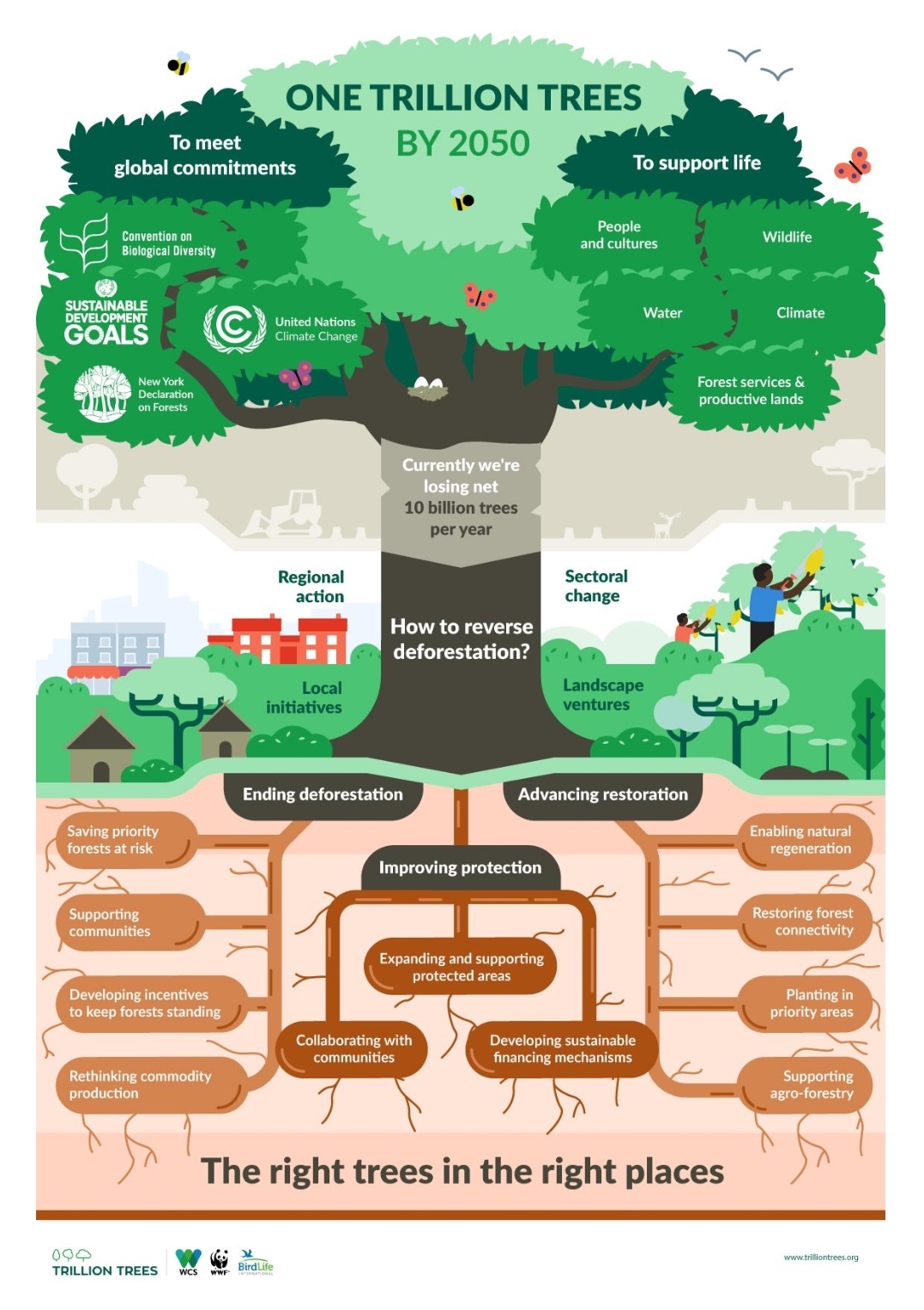


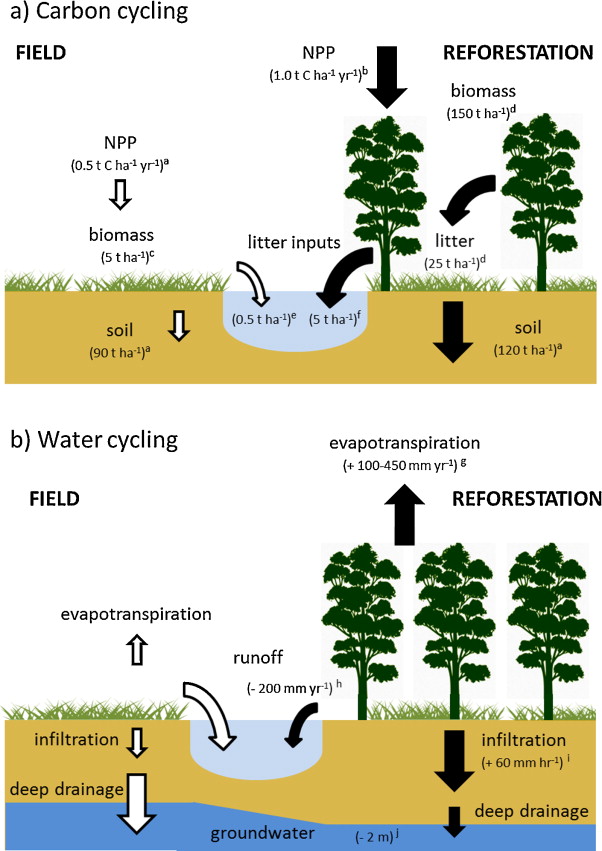


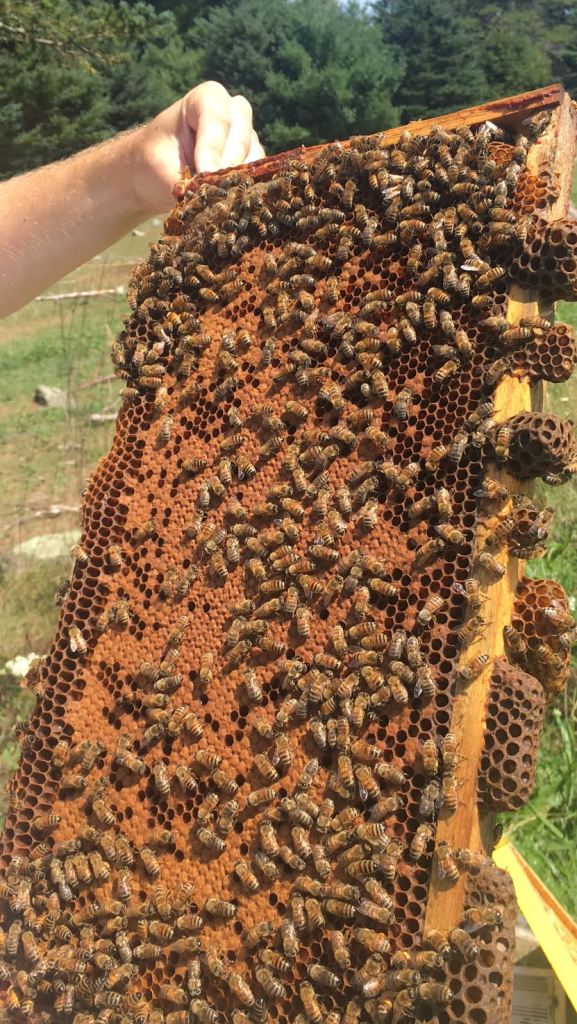

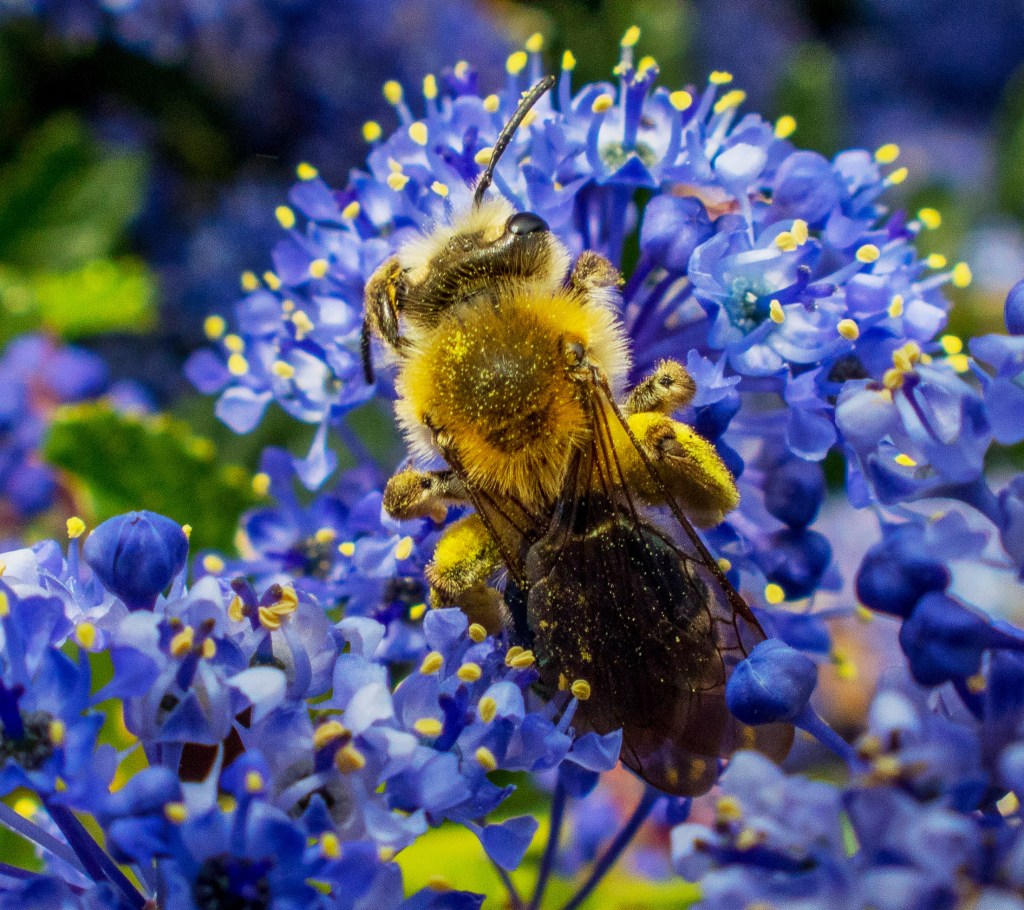


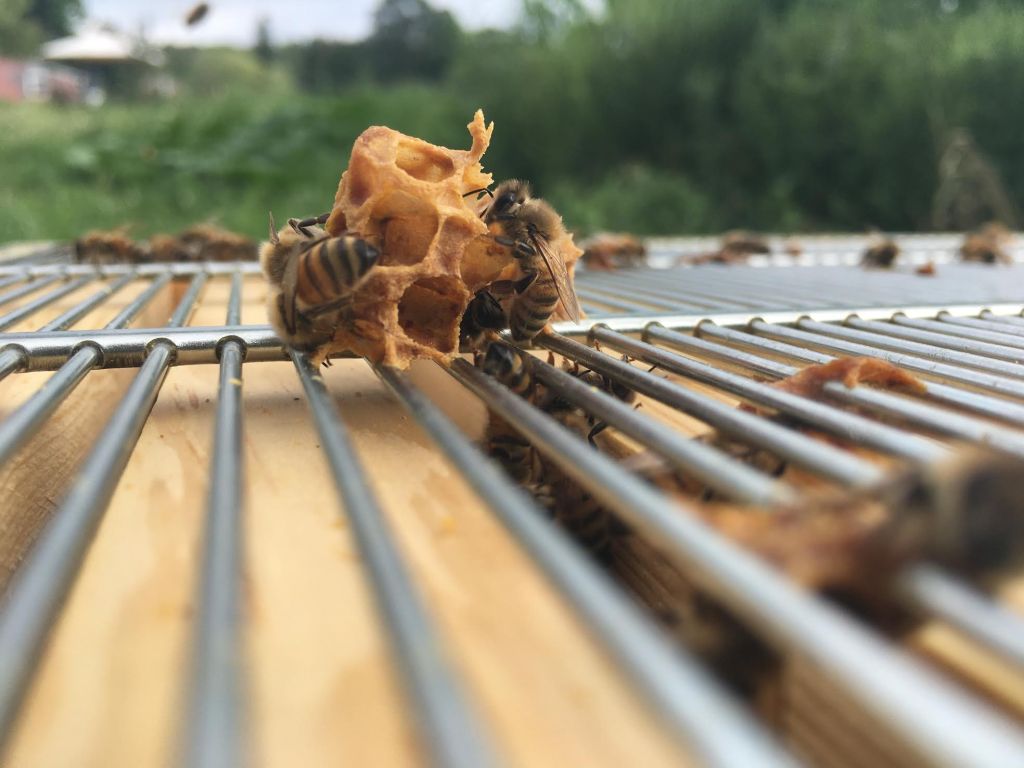




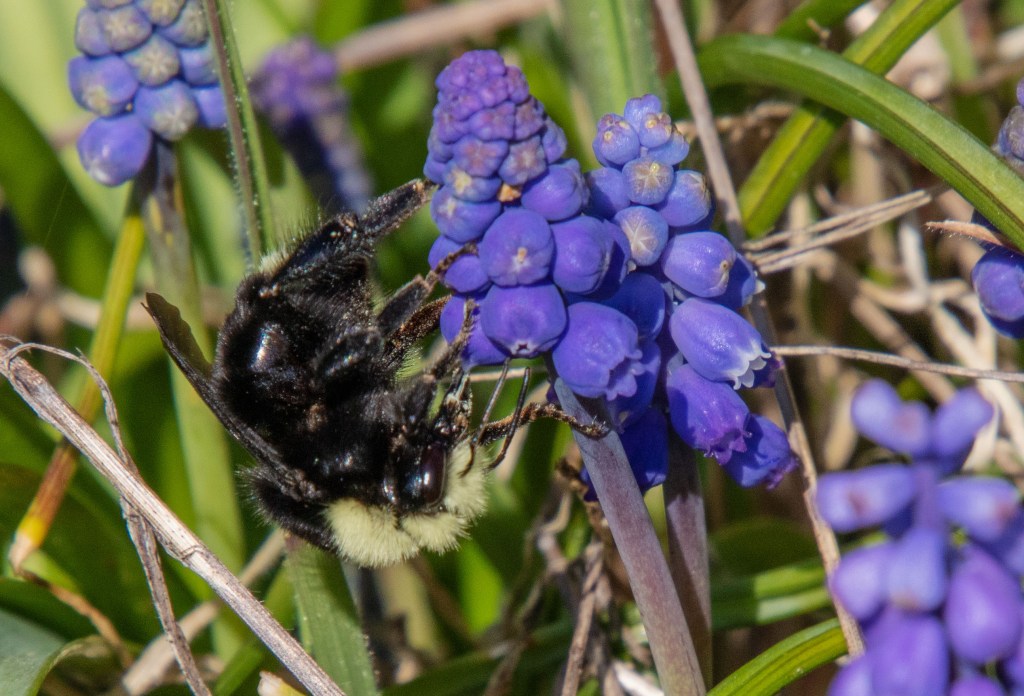




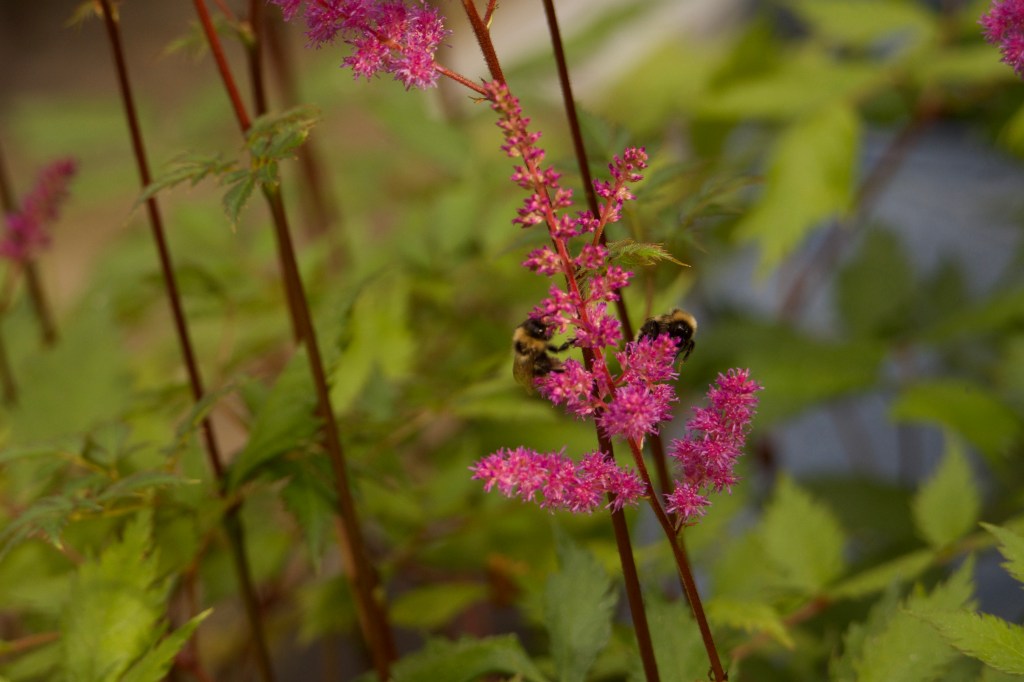


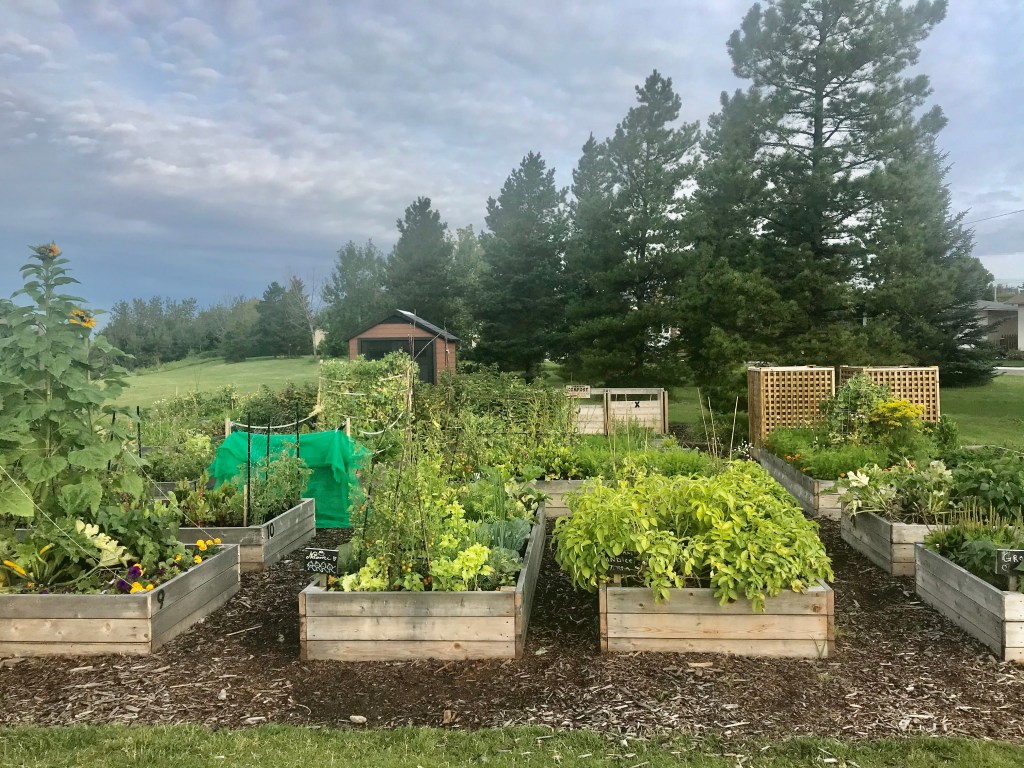
















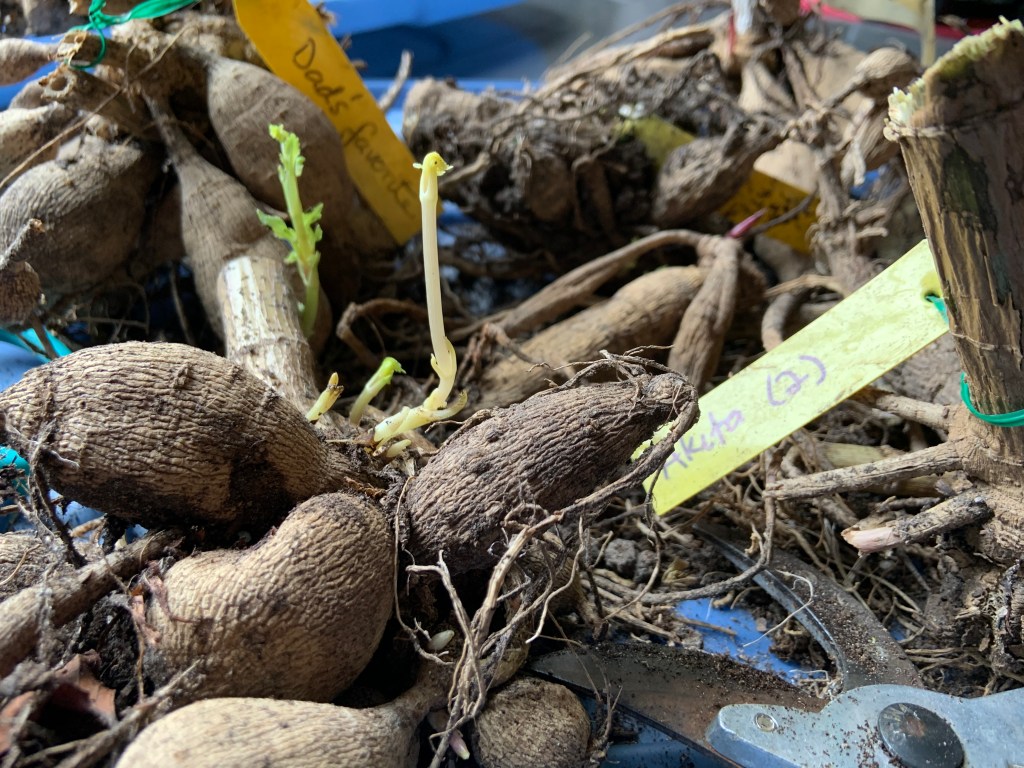







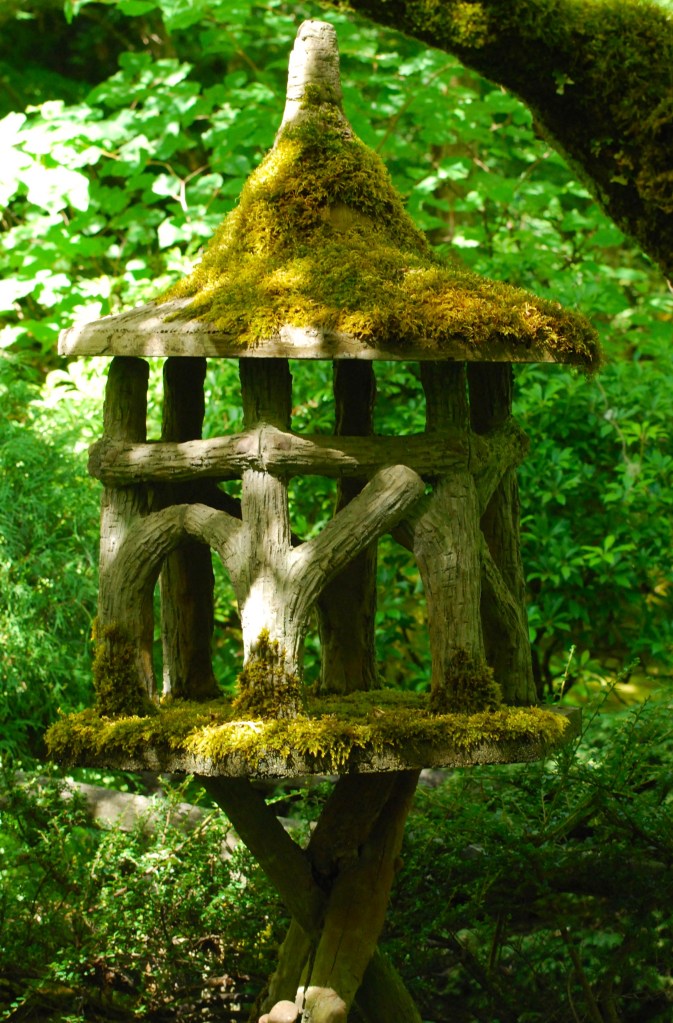


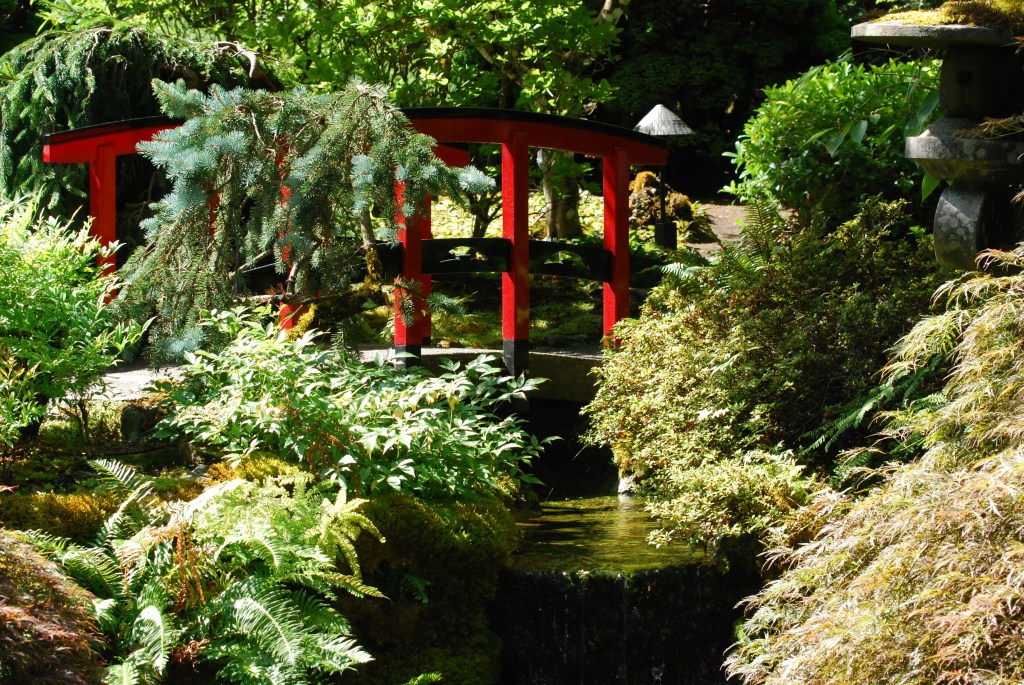



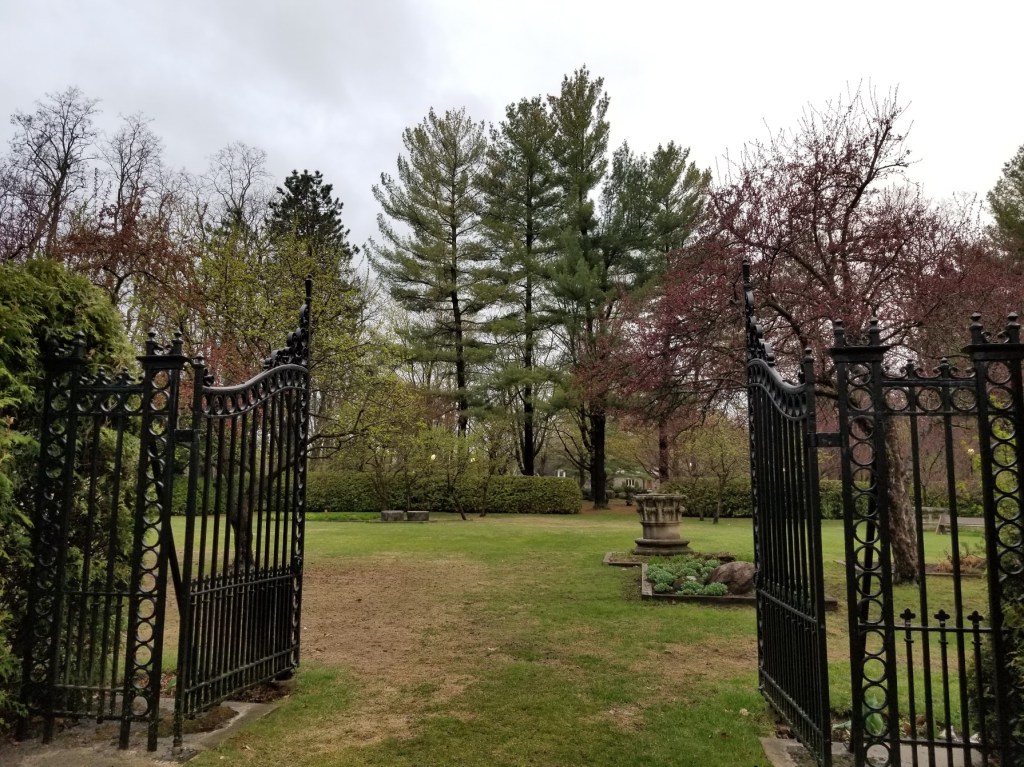


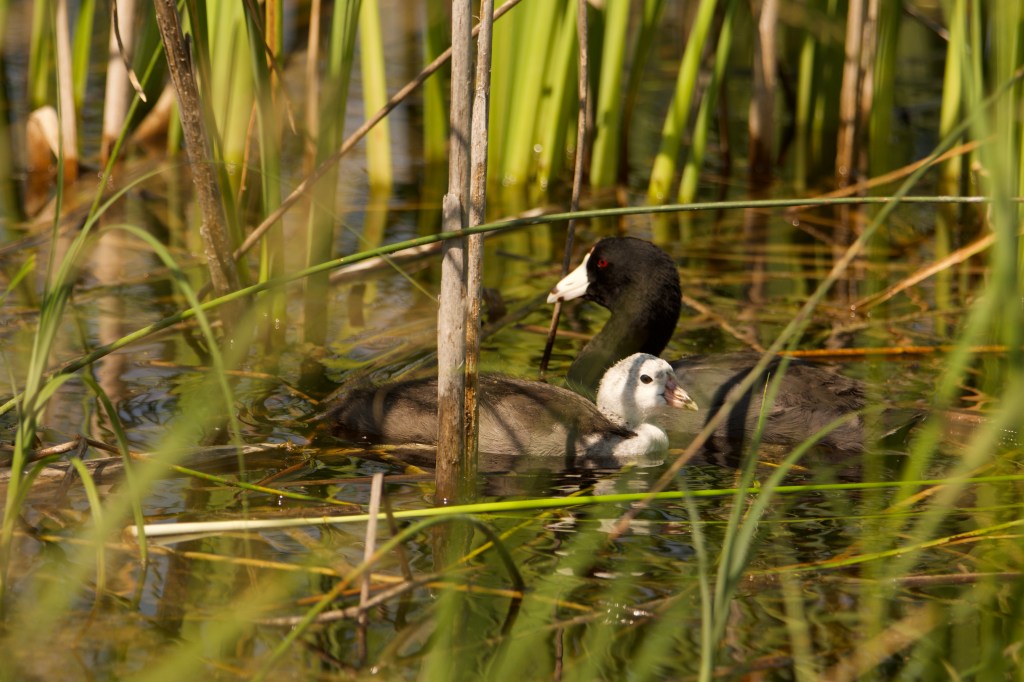








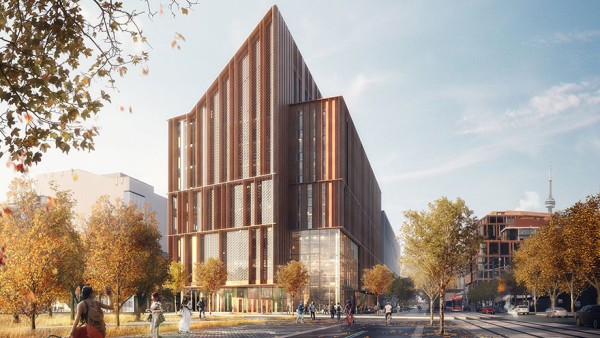



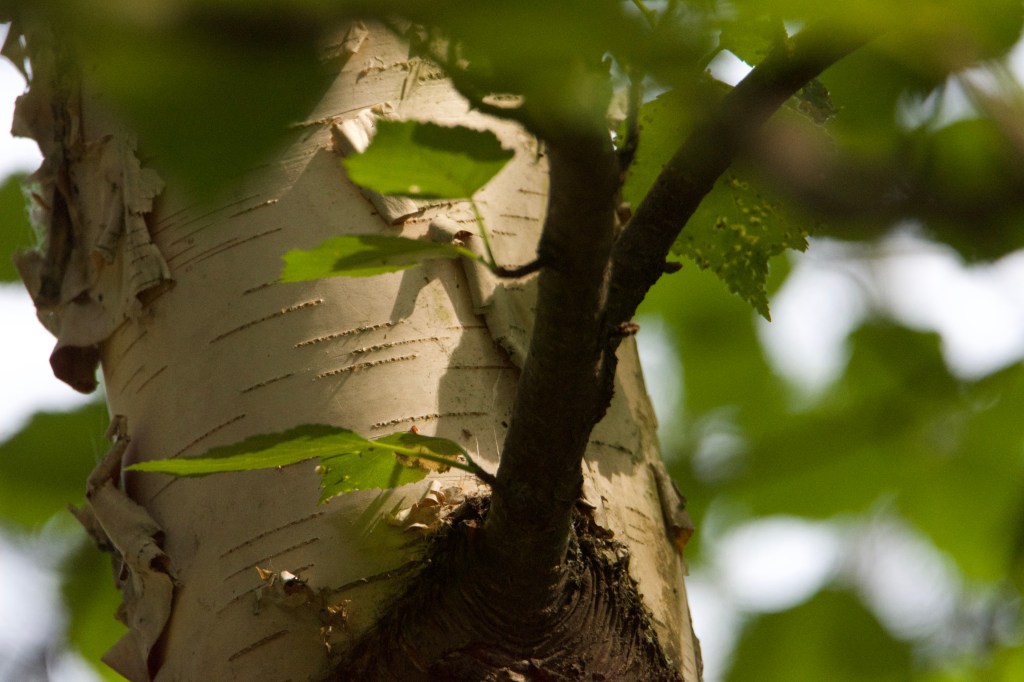



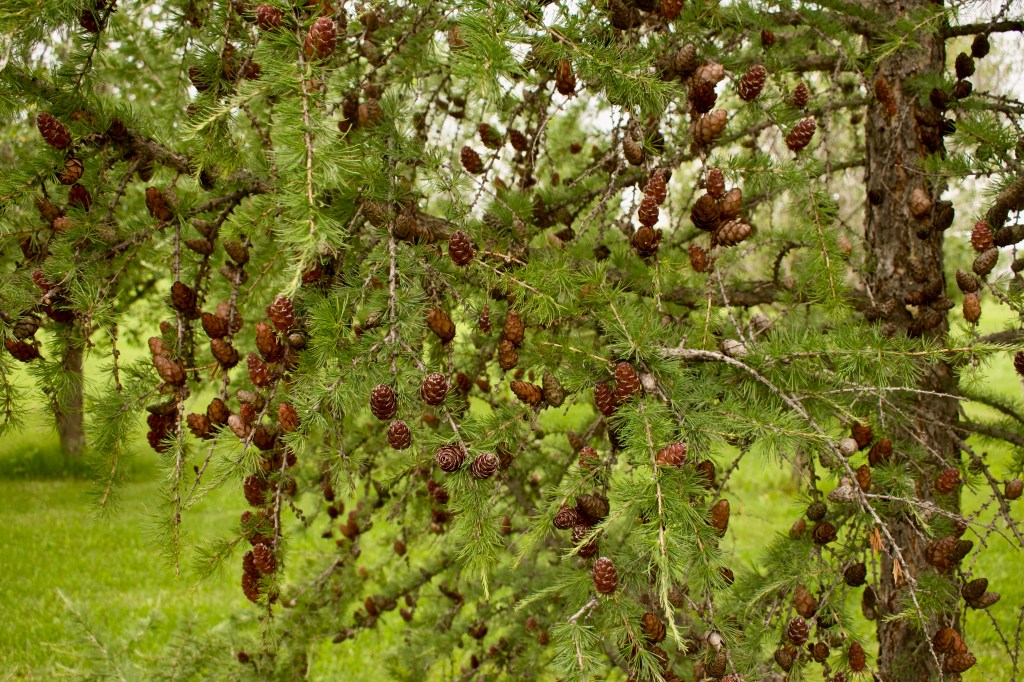









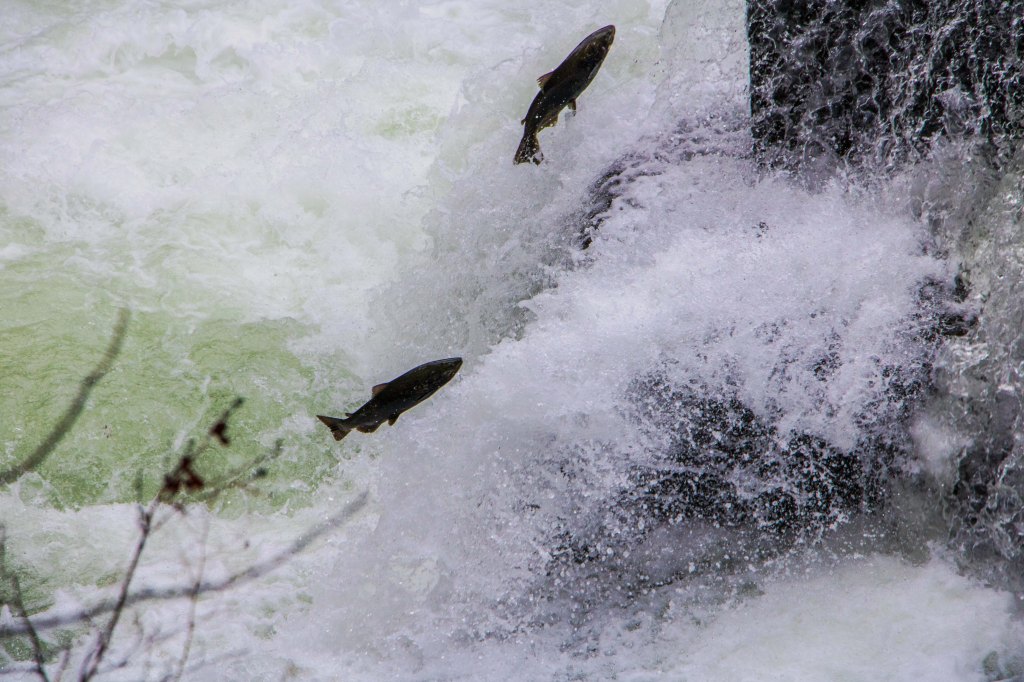
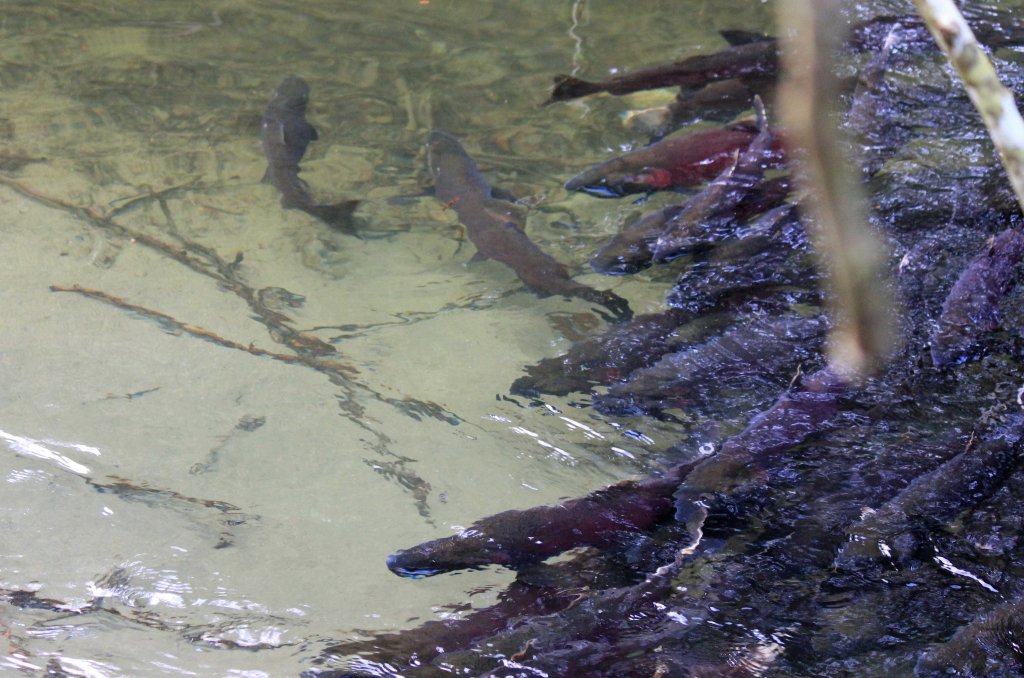

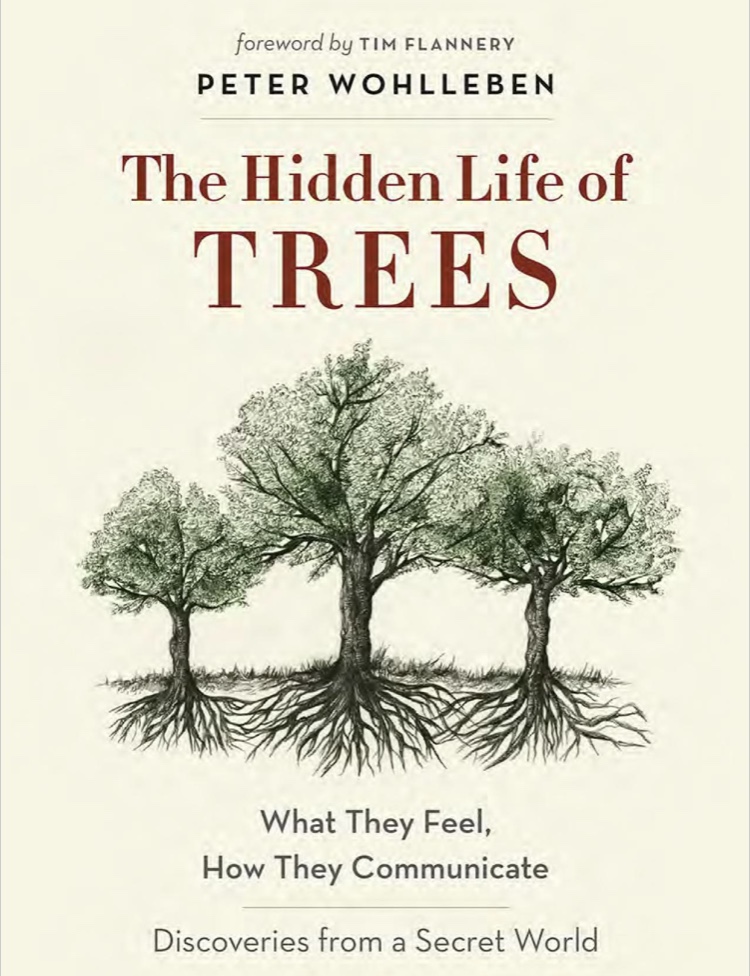
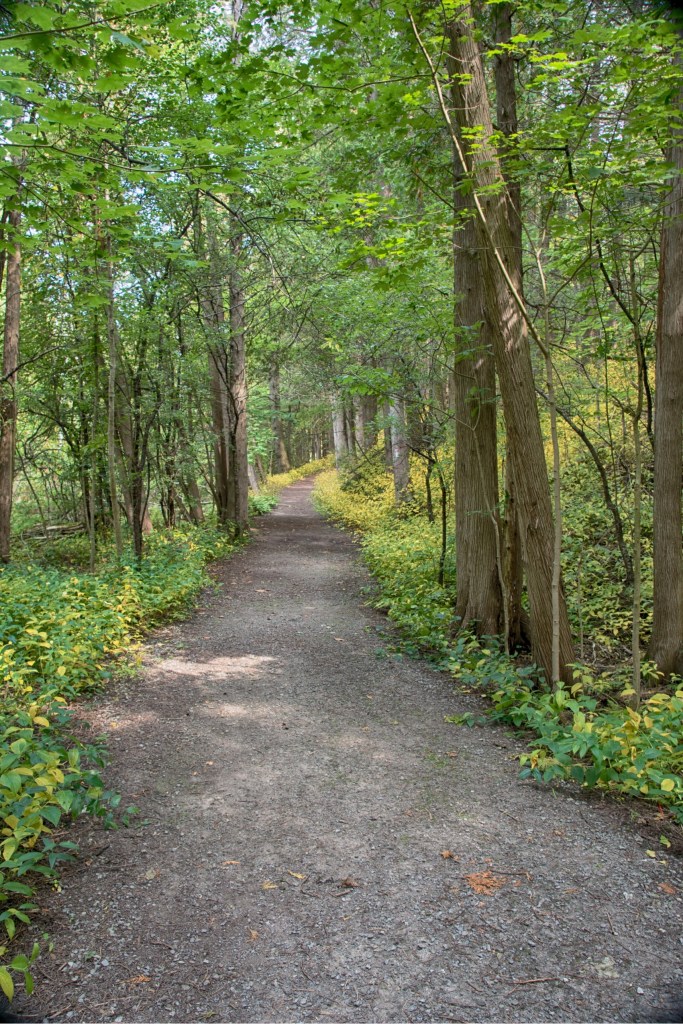
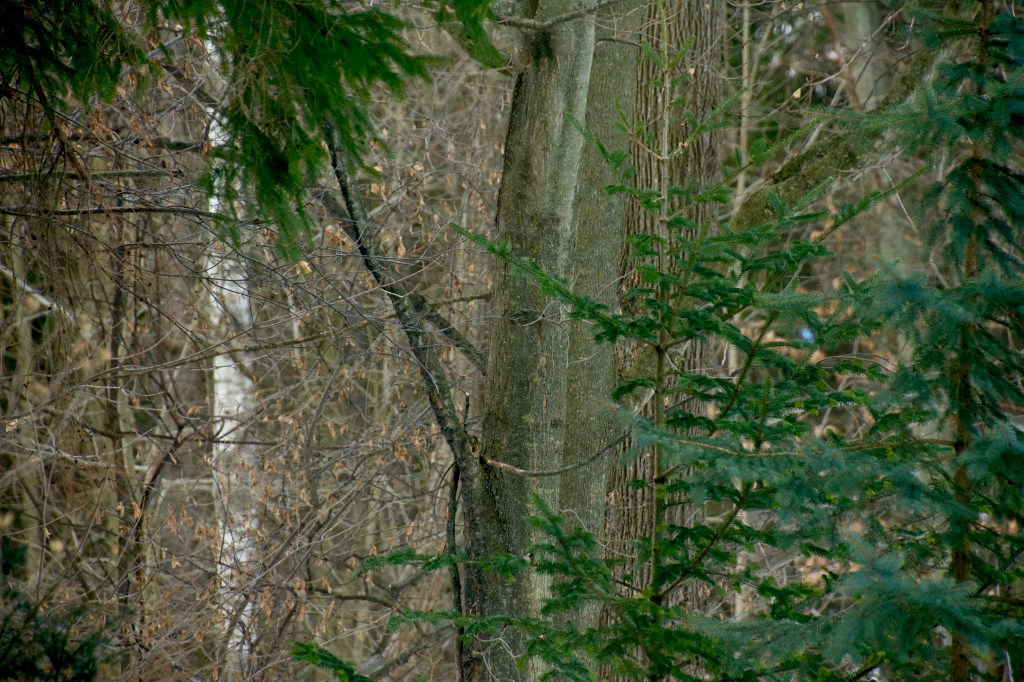


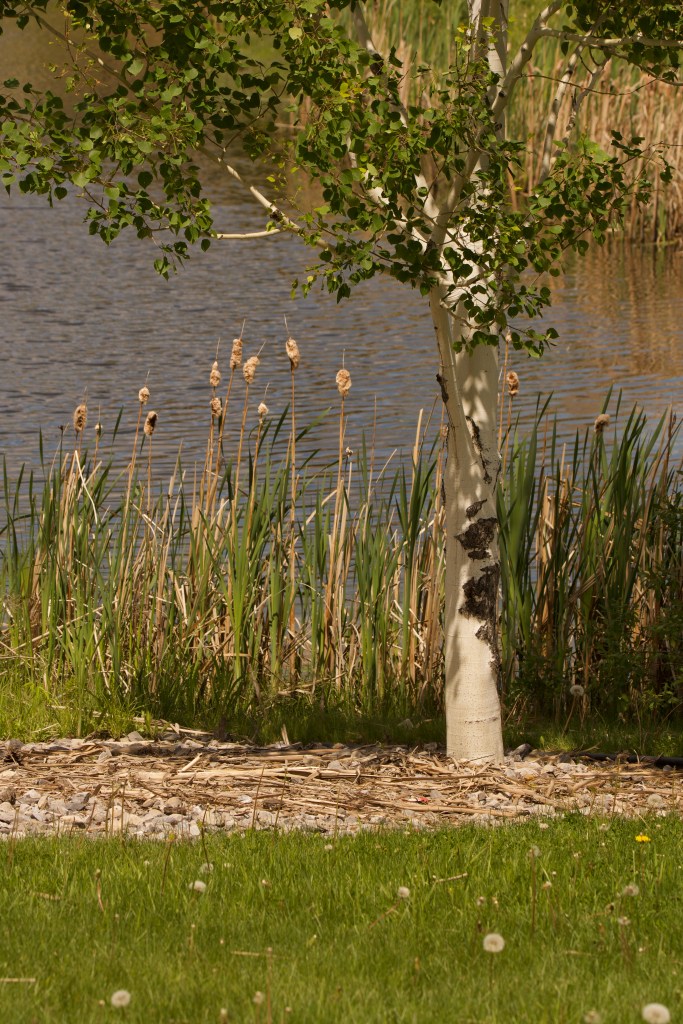


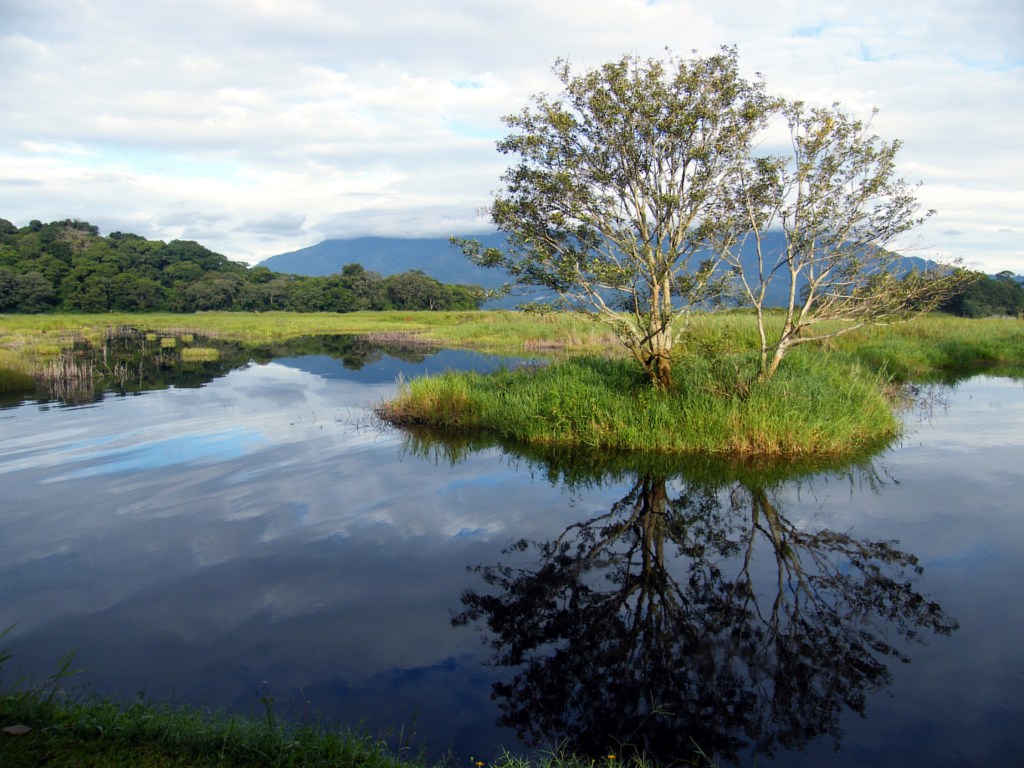
 FRIENDS4TREES4LIFE