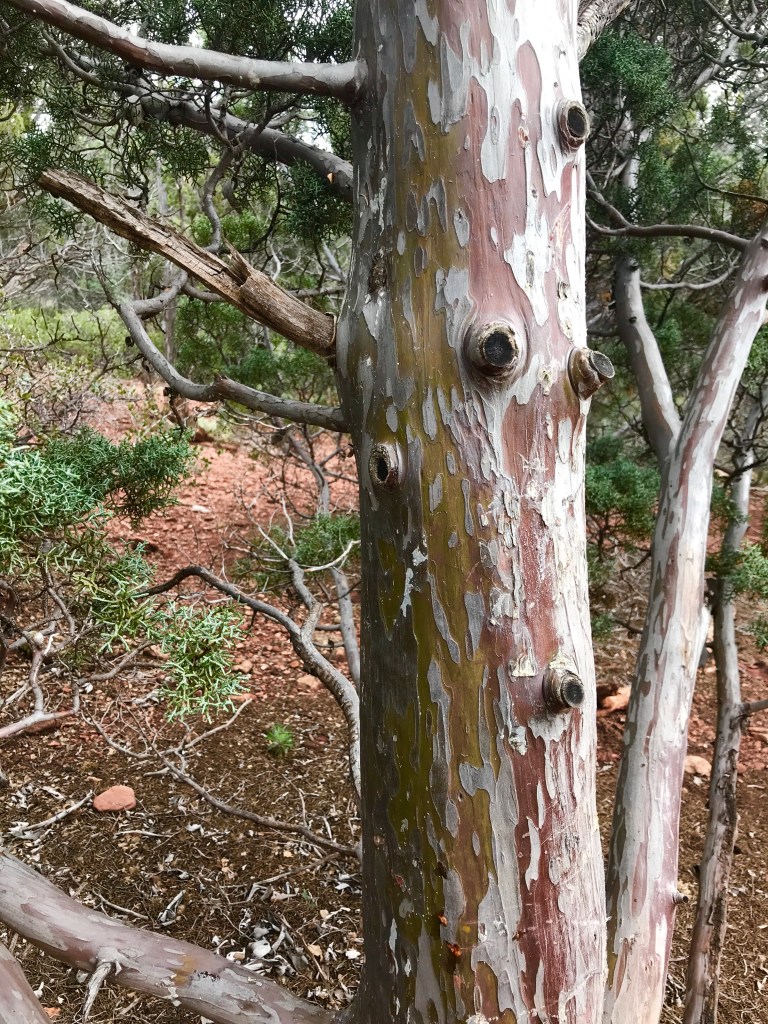
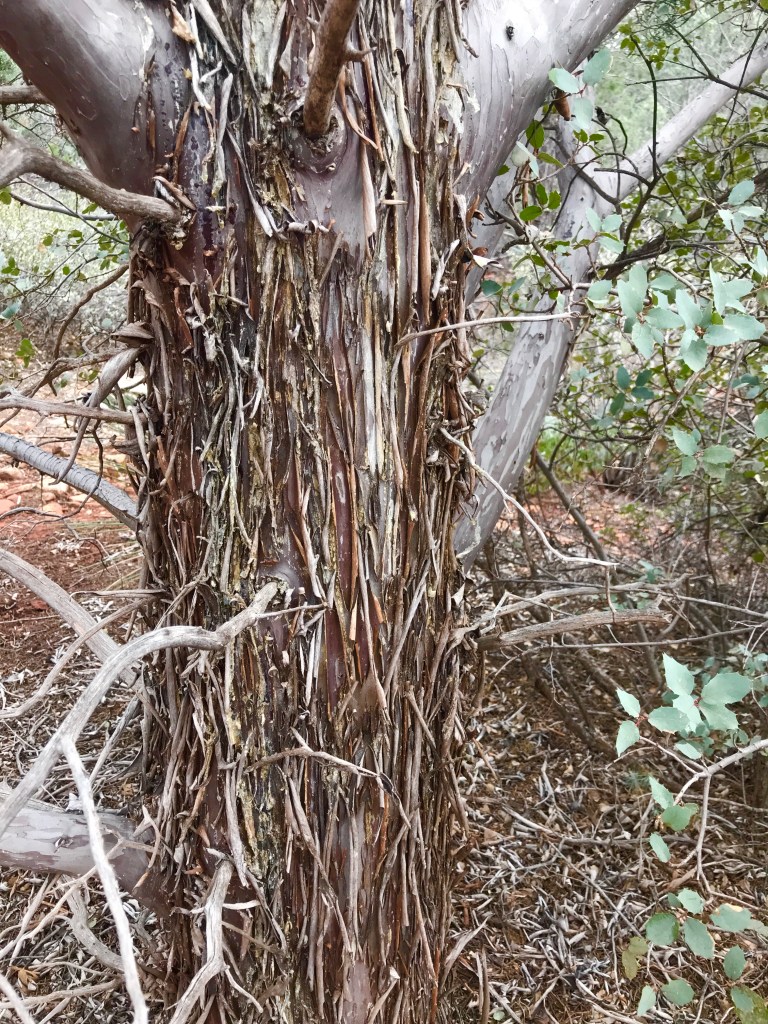
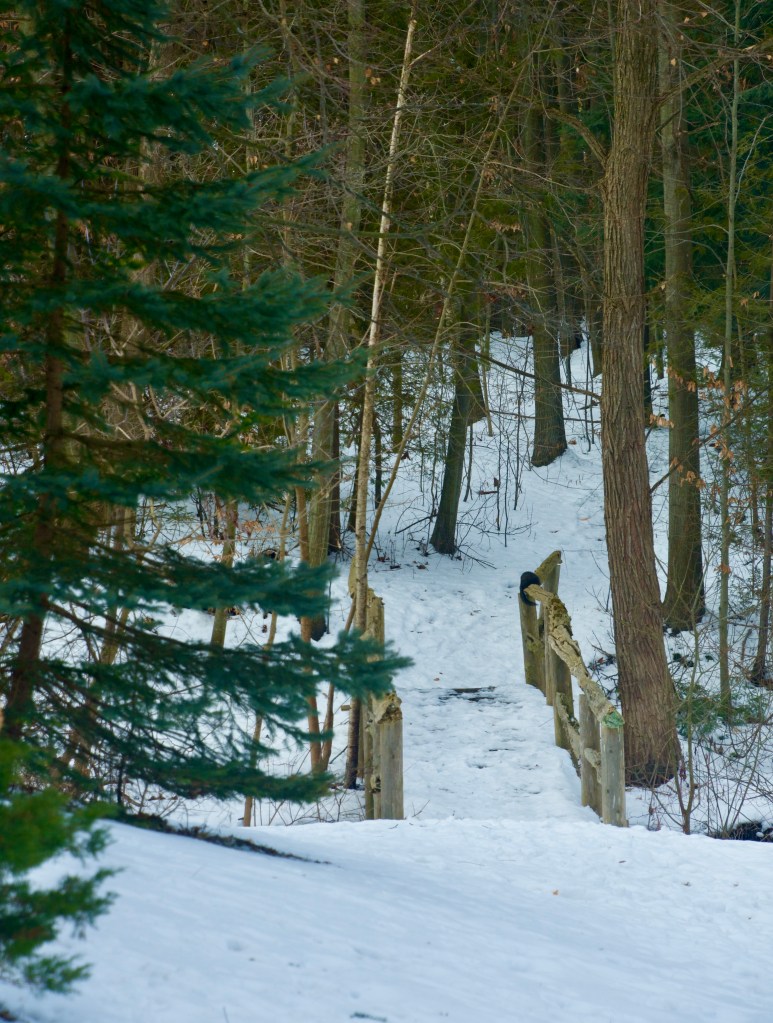
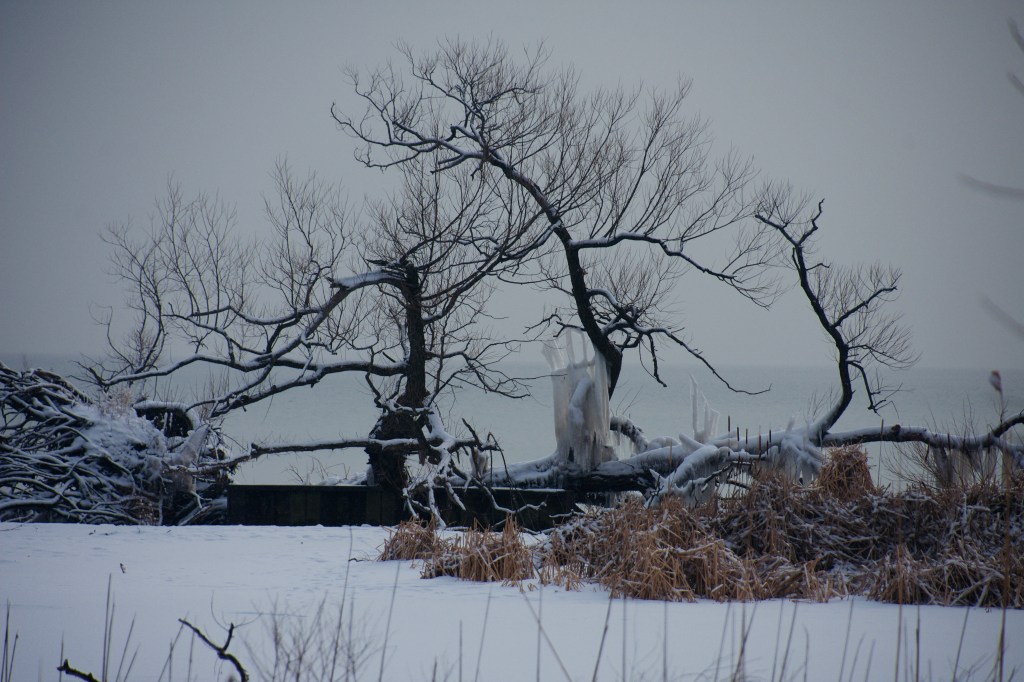
Suggestions for Yard Trees

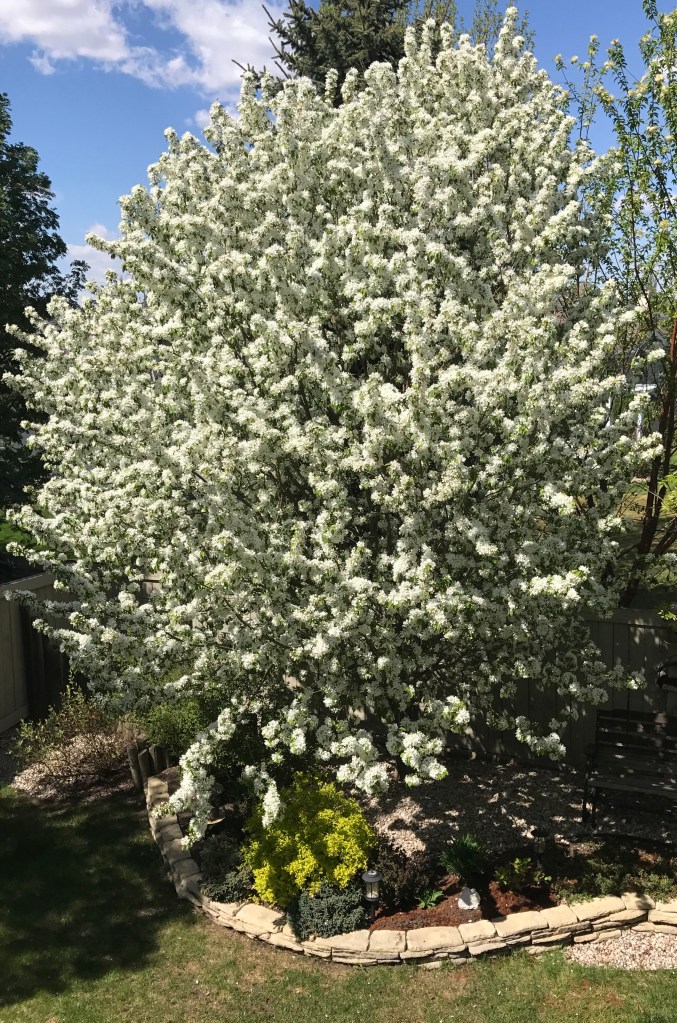
Crab apple Tree

Edmonton is in the zone 3 area, so trees from Zone 0-3 can survive the cold weather here. Toronto is zone 5-6, and Victoria is zone 8-9 . What a diverse country we share! When landscaping a new yard, one needs various types of trees, some fast-growing that can more quickly create privacy or shade, some flowering and/or fruit /nut trees, some trees to attract birds, if you like, some evergreen, and some accent or smaller ornamental trees. Listed below is information on some of our favourite yard trees. We happened to find great information on all these trees on the user-friendly and informative local Edmonton Salisbury Nursery site. We are sure there are many great sites for our Readers to do more tree research on personal favourites. Please feel free to share additional resources that you find helpful and/or to share stories and photos about your favourite trees – we welcome guest Bloggers, too!

It occurs to us that like everything else, there are trends with plants and trees. Lucy loves the incredible scent of the MayDay Tree, but senses it was more popular in days gone by, although luckily it remains still all around us. Hydrangeas have become very popular as a flowering plant in both Edmonton and Toronto, especially now that they have created varieties that survive colder winters, and we imagine it is true that there are more varieties of each tree all the time too, through genetic modification and adaptations. That can be a topic for another Blog. Currently there are many narrow or “columnar” trees designed for our trend towards smaller  and narrower properties. In general, there is great abundance of varieties for each type of tree, and that is where the local garden centre can help you choose the one best for you. (Salisbury Nursery website: https://bit.ly/3clfEQ5)

Privacy Trees

Faster Growing Privacy Trees

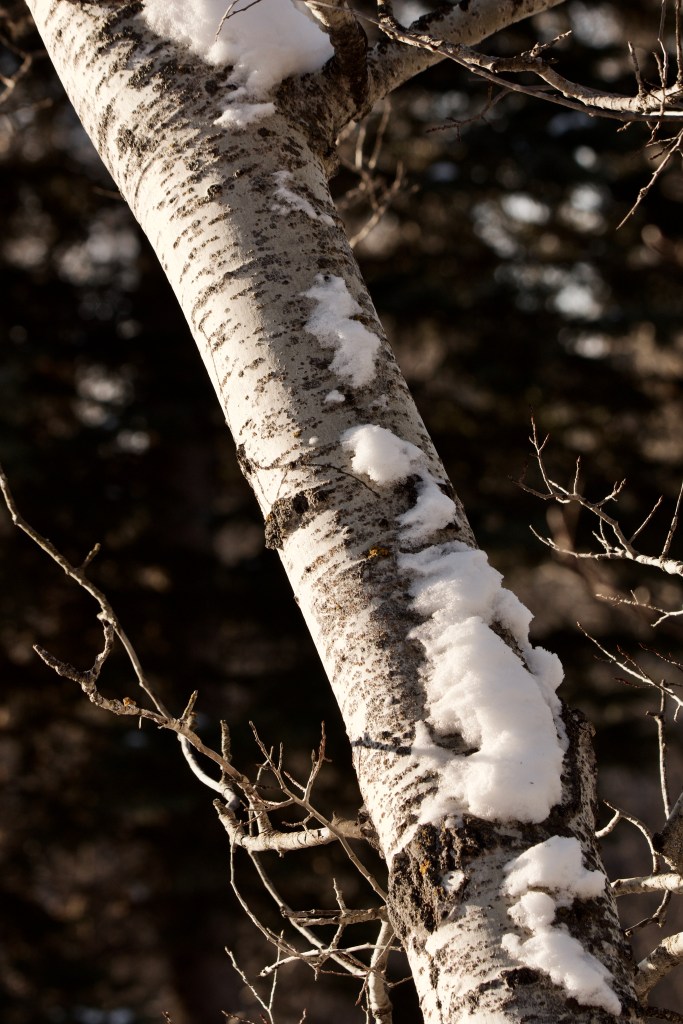
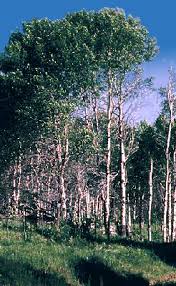
Poplar Tree (Trembling Aspen)
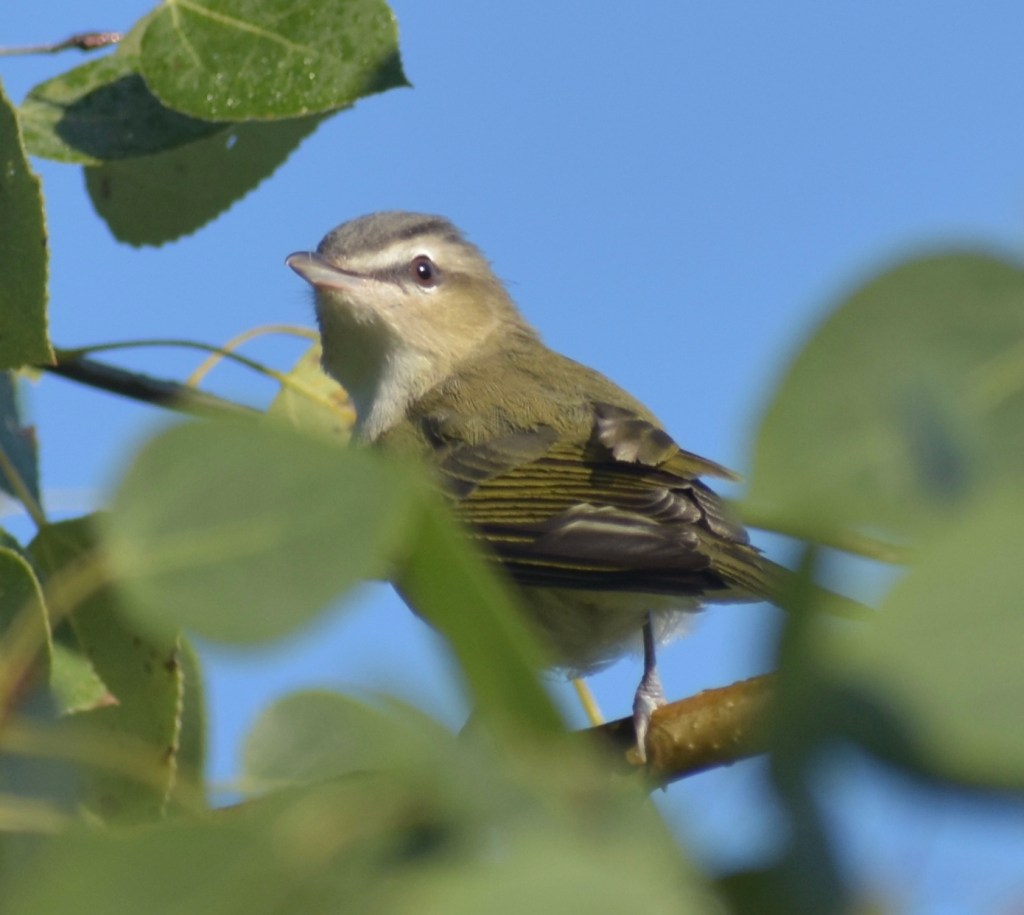
Vireo in Poplar Tree

“This tall narrow tree is a great tree to plant to block wind and to create privacy between you and your neighbour, as well as being a great tree to plant in  narrow yards. A Hybrid popular can grow eight (8) feet a year if you want privacy sooner than later. There are more than a dozen varieties of Poplar to choose from. Most trees have a down side and with poplars it is that they create a lot of leaves in the fall, they have very extensive roots and they can spend a week in June shedding poplar fluff.”  

Slower Growing Privacy Tree

Purple Spire (Columnar) Crabapple 
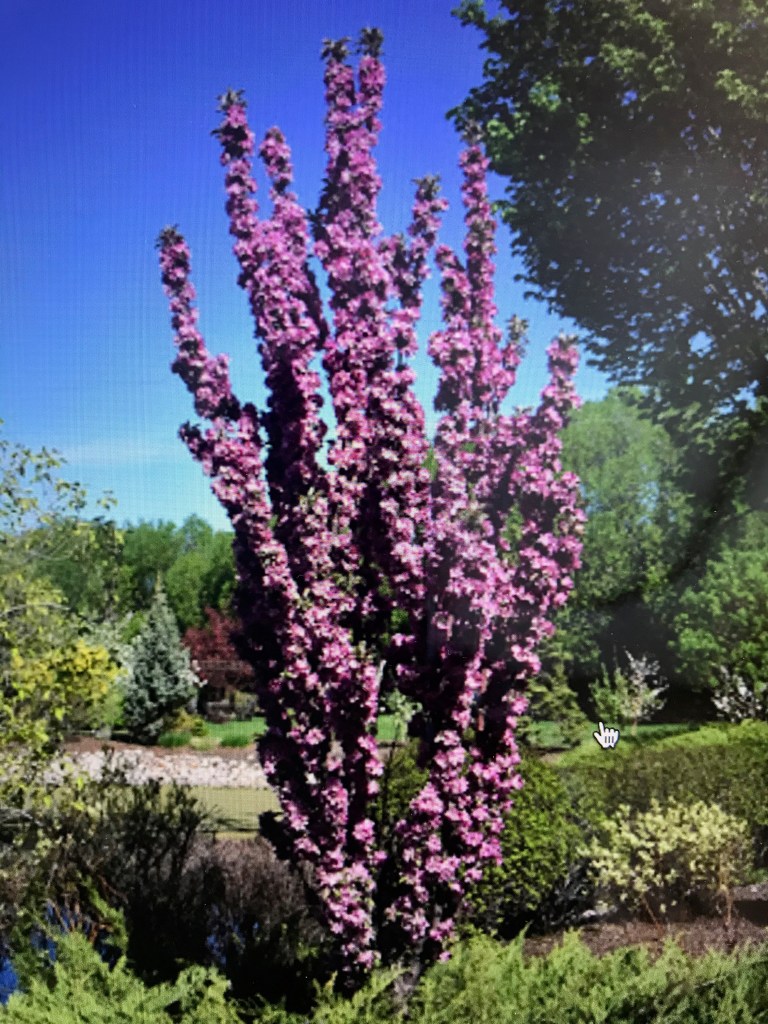
Matchcode: MAXPSPIR. Height: 5m (16 FT.). Spread: 1.85m (6 FT.)

“The Purple Spire Crabapple is a narrow, columnar, slow growing screen, border or specimen tree. It has compact burgundy-purple foliage and pink blooms in mid-spring which mature to sparse ornamental fruit. This tree is perfect for placing close to decks and driveways and prefers a moist, well-drained soil.”

Flowering Trees

Spring Snow Flowering Crabapple (fruitless)
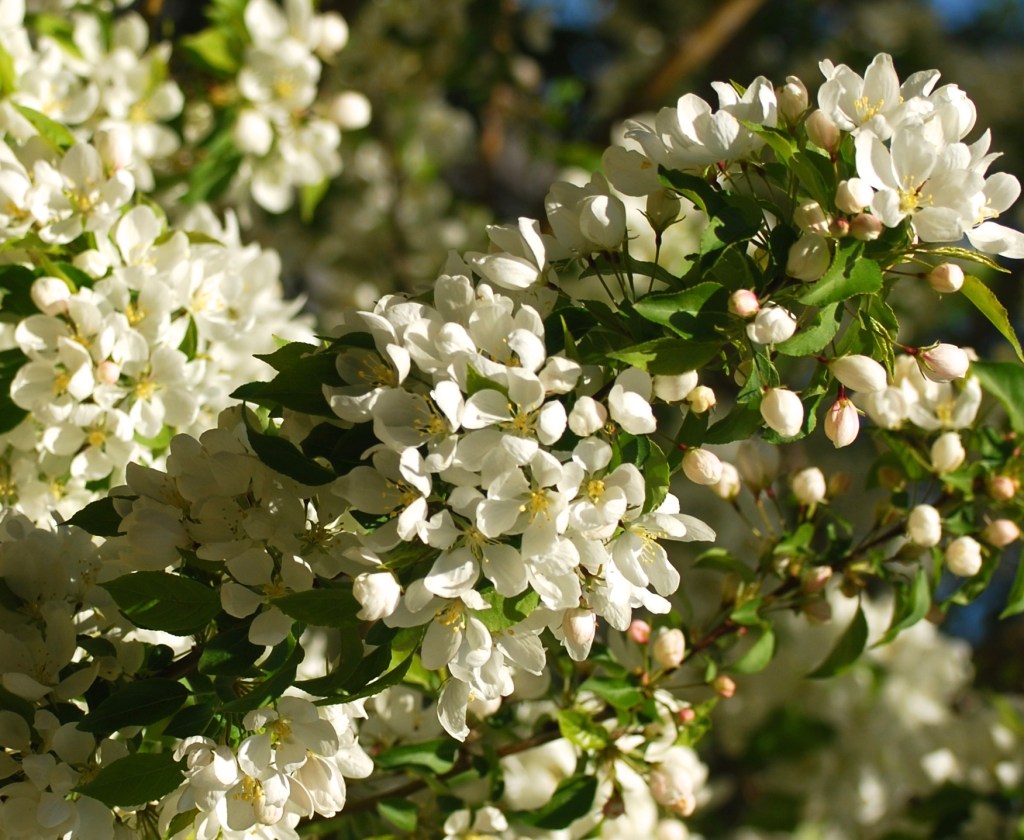
We are learning from the very helpful Salisbury Nursery site that this tree is a highly regarded ornamental tree just covered in snowy white flowers in spring, a hardy fruitless variety with a tightly oval habit of growth. It makes a beautiful accent in the front yard, very clean and tidy, and needs well-drained soil and full sun. Lucy has this tree in her back yard and knows first hand that it is wonderful for birds, bees and butterflies too.

Ornamental Features – “The Spring Snow Flowering Crab is blanketed in stunning clusters of fragrant white flowers along the branches in mid-spring, which emerge from distinctive shell pink flower buds before the leaves. It has dark green foliage throughout the season. The pointy leaves turn yellow in fall. The fruit is not ornamentally significant.”

Landscape Attributes and Design Tip – “The Spring Snow Flowering Crab is a deciduous tree with a narrowly upright and columnar growth habit. Its average texture blends into the landscape, but can be balanced by one or two finer or coarser trees or shrubs for an effective composition.”

Planting & Growing – “Spring Snow Flowering Crabs will grow to be about 25 feet tall at maturity, with a spread of 15 feet. The tree has a low canopy with a typical clearance of four (4) feet from the ground, and is suitable for planting under power lines. It grows at a medium rate, and under ideal conditions can be expected to live for 50 years or more.”

“This tree should only be grown in full sunlight. It prefers to grow in average to moist conditions, and shouldn’t be allowed to dry out. It is not particular as to soil type or pH. It is highly tolerant of urban pollution and will even thrive in inner city environments. This particular variety is an interspecific hybrid.” (Source: Salisbury Nursery: https://bit.ly/3epTEpa)

Fruit/Nut Bearing Tree

Evans Cherry Tree

Evans Cherries

This is a sour cherry tree that grows well in Zone 3, created at the University of Alberta.  Its bright red cherries are excellent for pies and jams. It is self pollinating, and reliably produces a ton of fruit and grows 15 feet tall and 10 feet wide. Lucy gifted one to her sister in Toronto, however, she has not had the quantity of fruit that it bears in Alberta.

While Lucy has moved from the home where she had this cherry tree, luckily one of her new neighbours has a few and invites her to pick the fruit. Even so, Lucy is thinking she may have to plant one again as it is surely her favorite tree. A sour cherry tree usually needs to be four-to-five years old before it bears fruit, so when it comes time to purchase a new tree, Lucy will be sure again to look for one that is three-to-four years old years old. The sooner to begin making her sour cherry pies again!

If Readers can recommend any specific apple or other fruit trees that produce great fruit, please let us know and we will feature these trees in our upcoming blog(s).  For that matter, we would love to learn about any and all the trees you love/have loved in your yard – please let us know so we can feature them. Don’t be shy!

Trees to Attract Birds

Crab apple Tree

Shrubs and trees that hold seed and fruit into the fall, such as crab apple (robin, cedar waxwing), honeysuckle (robin, catbird), cherry, chokecherry, dogwood, spruce (pine siskin, nuthatch, crossbill), birch (pine siskin, american goldfinch), and mountain ash (see birds below) will tempt migrating birds on their way south.

Russian Mountain Ash

Height:  30 feet Spread:  20 feet Sunlight:  Full Sun  Hardiness Zone:  2b
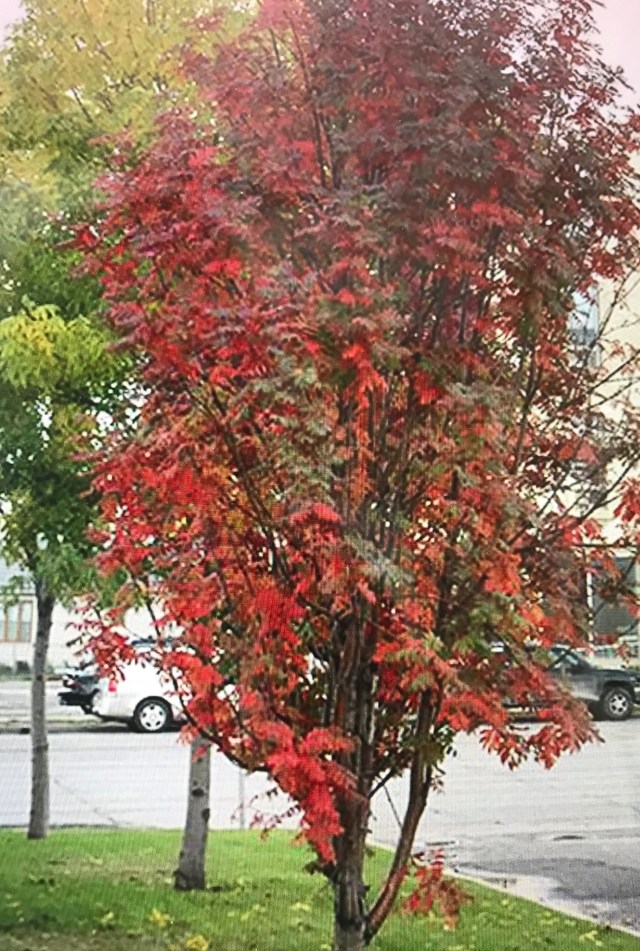
“The Russian Mountain Ash is a stunning pyramidal accent tree, and shade tree featuring clusters of white flowers in spring followed by orange-red berries into winter; shiny grey bark, attractive compound leaves that turn orange and yellow in fall. It needs well drained soil and is resistant to fireblight. This is a relatively low maintenance tree, and is best pruned in late winter once the threat of extreme cold has passed. It is a good choice for attracting birds to your yard.” 

From our research we see there are at least 10 varieties of Mountain Ash. Lucy recently saw a number of cedar wax wings, house finch, robins and bluejays in her neighbour’s Mountain Ash. Birds also like and find shelter from predators and the wind, such as in the fine tangles of her ornamental lilac and cedar trees.

Evergreens

Even though evergreen are colourful year round, and require less maintenance, with no raking of leaves and less trimming, it is important to know they should not be planted close to walkways, streets, or buildings, as their base can grow very wide and roots may become a nuisance. Evergreen trees have branches very close to the ground and work well for blocking wind, so they’re a good choice if you live in a windy area.

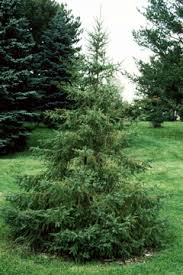
The City of Edmonton no longer plants spruce or pine on residential boulevards because their broad base will become an obstruction as the tree matures.  Of course, if you have a large property, these trees will fit in well, as will large shade trees. Here is one evergreen Lucy has the privilege to look at everyday out the front window, as it is in her neighbour’s yard. It is a stunningly narrow evergreen called the Weeping White Spruce.

Weeping White Spruce Picea glauca ‘Pendula’ 

Height:  50 feet. Spread:  10 feet. Sunlight:  Partial to Full Sun Hardiness Zone:  2a

Description: “This stately evergreen has nice blue-green foliage that hugs the trunk, sweeping downward to create a fantastic impression; it prefers sun or light shade and rich moist soil but is adaptable; and, offers the perfect accent tree for defining lawn areas or walkways.”

Ornamental Features: “Weeping White Spruce has bluish-green foliage which emerges light green in spring. The needles remain bluish-green throughout the winter. Neither the flowers nor the fruit are ornamentally significant.”

Accent and Ornamental Trees

Amur Maple. Acer ginnala
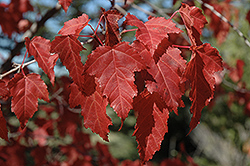
Height:  20 feet. Spread:  20 feet. Sunlight: Partial to Full Sun  Hardiness Zone:  2a

Description: “This is a choice small tree, among the hardiest of all maples with incredible fall colors ranging from orange to scarlet and burgundy red, with colorful seeds in late summer. It is  one of the best accent trees for small home landscapes.”

Landscape Attributes: “Amur Maple is a deciduous tree with a more or less rounded form. Its relatively fine texture sets it apart from other landscape plants with less refined foliage. This is a relatively low maintenance tree, and should only be pruned in summer after the leaves have fully developed, as it may ‘bleed’ sap if pruned in late winter or early spring. It has no significant negative characteristics.”
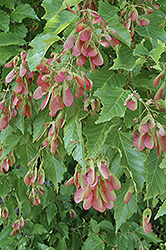
Planting & Growing – “The Amur Maple will grow to be about 20 feet tall at maturity, with a spread of 20 feet. It has a low canopy with a typical clearance of four (4) feet from the ground, and is suitable for planting under power lines. It grows at a medium rate, and under ideal conditions can be expected to live for 60 years or more. This tree does best in full sun to partial shade. It is very adaptable to both dry and moist locations, and should do just fine under average home landscape conditions. It is not particular as to soil type or pH. It is highly tolerant of urban pollution and will even thrive in inner city environments. This species is not originally from North America.” Other popular maple trees are Sugar Maple, American Maple, and Japanese Maple of which Salisbury Nursery featured seven (7) varieties in its November 14, 2019 blog.

Russian Olive Tree

Height:  25 feetSpread:  20 feetSunlight:  Full Sun Hardiness Zone:  3a
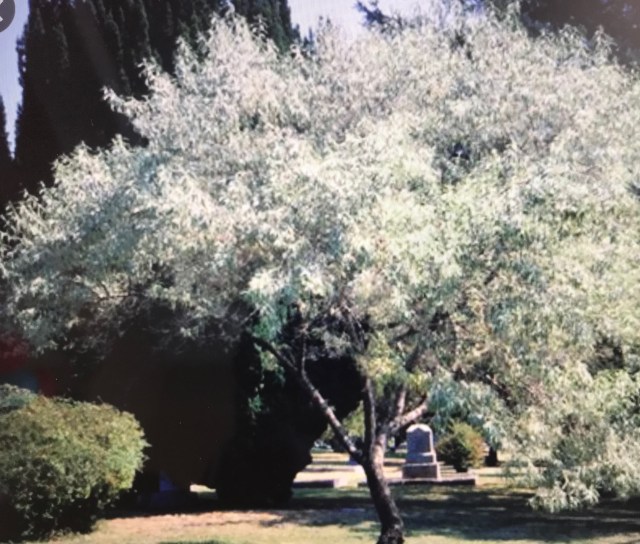
Description: “An excellent small tree for color contrast use, with true silver foliage all season long; also features subtle yellow flowers with an overwhelming fragrance and small silver berries; an excellent choice for dry, windy sites or alkaline soils.”

Ornamental Features: “The Russian Olive has attractive silver foliage throughout the season. The fuzzy narrow leaves are highly ornamental but do not develop any appreciable fall colour. It features subtle fragrant lemon yellow bell-shaped flowers along the branches in late spring. The fruit is not ornamentally significant. The peeling brown bark and silver branches add an interesting dimension to the landscape.”

Olive Tree

Landscape Attributes: “Russian Olive is an open deciduous tree with a more or less rounded form. Its relatively fine texture sets it apart from other landscape plants with less refined foliage.”

“This tree will require occasional maintenance and upkeep, and is best pruned in late winter once the threat of extreme cold has passed. Deer don’t particularly care for this plant and will usually leave it alone in favor of tastier treats. Gardeners should be aware of the following characteristic(s) that may warrant special consideration: disease and becoming spiny.”

Planting & Growing – “Russian Olives will grow to be about 25 feet tall at maturity, with a spread of 20 feet. This tree has a low canopy with a typical clearance of four (4) feet from the ground, and is suitable for planting under power lines. It grows at a medium rate, and under ideal conditions can be expected to live for 50 years or more.”

“This tree should only be grown in full sunlight. It is very adaptable to both dry and moist locations, and should do just fine under average home landscape conditions. It is considered to be drought-tolerant, and thus makes an ideal choice for xeriscaping or the moisture-conserving landscape. It is particular about its soil conditions, with a strong preference for clay, alkaline soils, and is able to handle environmental salt. It is highly tolerant of urban pollution and will even thrive in inner city environments. This species is not originally from North America.”

Urban Trees

We are learning about the trees that are best suited to Canadian / North American climate zones, and, in this Blog post we profile many trees that thrive in Edmonton’s Zone 3 and Toronto’s Zone 5-6 climatic regions. Tree information sources like the Salisbury Nursery site that we have drawn from for our post, also identify trees like the Amur Maple and Russian Olive as being tolerant of urban pollution. Unfortunately, this is now a necessary consideration when choosing for tree planting success if, like us, you are a city dweller.

We will investigate this aspect further and the challenges of fostering a healthy environment for trees within the complex urban ecosystem in a future Blog post. And, we will continue to profile tips from landscaping and tree experts to help you in choosing and caring for the perfect tree in your planting quest and tree success.

For now, thanks to Reader Maureen for this book recommendation, we close with one potential information source and way to begin exploring this topic together with the young people in your circle – anyone home schooling these days?

Toronto author, Andrea Curtis, recently published, A Forest in the City,” which Quill and Quire rates as suitable for the 8-12 year old age range. You can read more about what to expect from this beautifully illustrated book in this Good Reads review https://bit.ly/2XF7w8X. and this piece by CBC Books https://bit.ly/2xmRplV.

In honour of Earth Day, we will post on Wednesday next week – April 22nd.
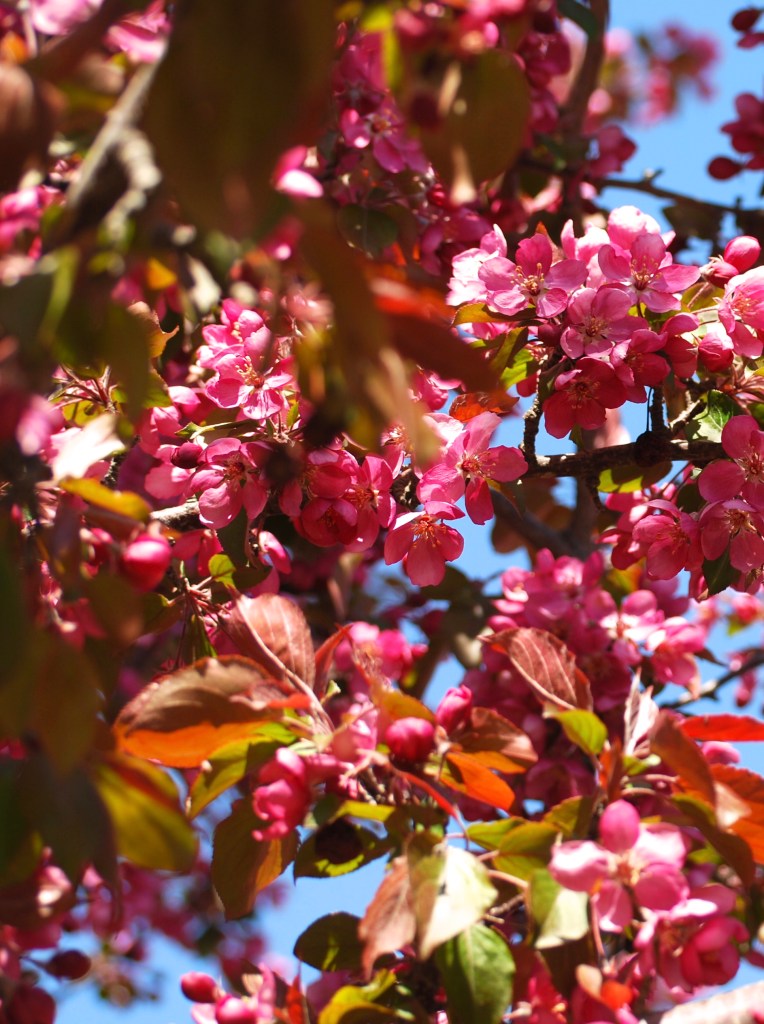
Spring is the Best Time for Tree Planting

Our recent posts have focused on paying tribute, visually, to the healing energy of nature thanks to photos of a stunning spring symphony in Wanda’s west coast garden blooms, and, courtesy of Lucy’s incredible and staggering collection of beautiful bird photos. Our contribution of calming positivity as we all do our part to stay safe, shelter in place, and save lives.

Earlier in March, we made the case for why birds matter to humans, including their vital role as pollinators of one-third of our food supply, and in turn, for why increasing healthy, native tree habitats is essential for both bird survival and for humanity, in the race to combat the global warming and climate changes which threaten all species.

We are reminded of the full multitude of reasons for Why Trees Matter–from being bird habitats, to serving as vital carbon sinks, to the life giving oxygen trees create, for flood protection, medicine and so much more–through this compelling piece on the Virtue of Trees, by Lorraine Johnson, posted on Landscape Ontario’s website – https://bit.ly/3bXm4EQ.

Are you inspired to plant a tree (or garden) this spring?

If you are and do have the space and inclination, here are some tips we’ve found from tree and landscape experts to help in your tree success.

Step One for Tree Survival

“Choosing the right tree, for the right spot, is perhaps the most important factor that will determine whether or not the tree will survive and thrive,” according to a six-page guide on Planting a Tree, by the Master Gardeners of Toronto.

They advise on starting by choosing your site first, and then assessing for available “space, light, soil, water and wind conditions.” (We will explore the topic of tree planting and soil conditions in future.)

Next, narrowing the wide choice of hardy trees available for your region and site will depend on factors such as “what function the tree will perform in your landscape.” Examples of potential tree functions include privacy, cooling shade, wind screening, aesthetics (including fall leaf colour, winter berry colour), fruit-bearing, bird shelter, attractiveness for pollinators (bees, birds, butterflies), and of course, for carbon capture.

Fun fact – Did you know that you can help honey bee pollinators find your garden source of nectar and pollen by avoiding the colour red and instead choosing bushes, trees and flowers with white, yellow, blue or purple-coloured flowers? To learn why and more about pollinator friendly garden design, check this fact sheet by Landscape Ontario https://bit.ly/3bYhQg5. They also offer three Pollinator flower posters by region, suitable for National, https://bit.ly/2UTnRFs, Ontario, https://bit.ly/2xbeHeh, and Western Canada gardens https://bit.ly/2JOWPbS.

Think Beyond Spring to Summer, Fall and Winter Colour

When doing research to find hardy trees (and/or shrubs and bushes) that fit your landscape design and your location’s soil, light and climate conditions, landscape experts suggest we think beyond the spring flowering season, to consider summer, fall and even winter colours that your tree might offer too, for year-long beauty in your garden.

This Better Homes and Gardens article on matching trees for your house profiles the spring blooms of the Japanese Maple, Callery Pear, Crabapple, Chinese Dogwood, Saucer Magnolia and Wheeping Cherry, among others, including fruit trees https://bit.ly/3d3Gttr.

We found that the Mountain Ash tree checks multiple boxes – offering orange, red and yellow fall leaf colours, winter red berry colour, plus, berry food for birds. It is also a tree that is suited to Edmonton (Lucy) and Toronto (Catherine), where we live. Another pollinator tree that is identified by Landscape Ontario as suitable to North American climate zones is the shapely (apparently) Aesculus Flava Yellow Buckeye https://bit.ly/34C8Mv9.

What Can Happen Without Enough Planning

At a friend’s home in Phoenix, all the trees on the street died and they were told by the neighbourhood association to plant two new trees in the front yard. Three tree choices were given. Knowing very little they chose the Palo Verde tree, ordered one up, and had it planted. Even in the desert, this tree grew so very large in the span of just three years, as shown above, and then grew more. Later, this family realized that there are two types of Palo Verde, and they could have chosen the smaller variety, had they known.

This huge tree interfered with the garbage trucks, needed constant trimming, and even then it twice broke off huge limbs during wind storms. They were told, “if you do not thin it, nature will!” inspite of arborists (online) saying that trimming this tree weakens it. The tree ended up costing a lot of money with regular trimming and emergency limb removal after the storms. It has so many blossoms, it is much like shovelling snow on a daily basis during blooming season.

The moral of the story is to spend the upfront time to research your tree choices carefully, especially if you are new to an area. Research can include talking with neighbours, or asking what might be the downside of a particular tree. Does it shed unwanted berries, kill the lawn, grow too slowly or quickly, or have a short life span? How extensive will its underground root system become at maturity? How much maintenance will it require? (Tree tip: We are learning that coniferous trees typically need less maintenance after planting than do deciduous or fruit trees.)

Choosing the Right Tree

With that cautionary tale in mind, we certainly still want to encourage and support you in your tree planting quest, and growing success!

Here are some additional tree resources to help you choose a perfect tree to meet your goals:

Tree Canada – Trees of Canada Resource

https://bit.ly/2UrWMI3

Plant Hardiness Zones – Government of Canada

https://bit.ly/2IVWvrq

Landscape Ontario – Plant Encyclopedia

https://bit.ly/2vuxTTx

Trees Native to Toronto

https://bit.ly/2x0IRjY

Common Trees of Edmonton

https://bit.ly/2Va2vUk

Tree Planting Guides

Once you’ve chosen your perfect tree, and prepared the planting site, the tree planting guides that follow offer advice on a wide range of topics, including – soil amendment, preparing the tree for planting, determining planting depth, checking and repositioning roots, staking the tree, water and fertilizer, minimizing stress on your tree, taking care of your tree, how young a tree to plant, how often to water a tree, tree planting myths and urban legends, species selection, planting techniques, bareroot planting, checklist for new tree planting, mulching, insects and diseases, aeration, tree maintenance timetable, and more!

Master Gardeners Toronto – Planting a Tree

https://bit.ly/2UP92nd

Master Gardeners Toronto – Tips for Planting Japanese Maples

https://bit.ly/2J6zDFP

Tree Canada – Tree Planting Guide

https://bit.ly/2WhG6W9

US Department of Agriculture – How to Plant Trees Successfully

https://bit.ly/2Qlw0zO

Virginia Lawncare – Newly Planted Trees – Survival Tips

https://bit.ly/38ZGBa2

Master Gardeners Toronto – Organic Fruit Garden Guide

https://bit.ly/2JNQxZX

Growing Trees and Shrubs Organically – Toronto Master Gardeners

https://bit.ly/2WpKYbF

Blooming Deciduous Trees and Shrubs – Toronto Master Gardeners

https://bit.ly/3b3oNvV

Pollinators – Guides

Here are some resources on creating pollinator friendly gardens, plus three resources created by the City of Toronto about actual local pollinators – bees, butterflies and spiders of Toronto.

Brochure – How to Create a Pollinator Friendly Garden

https://bit.ly/3bYhQg5

Pollinator Garden – Master Gardener Fact Sheet

https://bit.ly/2wsa13q

Bees of Toronto

https://bit.ly/3e3Ns5V

Butterflies of Toronto

https://bit.ly/3e3wwwA

Spiders of Toronto

https://bit.ly/39XKnBm

OTHER EXPERTISE

Ontario Rock Garden and Hardy Plant Society

https://bit.ly/2yJc1F9

Master Gardener Resource List

https://bit.ly/2yZi7Bf

Toronto Master Gardeners – Qs and As

https://bit.ly/34C6yvK

Tree Problem? – Consult with an Aborist

International Society of Aboriculture – Ontario Chapter

https://bit.ly/3bXT3Jc

Gardening Problem? – Ask a Master Gardener

Toronto Master Gardeners are happy to answer gardening questions. They offer an online form and a commitment to respond within five (5) days to questions submitted to their Ask a Master Gardener web-page, at, https://bit.ly/2yAeb9V

Earth Day 2020 – April 22, 2020

The countdown is on to the fiftieth anniversary of Earth Day – just 13 days and one more Blog post – on April 22, 2020

Please consider planting or donating a tree to mark this important milestone. Help reach the event organizers’ goal of Seven Billion Trees – one tree for every person on our Beautiful Home of Planet Earth.

We are all doing our part to stay safe, stay home, save lives and flatten the pandemic’s curve. We are grateful for these sacrifices and efforts by individuals for the collective good.

In the same way, we believe each one of us makes a difference to slowing global warming and climate change, saving species and creating a healthy livable habitat for all. We are the change we need.

Gentle Spring Blooms

Today’s post shares soothing spring photos taken by Reader Wanda in Victoria. This is a virtual tour of her stunning Japanese garden, taken on March 30, 2020. Some parts of Canada are still blanketed in white, and others are in full bloom.

Thank you, Wanda, for sharing and enabling us to offer our Readers a follow-up to last week’s “Positive Energy from Nature” post, with our ongoing intentions to foster positivity in challenging times and help keep our collective spirits strong.

Japanese Hydrangea
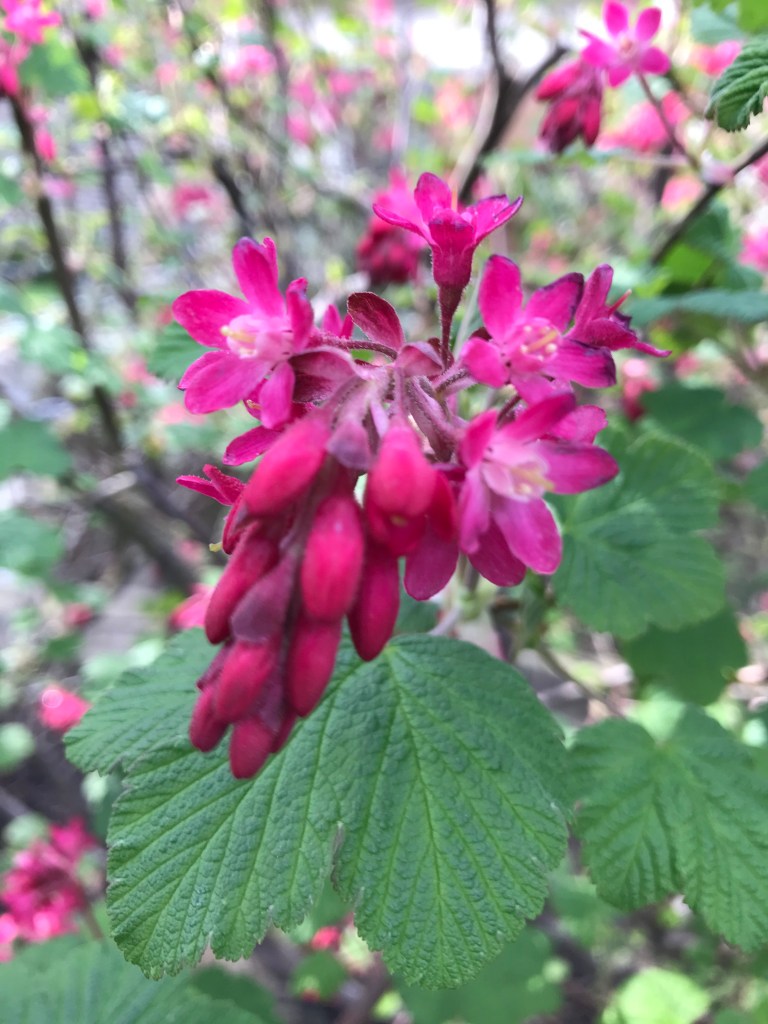
Flowering Currant
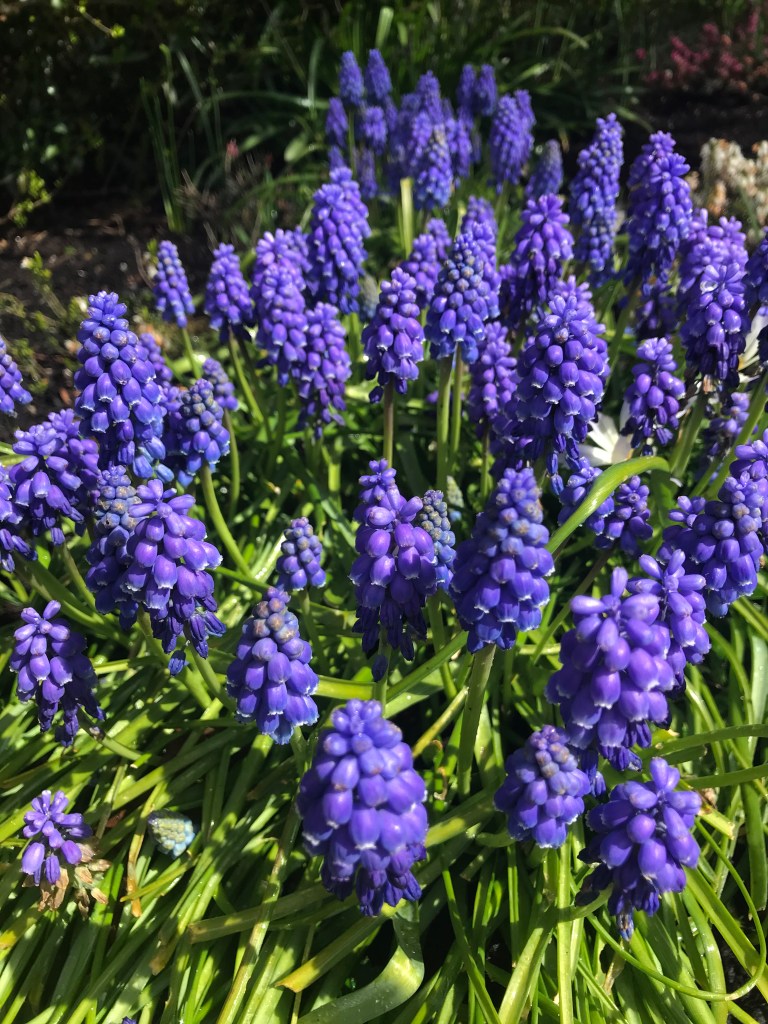
Grape Hyacinth
Forsythia
Hyacinth
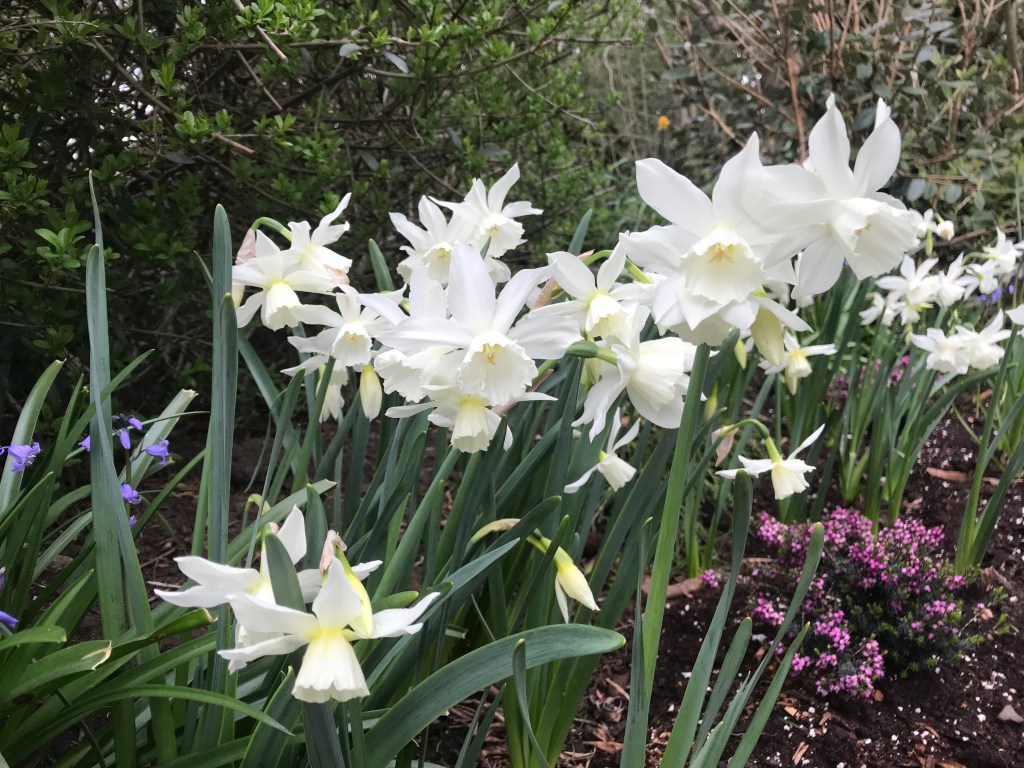
White Narcissi

This Blog post is not an Infomercial for Tourism Victoria – but it could be!

For now, please stay home, stay safe and healthy, and please keep spreading smiles, gratitude and generosity (…from 2 metres afar – thank you).

Closing by offering a smile, courtesy of our feathered friends (did we mention that Lucy is an avid birder!), in this three-minute video re-composition of Mozart’s Magic Flute, by ShakeUp Music. Enjoy! https://bit.ly/2UtXhT0.

Positive Energy from Nature

This seems like a good week for calming photos of birds, mostly North American. We are sharing positive energy offered by the natural beauty of our feathered friends, as captured by Lucy’s photography.

We hope our Readers are keeping healthy, safe and well, and that these photos are beneficial in the spirit in which they are offered – our contribution of positive thoughts and calming images to help keep spirits and resilience high, in these unsettling times.

You may need to view these photos on a computer, tablet or iPad if they do not show up on your cell phone. In general, the Blog shows better with each larger device and is much more complete should you ever decide to go to the Blog site itself at: friends4trees4life.com We post each Thursday morning. At the Blog site we have made quick links to older posts for you and have other links (e.g., Resources). If you find you have more free time right now, this might be a great time to read old blogs you may have missed, to share with friends, and even to offer us feedback and suggestions.

Maximizing the Survival of the Birds We Love and the Trees We Plant

Tree Canopies and Bird Survival

As we write this blog, we are all isolating ourselves at home because of the novel corona virus, and finding ways to keep calm. Lucy is thankful for the trees in her yard and the visiting birds with their songs, and, for the ability still to simply walk in nature to enjoy the trees and birds during this incredibly unprecedented and unsettling time. Lucy has taken a strong interest in birds and photographing birds, so also is thrilled to share some of the images here of the birds that live in the trees.

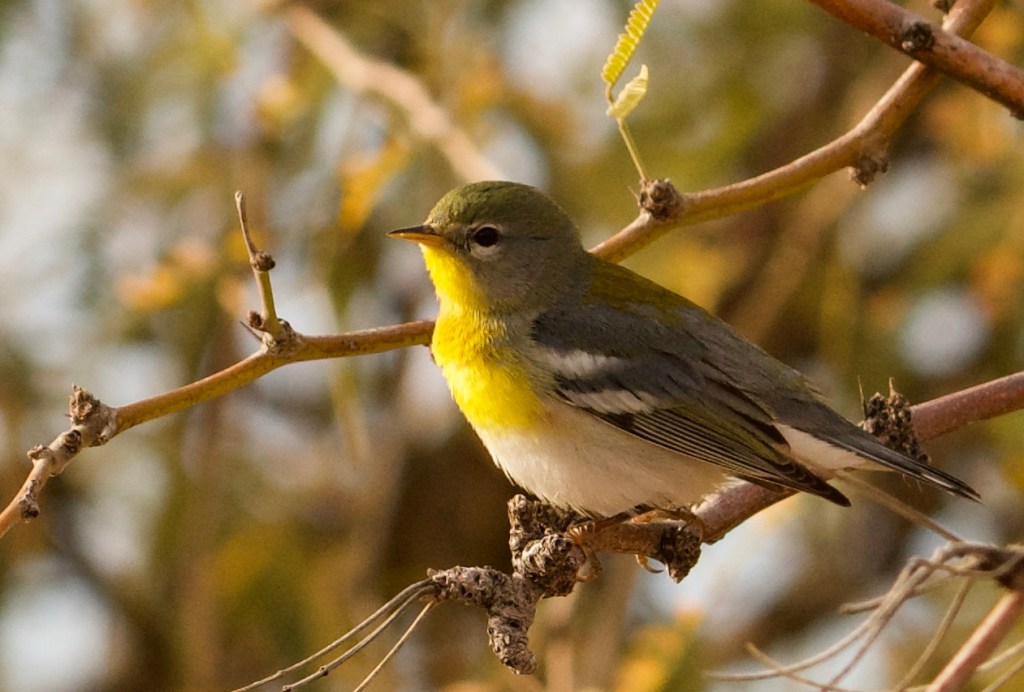
Northern Parula Warbler

Trees are critical for meeting the many birds’ basic needs for survival. Trees provide sap, buds, nuts and fruit for birds and host insects in bark and leaves. The leaves collect water for small birds to drink and many birds will rub against wet leaves to bathe. Thick branches and leaves provide shelter for birds in all weather and many birds roost in trees. Many cavity-nesting birds will drill holes in trees to nest, while others build nests on branches. 

Why Is Maximizing the Survival of Birds Important to Us in North America?

Birds have great personal and economic value to people. We are learning from many sources, including TheSpruce.com website, that one third of human food comes from plants that are pollinated by birds, butterflies and other wild pollinators. Birds also  disperse seeds and help to control rodents, insects, and other pests that would otherwise devastate crops, forests, and ecosystems. In Western N. America, Savannah Sparrows, Sage Thrashers, Egrets, and other birds help control grasshopper populations that would otherwise destroy many crops. In Eastern N. America, nesting Wood Warblers consume 84% of the eastern spruce budworm that would otherwise decimate forests.

Bridled Titmouse

So many people enjoy seeing birds in their yards, community, at the lake or ocean or while on holidays (e.g., forest hikes and nature reserves). The sound of their songs and their beauty are undeniably lovely, for the most part. They are entertaining to observe and are so complex in their variety and habits. Their flight patterns even feel poetic and balletic at times, as this short, beautiful yet eerie National Geographic video clip of the phenomenon of murmuration by starlings illustrates dramatically https://www.youtube.com/watch?v=V4f_1_r80RY. How far they migrate, what they eat, how they nest, their mating rituals, all these details are of great interest to people of all ages. Lucy loves to photograph them too, as do many people (https://bit.ly/2Qn14iA).

Long Term Study Shows Bird Loss in North America

A recent study shows that 30% of birds have disappeared in the USA and Canada since 1970. This is a loss of 2.9 billion adult breeding birds. “It’s telling us that our environment is not healthy for birds, and probably also not for humans”, according to Peter Marra, director of the Georgetown Environment Initiative. Basically, our birding habitats, food webs and patterns for survival are changing because of temperatures rising, low dose pesticides, fewer water sources, less grassland, and loss of trees. So-called ‘common birds’ – the species many people see every day – represent the greatest losses of birdlife in the study. There are 19 common species that have each lost more than 50 million birds since 1970.

Cornell Chronicle, Cornell University at: https://bit.ly/33onkxI.

The study notes that twelve groups, including sparrows, warblers, finches, and blackbirds, were particularly hard hit. Even introduced species that have thrived in North America, such as starlings and house sparrows, are losing ground. The losses include favourite species seen at bird feeders, such as dark-eyed juncos (little gray snowbirds that show up in backyards in winter, down by 160 million) and white-throated sparrows (down by 90 million). Meadowlarks are down 130 million from coast to coast. The continental red-winged blackbird population has declined by 92 million. In terms of forest birds in North America, 30 species are highly vulnerable, which is about 49% of breeding forest species. Once again it is expected the composition of our forest bird community will change markedly as the climate warms. On a happier note, water fowl and raptors are on the rise, and when an effort to protect certain species of birds has happened, it has been very successful. 

Research sources for facts and data cited above from: Mass Audubon at https://bit.ly/3d5hp57, and, Cornell University’s Cornell Chronicle, at: https://bit.ly/33onkxI.

What Can We Do To Prevent Bird Numbers From Decline?

This extensive research helps us understand the causes of bird loss and helps researchers identify strategies to prevent continuing bird numbers declining. As individuals there are two categories of activities that we are called to take action on in order to protect birds—and ourselves—from the most severe effects of climate change.  

  1. To avoid the worst effects of climate change we need to reduce greenhouse gas emissions at all scales, from individual actions to international agreements. Please consider, for example:
  • Reducing our personal carbon footprint. See our list of carbon calculators in our resource section of our blog.
  • Getting our communities to buy electricity from renewable sources, or advocating for this.   
  • Advocating for federal leadership to honor the Paris Agreement. 
  • Writing elected officials to encourage environmental and ecosystem stewardship in forestry practices.
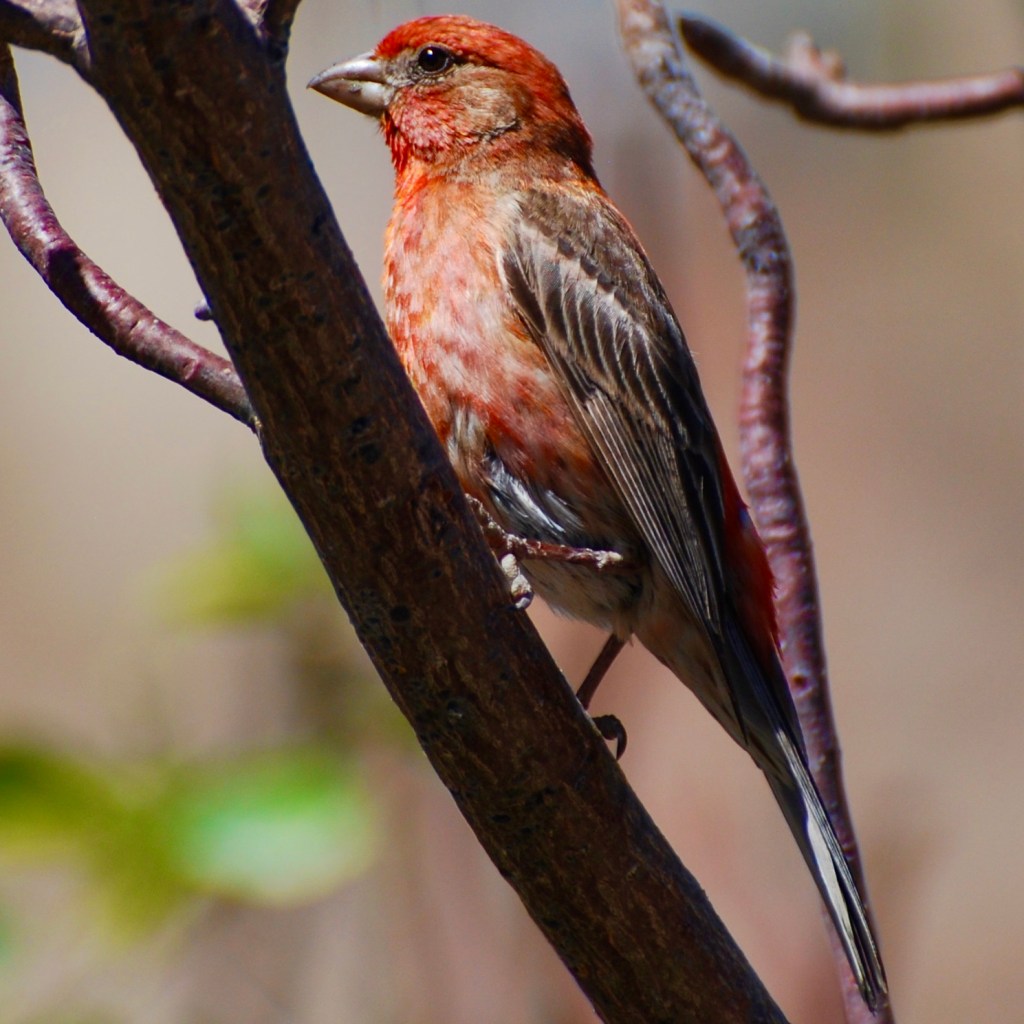
House Finch

2. Reducing existing stressors on ecosystems for bird life. Please consider, for example:

  • Keeping cats indoors, since each year, outdoor cats kill more than a billion birds in the US and Canada.
  • Reducing bird injuries and deaths from window strikes by placing feeders at least 25 feet from our homes, and using window decals to prevent collisions. We gave these decals out for Christmas gifts this year.
  • Drinking bird-friendly coffee. Buying and drinking certified bird-friendly, shade-grown coffee reduces stress on migratory bird habitat and natural resources. One place we use to order this certified coffee is through the Audubon Society.
  • Reduce the use of pesticides and herbicides on our weeds, grass and plants. When we visited Arizona we notice many people have gardeners and it is quickest for them to spray the weeds rather than pull them. This is so common, likely no one is thinking of the birds. As well exterminators spray for outdoor bugs like scorpions and other pests, again harming the birds and eradicating the bugs birds like to eat. Lucy is going to focus on stopping this convenience now that she has read that the birds’ systems are weakened from pesticides.
Red-Eyed Vireo
  • Landscaping our yards for wildlife. Since trees are so helpful to birds, adding the appropriate native trees to our landscaping will support and attract a wider variety of bird species that will see the yard as a sanctuary. There are three basic types of trees that can be fantastic for any bird landscaping: Deciduous trees, Coniferous Trees and Fruit Trees. We can choose trees appropriate for our soil chemistry and regional climate and native varieties are best. They will grow more quickly, be healthier, and be more easily recognized by local birds. It is considered best to opt for a variety of tree species to attract the most birds and plan to provide resources for them all year round. We also can choose trees that are a variety of heights, shapes and thicknesses to add variety to our bird-friendly landscaping. This will give birds many options to suit their different preferences. Native flowers and bushes are also great for attracting birds. Source: Mass Audubon, at: https://bit.ly/3d5hp57.
Hepatic Tanager

Maximizing Tree Planting Success

We hope that after reading this post you are now as hooked as we are about tree planting for climate action, landscaping beauty AND bird survival!

Perfect timing, since tonight marks the official start of spring, and — spring is the best time to plant a tree.

We are learning from “Master Gardeners” in Toronto for example, that deciduous trees “should be planted as early in the spring as possible,” and that they “generally require more maintenance,” such as pruning, than do coniferous trees.

Apparently, coniferous trees “prefer planting from mid to late spring when the soil has warmed up a little.”

Next week’s blog post will go into more detail about the range of factors to consider (e.g., what is the tree’s intended function in your landscaping – wind screen? privacy? summer shade?, and, selecting native species for your region and climate zone), plus, tips we are learning from the experts (e.g., signs of tree health to look for when making your choice at a reputable nursery), aimed at helping tree planters, including ourselves, to maximize tree survival rates.

And remember, in last December’s blog post on Tree Joys and Benefits, we learned about research findings on health benefits from spending as little as five minutes a day among trees (including urban trees). The Japanese government even has implemented the policy of Shinrinyoku (or forest bathing) to embed opportunities for time among trees in Japanese society.

Speaking personally, we both really appreciate the calming, renewing benefits of time in Nature and taking a moment to notice bird and tree life, all the more so, in these unsettling times.

Can’t wait until next week for garden planning?

Here’s a guide on “Planting a Tree,” by Toronto’s Master Gardeners to help get you going on your landscaping plans right away [https://bit.ly/33otvBU].

Happy official start to Spring 2020!

Forests – Mangrove; Boreal; Tax Incentives; & Pioneers

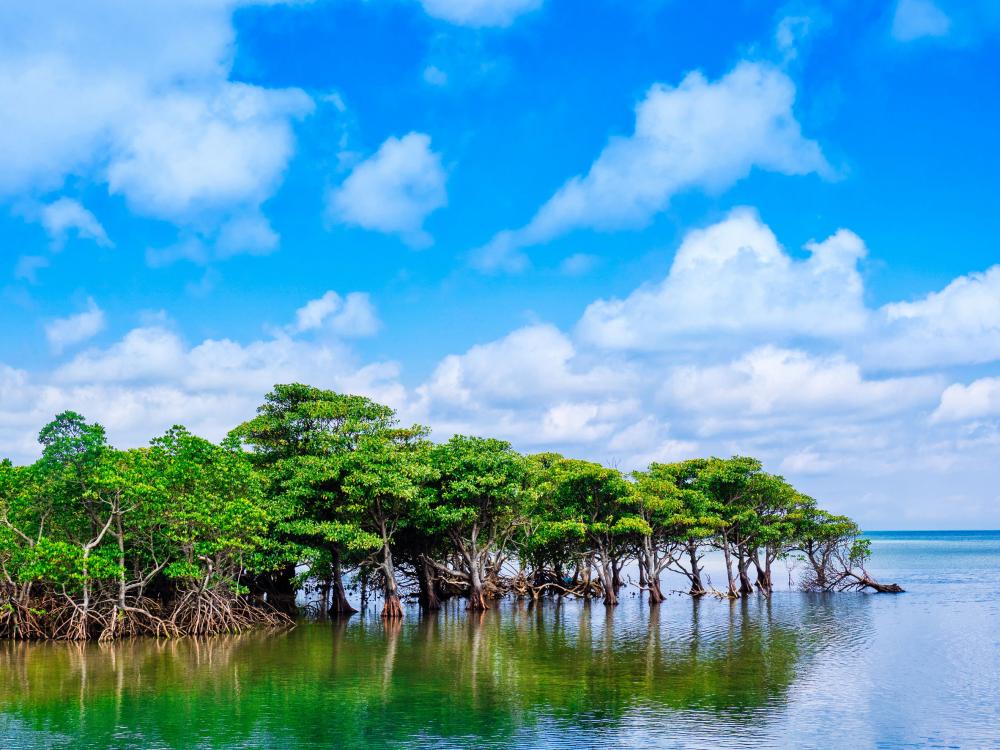
Mangrove Forests

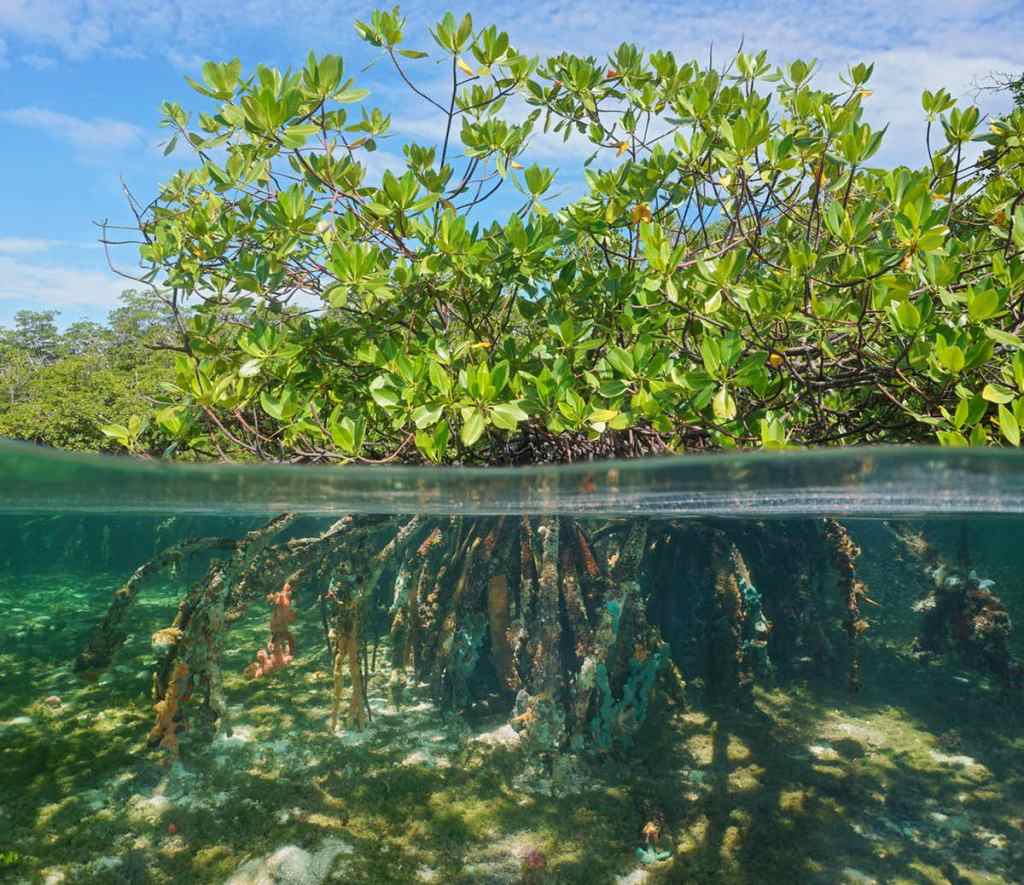
Mangroves are trees or shrubs that grow in salty water in hot places, specifically 1/3 of the tropics including Central America, sub-tropical Africa, Asia, and the southwest Pacific. Their twisted, tangled roots collect sediment, and over time the sediment may become islands or extend the shoreline. By slowing the movement of water and trapping sediment, mangroves help stabilize coastlines and reduce the impacts of storm waves and flooding, all which are growing threats as the climate changes. These distinctive trees also help reduce global warming because their rich, waterlogged soil can absorb and store a great deal of carbon. 

Mangroves’ special root-like structure stick out as far as 3 metres from the soil, and are covered in lenticels that are like breathing tubes taking in oxygen through their pores. Smaller roots, with air passages, move oxygen from the air to parts of the plant underwater. Mangrove roots give clear water to the coral by trapping dirt and they clean water by filtering land runoff and removing pollutants. The trees also protect the shoreline (and, through this, the coral reefs) from being eroded by storm waves. Mangrove thickets are a good place for many coral-reef fish, shrimp and crabs to grow. Source: Wikipedia: https://bit.ly/39yMTON

We are learning from Yale Climate Connections, however, that many mangrove forests are disappearing. About a third of the world’s mangroves have been destroyed over the past 50 years, so advocates say there’s a lot more to be done to protect and restore mangroves around the world. Ecoviva is part of a coalition restoring mangroves in El Salvador (https://bit.ly/2xmmq98).

Another restoration project is with One Tree Planted: to plant 1.5 million mangroves in the Sundarbans of India/Pakistan.  They report “Mangrove forests move carbon dioxide from the atmosphere into long-term storage in greater quantities than other forests, making them ‘among the planet’s best carbon scrubbers’ according to a NASA-led study based on satellite data.”

You can go to One Tree Planted to donate to this cause. Onetreeplanted.org
The Boreal Forest of Canada

As shown in the map, the huge Boreal forest makes up 60 percent of Canada’s land mass. Canada has about 25-30% of the world’s Boreal forest, the rest being found in the northern hemisphere in Russia, Alaska, northern Europe, Iceland, Mongola and Japan. We as a country are seen as leaders in science based research and practises in the management of the Boreal forest. Canada’s Boreal forest is central to the country’s natural environment, history, culture and economy. Canada respects and looks after its Boreal forest in many ways, including by setting aside legally protected areas, conducting scientific research and monitoring the state of the forests.

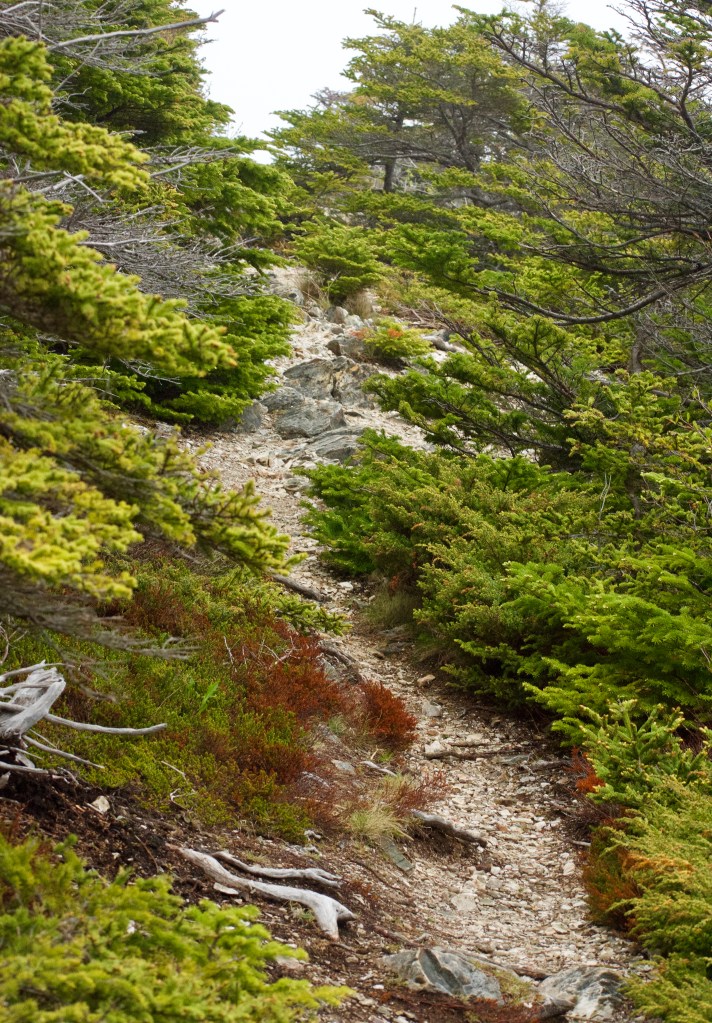
Most of the 20 tree species native to the Canadian boreal are conifers, with needle leaves and cones. These include: black spruce, white spruce, balsam fir, larch (tamarack), lodgepole pine, and jack pine. There are a few broad-leaved species of trees: trembling and large-toothed aspen, cottonwood, white birch, and balsam poplar. There are large areas of black spruce, a species which is tolerant of shallow soil, permafrost and waterlogged substrates, although as a consequence they have relatively low biological productivity. Owing to the short growing season, generally infertile and shallow soils, and frequent water logging, most of these forest types are slow-growing species. The lodgepole pine has suffered from the pine beetle. Surprisingly, even though the trees are generally young, the Boreal forest is very efficient in its carbon capture.

Although there are rather few species of trees in the Boreal forest, there is a considerable diversity of plants (1112 species), as well as 85 mammal species, 300 bird species, 32000 insect species, 130 types of fish and many reptiles and amphibians. It is an amazing and complex ecosystem. Source: Wikipedia: https://bit.ly/3aGdlpM.

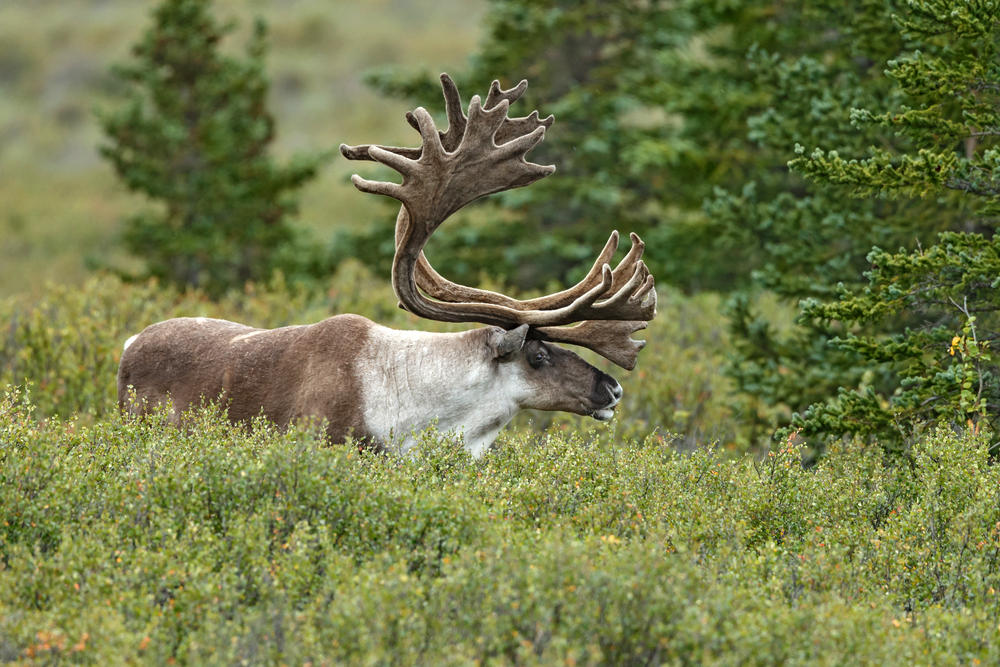
The Boreal woodland caribou, whose lichen-rich, mature forest habitat spans the Boreal forest from the Northwest Territories to Labrador, is designated as a “threatened species” by the Committee on the Status of Endangered Wildlife in Canada. David Suzuki writes that this is because of over logging of our forests and asks us to take action to encourage government to reduce this practice (https://bit.ly/2PZDdFl).

On Amazon.com The Untold Chronicle of a Reforestation Season

If you do not have Amazon.com for the video above, how about this free National Geographic Slide Show: Meet the people planting trees after Canada’s lumber harvest (https://on.natgeo.com/3cLaqyi).

As we read about the management of our Boreal forest, there are extremely differing views. Some would say our Boreal forest is at risk from industrial development (logging, mining, oil and gas, dams) and others will say our forest is now thriving because of sustainable forest management (that imitates natural disturbances). Unfortunately, there is the added stress of the pine beetle infestation and an increase in the size of fires the past few years in Canada due to global warming. Applying new research into practice and having greater accountability, we do think  we are moving towards a new balance of sustainability but the threatened caribou gives us reason for concern. Can we improve our practices fast enough? This is a heated issue and if it is one you are concerned about, you might want to address it in a letter with your members of parliament, (see our page with a sample letter) or respond in another way, by, for example, reading more on the topic or perhaps donating trees to Canada’s Boreal forest through, e.g., Tree Canada. We invite your feedback and ideas too, in our comments section. For more information posted on the Government of Canada’s website, at: https://bit.ly/2TzmQl6, and at BorealBirds.orghttps://bit.ly/2TNT4bb.

How the Boreal Forest Contributes to Canada’s Economy

Forestry is a $25 Billion industry in Canada. The heart of the Canadian forest sector is traditional forest products, including lumber, other solid wood products, pulp and paper and activities such as forest management and logging. However, with Canada’s commitment to clean technology and the transition to a low-carbon economy, Lucy was pleased to read that non-traditional forest products, such as advanced bio-products, are growing in importance. The Canadian forest industry is a major employer nationwide, employing over 200,000 people and its economic contributions are particularly important in many rural and Indigenous communities, where forest-related work is often the main source of income. In these communities, forestry jobs are crucial to ensuring economic sustainability. More information on the forest industry is available on the Government of Canada’s website at: https://bit.ly/332NWnQ.

World Wide Forest Management and Carbon Storage

A groundbreaking study found that “natural climate solutions” – the conservation, restoration, and improved management of land in order to increase carbon storage or avoid greenhouse gas emissions in landscapes worldwide – can provide up to 37 percent of the emission reductions needed by 2030 to keep global temperatures under that 2°C mark. That’s 30 percent more than previously estimated. There is, however, a catch: The world must act now. If we’re too slow to start better managing and protecting these natural systems, the inaction will damage Nature’s ability to help heal the planet. Source: Nature.Org at: https://bit.ly/2TSnWqY.

Managed Forest Tax Incentive – Ontario

If you are a Canadian citizen or permanent resident who owns at least four hectares of forested land in Ontario, you may be eligible for significant tax savings.

Ontario’s Managed Forest Tax Incentive Program (MTIP) is a program designed to increase landowner awareness about forest stewardship. It recognizes that certain forestlands may be privately owned, but may benefit all Ontarians.

The Ontario Woodlot website describes the program requirements and potential MTIP benefits to eligible landowners as:

“Landowners who apply and qualify for the program have their property classified and assessed as managed forest under the Managed Forest property class. The land is taxed at 25 percent of the municipal tax rate set for residential properties.

MFTIP is a voluntary program and in order to be eligible, landowners must:

  • own at least 4 hectares (9.88 acres) of forested property,
  • must prepare a Managed Forest Plan and have it approved by a certified Managed Forest Plan Approver,
  • and activities on the property must be carried out in accordance with “good forestry practices” as defined in the Forestry Act.”  https://bit.ly/2wF7LW6

For program details, guide, eligibility criteria and sample application forms go to the Government of Ontario website at: https://bit.ly/2v528jz.

Reforestation Pioneers

Canadian Botanist – Diana Beresford-Kroeger

Thanks to Reader Terry in B.C., last week we were introduced to Diana Beresford-Kroeger through a five-part series of articles written by Tyee’s Andrew Nikiforuk and published in the New York Times.

Her life-story makes for intriguing reading as much as her pioneering reforestation efforts and insights into the hidden life of trees. Here is what Good Reads writes in a review of Beresford-Kroeger’s book, “To Speak for the Trees: My Life’s Journey from Ancient Celtic Wisdom to a Healing Vision of the Forest,” –

“Canadian botanist, biochemist and visionary Diana Beresford-Kroeger’s startling insights into the hidden life of trees have already sparked a quiet revolution in how we understand our relationship to forests. Now, in a captivating account of how her life led her to these illuminating and crucial ideas, she shows us how forests can not only heal us but save the planet.”

“When Diana Beresford-Kroeger–whose father was a member of the Anglo-Irish aristocracy and whose mother was an O’Donoghue, one of the stronghold families who carried on the ancient Celtic traditions–was orphaned as a child, she could have been sent to the Magdalene Laundries. Instead, the O’Donoghue elders, most of them scholars and freehold farmers in the Lisheens valley in County Cork, took her under their wing. Diana became the last ward under the Brehon Law. Over the course of three summers, she was taught the ways of the Celtic triad of mind, body and soul. This included the philosophy of healing, the laws of the trees, Brehon wisdom and the Ogham alphabet, all of it rooted in a vision of nature that saw trees and forests as fundamental to human survival and spirituality. Already a precociously gifted scholar, Diana found that her grounding in the ancient ways led her to fresh scientific concepts. Out of that huge and holistic vision have come the observations that put her at the forefront of her field: the discovery of mother trees at the heart of a forest; the fact that trees are a living library, have a chemical language and communicate in a quantum world; the major idea that trees heal living creatures through the aerosols they release and that they carry a great wealth of natural antibiotics and other healing substances; and, perhaps most significantly, that planting trees can actively regulate the atmosphere and the oceans, and even stabilize our climate.”

“This book is not only the story of a remarkable scientist and her ideas, it harvests all of her powerful knowledge about why trees matter, and why trees are a viable, achievable solution to climate change. Diana eloquently shows us that if we can understand the intricate ways in which the health and welfare of every living creature is connected to the global forest, and strengthen those connections, we will still have time to mend the self-destructive ways that are leading to drastic fires, droughts and floods.” https://bit.ly/333rdYY.

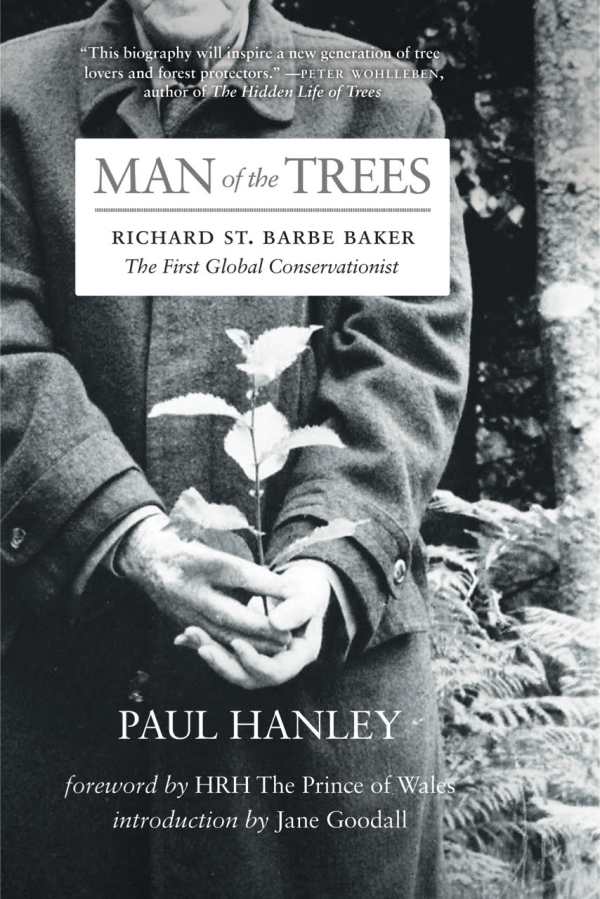
Man of the Trees – Richard St. Barbe Baker

Author Paul Hanley, as well as the International Tree Foundation might claim that the work of Beresford-Kroeger builds upon and follows the earlier pioneering efforts of Richard St. Barbe Baker, who some say is the original “global conservationist”. 
Hanley’s biography of this fascinating environmentalist is titled, “Man of the Trees: Richard St. Barbe Baker, The First Global Conservationist”. Barry Silverstein offers this positive review of it in ForewardReview.Com:

“Richly textured, Man of the Trees paints an intimate portrait of environmentalist Richard St. Barbe Baker.

Baker was a self-admitted “tree hugger” who, as early as the 1920s, pursued sustainable forestry and started Men of the Trees, the first international environmental nongovernmental organization. Paul Hanley’s biography faithfully follows Baker as he roams the world and innovates in forestry, instigating a dance for the planting of trees in Africa, working to save the redwoods in California, and envisioning the reforesting of the Sahara desert. The man revealed is passionate, driven, and fully committed to environmental conservation.

This biography is all the more fascinating because it delves into Baker’s psyche and his personal life. Hanley carefully documents Baker’s love of trees, which began during his childhood in England and never stopped. It brought Baker fame when, on a radio program, Lowell Thomas named him “the man of the trees” and notoriety when Baker influenced Franklin Roosevelt’s Civilian Conservation Corps.

Hanley chronologically traces Baker’s progression as an environmentalist until his death in 1982. As with many visionaries, some of Baker’s ideas were too advanced for his time, but today they are being realized. For example, “His vision of a green front against the Sahara ultimately came to fruition in the twenty-one nation effort to plant Africa’s Great Green Wall.”

Baker’s life was complex and at times “serendipitous.” He acted as “a catalyst, a wedge, a collaborator.” His Men of the Trees organization was renamed the International Tree Foundation and continues Baker’s mission to combat deforestation in Africa.
Man of the Trees is a finely drawn, well-executed biography of an important environmental figure.” https://bit.ly/2TwUFmW

Wikipedia describes St. Barbe Baker as, “…an inspirational visionary and pioneering environmentalist who is credited with saving and planting billions of trees.” He founded the international Men of the Trees organization after World War II, which was later renamed as the International Tree Foundation (UK) and continues its tree planting work around the world to this day. Read what the Foundation has to say about Why Trees Matter at: https://bit.ly/3cFmj8J.
Both Beresford-Kroeger and St. Barbe Baker have strong Canadian connections – Diana Beresford-Kroeger is a Canadian living in Ontario, and St. Barbe Baker is buried at Woodlawn Cemetry in Saskatoon, Saskatchewan. According to Wikipedia, “Saskatoon City Council in 1979 celebrated the achievement and distinction of Baker naming the afforestation area preserved in perpetuity in Saskatoon (south of the CNR Station) in his honour – the Richard St. Barbe Baker Afforestation Area. Richard St Barbe Baker’s papers, manuscripts, personal correspondence, forestry and conservation activities, photographs and fonds are preserved at the University of Saskatchewan Archives and Special Collections Room.” https://bit.ly/2TOjo4T.

Perhaps, as we learned earlier, since the huge Boreal forests occupy 60 percent of Canada’s landmass, it may be only fitting that Canada is also home to such eminent and leading botanists and inspirational tree experts and advocates as St. Barbe Baker and Beresford-Kroeger.

FYI, at a Reader’s suggestion (thank you), we have added a new Menu item called “Quick Links to Old Posts“.

We try to end each post with a good news story.

We are encouraged by what the possibilities might hold in future for greater momentum, innovation and resolve to stop the world’s climate crisis, sponsored in part by a big boost in climate change philanthropy – to the tune of $10 Billion (!) – via the new Bezos’ Earth Fund, announced in February 2020. This article in the Verge (https://bit.ly/39Du3q0) as well as this BBC interview with Professor Elizabeth Robinson at the University of Reading, begin to imagine where best to invest these new funds, for the best ROI on behalf of Planet Earth and all our futures…..https://bbc.in/39FIbyJ.

Just in time for this week’s post focused on forests, we learned that in 2012 the UN began designating every March 21 as International Day of Forests.

The UN’s website, titled Too Precious to Lose, explains why – “When we drink a glass of water, write in a notebook, take medicine for a fever or build a house, we do not always make the connection with forests. And yet, these and many other aspects of our lives are linked to forests in one way or another.”

Forests, their sustainable management and use of resources, including in fragile ecosystems, are key to combating climate change, and to contributing to the prosperity and well-being of current and future generations. Forests also play a crucial role in poverty alleviation and in the achievement of the Sustainable Development Goals (SDGs)…”

“…Forests are the most biologically-diverse ecosystems on land, home to more than 80% of the terrestrial species of animals, plants and insects.”

Yet despite all of these priceless ecological, economic, social and health benefits, global deforestation continues at an alarming rate.

Readers may wish to learn more on this at: https://bit.ly/2xsDUAB and/or watch this one-minute video clip profiling the 2020 theme for International Day of Forests as ‘Forests and Biodiversity’ (https://bit.ly/2TIFF5o). For mystery-lovers, seven secrets that forests are keeping from us may be discovered here at https://bit.ly/2IGyBjv.

March presents us with an opportunity to reflect on the importance of forests to our lives, as we prepare to celebrate Earth Day on April 22, 2020 – less than six weeks away.

Next week’s Blog post will look into tree canopies and bird survival, and what contributes to effective tree planting and survival rates.

Food Waste and Climate Change

Being a “foodie,” Catherine is motivated to learn more about the food waste and climate change connection, and to take personal action to reduce her family’s “foodprint” (or, food-related carbon footprint).

She is inspired by what she learned at a recent documentary screening and panel discussion on the topic. The one hour film, WASTED! The Story of Food Waste is excellent, well worth the time, and amazingly also is available free on CBC’s web-site.

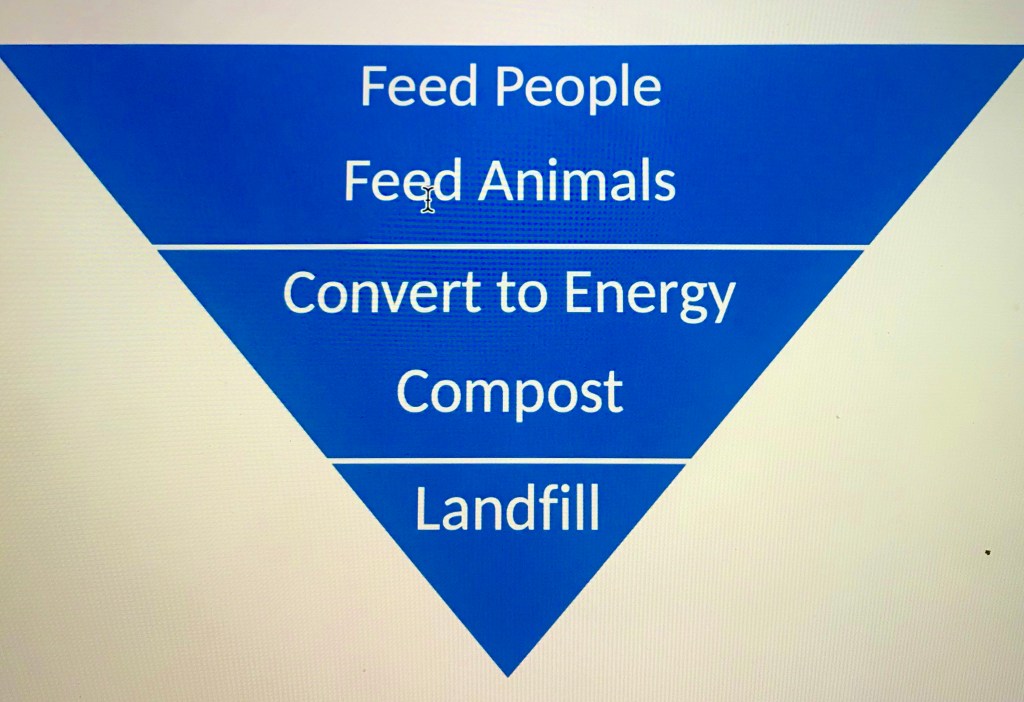
Inspite of the staggeringly depressing opening central fact of the documentary – that one-third of all food grown for human consumption ends up in the garbage (for Canadians, it is even worse at 60% of all food produced being lost and wasted annually !) – it actually ends up being quite an upbeat film, as narrator Anthony Bourdain (R.I.P.), and other celebrity chefs educate viewers about the various dimensions of the problem, while spot lighting innovations and solutions happening around the world where individuals, farmers, chefs, entrepreneurs, non-profits, and governments are rising to the challenge and are tackling the (avoidable) food waste –  carbon emissions problem at every level. One take-away from watching the documentary is the idea of food capture, and the inverted pyramid of priorities for re-directing food, before it is wasted:

The goal at all costs is to avoid sending food waste to become garbage in landfills, where it emits methane as it decomposes, a greenhouse gas that is 23 times worse for global warming than is carbon dioxide.  Sadly, the statistic cited in the documentary is that, in the US, 90% of food waste ends up in landfill.

How long does it take for lettuce to decompose in landfill? The answer is startling and disconcerting: https://bit.ly/2vwzjge.

There is good news, however.

Just as tree planting (or donating) for carbon capture is something individuals may act on right away to make a difference for climate change–no need for more research, committees, legislation or policy—although spring weather for planting helps.  So, too, it is possible for individuals to contribute to slowing global warming through our personal actions to avoid and reduce food waste. And, we even stand to save money (estimated by Canadian researches as up to $1700 per household per year) while doing our part to save Planet Earth.

If you are a Torontonian (or Edmontonian, see below), there is even more good news and another reason for civic pride.

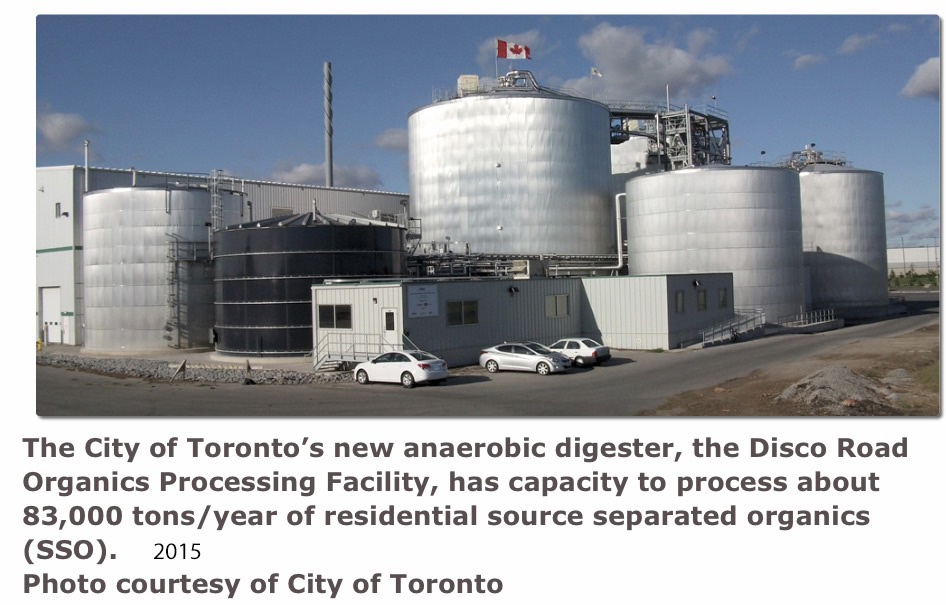
Catherine learned from the Food Waste panel event she attended as research for this Blog post about Anaerobic Digesters and Renewable Natural Gas (RNG). Apparently, the City of Toronto is an Innovator in North America through its implementation of leading edge methods for managing our Compost waste. The City has an Anaerobic Digester which processes the compost that residents put out in our green bins on garbage day and converts it into RNG, which fuels the garbage trucks that pick up our trash. How cool is that!

The World Economic Forum thinks it’s pretty cool, and profiled our Closed Loop Digester system in this article: https://bit.ly/2I5utJB.

This article by SoCalGas, explains what is Renewable Natural Gas (RNG) and why it is carbon-neutral, and in some cases, such as in capturing and converting food waste, it is even carbon-negative: https://bit.ly/2vlndXk.

CBC also explains what happens to food waste in Toronto’s anaerobic digester in these two articles: https://bit.ly/38cvudp, and, https://bit.ly/2wkINeo.

And now there are more of these being built in Canada, Lucy is happy to read that Edmonton has one too! The brand new High Solids Anaerobic Digestion Facility (HSADF) has been recognized with the Canadian Construction Association’s (CCA) 2018 Environmental Achievement Award. Maple Reinders is recognized for its  success in implementing environmentally sound practices, and for their work in communicating sustainable approaches. For instance, it reuses the methane produced from the waste to generate heat and electricity for the facility and soon Edmontonians will use a new green bin compost program with the plans to divert 90% of waste from landfills https://bit.ly/32L80Lk.

Food Waste and Climate Change

Some sobering facts from this UN primer: If world food waste were a country, it would be the third largest carbon emitter in the world, after first place China, and second place, US. Unfortunately, Canada also is among the top ten countries in carbon emissions https://bit.ly/2vvUGhz.

Research by Second Harvest, “The Avoidable Crisis of Food Waste,” quantifies that fully one-third of food that is lost and wasted in Canada annually is “avoidable and is edible food that could be redirected to support people in our communities. The total financial value of this potentially rescuable lost and wasted food is a staggering $49.46 billion.” The 30-page solutions-oriented Roadmap report is here: https://bit.ly/2VAXiWk and, for Readers who want to delve deeper, the detailed, 122-page Technical report is here: https://bit.ly/2PyR3OM.

While addressing the two-thirds of food waste and loss that occurs during production and distribution is beyond the direct control of individual concerned citizens to alter, fully one-third of food waste and loss is within the direct power of consumers to impact positively.

As a public service alert, we want to profile information on page 13 of the Roadmap Report, which identifies barriers to rescuing and donating food, including confusion between “expiry” and “best before” dates. According to the report, in Canada, “only five foods require expiry dates: nutritional supplements; meal replacements; baby formula and other human milk substitutes; pharmacist-sold foods for very low-energy diets; and, formulated liquid diets.”

“Best before” dates do not mean “bad after”. (Typically, the dates are for inventory control).

The Roadmap report states that, “(F)ood with best before dates are safe to eat past the date if they are unopened and stored at the proper temperature. Foods past the best before date can also be donated to food rescue programs, if Public Health guidelines are followed.

Innovation – Toast Ale

We hope these tasty suds come to a nearby pub soon so we can add beer drinking to our personal climate action plans!  Toast Ale was profiled in the Wasted documentary. You can learn their story of taking bread waste and turning it into ale here: https://bit.ly/2TbHZ4z.

Massimo Botttura is one of the celebrity chefs profiled in the food waste documentary. He is tackling the issue of food waste in the restaurant industry in many ways and expanding his actions to several countries. You can learn about his “Food for Soul” project and Refettorios and Social Tables at: https://www.foodforsoul.it/.

Innovation – Le Curve Pasta

Bottura’s innovative “Le Curve Pasta,” is apparently available at Eataly stores. Now that Catherine knows about it, and since Toronto now has its own Eataly, she plans to look for Le Curve Pasta the next time she is in the vicinity of Bay and Bloor Streets https://bit.ly/2I98FwC.

Media Choices

Readers may prefer different media formats and approaches to learning.

In this spirit, we are pleased to be able to offer different options for Readers who may be interested in learning more.

Video: “Wasted: The Story of Food Waste”, available on CBC’s website (one hour) at: https://bit.ly/2I7YMiD

Article: “South Korea once recycled 2% of its food waste. Now it recycles 95%,” by the World Economic Forum https://bit.ly/2TalZqW.

Why Trees Matter

Articles: Five-part series by Tyee’s Andrew Nikiforuk on his conversations with “globally bestselling (Canadian) botanist, author and filmmaker, Diana Beresford-Kroeger, ranging from plant medicine to climate change to healing the planet and the human heart.” February 24: https://bit.ly/3ac8PiG; February 25: https://bit.ly/2TaGALC (Flawed thinking that got us to climate change); February 26: https://bit.ly/39eTSw7 (Mother Trees); February 27: https://bit.ly/39bfee4; and, February 28: https://bit.ly/32CvxOw (If We Plant a Billion Trees to Save Us They Must Be Native Trees). Thank you, Reader Terry for putting this author and these thoughtful articles on our radar!

Podcast:  The BBC examines “the extent to which planting trees could help to mitigate climate change” with interviews by Professor Tom Crowther (ETH Zurich University), Darren Woodcroft (Woodland Trust, UK) singer Inna Modja and Dr. Susan Cook (The Nature Conservancy, US) https://bbc.in/32Gmufs.

Poem and poetry reading: One of Catherine’s favourite poets is Mary Oliver. Her poem, “When I am Among Trees,” is presented and read by Amanda Palmer, at:  https://bit.ly/3acc2Pg.

Next week’s Blog post will include more profiles of our favourite trees, tax breaks for large-scale tree planting and a book recommendation by Vancouver Reader Terry.

Last word and line, to Mary Oliver — “You too have come into the world to do this, to go easy, to be filled with light, and to shine.”

Just eight weeks until Earth Day on April 22, 2020.

Trees We Know and Love….

Canadian Provincial Trees (and Birds)

We found this chart interesting, learning about the symbolic trees of our beautiful country of Canada. We have randomly picked a few trees to feature this week, not only because trees are incredibly amazing from a carbon capture standpoint, and not just because our blog is generally about trees, but because trees have so much history and so many purposes not to mention stunning beauty. Lucy is a birder too, so we thought, why not list the provincial birds as well.

  • British Columbia- Western Red Cedar and Stellar Jay
  • Alberta- Lodgepole Pine and Great Horned Owl
  • Saskatchewan-White Birch and Sharp Tailed Grouse
  • Manitoba- White Spruce and Great Grey Owl
  • Ontario- Eastern White Pine and Common Loon
  • Quebec- Yellow Birch and Snowy Owl
  • New Brunswick- Balsam Fir and Black Capped Chickadee
  • Nova Scotia- Red Spruce and Osprey
  • Prince Edward Island- Red Oak and Blue Jay
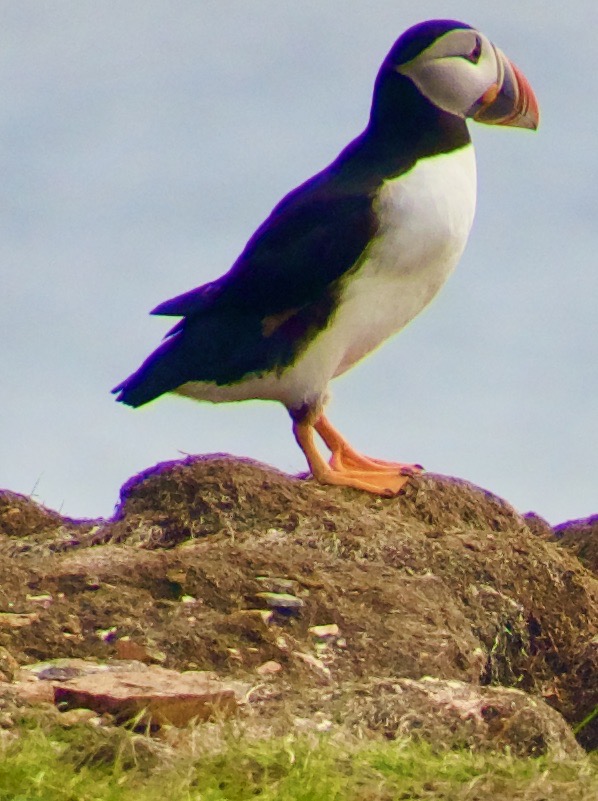
  • Newfoundland/Labrador- Black Spruce and Atlantic Puffin
  • Yukon- Subalpine Fir and Common Raven
  • Nunavut- possible candidate is Willow and Rock Ptarmigan
  • North West Territories- Tamarac Larch and Gyro Falcon

Source: Wikipedia at: https://bit.ly/32nGT8Q.

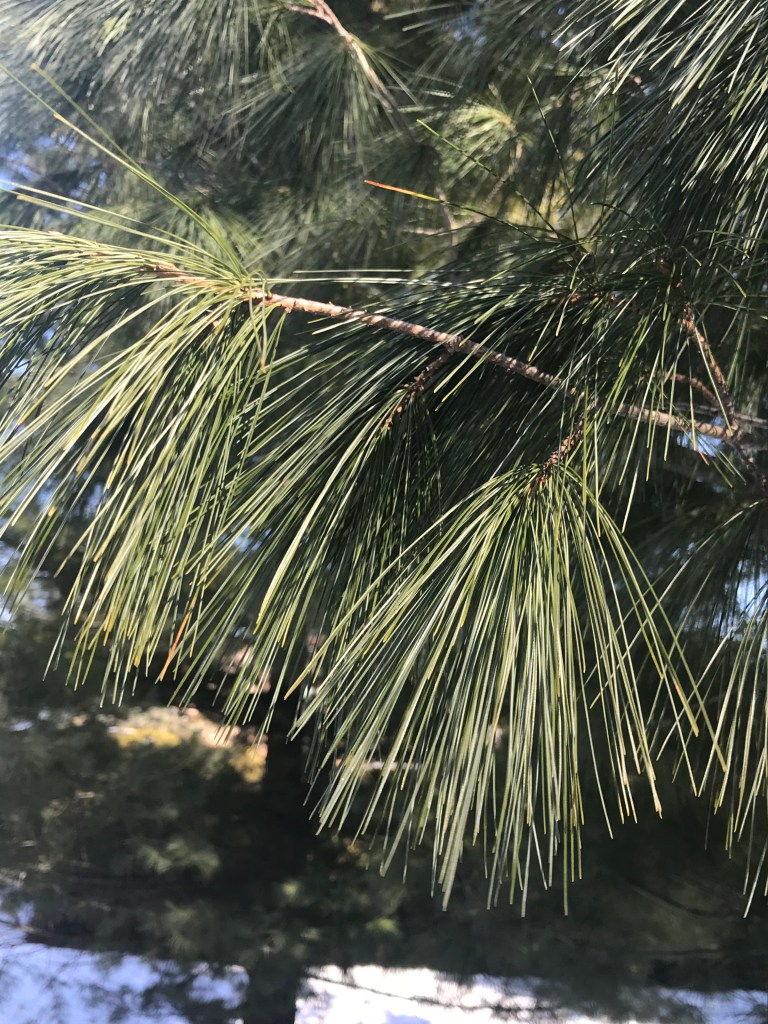
Eastern White Pine (Pinus strobus)

To watch this pine tree blow in the breeze is a thing of beauty so Lucy was not surprised to be told it is the subject of paintings by the Group of Seven. The Eastern White Pine is the Provincial Tree of Ontario and is known as the “tree of peace”. (These tree facts make Ontario resident Catherine very happy to know now; she would agree that this favourite tree does indeed evoke feelings of peacefulness and is aptly named.)

According to Wikipedia, this pine is only seen in the eastern part of North America from Newfoundland to Manitoba and south along the Appalachian Mountains as far as northern Georgia. It can live over 400 years and grow over 200 feet tall. The seeds of this tree came from England to Maine in 1605. It is somewhat resistant to fire, and mature survivors are able to re-seed burned areas. It is a tree of low maintenance.

This pine tree has been overly forested in past for lumber for paneling, floors and furniture, as well as for masts, and for turpentine, so only one percent of these trees remain. It has also been used for medicine like to treat dandruff and for food for the native Americans who use its inside trunk for flour, and pine cones in stews, as it is loaded with vitamin C. (Allan is now worried that Lucy is going to serve him pine tree stew, but luckily for him it is a protected species). Smaller trees are used as live Christmas trees and the branches for wreaths and garland because of their soft feathery needles. This beautiful pine tree provides food and shelter for numerous forest birds, such as the red crossbill and small mammals such as squirrels https://bit.ly/2STIOis.

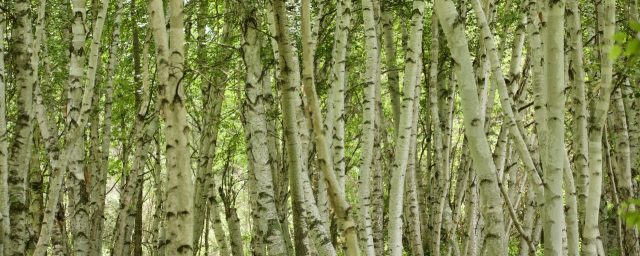
Birch (Betula)

We want to credit Allan (Lucy’s partner), who suggested right from the start of our co-blogging adventure that the heading of our blog’s home page should feature the Birch Tree as it is a beautiful northerly species with which all Canadians can identify. Birch groves, as seen above, are becoming far less common. The White Birch is the tree of Saskatchewan and the Yellow Birch, as seen at the start of the blog, is the tree of Quebec.

Wikipedia describes that the Birch tree contains 60 varieties of a thin leaf deciduous hardwood that is found in the Northern Hemisphere, particularly in northern areas of temperate climates and in boreal climates (including northern Europe). The characteristic bark is white which separates into thin papery plates. There are many uses for the birch including: plywood, leather oil, wintergreen fragrance, diuretic tea, lightweight canoes, bowls and wigwams, firewood that does not “pop”, sap for syrup, writing paper (in India), speaker cabinets (with Baltic Birch), and for drums, guitars and mallets.

The birch is the national tree of Finland and Russia. In Celtic cultures it symbolizes growth, renewal and stability because the birch are often the first trees to appear after fire. Unfortunately many hay fever sufferers are sensitive to birch pollen grains https://bit.ly/3c6GeNG.

The Ontario government’s website provides more information and photos to help Readers distinguish the White Birch at https://bit.ly/2PjIvLu, from the Gray Birch https://bit.ly/2VgZBxi and the Yellow Birch https://bit.ly/37Yfs6Z.

The US Forest Service website (https://bit.ly/3a9DNb4) offers a wealth of tree information, including this piece on how to grow and maintain a birch tree, https://bit.ly/2HZ8eoA.

Oak Tree (Quercus)

Wikipedia tells us there are 600 species of Oak with New World Oak in North America and Old World Oak in Eurasia. The mighty Oak has many religious, cultural, political, historical, and regionally important meanings, all throughout the world.

Given its density, the Oak is a strong, hard wood, and, with appealing grain markings, it has many uses including: panelling, fine furniture, building frames, veneer, wine and brandy barrels, Japanese Yamaha drums, and leather tannin, to name just a few.

Unfortunately, many species of oaks are under threat of extinction in the wild, largely due to land use changes, livestock grazing and unsustainable harvesting. For example, over the past 200 years, large areas of oak forest in the highlands of Mexico, Central America and the northern Andes have been cleared for coffee plantations and cattle ranching. There is a continuing threat to these forests from exploitation for timber, fuel-wood and charcoal. In the US, entire oak ecosystems have declined due to a combination of factors still imperfectly known, but thought to include fire suppression, increased consumption of acorns by growing mammal populations, herbivory of seedlings, and introduced pests. In a survey cited on the Wikipedia page, 78 wild oak species have been identified as being in danger of extinction. Further, the proportion under threat may be much higher in reality, since insufficient information about over 300 species makes it near impossible to form a judgement of their status. In the Himalayan region of India, oak forests are being invaded by pine forests due to the increase in temperature.

Here is a cool fact about Oak Trees: mature Oak trees shed varying numbers of acorns annually. Scientists suggest that shedding excess numbers allows the oaks to satiate nut gathering species which improves the chances of germination. Every four to ten years, certain oak populations will synchronize to produce almost no acorns at all, only to rain them down excessively the following year, known as a “mast” year. The year preceding the mast year is thought to starve off the mammal populations feeding on the supply, thereby increasing the effectiveness of the overproduction in the mast year that follows. This is necessary to the survival of any given oak species, as only one in 10,000 acorns results in an eventual tree https://bit.ly/2VlxIV0.

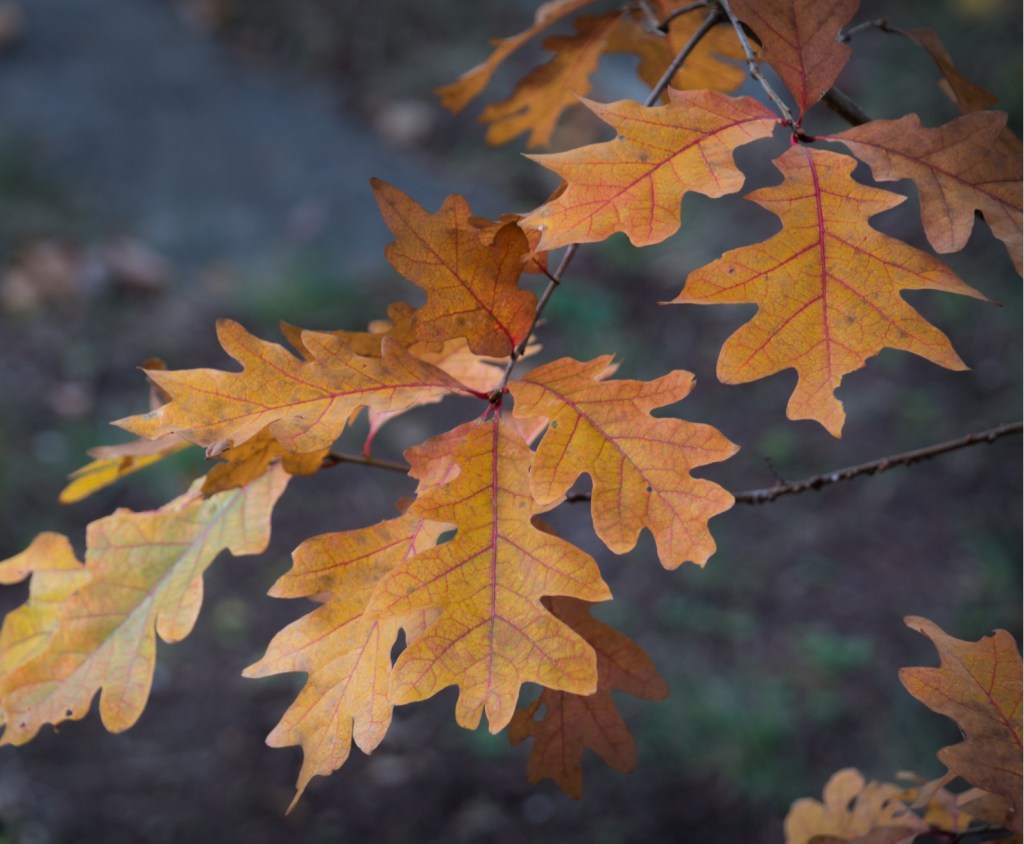
Thanks to the Ontario government’s website, Catherine was able to learn about, and start to see differences among, the Black Oak leaf https://bit.ly/2PgwAyg, the Burr Oak https://bit.ly/2TcKKBB, the Pin Oak https://bit.ly/2SQjFFk, the Red Oak https://bit.ly/38VpOWa, the Swamp White Oak https://bit.ly/2wEz2bb, and her favourite leaf of all – the White Oak https://bit.ly/38UdWny.

Giant Sequoia (Sequoiadendron giganteum)

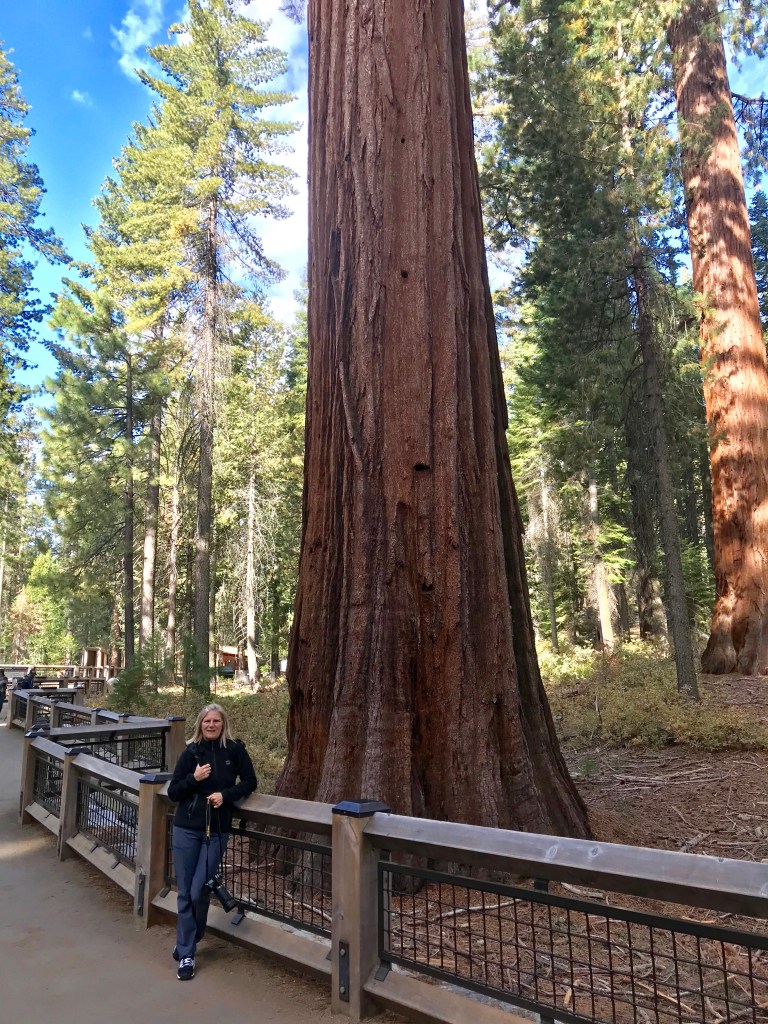
The Sequoia is one of the three species of coniferous trees known as Redwoods. Lucy recently visited a grove of these trees in Yosemite National Park. They are the most massive trees on Earth growing up to 280 feet tall, with a diameter of 26 feet and a bark 3 feet thick. Sequoias are found only in the 70 scattered groves on the western slopes of the Sierra Nevada Mountains of California. The oldest known Giant Sequoia is about 3200 years old making the sequoia the oldest living organisms on Earth.

We learned from Wikipedia that this huge tree may have as many as 11000 cones a year and the winged seeds may fly as far as 600 feet from the tree. Their bark is unusually fire resistant and their cones will normally open immediately after a fire. The cones also open after beetles or squirrels damage them. Sequoias are principally used for tourism and horticulture as they tend to break apart on impact when cut down, making them poor sources of lumber https://bit.ly/32vdBp2.

Catherine, too, has been fortunate to experience the magnificence of the old growth Redwoods, in her past travels to Muir Woods, just north of San Francisco. The awe-inspiring and ‘spiritual’ moment she witnessed in the morning stillness as rays of sunshine beaming through “Cathedral Heights” lit up individual droplets of morning mist hovering between these graceful giants, stays in her mind’s eye to this day.

This image from the Muir Woods website conjures up treasured memories of the amazing quality of light and tranquility that she recalls from her time spent among these Sequoias. She relates to this quote by Charles Darwin posted on the website — “Among the scenes which are deeply impressed on my mind, none exceed in sublimity the primeval forests undefaced by the hand of humans…no one can stand in these solitudes unmoved, and not feel there is more in humans than the mere breath of his body.” https://bit.ly/2VltQ6q

We found this cool site – Mother Nature Network – that features photos of 10 of the world’s oldest trees, including “General Sherman,” the world’s oldest Sequoia https://bit.ly/3a2RfxH.

Readers may want to try out tree identification Apps when out hiking or walking in Nature. LeafSnap is one such App created by Columbia University, the University of Maryland and the Smithsonian Institute, as a tool to help curious nature explorers identify the trees they are encountering. The App includes information on 185 species that are native to northeastern United States and Canada, and offers a three-day trial for free https://bit.ly/2Piv0vE. Learn more about LeafSnap and two other Apps in this review posted on the Evergreen Aborist Consultants’ website at https://bit.ly/2PsY97B.

Tree Challenge: Can you name this tree?

Next week our Blog post will delve deeper into the climate change and food connection.

Ready for Earth Day 2020 on April 22nd ?

We are inspired by the optimism and energetic call to action by the Earth Day Network organizers, as expressed on the official website in preparing for the 50th anniversary of Earth Day on April 22, 2020 –

“The world needs you and your actions….There is much you can do to help protect and restore our planet, from joining a cleanup or climate strike, taking part in the world’s largest citizen science initiative, to hosting an event in your own community…”

Earth Day 2020 can be the catalyst that galvanizes an unparalleled global collaboration.”

As we learn more about the history of Earth Day, which started by the actions of just three people, leading to 20 million Americans (10% of the US population at the time) lending their voice and their actions for the inaugural Earth Day on April 22, 1970, and growing over fifty years to a movement that now involves 1 billion people worldwide in 193 countries, the longstanding global Event is truly awe-inspiring we feel. This history,  impact and growing reach holds much promise for realizing this year’s goal that indeed “Earth Day 2020 can be the catalyst that galvanizes an unparalled global collaboration” to protect and restore our planet.

Let’s join forces with one billion global citizens who care. In our personal and local spheres of influence, on April 22nd, let’s assert our influence, in whatever way is personally meaningful and relevant, and take personal action, united with fellow global citizens for Earth Day 2020’s common theme of “climate action.” Who knows – with enough momentum worldwide, maybe Earth Day 2020 will be just the tipping point we all need. We won’t get there by holding back….unless of course, it’s green house gas emissions we’re curtailing!

Read more about the Earth Day Network’s vision for change at: https://bit.ly/39IlauT and their mission for all to benefit, at https://bit.ly/2SCicCl.

John Heritage, one of three founding members of the first Earth Day in 1970, shares his thoughts and aspirations for Earth Day 2020 here, https://bit.ly/2HDgFWg.

Readers may want to learn more about Earth Day Network’s successes across fifty years, including 2.6 billion acts of green, https://bit.ly/37GFfQS.

Our first post and overall blog purpose focuses on Why Trees Matter. Watch this three minute video clip by Greta Thunberg and George Montbiot on the same topic – https://bit.ly/2P40a9O.

Maybe video games and Hollywood are more your thing. Fan of Matt Damon? Hear how he and other celebrities such as Danny Devito, lend their voices through Champions for Earth – Angry Bird Friends, on this quick video clip – https://bit.ly/2wwJzW5.

We’ve brainstormed some ideas that you may wish to consider as you make your personal plans for marking Earth Day 2020 on April 22, 2020 –

Some Suggestions for Possible Earth Day 2020 Personal Action

Take a moment for yourself and to appreciate Nature’s offerings to us all. Breath in deeply.

Survey your surroundings and stop for a moment to look at, e.g., a tree bud, the blue sky, a bird in flight.

Plant a tree, gift a tree, tribute a tree.

Learn about the Earth Day Network Tree Canopy Project at https://bit.ly/2uO0KSv and/or how you might get involved in supporting your local municipality’s tree canopy projects.

Plan your spring garden. Start germinating those tomato and pepper seeds.

Learn more about trees that are very efficient “carbon sinks,” tree species that contribute needed diversity in your region and/or about tree pollinators, trees, soil, ecosystems, and low carbon foods and production methods.

Check out Earth Day Network’s world map and event list https://bit.ly/2V1VSnd.

Check out Earth Day Canada’s event list https://bit.ly/325n5XE   and  at https://bit.ly/3bRXy8K.

Check out opportunities to participate in local Earth Day 2020 activities in your community. In Toronto, these include, for example, free “family friendly, earth ball making workshops” at the Gardiner Museum on April 22 from 6:30 to 8:00 p.m. https://bit.ly/2uWxhWn, various activities on April 25 from 12 pm to 4 pm at the Toronto Botanical Gardens (e.g., helping to plant the teaching garden, tours of the ravine), and a whole day of Earth Day activities on Sunday, April 26 from 10:30 a.m. to 3:30 p.m. at Downsview Park, e.g., nature art activities, campfire singalongs, live music, meet a beekeeper, free book swap and more, https://bit.ly/2ubZTL1.

In Edmonton, learn more about ‘forest bathing’ on April 21 at Spruce Grove’s Kiwi nurseries’ Intro to forest bathing https://bit.ly/2SDyGdm.

Or, perhaps read an article or a report. Do some online research into a topic that interests you.

Deepen your understanding about global warming and climate change, including what scientists identify as  impactful actions that individuals, groups, corporations and governments can do to make a difference. Some websites to get started on, include, for example, Suzuki Foundation Climate Solutions https://bit.ly/2P4zq9t, UN Climate Change https://bit.ly/2v0pFSC, The International Council for Science and Climate Change https://bit.ly/2vKV6AF and Nasa: Global Climate Change at https://go.nasa.gov/38KKIXY.

Have your say. Let your voice be known, by, for example, joining a campaign and/or emailing your elected representative of Parliament to let them know your views and priorities for government investments on Canada’s climate action plan. For example, letter writing tips are offered in the Take Action section of the Suzuki Foundation Climate Solutions website at https://bit.ly/2V2NR1q and various campaign links are profiled on Earth Day Network’s official site https://bit.ly/37K7z4E.

Calculate your carbon footprint using this carbon calculator  https://bit.ly/2SHd1Bb or one of the others in our Blog’s Resources section, and consider steps you might take to reduce it.

Calculate your carbon “foodprint” using one of these three calculators and decide what if any action you might be motivated to take to reduce food-related carbon emissions based on this new information and awareness https://bit.ly/3bLceXz. Low carbon tips to eating choices are offered here https://bit.ly/2HBMwH0.

Enlist a buddy and start to plan your own Earth Day 2020 event. Join EarthRise and receive updates and download the free Earth Day 2020 posters and logos available at https://bit.ly/2P5Wg0l.

Register your event so others may know about it at https://bit.ly/39O3GwW.

Add a shout out or comment to our Blog and let other Readers know your ideas for marking Earth Day 2020.  Together, let’s join forces with one billion other concerned global citizens on April 22, 2020 to show our children, our grandchildren and all the young people in our lives that we care about their futures, and that each one of us matters and our individual and collective actions can make a difference!

Next week’s Blog post will start to feature specific trees. We invite you to let us know about your favourites. Some of ours are birch, oak, white pine, sequoia and eucalyptus trees.

We are intrigued to learn that there is such a thing as Celtic Tree Astrology. You might want to check this fun link to see whether your “tree personality” is, for example, Birch – The Achiever, Ash – The Enchanter, Hawthorn – The Illusionist, or Willow – The Observer. Enjoy! https://bit.ly/37H1sOw.

Will Canda Find a Way to be a Global Climate Action Leader?

Transportation: EV-ZEV-PHEV-iZEV

Canada wants to be a global leader in carbonless transportation – with a federal Canada-wide target of 100% zero-emission vehicles (ZEVs) by 2040, according to this Transport Canada website https://bit.ly/3bo05Yi.

And, apparently, Canadians have a big “drive” for being early EV adopters -bad pun intended 🙂 .

ZEVs include EVs (battery electric vehicles), hydrogen fuel cell elecric vehicles and PHEVs (plug-in hybrid electric vehicles).

 iZEVs (Incentives for Zero Emission Vehicles) are rebates funded by the federal government that are intended to accelerate progress toward the 2040 target.

Two types of incentives are offered, to a maximum of $5000 for eligible electric vehicles, and $2500 off for plug-in hybrids (PHEVs). The rebates apply to new car purchases and/or leases made on or after the program launch date of May 1, 2019.

This Global News article outlines what consumers need to know about the iZEVs, and lists the 9 eligible EVs and 12 eligible PHEVs as: EVs – Chevrolet Bolt, Ford Focus Elecric, Hyundai Ioniq Electric, Hyundai Kona Electric, Kia Nico Electric, Nissan Leaf, Tesla Model 3 Standard Regular, Volkswagon e-Golf; and the 12 eligible PHEVs – Audi A3 e-tron, Chevrolet Volt, Chrysler Pacifica Hybrid, Ford Fusion Energi, Honda Clarity PHEV, Hyundai Sonata PHEV, Kia Niro PHEV, Mini Cooper S E Countryman, Mitsubishi Outlander PHEV and Toyota Prius Prime https://bit.ly/39d0Xx0. We were encouraged to learn how many ZEVs are already on the market here in Canada.

Readers who are seriously considering buying or leasing a ZEV in the future would be best to consult the official list plus application forms, at Transport Canada’s website at: https://bit.ly/39kcpXB.

For lucky Quebec citizens, the federal rebates are in addition to provincial incentives of up to $8K offered by Quebec https://bit.ly/3boxCBD.

British Columbia is the only other Canadian province currently offering its citizens incentives to adopt ZEV technology, although their incentives  of up to $3000 (EV) and $1500 (PHEV) are less than Quebec’s https://bit.ly/3bpfiby.

This Globe and Mail business article notes that Canadians are among the fastest adopters of EVs, and warns that the $300 million  iZEV program funding is on a first-come, first-serve basis, and might run out before its intended three-year span. The article says that the federal government indicates that almost 50% of the fund has been accessed in the first eight months of the program https://tgam.ca/2HeijgN.

Building Innovations – Deep Water Cooling Systems

In our research for this Blog, we gravitate toward innovation stories, particularly if they are by and/or about, Canadians. For us, they are a source of optimism and Canadian pride.

This Globe and Mail article profiles some ground-breaking (literally) and “revolutionary energy and carbon-saving techniques” that are being implemented in the design and building of The Well in downtown Toronto, on a site that was formerly the headquarters for the Globe and Mail.

The seven-storey building will serve a projected 11,000 people daily, in a mix of residential, retail and office space.  The core of the project is its innovative heating and cooling system, powered by a “giant thermal battery” (i.e., “the well”) which is “a multi-million litre underground hole that extends into the bedrock from below the lowest parking level to a few metres above sea level.” Very cool https://bit.ly/2SoOjUE.

Another “cool” feature, is that the company has designed a way to use heat pumps to capture heat that is drawn away from cooling systems (needed to keep computer systems cool by, for example,  nearby companies with large data centres and cloud computing providers) and reuse it for space heating, rather than dissipating the warm air into the outdoor air. According to the article, heat pumps also can be three times more efficient in their use of electricity over baseboard heating.

Wood High Rises – Really?

Innovations in “cross-laminated timber” (CLT) by researchers in Austria and Germany according to this CBC article have set the stage for stronger, fire-resistant wood panels and beams that will enable an “engineered wood product for building on the scale of cement and steel.” Proponents of CLT identify two green benefits for adopting such building innovations: “the wood stores carbon for the lifetime of the building…; and, it would reduce emissions linked to steel and cement production…”.

Lowering carbon emissions in building construction is an important part of moving toward a zero-emissions world, since the article notes that cement production is currently “the second-largest industrial emitter in the world, after the fossil fuel industry.” https://bit.ly/2OGvqvr

Building code restrictions in Canadian provinces are beginning to be updated, to allow for previously prohibited high rises constructed of wood. Acton Ostry Architects in Vancouver got special exemptions to build the Brock Commons Tallwood House in the University of British Columbia. The 18-storey student residence was the tallest wood building in the world when it opened in 2017. The article goes on to profile additional Canadian wood tower projects  in Victoria, Vancouver Island and Toronto. It also notes that Alberta and the federal government will be amending building codes to remove the existing six storey height limit on wood buildings.

Last week, Randy shared his family’s experience with installing a solar panel roof on their home in Edmonton. Thank you, Randy, for being such a terrific and generous guest blogger!

That got us curious to learn about any incentives for adopting solar energy.

We have not found information about Canadian solar energy incentives for individuals, unfortunately.

However, we did find this federal fund that is available to small- and medium-sized businesses.

Federal Solar Energy Incentives

More acronyms. Climate Action Incentive Fund (CAIF) launched in May 2019, offers eligible SMEs (small- and medium-sized enterprises) in Ontario, Saskatchewan, Manitoba and New Brunswick federal funding for energy efficiency projects. Got us wondering, why not Alberta which seriously needs support to develop alternatives to oil and gas?

According to this article, “eligible projects include building retrofits, improved industrial processes, cleaner transportation, fuel switching, and the production of renewable energy, including solar energy projects…” Projects could be eligible to receive up to 25 percent of costs, ranging from $20,000 to $250,000 https://bit.ly/2tNtHxm.

In next week’s Blog post we will start planning ahead for Earth Day 2020 which is only two months away on April 5, 2020.